Call us

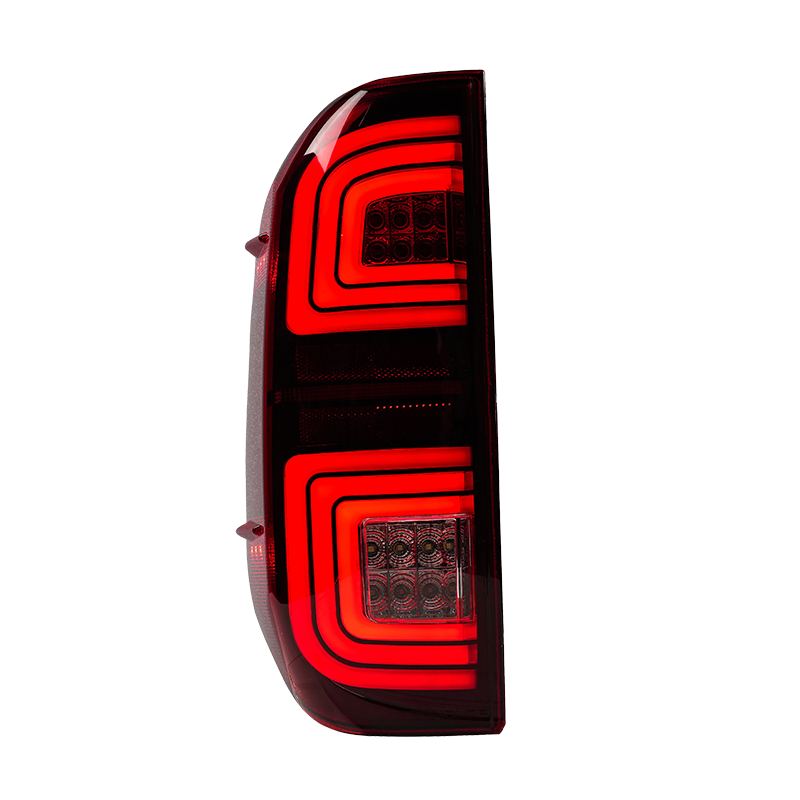
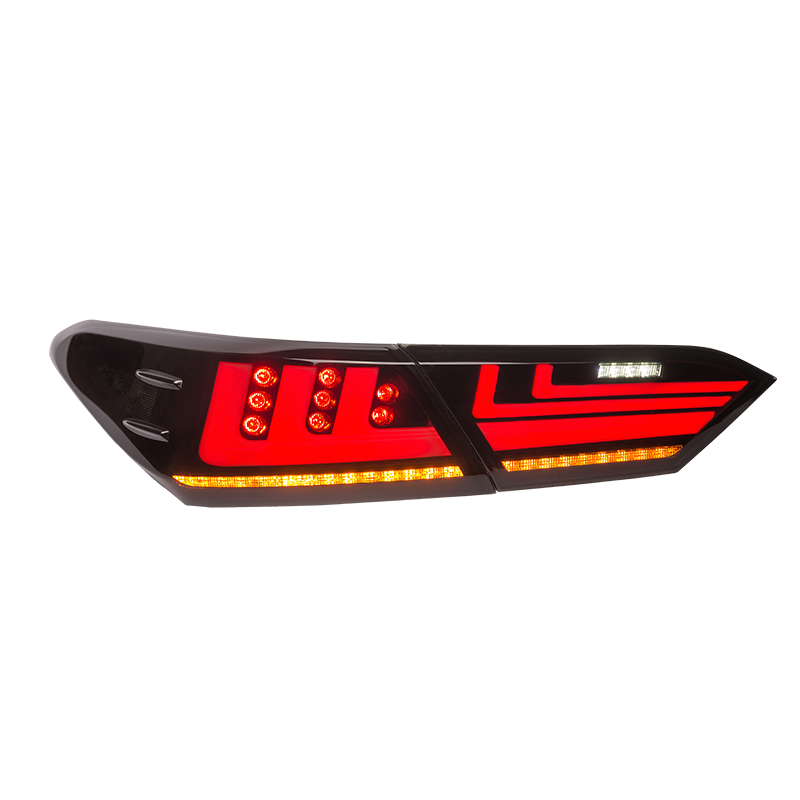
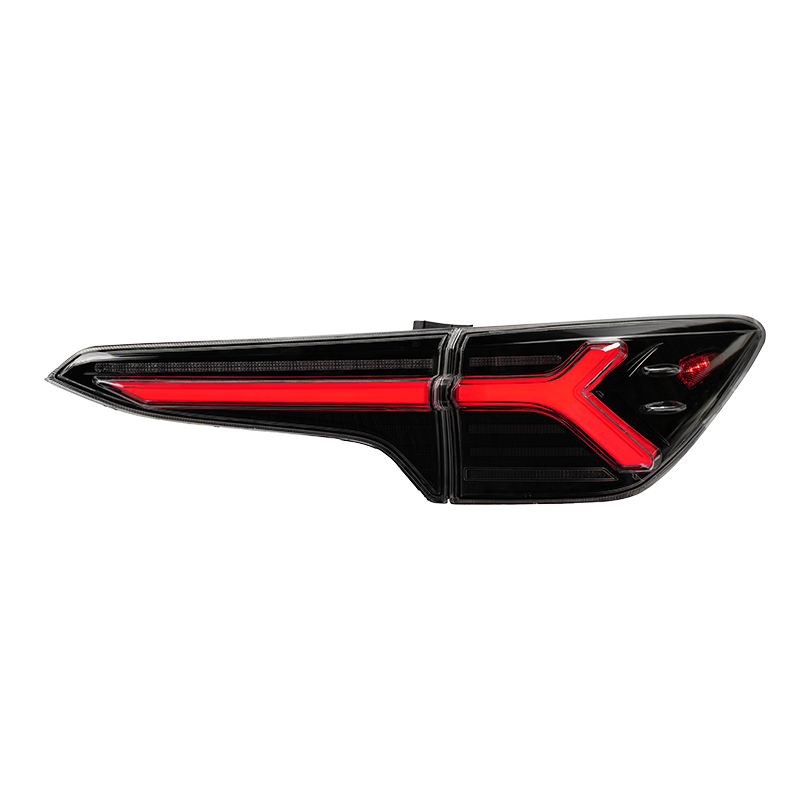
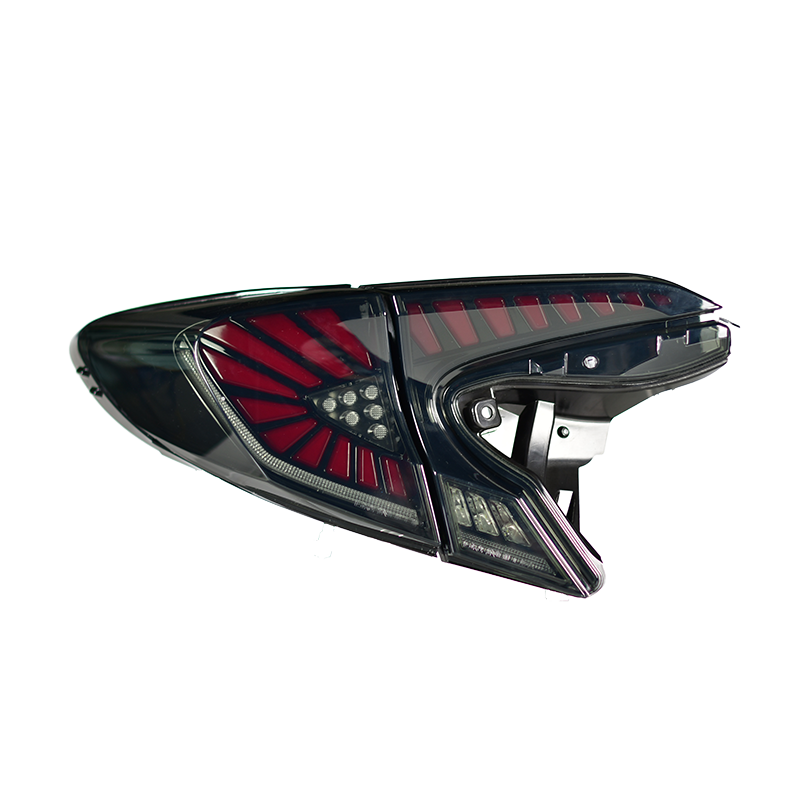
In recent years, Modified Tail Lights have gradually moved from a niche choice to something more widely discussed. For many vehicle owners, rear lighting is no longer only about signaling. It also connects to style, visibility, and how parts are made behind the scenes.
Traditional bulb-based tail lights have been around for a long time. Their structure is simple and familiar. A single light source, a reflector, and a colored lens. That basic setup still exists today. But over time, newer lighting forms have started to appear, especially those based on LED layouts.
This shift did not happen all at once. It followed changes in both design thinking and manufacturing methods. As lighting systems became more detailed, the way components are shaped also had to improve. Plastic forming processes, especially those linked to preform shaping, began to play a more important role.
For a Modified Tail Lights Supplier, keeping product consistency is not only about assembly. It also depends on how each lens and housing is formed before final production. Even small variations in shape can affect how light spreads or how parts fit together.
Within this broader supply environment, companies such as Taizhou Baozhiwei Vehicle Industry Co.,Ltd . are part of a chain where lighting design and mould-based production stay closely connected.
Looking inside a tail light, the difference between the two designs becomes quite clear.
Traditional systems follow a straightforward layout. A bulb sits in the center. Around it, a reflective surface helps spread the light. Then the outer lens gives the final color and shape. Simple structure. Easy to understand.
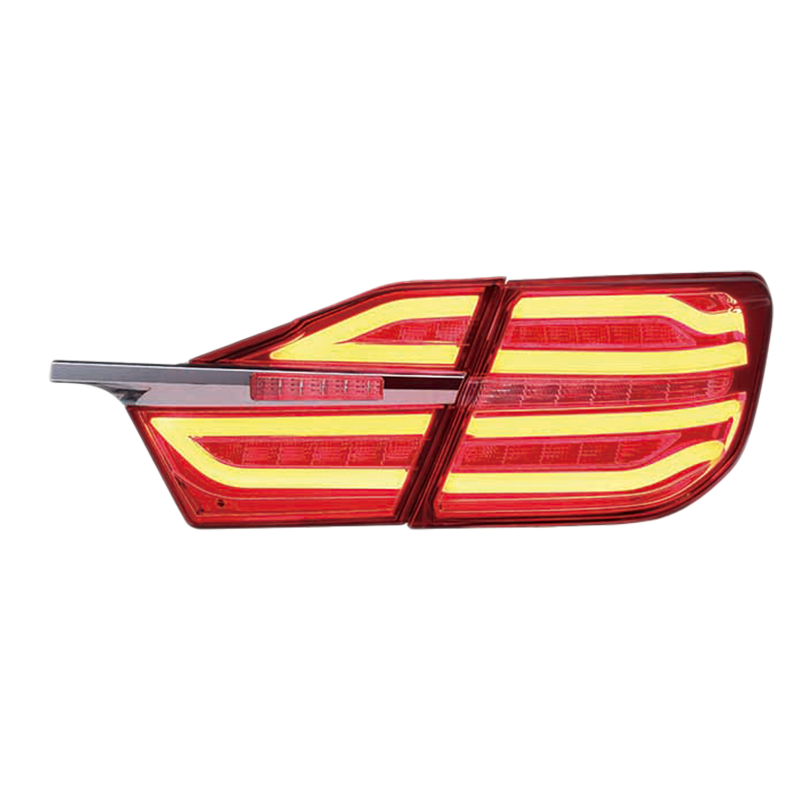
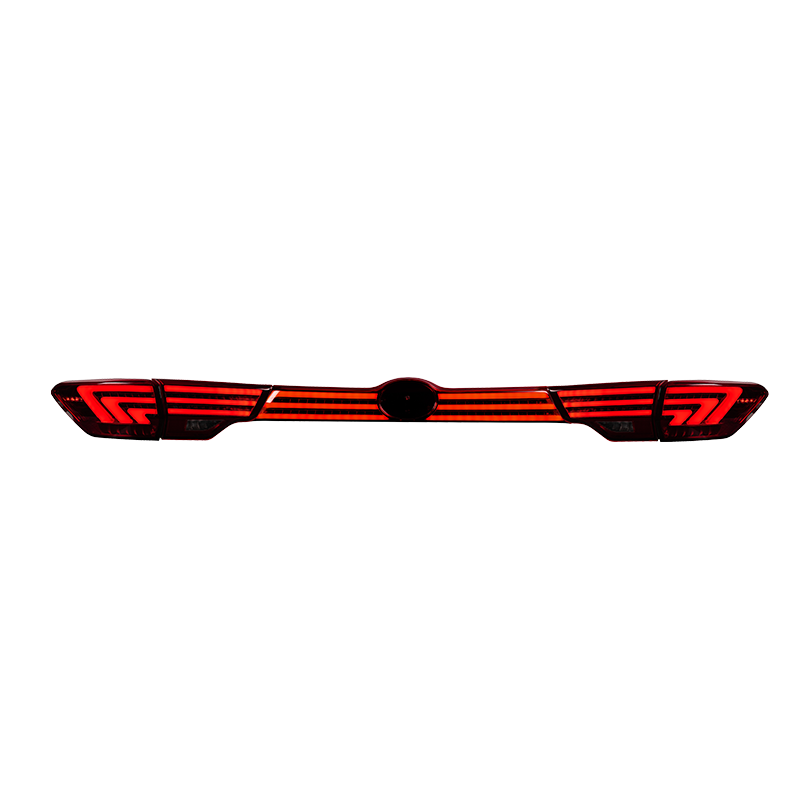
LED-based Modified Tail Lights are built in a different way. Instead of one strong light source, there are many small ones. These are placed in rows, patterns, or even layered arrangements. Because of this, the internal layout becomes more detailed.
Some key differences can be noticed:
This change also means higher requirements for accuracy. When many small light units are involved, even a slight shift in position can change the overall effect. That is why mould precision becomes more important than before.
For a Modified Tail Lights Supplier, stable production is closely tied to how well each component holds its intended shape.
Materials used in tail lights may look simple, but they serve several purposes at once. They need to be clear enough for light to pass through. Strong enough to handle daily use. And stable enough to keep their form over time.
In Modified Tail Lights, different materials are often combined:
Traditional bulb systems often place more focus on heat resistance near the bulb area. LED systems, on the other hand, require materials that can maintain clarity for longer periods without noticeable change.
Production methods have a direct effect here. Preform-based shaping allows better control over thickness and uniformity. Instead of relying only on final shaping, part of the structure is already defined earlier in the process. This helps reduce uneven areas or weak points.
A Modified Tail Lights Supplier usually works closely with mould design teams. Small changes in mould structure can lead to more stable results in large-scale production. Not something visible at first glance, but important over time.
Energy use is often discussed when comparing lighting systems, but the difference is not only about consumption. Heat behavior also matters.
Traditional bulbs produce light along with a noticeable amount of heat. That heat gathers around a single point. Because of this, the surrounding area needs enough space and material strength to handle it.
LED-based Modified Tail Lights spread energy differently. Heat is still present, but it is not concentrated in one place. Instead, it is distributed across several smaller units. This changes how the housing needs to be designed.
Some practical differences include:
Moulding again plays a quiet but important role. The internal shape of the housing affects how heat moves and how air flows inside. Consistent shaping helps avoid unexpected heat buildup.
For a Modified Tail Lights Supplier, this means paying attention not only to appearance, but also to how each part behaves during use.
At the end of the day, tail lights serve a simple purpose. They help others see the vehicle clearly. But the way light is produced and spread can change that experience.
Traditional bulb systems rely heavily on reflectors. Light comes from one point and is spread outward. The result is usually wide coverage, but sometimes less control over the exact shape.
LED-based Modified Tail Lights take a different path. Since each light unit can be placed individually, the overall pattern becomes more controlled. Lines, segments, or layered effects can be formed more easily.
| Aspect | Traditional Bulb Design | LED Modified Tail Lights |
|---|---|---|
| Light source | Single point | Multiple small units |
| Distribution | Reflector-based | Direct placement |
| Shape control | Limited | More flexible |
| Response | Gradual illumination | Faster illumination |
| Design variation | Less flexible | More adaptable |
Because LED layouts depend on precise positioning, even small errors in the lens or housing can affect the final look. That is why accuracy in moulding becomes more noticeable in these designs.
For a Modified Tail Lights Supplier, keeping each unit aligned and consistent is part of daily production work.
Durability is not only about how long a light works. It also includes how well it handles everyday conditions.
Traditional bulbs may need replacement after repeated use. The internal structure can wear down over time. This is a known and expected part of their design.
LED-based Modified Tail Lights avoid some of these issues, but they are not free from wear. Other factors still come into play:
The outer shell and lens provide the first layer of protection. If these parts are not formed evenly, small weaknesses can appear. Over time, those small issues may affect performance.
This is where production consistency matters again. A Modified Tail Lights Supplier needs to make sure that each piece meets the same standard, not just in appearance but also in structure.
When it comes to installing Modified Tail Lights, the process can feel different depending on the design. Some setups follow a straightforward replacement approach. Others may require small adjustments before everything fits properly.
Traditional bulb systems are usually easier to handle. The structure is simple, and many vehicles are already designed around that format. Replacing a bulb or swapping a housing often takes less effort.
LED-based designs can be slightly more involved. Not complicated, but different. The internal layout is more detailed, and the connection points may not always match older configurations.
A few practical points often come up:
Compatibility is not only about fitting into place. It also relates to how well the system works after installation. If components are not produced with consistent dimensions, even a small mismatch can lead to gaps or uneven positioning.
For a Modified Tail Lights Supplier, maintaining stable sizing and structure helps reduce these issues. Parts that are formed with consistent moulding methods are easier to install across different vehicle models.
One reason Modified Tail Lights attract attention is the freedom they offer in design. Lighting is no longer limited to basic shapes. It can follow the lines of the vehicle, or create a distinct visual identity.
Traditional bulb designs have certain limits. Since the light comes from one source, the outer shape depends heavily on reflectors and lens color. Changes are possible, but often within a narrow range.
LED layouts open up more possibilities. Because light units can be arranged in different ways, designers can create patterns that match the overall style of the vehicle.
Some common design directions include:
These designs rely on precise shaping of the lens and housing. Even a small curve or angle can change how the light appears from different positions.
A Modified Tail Lights Supplier often works with detailed mould designs to achieve these effects. The final appearance is not only about the light source, but also about how the outer surface guides and softens that light.
Over time, all vehicle parts require some level of care. Modified Tail Lights are no exception. The difference lies in how maintenance is handled.
Traditional bulb systems are familiar to most users. When the light stops working, the usual step is to replace the bulb. The process is simple and does not affect the entire unit.
LED-based designs follow a different approach. Since multiple light units are integrated into one structure, replacing a single part is not always practical. In many cases, the whole unit is changed instead.
This leads to a few considerations:
Maintenance is also influenced by how well the parts are made. If the housing is evenly formed and properly sealed, it is less likely to allow dust or moisture inside.
For a Modified Tail Lights Supplier, consistent production helps reduce maintenance concerns. When each unit follows the same structure, it becomes easier to manage replacement and long-term use.
Beyond performance and design, production methods also affect how resources are used. In the case of Modified Tail Lights, material efficiency and waste control are part of the manufacturing process.
Traditional systems use fewer internal components, but may require more frequent replacement over time. LED systems, while more complex in structure, are often designed for longer use without frequent changes.
From a production point of view, moulding plays a key role in material control. Preform-based shaping allows manufacturers to define part structure early, reducing unnecessary variation during final forming.
Some aspects worth noting:
A Modified Tail Lights Supplier that focuses on stable mould processes can better manage production flow. This does not eliminate all challenges, but it helps keep results predictable.
The shift from traditional bulb systems to LED-based Modified Tail Lights has been gradual. Both types are still present in the market, and each serves different needs.
Some vehicle owners prefer the simplicity of bulb systems. Others are drawn to the design flexibility offered by LED layouts. Manufacturers respond by adjusting their production lines to support both options.
From an industry point of view, several patterns can be observed:
A Modified Tail Lights Supplier often works within this balance. Instead of focusing on one type only, many suppliers adjust their processes to handle different structures and requirements.
Looking ahead, changes in lighting design are likely to continue. Modified Tail Lights will remain part of this development, shaped by both visual trends and manufacturing improvements.
Designs may become more refined. Shapes may follow vehicle lines more closely. Integration with other parts of the vehicle may also become more seamless.
At the same time, moulding technology will continue to support these changes. As designs become more detailed, the need for precise shaping will increase. Small variations in mould structure can influence the final result in noticeable ways.
For a Modified Tail Lights Supplier, this means keeping production methods flexible while maintaining consistency. Not always an easy balance, but an important one.
In the end, the comparison between LED and traditional bulb designs is not only about which one is better. It is also about how each fits into different needs, different vehicles, and different production approaches.
We are a modern headlight manufacturer that integrates R&D, design, production and sales. We mainly produce headlamps, taillights, daytime running lights and other automotive lighting products.
Add: No.3 Shiyang Road, Ningxi Town, Huangyan District, Taizhou City, Zhejiang Province, China
Tel: +86-13105675552 / +86-15606586299
Fax: +86-576-89161556
E-mail: [email protected]
Copyright © Taizhou Baozhiwei Vehicle Industry Co.,Ltd. All Rights Reserved.

 English
 русский
 Español