Call us

A tail light can develop problems long before it stops working completely. After rain, a car wash, or a sudden change in temperature, moisture may appear inside the lens. Sometimes it disappears on its own. In other cases, water reaches the electrical connections or LED components and causes flickering, corrosion, or complete failure.
The cost of fixing the problem depends largely on how far the damage has spread. A worn seal may be relatively simple to repair, but a damaged LED assembly can be considerably more expensive. For vehicle owners, understanding this difference helps when assessing Tail Light Change Cost. For manufacturers, it is a reason to pay close attention to sealing during product design.
Why Water Leakage Protection Is Important for Tail Lights
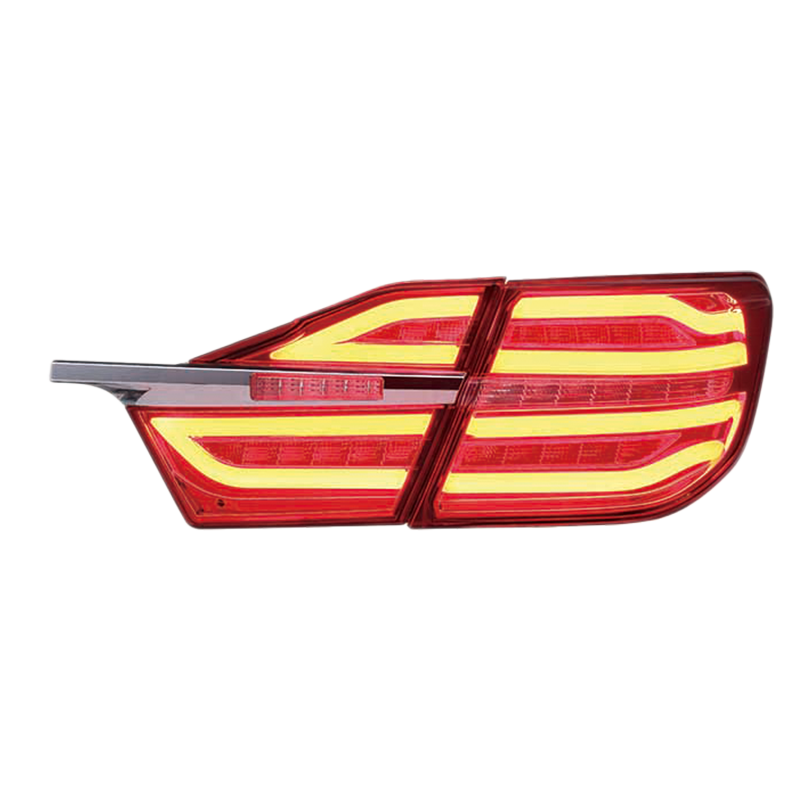
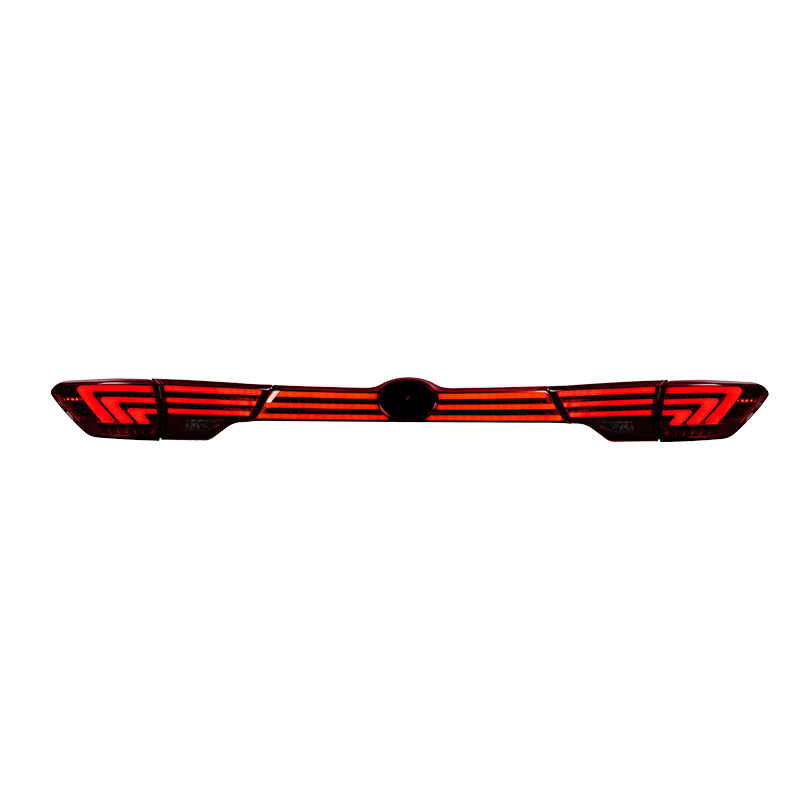
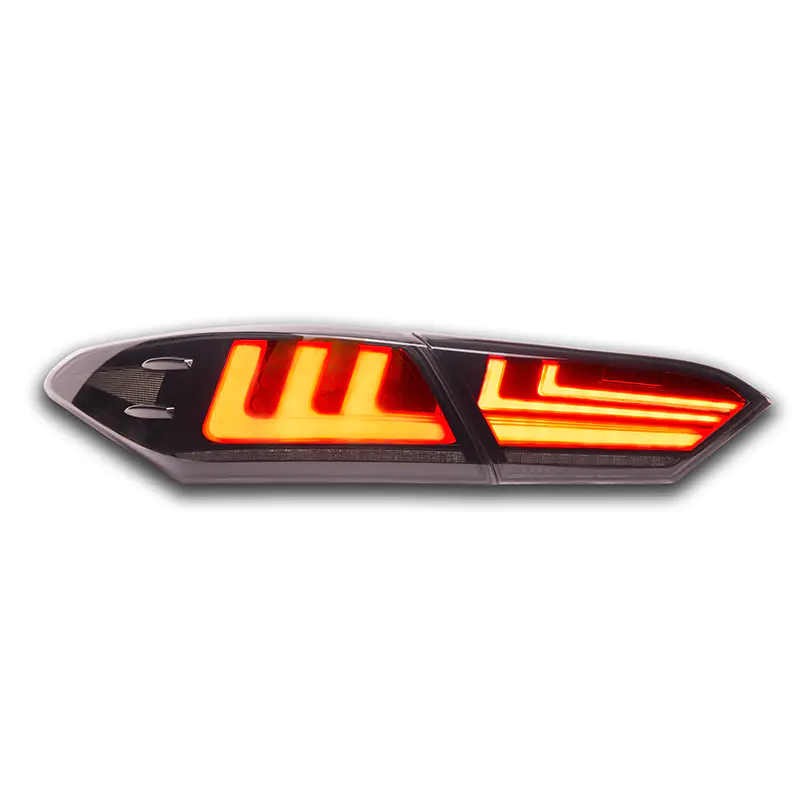
A modern tail light contains several parts behind the outer lens. Depending on the vehicle, these may include LED modules, circuit boards, reflectors, light guides, wiring, and electrical connectors. Moisture around these components can cause problems that are not always immediately visible.
Water commonly finds its way inside through:
It is worth pointing out that tail lights are not always designed to be completely airtight. Some have ventilation membranes that help balance internal pressure and deal with condensation. The purpose is to keep harmful amounts of water out without trapping moisture inside the housing.
Once the sealing system stops working properly, corrosion can develop on metal contacts. Electrical connections may become unstable, and in more serious cases, short circuits can damage the lighting components.
How Water Damage Increases Tail Light Replacement Costs
Not every leak leads to a complete replacement. The repair depends on which part has been affected.
For example, a deteriorated gasket may only need to be replaced. Corrosion around a connector might require cleaning or a new connector. But when water reaches an integrated LED circuit board, repairing the individual component may not be possible. The whole assembly may have to go.
| Water-related problem | Possible repair | Potential cost impact |
|---|---|---|
| Minor seal deterioration | Gasket or seal replacement | Low |
| Persistent condensation | Inspection and ventilation assessment | Varies |
| Corroded connector | Connector repair or replacement | Moderate |
| Damaged wiring | Electrical repair | Varies |
| LED circuit failure | Module or complete assembly replacement | High |
| Extensive internal corrosion | Complete assembly replacement | Potentially high |
These descriptions indicate relative costs, not actual repair prices. Labor charges, vehicle design, parts availability, and the construction of the tail light all influence the final bill. Some assemblies have replaceable modules; others are supplied only as complete units.
Why Modern LED Tail Lights Can Be More Expensive to Replace
Older tail lights often use replaceable incandescent bulbs. When one burns out, changing the bulb may be all that is needed.
LED designs are more involved. Several LED elements may be mounted on a circuit board alongside optical guides and electronic controls. On some vehicles, these parts are built into a sealed assembly rather than designed for separate replacement.
Water damage can therefore turn a relatively small fault into a larger repair. The bill may include:
OEM assemblies can also cost more than aftermarket alternatives. The difference depends on the vehicle model, production year, lighting configuration, and availability of replacement parts.
How Better Sealing Design Reduces Long-Term Expenses
The connection between the lens and housing is one area that needs careful attention. It runs around the assembly, so even a small gap can provide a path for moisture.
Manufacturers use different sealing methods, including rubber gaskets, polyurethane adhesives, silicone-based sealants, and precision welding. Their performance depends on the materials used and the conditions the tail light will face.
A few details can make a real difference:
Water-ingress, thermal cycling, vibration, and environmental aging tests help manufacturers find these weaknesses before production. A seal that works under room-temperature conditions may not perform the same way after repeated exposure to heat and vibration.
What Vehicle Owners Should Inspect Before Replacing a Tail Light
A tail light that flickers or stops working does not automatically need a new assembly. The fault might be a damaged seal, corroded connector, wiring problem, or failed bulb.
Look for signs such as water droplets that remain inside the housing, visible corrosion, intermittent lighting, or dashboard warnings. However, a little condensation is not always evidence of a leak. Some ventilated tail lights may develop temporary misting when temperatures change.
Before agreeing to a full replacement, have a qualified technician check:
Finding the source of the fault matters. Otherwise, a replacement light could develop the same problem if the original cause has not been addressed.
Comparing OEM and Aftermarket Tail Light Replacement Options
When a replacement is necessary, owners usually have to choose between an OEM part and an aftermarket alternative. OEM assemblies are made for specified vehicle models. Aftermarket products vary between manufacturers, particularly in fit, sealing methods, materials, and lighting performance.
| Evaluation factor | OEM tail light | Aftermarket tail light |
|---|---|---|
| Vehicle compatibility | Designed for specified models | Depends on fitment accuracy |
| Sealing performance | Based on original specifications | Varies by manufacturer |
| Lighting performance | Intended to match factory requirements | Requires verification |
| Purchase price | Often higher | May be lower |
| Warranty | Depends on parts coverage | Depends on supplier |
Price alone is not enough to judge a replacement. Check connector compatibility, light output, sealing quality, regulatory compliance, and warranty coverage. A cheaper assembly may prove costly if it fits poorly or allows moisture inside again.
Practical Ways to Prevent Repeated Tail Light Repairs
A few simple checks can help catch problems before they become expensive. After a minor collision, inspect the tail light for cracks or gaps around the housing. Persistent condensation, flickering, or visible corrosion also deserves attention rather than being left until the light stops working.
For manufacturers, prevention starts on the production line. Sealant application needs to be consistent, bonding surfaces must be clean, and the materials need to suit the lens and housing. Environmental testing can reveal weaknesses that are easy to miss during ordinary assembly inspections.
Water protection has a direct bearing on how long a tail light lasts and how often it needs repair. For vehicle owners, identifying the actual cause of moisture damage can avoid unnecessary replacements. For manufacturers, sound sealing design helps reduce premature failures and the repair expenses that follow.
We are a modern headlight manufacturer that integrates R&D, design, production and sales. We mainly produce headlamps, taillights, daytime running lights and other automotive lighting products.
Add: No.3 Shiyang Road, Ningxi Town, Huangyan District, Taizhou City, Zhejiang Province, China
Tel: +86-13105675552 / +86-15606586299
Fax: +86-576-89161556
E-mail: [email protected]
Copyright © Taizhou Baozhiwei Vehicle Industry Co.,Ltd. All Rights Reserved.

 English
 русский
 Español