Call us

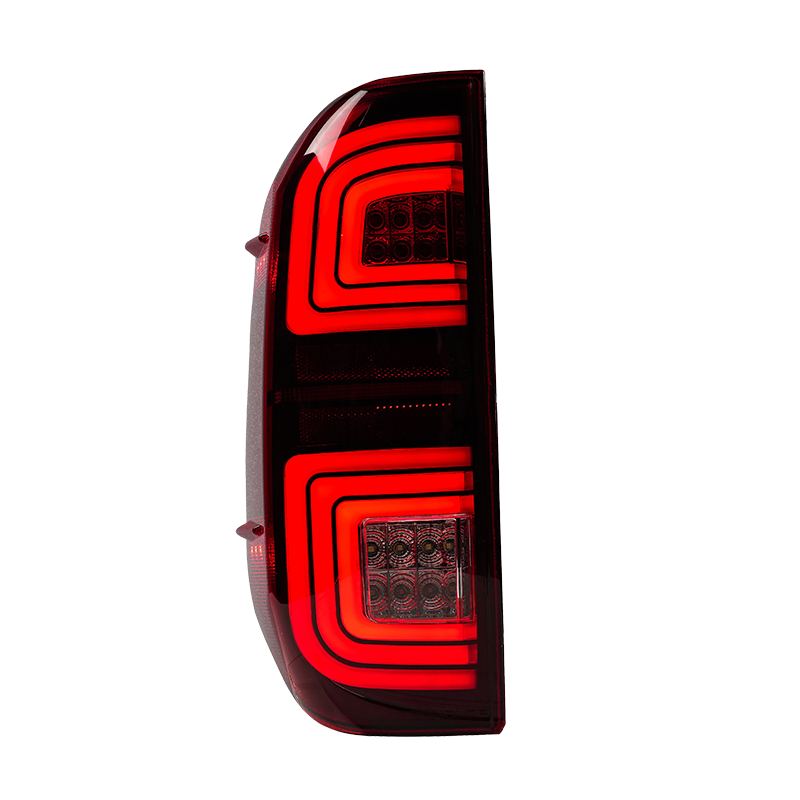
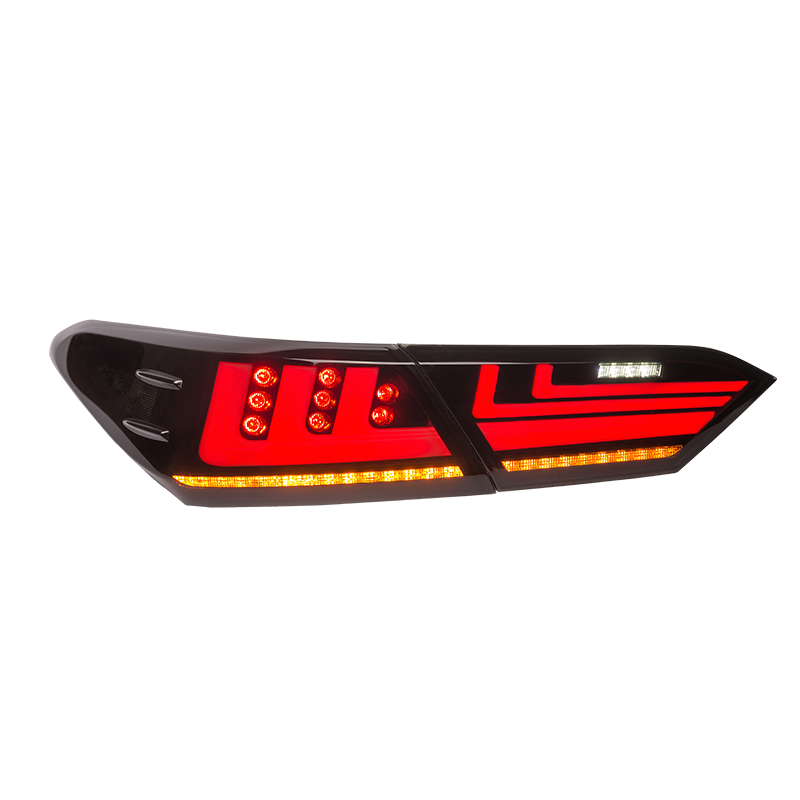
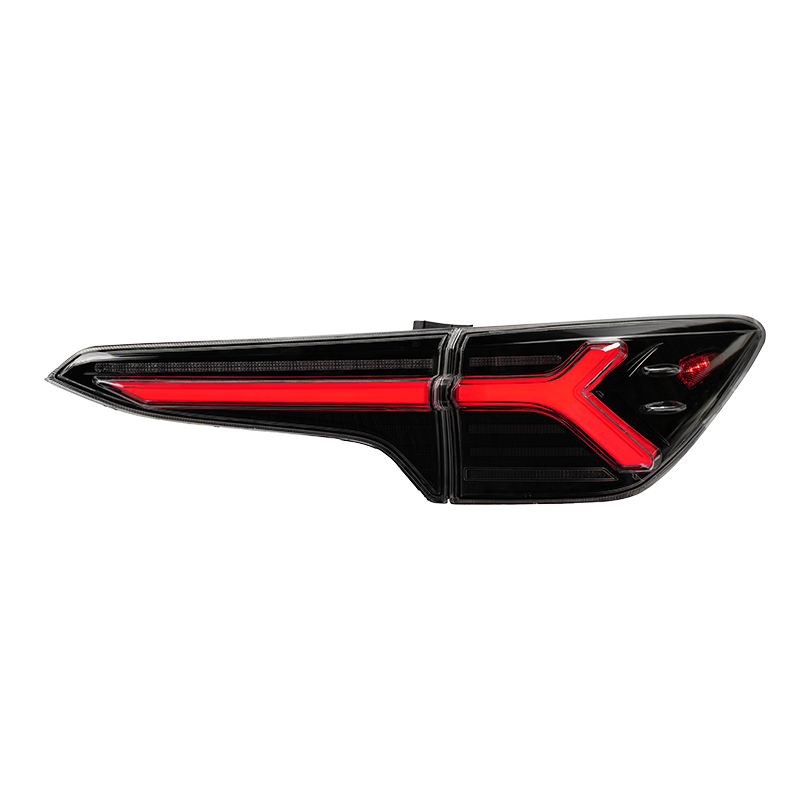
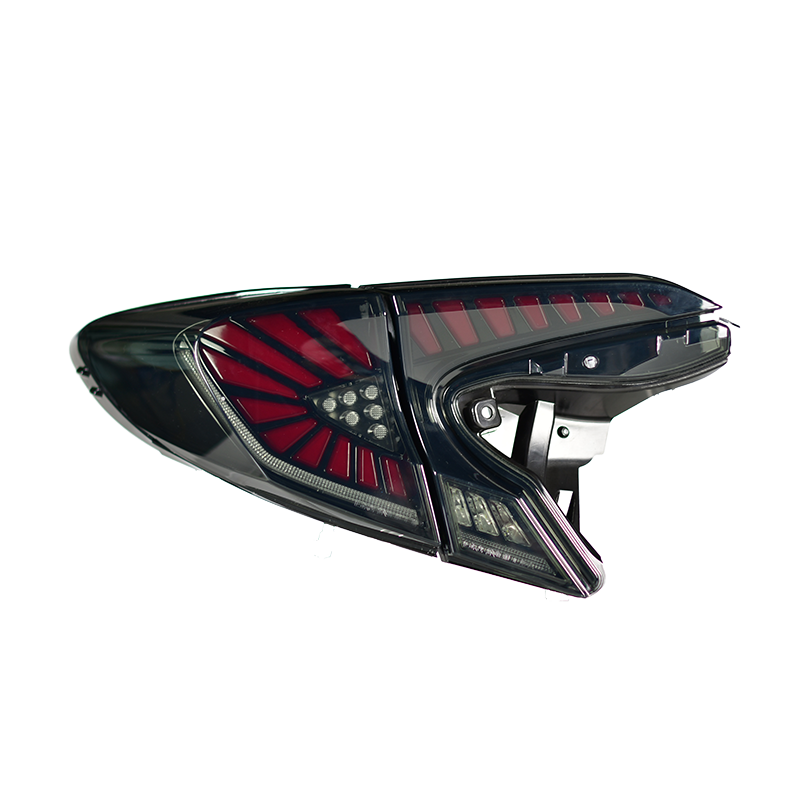
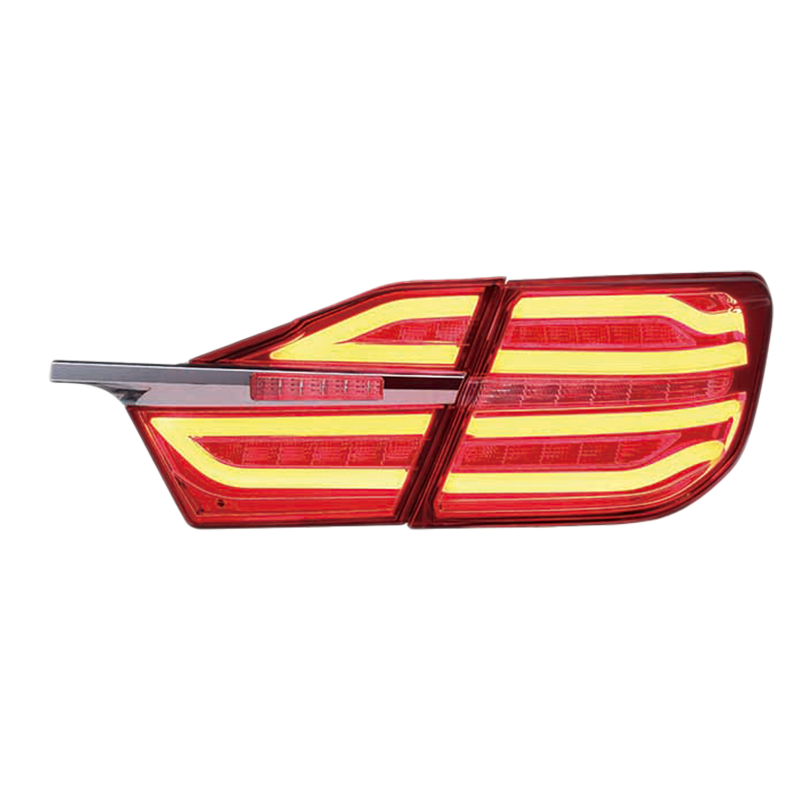
Modified Tail Lights have gradually become a common choice for vehicle owners who want to tweak the look and function of their cars. They do more than just change the style — they still have to tell other drivers when you're braking, turning, or coming to a stop. That said, going with Modified Tail Lights can sometimes bring headaches if you miss the little things. Issues tend to creep in slowly at first: lights that start flickering, sit a bit crooked, or show wear faster than they should.
Paying close attention to both the part itself and how it's put on makes a big difference. A decent tail light can make the car look sharper and light up better, but one that's not quite right or slapped in wrong ends up causing more trouble than it's worth. Stuff like the materials, how solidly it's built, and the electrical side all play into whether it works well or becomes a pain. Talking to someone at a professional Modified Tail Lights Factory can steer you toward options that actually fit your vehicle and cut down on the usual problems.
A lot of owners don't realize how even tiny slip-ups during installation can snowball over time. A little misalignment or a loose wire connection might not seem like much at first, but it can turn into uneven lighting or electrical gremlins later on. Getting familiar with the materials and the way the lights are designed helps catch those issues early and keeps both the look and the safety side in good shape.
Material and construction quality sit at the heart of how well Modified Tail Lights hold up. The material decides more than just how tough it is — it also controls how the light shines through, how much heat it can take, and how it handles weather, road grime, and temperature swings. You'll see plastics, polycarbonate, and different composite blends used a lot, and each one behaves differently. Regular plastics are light and easy to shape, but they can cloud up or bend when things get hot. Composites often handle heat better, though they can be heavier and need a gentler touch when you're fitting them.
Here are some points worth thinking about when you're looking at tail light materials:
Picking the right material carefully helps the tail light keep its shape and do its job through plenty of drives. Table 1 outlines some common material options and their characteristics:
| Material Type | Flexibility | Heat Resistance | Light Clarity | Maintenance Level |
|---|---|---|---|---|
| Standard Plastic | Moderate | Moderate | May fade or yellow | Low |
| Polycarbonate | Low | High | Clear and stable | Medium |
| Composite Resin | Moderate | High | Consistent color | Medium |
Working with a Modified Tail Lights Factory makes it easier to pick materials that suit your specific car and how you plan to use it, so you avoid the headaches that come from using something that just doesn't match up.
Installation is one spot where things go sideways more often than you'd expect. Even good-quality lights can underperform if they're not mounted right. Loose mounts, lights that sit off-center, and wiring that isn't secure are some of the usual culprits. Road vibration has a way of making those small issues worse, sometimes leading to annoying rattles or parts that start to come loose.
Common installation problems often include:
To reduce such risks:
Even small mistakes during installation can cause ongoing performance headaches. Sticking closely to the manufacturer's instructions and getting advice from a Modified Tail Lights Factory can help get the fit right and dodge the most frequent trouble spots.
The electrical side turns out to be a common source of trouble with Modified Tail Lights. Flickering, slow response, or lights that quit working altogether can usually be traced back to sloppy wiring or bad connections. Throwing in connectors that aren't rated right or hacking the wiring can create bigger electrical problems down the road.
Key aspects to consider:
Testing all connections before you button everything up can save you from a lot of frustration. Guidance from a Modified Tail Lights Factory often comes with wiring diagrams and practical tips that make the job safer and smoother. Sometimes just a small change in how the wires are hooked up can make a surprising difference in how reliably the lights work during normal driving.
Tail lights are there to be seen clearly by others on the road. When the light output comes out uneven or the unit sits even slightly off, other drivers might miss important signals like braking or turning until it's almost too late. A small tilt or anything that partially blocks the light can make a surprising difference, especially at dusk, at night, or in bad weather when visibility is already lower.
Things to pay attention to:
After putting everything together, it's worth taking a minute to step back and look at the lights from several distances and angles — just like another driver would see them. Teams at a professional Modified Tail Lights Factory usually run these kinds of real-world checks during development to help make sure the signals stay clear and easy to understand in different conditions.
Tail lights have to put up with rain, strong sunlight, road dust, and shifting temperatures almost every day you drive. If the sealing isn't done well, moisture can find its way inside and cause flickering or start corroding the contacts. The plastic or resin parts of the housing can also expand and contract with heat and cold, which sometimes leads to small cracks or slight warping over months of use.
Tips to protect tail lights:
Taking a few minutes to look things over after heavy rain, snow, or a long hot spell can stop small issues from turning into bigger ones. These simple checks help keep the lights working reliably through different seasons and road conditions.
A bit of regular care really does help tail lights last longer and stay brighter. When the lenses stay clean and the mounting stays secure, the whole unit tends to perform more consistently over time.
Practical tips:
These kinds of small, regular steps lower the chance of sudden failures and help the lights keep doing their job as they should. In everyday driving, it's often the little habits that end up making the most noticeable difference in how long everything stays in good shape.
Safety has to come before anything else. Modified Tail Lights still need to follow the rules so they remain clearly visible and don't send mixed signals to other drivers on the road.
Points to remember:
Even a good-looking tail light can become a problem if it doesn't meet the basic visibility and safety requirements in your area. Reaching out to a Modified Tail Lights Factory can help you check that the product fits both the regulations and the practical needs of daily driving.
Not every light works well on every vehicle. Picking the right Modified Tail Lights involves thinking about how easily it will install, how durable it should be for your typical driving, and how well it actually functions once it's on the car.
Consider:
Working directly with a Modified Tail Lights Factory can make this step simpler. They often have experience matching different styles and types to specific vehicle models, helping put together a setup that balances looks, reliability, and everyday usability.
Quite a few issues with Modified Tail Lights can be avoided if people steer clear of some frequent pitfalls:
Noticing these common mistakes early and taking a bit more time during selection and installation can save a lot of time, effort, and frustration further down the road.
Building a few simple habits into your routine can help keep tail light performance steady:
These everyday routines don't take much time but can help the lights stay consistent and dependable through many miles of driving.
Taizhou Baozhiwei Vehicle Industry Co.,Ltd. emphasizes the importance of matching the right materials, proper installation, and routine care. Working with a professional Modified Tail Lights Factory ensures the lights remain functional, safe, and visually consistent even under varied driving conditions.
We are a modern headlight manufacturer that integrates R&D, design, production and sales. We mainly produce headlamps, taillights, daytime running lights and other automotive lighting products.
Add: No.3 Shiyang Road, Ningxi Town, Huangyan District, Taizhou City, Zhejiang Province, China
Tel: +86-13105675552 / +86-15606586299
Fax: +86-576-89161556
E-mail: [email protected]
Copyright © Taizhou Baozhiwei Vehicle Industry Co.,Ltd. All Rights Reserved.

 English
 русский
 Español