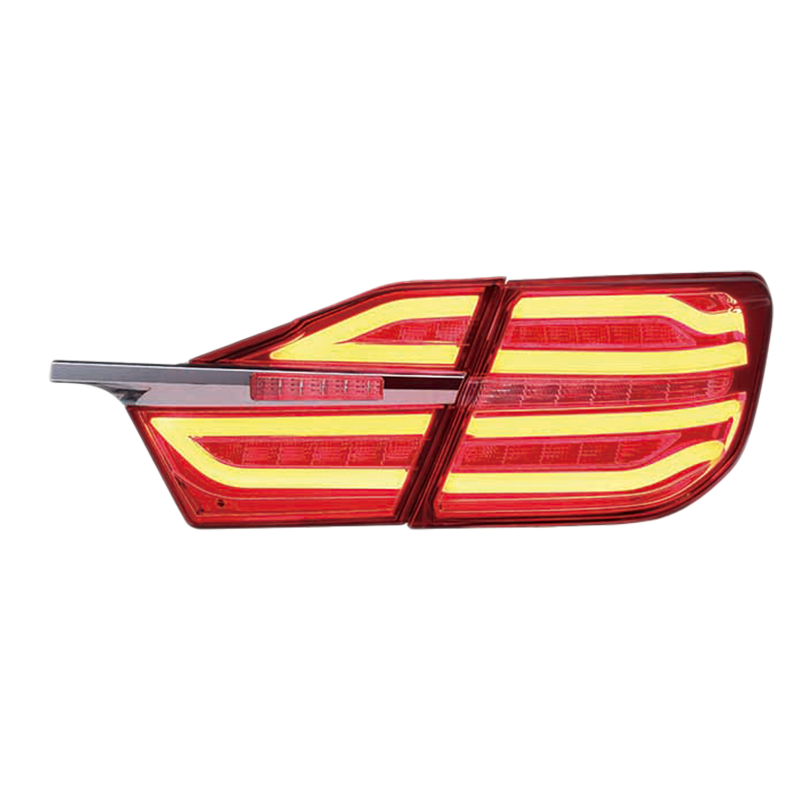
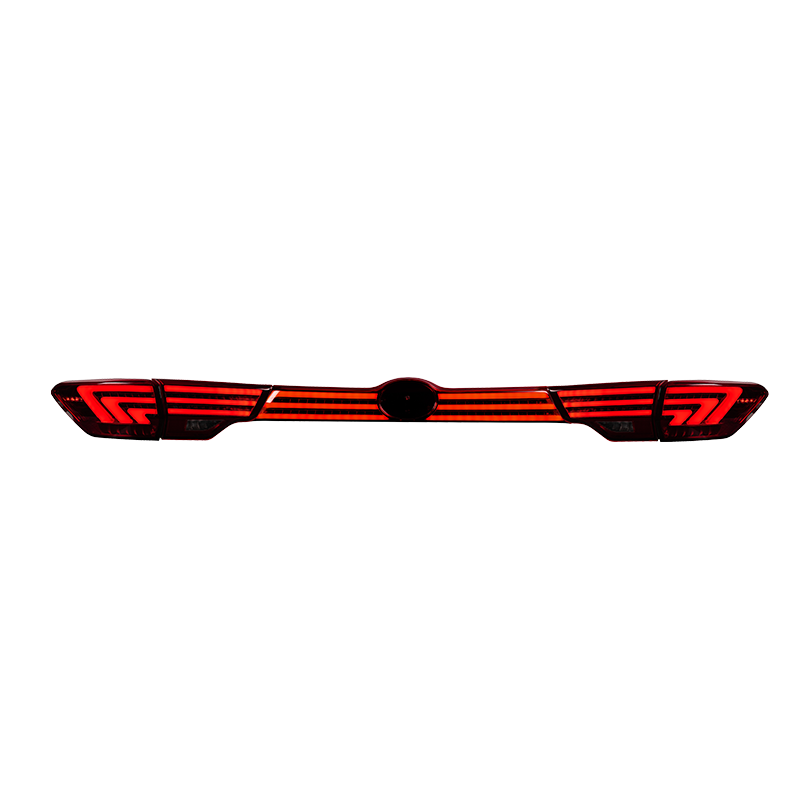
Call us

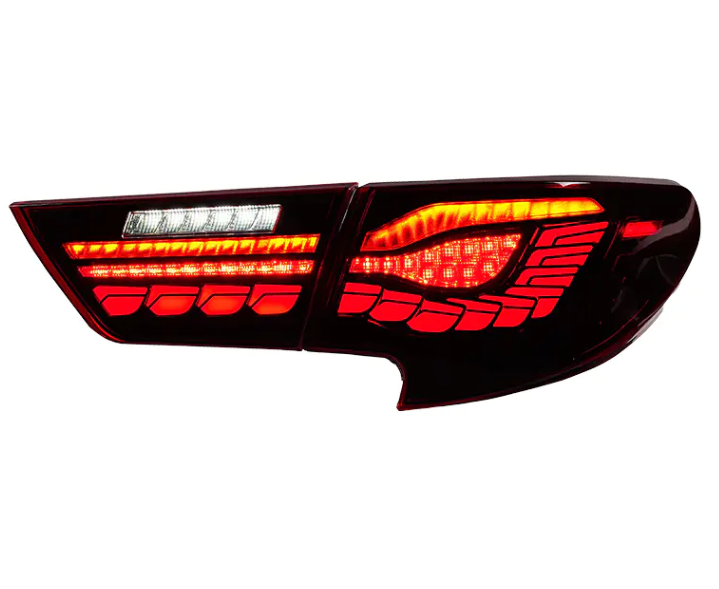
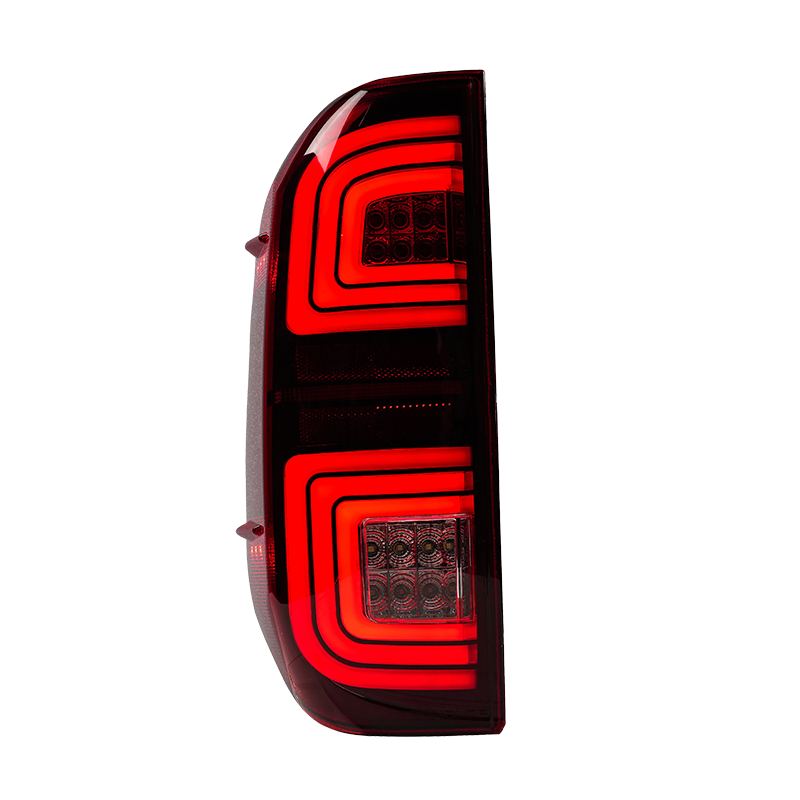
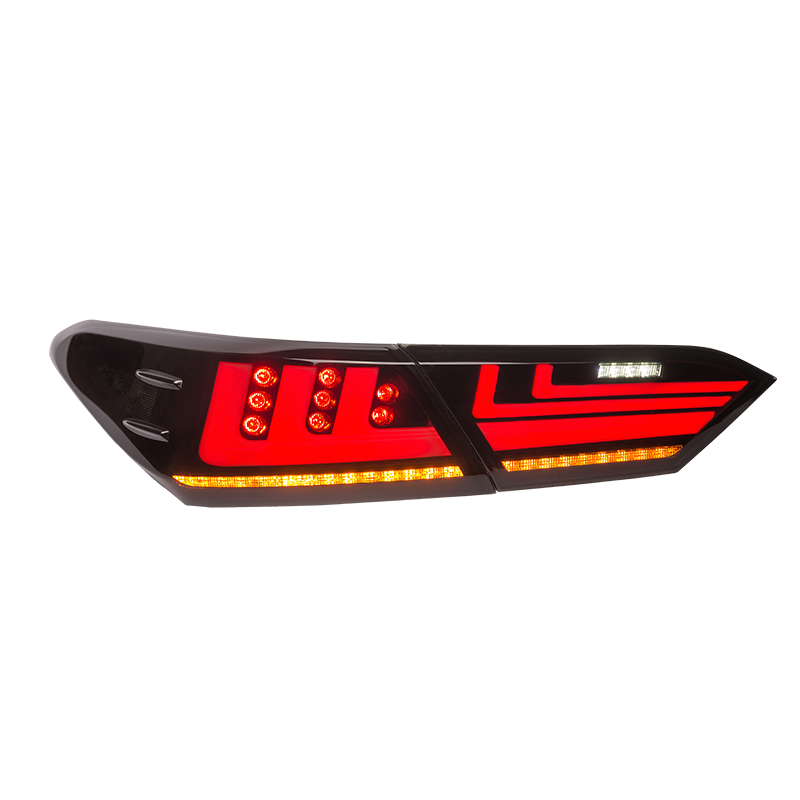
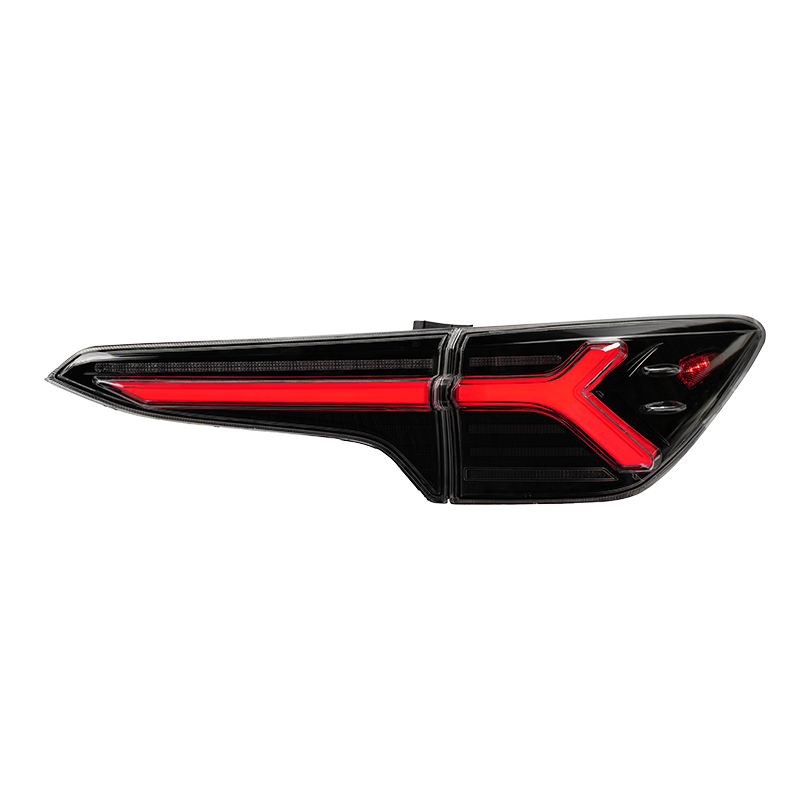
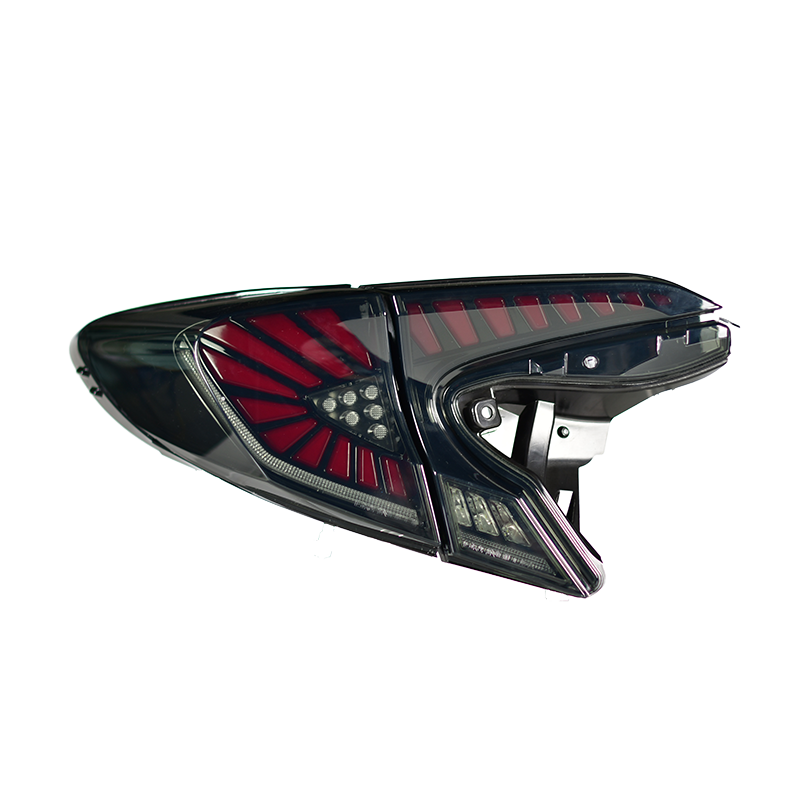
Smoked Led Tail Lights bring a unique style to vehicles, blending a darker shade with reliable illumination for safety on the road. These lights help create a customized rear view while keeping essential signals visible to other drivers. Taking good care of them ensures they stay in working order and maintain their appeal. Factors like daily exposure and handling can influence their condition, so knowing how to approach upkeep is useful. This involves looking at what makes up the darker layer and the common issues that arise. From there, simple steps can make a difference in how long they last. As part of the broader automotive accessory scene, options from various providers, including Taizhou Baozhiwei Vehicle Industry Co.,Ltd., highlight the importance of routine attention to these components.
The darker shade on Smoked Led Tail Lights comes from specific materials that give them their characteristic look. One common way is through a thin film that's stuck onto the light's surface. This film acts like a flexible cover, adapting to the shape of the lens and providing an even tone. It's often chosen for its ease in application and the way it can be adjusted if needed. Another approach uses a coating applied like paint, which sets into a solid layer over the lens. This method creates a more built-in feel, merging seamlessly with the light's structure.
Each type handles everyday conditions differently. Films might shift slightly if edges aren't secure, affecting how they hold up against moisture or dust. Coated versions could show variations if the layer isn't uniform, but they tend to blend well with the overall design. Understanding these differences guides how to care for them, as films may need checks around the borders, while coatings benefit from gentle surface treatments. This knowledge helps in picking routines that match the specific setup on a vehicle.
Several elements can gradually affect the condition of Smoked Led Tail Lights. Sunlight plays a big part, as constant rays can soften the darker layer over time, making the shade less consistent. This happens because the light breaks down the materials, leading to a faded appearance. Washing habits also contribute, especially if done with rough methods that push against the surface. Strong water flow or coarse tools can create small marks or allow grime to settle in.
Road use adds to this, with bits of dirt and stones from the pavement hitting the lights repeatedly. These impacts build up, creating tiny flaws that worsen with exposure. Together, these aspects highlight why proactive steps matter. By recognizing how sunlight, cleaning, and driving conditions interact, it's easier to spot early changes and adjust habits accordingly.
| Factor | Description | Potential Impact on Tinted Layer |
|---|---|---|
| Sunlight | Prolonged direct exposure | Gradual fading of shade |
| Washing | Use of high-pressure or abrasive tools | Surface marks or residue buildup |
| Road Debris | Particles from pavement and traffic | Small impacts leading to flaws |
Keeping Smoked Led Tail Lights in shape starts with regular checks and simple habits. Look over the lights now and then to catch any dirt or irregularities early. This prevents small issues from turning into bigger ones. Dust from the road gathers fast, so wiping it away promptly keeps the surface smooth.
Make this part of wider vehicle care, like during washes or quick inspections. Use soft cloths to clear away loose particles without pressing too hard. Over time, this builds a pattern that preserves the darker tone and ensures the lights function as intended.
These steps help integrate upkeep naturally, reducing the need for deeper fixes later on.
Cleaning Smoked Led Tail Lights properly helps remove dirt without harming the tinted surface. The goal is to lift grime gently while keeping the darker layer intact. Start by selecting mild materials that won't react with the lens or the tint.
A basic mix of gentle soap and water works well for most situations. This combination cuts through road film and dust without being too strong. Avoid anything with strong solvents or ammonia, as these can soften edges on film-based tints or dull coated surfaces over repeated use.
Use a soft microfiber cloth or a dedicated automotive sponge for the actual cleaning. These materials are less likely to leave scratches compared to rough towels or brushes.
Follow these steps for a safe clean:
For tougher spots like bug residue or light tar, a cleaner made specifically for automotive plastic lenses can be helpful. Apply it sparingly and follow the same gentle wiping pattern. Always work in a shaded spot so the solution doesn't dry too quickly and leave streaks.
Lights with a film layer need slightly different handling around the borders. Wipe toward the center rather than dragging outward to reduce the chance of lifting an edge. Coated lights generally tolerate the same process but respond better to even pressure across the whole surface.
Doing this kind of cleaning regularly—perhaps every week or two depending on how much the vehicle is driven—keeps the lenses looking clear and prevents dirt from becoming embedded.
Over time, Smoked Led Tail Lights can develop a hazy or slightly rough feel on the surface, even with careful cleaning. This usually comes from very fine scratches or light oxidation. Polishing can help bring back clarity without removing too much of the tinted layer.
First, check whether polishing is appropriate. If the darker shade still looks even but the lens surface feels dull or has a faint cloudiness, this method can improve the appearance. If the tint itself is peeling or significantly faded, polishing won't solve the underlying issue.
Choose a polish formulated for plastic automotive parts. These products are designed to be mild enough for lenses while still smoothing out minor imperfections.
Apply the polish using a soft applicator pad or cloth. Work in small sections, using light, even pressure in circular motions. This helps distribute the product evenly and avoids creating new marks. After buffing each area, wipe away the residue with a clean cloth to see the result.
For slightly more noticeable haze, a very fine polishing compound can be used first, followed by a finishing polish to restore smoothness. Always test on a small, less visible spot before covering the whole light.
Film-based tints usually respond well to light polishing since the material is flexible and can regain gloss without much risk. Coated surfaces also improve with this treatment, though they may need a lighter touch to avoid thinning the layer.
Once the surface looks clearer, applying a thin layer of protective wax designed for plastic can help seal it. This adds a barrier that makes future cleaning easier and slows down new haze formation.
The entire process should be done carefully and not too frequently. Overdoing it can wear down the tinted layer faster than normal use would.
Preventing wear is often more effective than fixing it after the fact. A few practical adjustments can make Smoked Led Tail Lights hold up better over the long run.
Whenever possible, park the vehicle in a covered spot or garage to reduce direct sunlight hitting the rear lights. Less constant exposure helps the tinted layer stay consistent longer. If outdoor parking is the only option, a simple rear cover during long periods of inactivity provides extra shielding.
Switch to hand washing instead of automatic car washes when you can. This lets you control the pressure and avoid harsh brushes that can mark the surface. Use soft mitts or cloths made for delicate finishes, and rinse from top to bottom so dirt doesn't settle on lower areas.
Consider adding a clear protective coating after the lights are new or after a good polish. These products form a thin shield that absorbs some of the impacts from road debris and makes the surface easier to clean next time.
For film-style tints, double-check that the edges remain well sealed. A small amount of edge sealant can be applied if any lifting appears early on. Coated tints benefit from occasional visual checks for tiny chips, which can be addressed before they spread.
Minor changes in driving habits also help. Avoiding tailgating in dusty or gravelly conditions reduces the amount of debris that strikes the lights directly.
Combining these habits creates a layered approach to protection. Regular cleaning keeps the surface free of buildup, gentle washing prevents new damage, and added barriers slow down environmental effects. Together they support the lights' appearance and performance without requiring constant major repairs.
Smoked Led Tail Lights remain a practical choice for many drivers when given the right attention. The tinted layer—whether applied as film or coating—responds well to thoughtful care. By understanding the materials, recognizing wear factors, and using appropriate cleaning and protection methods, these lights can continue to look good and function reliably for a long time.
We are a modern headlight manufacturer that integrates R&D, design, production and sales. We mainly produce headlamps, taillights, daytime running lights and other automotive lighting products.
Add: No.3 Shiyang Road, Ningxi Town, Huangyan District, Taizhou City, Zhejiang Province, China
Tel: +86-13105675552 / +86-15606586299
Fax: +86-576-89161556
E-mail: [email protected]
Copyright © Taizhou Baozhiwei Vehicle Industry Co.,Ltd. All Rights Reserved.

 English
 русский
 Español