Call us

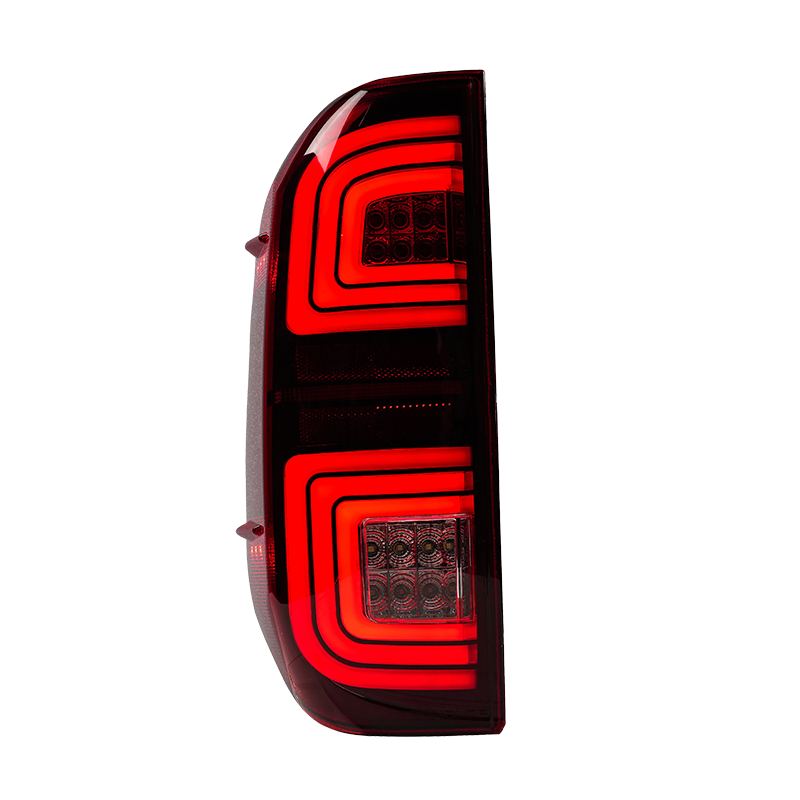
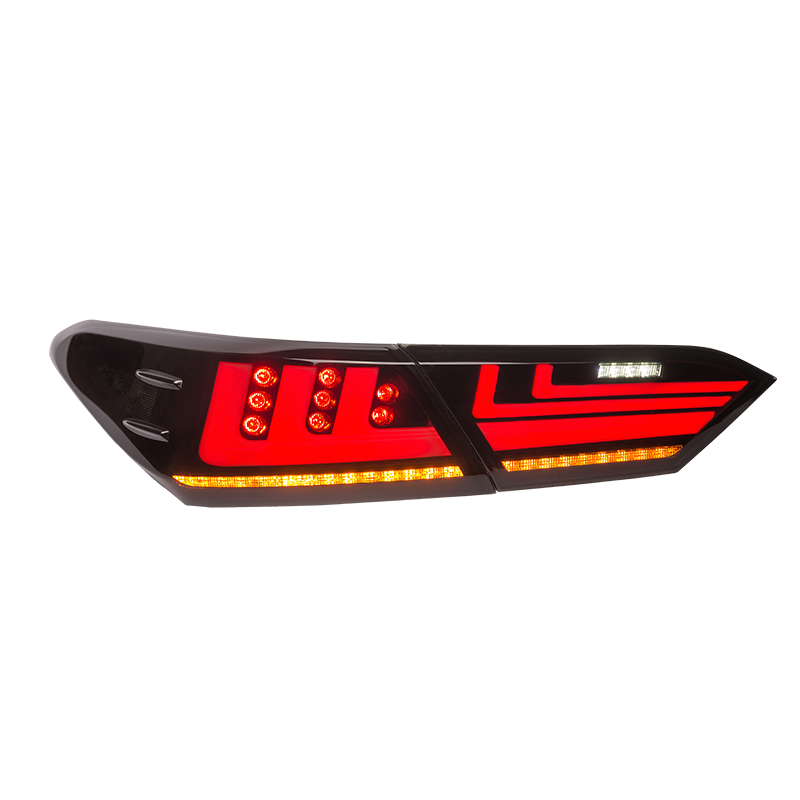
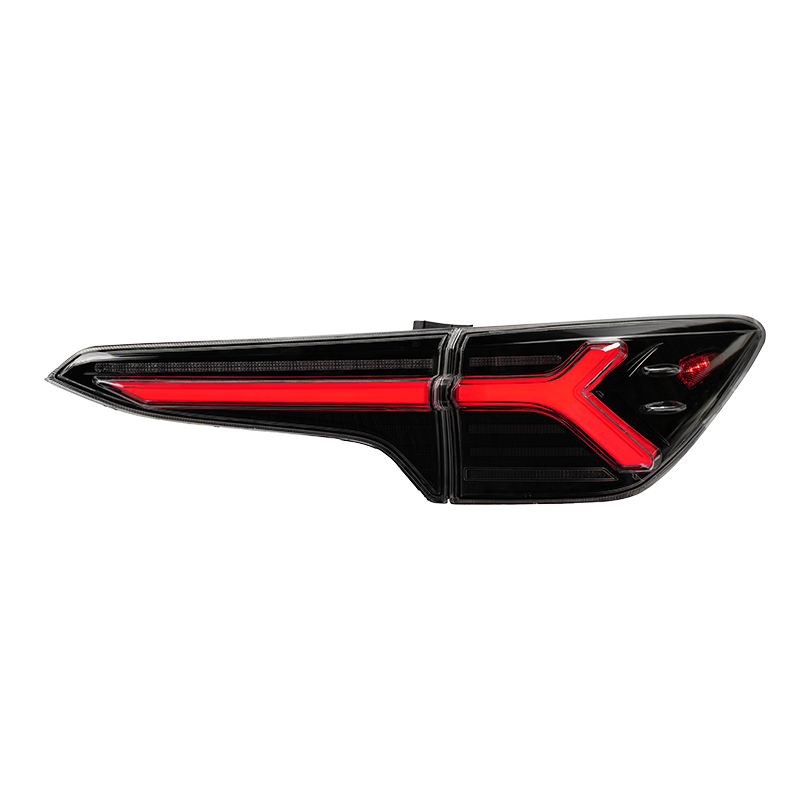
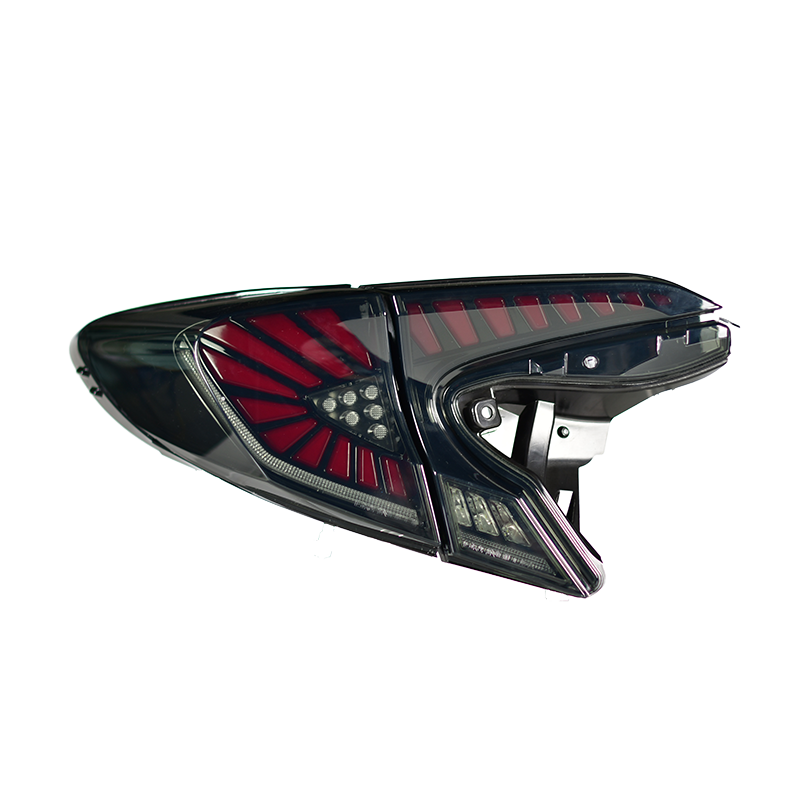
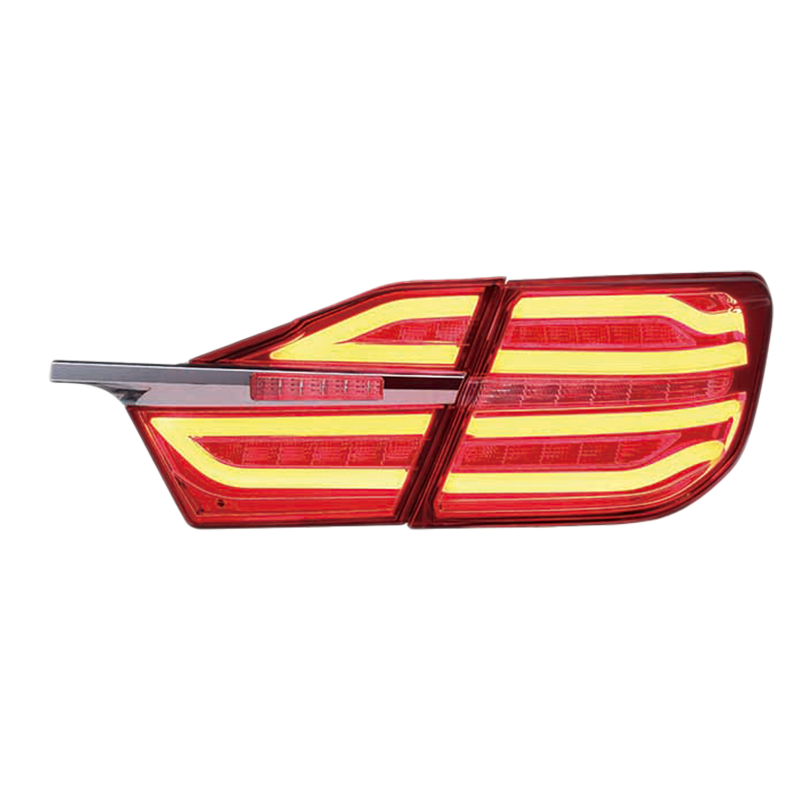
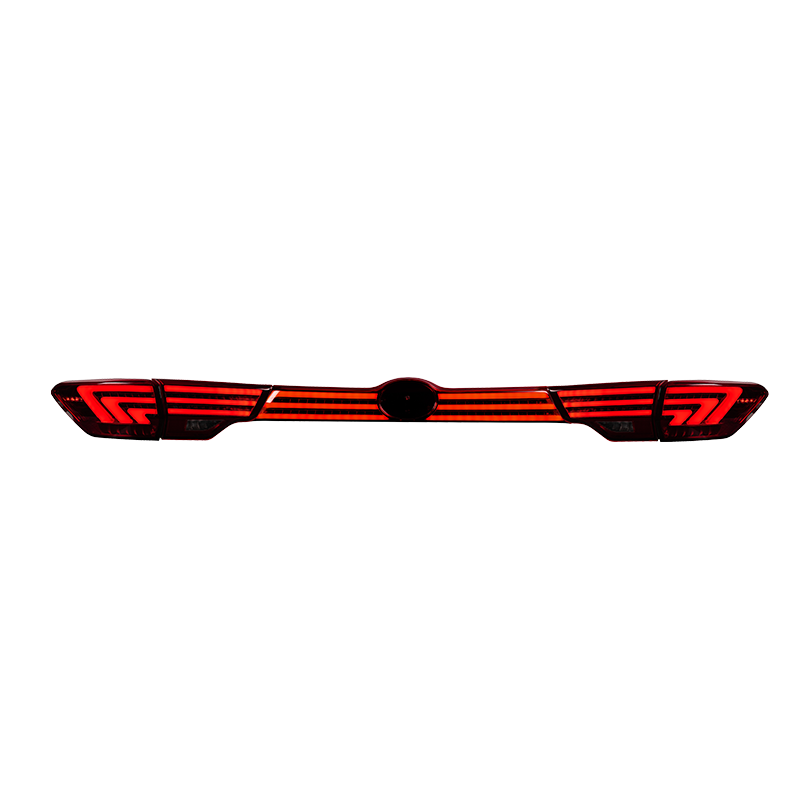
Keeping rear lights in decent shape is one of those things people don't always think about, until something goes wrong. Smoked Led Tail Lights, in particular, are chosen for their darker, cleaner look. They look good on almost any vehicle. But at the end of the day, they still need to do one simple job—let other drivers clearly see what you're doing.
When the surface starts collecting dust or the tint slowly fades, the light coming through can lose some of its sharpness. It's not always obvious at first. A little haze here. Slight dimming there. But on the road, even small changes can matter.
These lights deal with a lot every day. Road dust, rain spray, heat from the sun, cold nights. All of it adds up. Without some attention now and then, those small changes can turn into bigger ones, like cloudy lenses or uneven brightness. Making upkeep part of normal vehicle care helps Smoked Led Tail Lights keep that balance between style and function.
Manufacturers such as Taizhou Baozhiwei Vehicle Industry Co.,Ltd. build these parts to handle daily use, but no component is completely maintenance-free. A quick check during washing or parking often reveals issues early. Over time, this kind of attention becomes routine. You stop thinking about it. You just do it.
It also helps to know what you're actually looking at when you see the Smoked LED Tail lights. Inside the housing are LED chips. They're small, efficient, and designed to run for long periods without much energy use. Around them is a plastic shell built to handle vibration, temperature changes, and weather.
The darkened look comes from the outer lens. It's tinted, but not fully dark. Light still passes through, just softened a bit. Inside, wiring and circuits make sure the light spreads evenly instead of showing bright spots. Along the edges, seals keep moisture and dust out.
The materials used here are chosen carefully. The lens needs to stay clear while also being tough enough to handle everyday wear. The tint isn't just sprayed on in most cases. It's bonded into the lens itself, which helps it last through washing and regular driving.
Once you understand that, care becomes more intuitive. You don't scrub aggressively. You don't use sharp tools. You work with the materials instead of fighting them.
Routine Cleaning Methods to Preserve Clarity
Cleaning Smoked Led Tail Lights doesn't need to be complicated. In fact, simple works best. Start with a rinse using cool water. That alone removes a surprising amount of dirt. Then take a soft cloth and a bit of mild soap. Wipe gently. No rush.
Some spots take a little more effort. Sticky road film, for example.
Once the surface is clean, drying helps more than people realize. Letting water sit can leave marks. A quick pat with a clean towel, or just letting the air do the work, usually does the trick. Every so often, a plastic-safe polish brings back some shine and helps slow down future buildup.
Doing this regularly—once a week, or after messy weather—keeps the light output consistent. Microfiber cloths are a good choice. Soft brushes help around edges. Keeping these tools nearby makes cleaning feel less like a task and more like part of normal upkeep.
Safeguarding Against Environmental Factors
The environment is always working against exterior lighting, whether you notice it or not. Sun exposure slowly affects the tint, so parking in shade when possible helps more than people think. For longer outdoor parking, even simple covers can make a difference.
After rain, it's worth taking a quick look. Water shouldn't linger around the lights. Over time, trapped moisture can cause fogging. In areas with salted roads, rinsing the lights sooner rather than later helps protect the surface.
Adding a wax layer is another small step that pays off:
This creates a surface that sheds water and dust more easily. Temperature changes and rough roads also play a role. Vibrations can loosen fittings, and heat-cold cycles can stress materials. Occasional checks help catch these things early.
Most of these habits don't feel like extra work. They just fit into how the vehicle is already used and stored.
Wear usually shows up slowly. A slightly cloudy look. Fine scratches you only see in certain light. A patch of color that doesn't quite match the rest. These are early signs, and they're easier to deal with than people expect.
If the tint itself starts lifting, repairs need to be done carefully. Good lighting helps. So does patience. None of this requires heavy tools or complex equipment.
Taking a closer look now and then makes a difference. Even a brief inspection during cleaning can reveal changes early. That awareness keeps small issues from turning into larger ones, helping Smoked Led Tail Lights stay clear, reliable, and looking the way they should for longer.
Periodic checks don't have to feel formal or technical. Often, it's just a quick glance. Smoked Led Tail Lights rarely attract attention; as long as they light up, they're usually assumed to be "fine." However, true reliability often comes from these seemingly insignificant checks.
You can turn on the lights in the evening or in dimly lit garages. Check if the brake lights illuminate crisply and brightly. Is the turn signal rhythm stable, without any flickering or inconsistent timing? Does the reverse light illuminate instantly, without a delay? Observing in low-light conditions more closely resembles real-world driving conditions.
If possible, walk around the car or use glass reflections or wall reflections to observe the effect. Variations in brightness from different angles can often reveal problems that are otherwise unnoticed. Pay attention to whether the left and right sides are consistent.
The electrical system doesn't require overly complex checks. Gently move the wiring harness to see if there's any noticeable looseness. Check for rust near the connectors, even if it's very slight. After using the lights, touch the housing; a slight warmth is normal, but if one area is significantly hotter, it's worth noting.
Many people incorporate these checks into other routine tasks, such as adding windshield washer fluid or checking tire pressure. Over time, it becomes a subconscious habit.
A simple checking sequence is usually sufficient:
When Smoked Led Tail Lights experience minor problems, a major overhaul is often unnecessary. Many situations can be resolved with simple solutions. For example, internal fogging is a common phenomenon, especially during seasons with significant temperature fluctuations. If the structure allows, opening the light housing and letting it sit in a dry, warm place for a while usually alleviates the problem.
Some people place a small desiccant packet inside before reassembling. It's not mandatory, but it does reduce the likelihood of fogging recurring.
Reduced brightness is often related to the connections. A slightly loose plug can cause unstable current. Re-plugging and adjusting the position sometimes yields immediate results. If a small section isn't lighting up, replacing it with a matching LED and paying attention to the direction and contact points will usually restore normal function.
Don't worry too much about minor scratches or dull areas on the surface. Taking your time is better. Gently treat the area with a soft cloth and a suitable plastic repair agent; several gentle applications are safer than one forceful one.
Here are some common issues:
| Issue | Possible Cause | Simple Fix |
|---|---|---|
| Hazy lens | Dirt buildup | Wipe with mild cleaner and polish gently |
| Dim glow | Loose wiring | Secure connections and test output |
| Fog inside | Seal breach | Dry out and reseal edges |
| Uneven tint | Exposure wear | Apply protective coating evenly |
Sometimes, the most practical advice doesn't come from the instruction manual, but from suppliers of smoked LED taillights. Having long-term experience with different models and usage environments, they often have a better understanding of material differences and common problems.
For example, which cleaning agents are better for dark lenses, and which ones can easily damage the surface? Which sealing methods are more reliable in humid environments? This information is often accumulated through practical experience.
When choosing accessories or replacement parts, it's also helpful to ask the supplier for details. For example, fade resistance, ease of daily maintenance, and ease of disassembly and assembly. These are all very practical considerations for long-term use.
Many suppliers also share common practices from other users. Not standard answers, but "this is how people usually handle it, and it works well." This kind of experiential information is often more valuable than simple specifications.
Establishing a stable source channel also simplifies subsequent maintenance. When you need to replace LEDs or replenish protective film, you don't have to start from scratch, and the overall maintenance process will be much smoother.
The long-term performance of smoked LED taillights depends not on one concentrated maintenance effort, but on many small actions accumulated over time. For example, doing a slightly more thorough cleaning every few months, focusing on the edges and crevices, where dust is most likely to accumulate.
Adjustments can also be made for different seasons. Pay more attention to sun protection in the summer and moisture in the winter. Vehicles that frequently travel on construction sites or dirt roads will naturally require more frequent cleaning. City commuting vehicles should pay attention to the film left by air pollution.
Some people keep a mental note of these things. This isn't a formal record, but rather a way to determine which method is best suited to your specific usage environment. Over time, the maintenance routine will naturally become established.
Common preventative measures include:
As these habits gradually become part of your daily car use, maintenance will no longer be an extra burden. Smoked Led Tail Lights will also remain clear, stable, and continue to function properly without you even noticing.
We are a modern headlight manufacturer that integrates R&D, design, production and sales. We mainly produce headlamps, taillights, daytime running lights and other automotive lighting products.
Add: No.3 Shiyang Road, Ningxi Town, Huangyan District, Taizhou City, Zhejiang Province, China
Tel: +86-13105675552 / +86-15606586299
Fax: +86-576-89161556
E-mail: [email protected]
Copyright © Taizhou Baozhiwei Vehicle Industry Co.,Ltd. All Rights Reserved.

 English
 русский
 Español