Call us

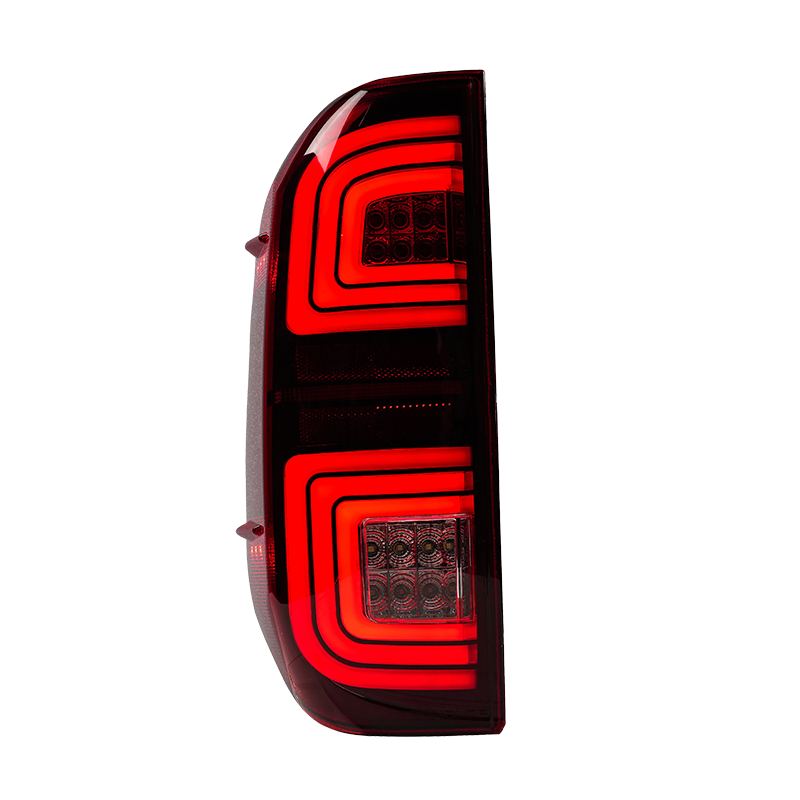
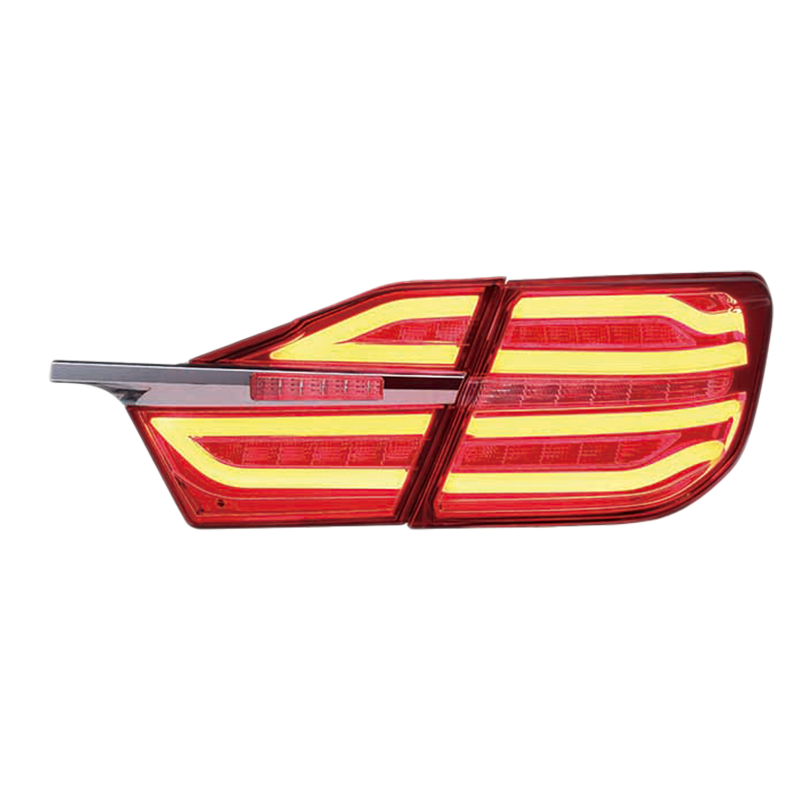
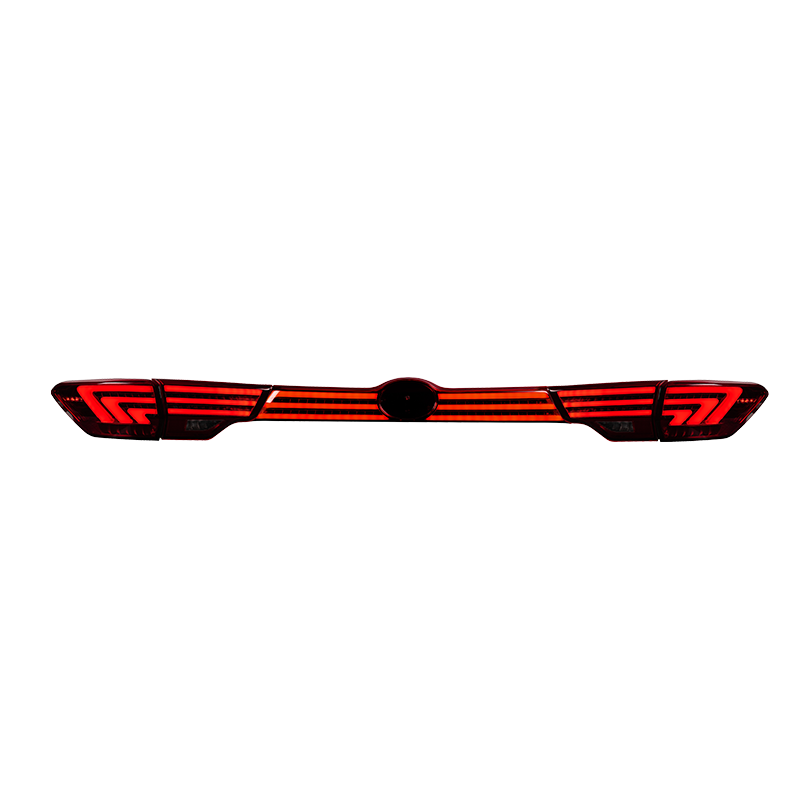
Rear-end collisions are among the most common types of road accidents, and a significant portion of them happen because the following driver simply did not have enough time to react. The brake light on the car ahead is the primary signal that initiates that reaction — and how quickly that light reaches full brightness has a direct effect on how much stopping distance the following driver gains. This is where Custom Car LED Tail Lights enter the conversation in a way that goes beyond aesthetics or energy efficiency. The response time difference between LED and incandescent bulb technology is real, measurable, and relevant to everyday driving — particularly at higher speeds where fractions of a second translate into meaningful distances.
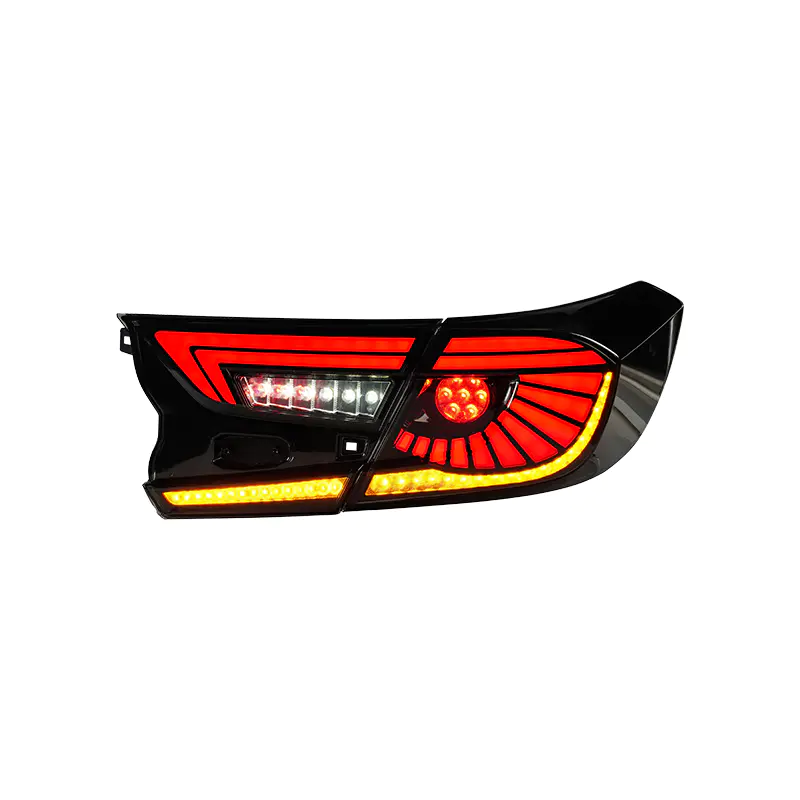
An incandescent bulb produces light by passing electrical current through a thin tungsten filament until it heats up enough to glow. That heating process is not instantaneous. The filament starts from a cold state every time the circuit closes, and it takes a small but real amount of time — measured in milliseconds — to reach the temperature at which it produces useful visible light. The light output also builds gradually as the filament heats, meaning the bulb does not reach its full brightness the moment the brake pedal is pressed.
An LED — light-emitting diode — operates through a completely different physical mechanism. When current passes through the semiconductor material in the LED, electrons release energy directly as photons of light. There is no heating step, no filament to warm up, and no gradual ramp-up. The transition from off to full brightness is essentially instantaneous at the electrical level. The light you see when the brake pedal is pressed is, for practical purposes, at full intensity from the first moment current flows.
This distinction in underlying physics is what produces the response time advantage — it is not a design choice or a feature that manufacturers add. It is a consequence of how the two technologies work at a fundamental level.
It does, and the reason becomes clear when you think through the chain of events that follows a brake light activation. The following driver must first perceive the brake light signal, then process it as a threat requiring response, then initiate physical braking action. At highway speeds, a vehicle covers a meaningful distance during each stage of that sequence.
The brake light itself is the trigger for the entire chain. An LED tail light that reaches full brightness effectively immediately gives the following driver the full reaction time available. An incandescent tail light that takes a noticeable fraction of a second to build to full brightness shortens the effective warning time — not because the bulb fails, but because its illumination ramp-up period is part of the physics.
At speeds typical of highway or arterial road driving, the distance covered during the response delay associated with incandescent ramp-up versus LED instant-on is not trivial. In an emergency braking scenario — where every centimeter of stopping distance matters — the difference can be the margin between a clean stop and a contact.
The implication is straightforward: a vehicle with LED brake lights provides the following driver with a marginally but genuinely better warning signal than a vehicle with incandescent brake lights, under otherwise identical conditions.
Response time is the most frequently cited advantage, but it is not the only one. LED tail lights also produce light with different characteristics than incandescent bulbs — characteristics that affect how visible the signal is under a range of ambient conditions.
Spectral output: LED tail lights typically produce a more saturated red than the warm, slightly orange-tinted red of an incandescent bulb. The cleaner red signal reads more clearly against varied backgrounds, particularly in bright daylight when the contrast between a red light and the surrounding environment is reduced.
Brightness consistency: An LED's light output is consistent from the first moment it illuminates. An incandescent bulb produces a brief period of lower-intensity illumination at the start of each activation as the filament climbs to operating temperature. In rapid on-off brake applications — such as in stop-and-go traffic — the LED's consistent brightness provides a cleaner signal.
Directional light distribution: LEDs emit light in a more controlled direction than incandescent filaments, which radiate in all directions and rely on reflectors to redirect most of the light. LED assemblies can be designed to distribute light more precisely toward the relevant viewing angles, improving how effectively the light reaches other drivers.
These characteristics together mean that a well-designed LED tail light assembly is not just faster — it is also a more effective signal under a wider range of real-world conditions.
| Performance Factor | LED Tail Lights | Incandescent Bulb Tail Lights |
|---|---|---|
| Response time to full brightness | Essentially instantaneous | Delayed by filament heating ramp-up |
| Light output consistency | Stable from activation | Builds gradually from cold start |
| Power consumption | Lower — less heat waste | Higher — significant energy lost as heat |
| Operating temperature | Lower surface temperature | High — significant heat generation |
| Lifespan | Considerably longer under normal use | Shorter — filament degrades with each use |
| Vibration resistance | High — no fragile filament | Lower — filament vulnerable to vibration damage |
| Moisture and weather resistance | Design-dependent; sealed LED assemblies perform well | Bulb socket and filament vulnerable to corrosion |
| Design flexibility | High — LEDs can be arranged in various configurations | Limited by bulb form factor |
| Maintenance frequency | Lower — less frequent replacement needed | Higher — bulbs require periodic replacement |
General technology characteristics are reflected, not specific product performance, which varies with manufacturing quality and design. A well-engineered incandescent assembly from a reputable manufacturer will outperform a poorly made LED unit on some dimensions — quality of execution matters alongside technology choice.
OEM LED Tail Lights are manufactured to the specifications of the original vehicle design — tolerances, connector compatibility, housing geometry, and light distribution patterns that match what the vehicle's engineers specified. This level of specification matters for several reasons that go beyond fit and finish.
Light distribution pattern: Vehicle lighting regulations in most markets specify not just brightness but how light is distributed across the viewing angle. OEM LED Tail Lights are tested to meet these distribution requirements as a complete assembly. Generic aftermarket LED units may be bright without distributing that brightness in the required pattern.
Electrical compatibility: Modern vehicles use can-bus electrical systems and onboard diagnostics that monitor bulb health. Aftermarket LED units that do not account for the current draw characteristics of the original incandescent bulb may trigger error codes or hyperflash conditions in turn signals, because the vehicle's system interprets the lower LED current draw as a bulb failure. OEM-specified LED units are engineered to avoid these compatibility issues.
Housing seal integrity: The housing that contains the LED assembly affects how the unit weathers over time. OEM-grade housings are designed and tested for the specific vehicle's environmental exposure — thermal cycling, moisture, UV exposure — over the vehicle's expected service life.
For fleet operators, distributors, or buyers sourcing multi-vehicle LED tail light assemblies, the OEM specification path typically produces fewer compatibility and warranty issues than a generic aftermarket approach, even when the upfront cost is higher.
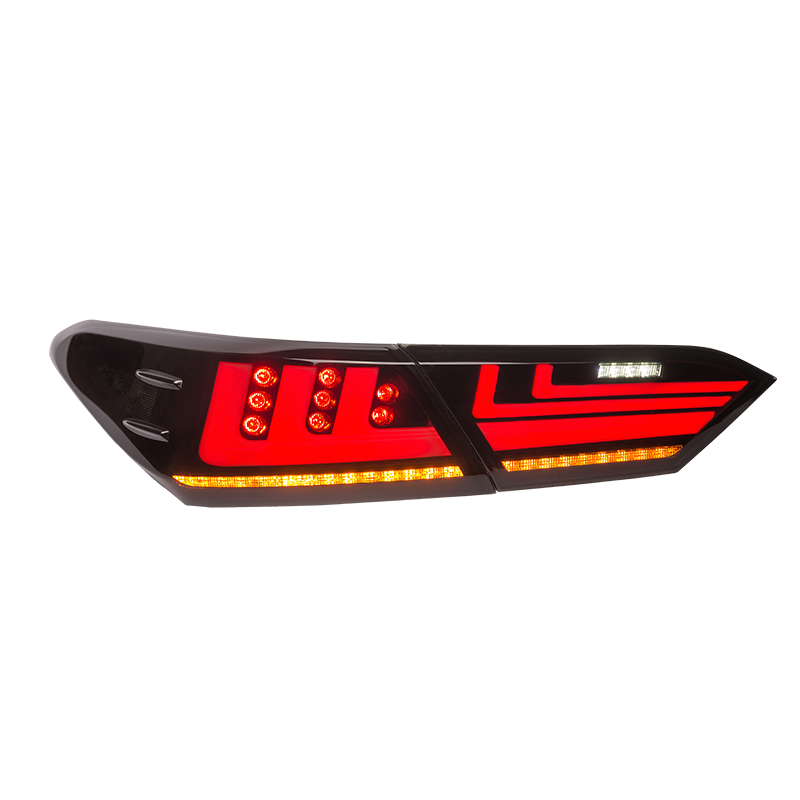
Multi Function LED Tail Lights combine several lighting functions — brake indication, turn signals, reverse lighting, and in some designs running lights or dynamic sequential patterns — within a single housing. This integration has practical implications beyond cost consolidation.
Sequential and dynamic turn signals: Some multi function LED designs use sequential illumination — LEDs that activate in a sweeping pattern from center to edge — rather than a simple on-off flash. Research into dynamic turn signals suggests they draw more attention than static flashing, particularly in environments with high visual noise. While the evidence is not universally conclusive, the attention-drawing principle behind dynamic signals is well-established in visibility research.
Integrated brake and turn function: In a single-function tail light assembly with separate bulbs for each function, a failure in one circuit does not affect others. In a multi function LED assembly, a single housing failure affects all integrated functions simultaneously. This is a trade-off worth understanding at the specification stage — the design should be evaluated for repairability and replacement cost alongside initial performance.
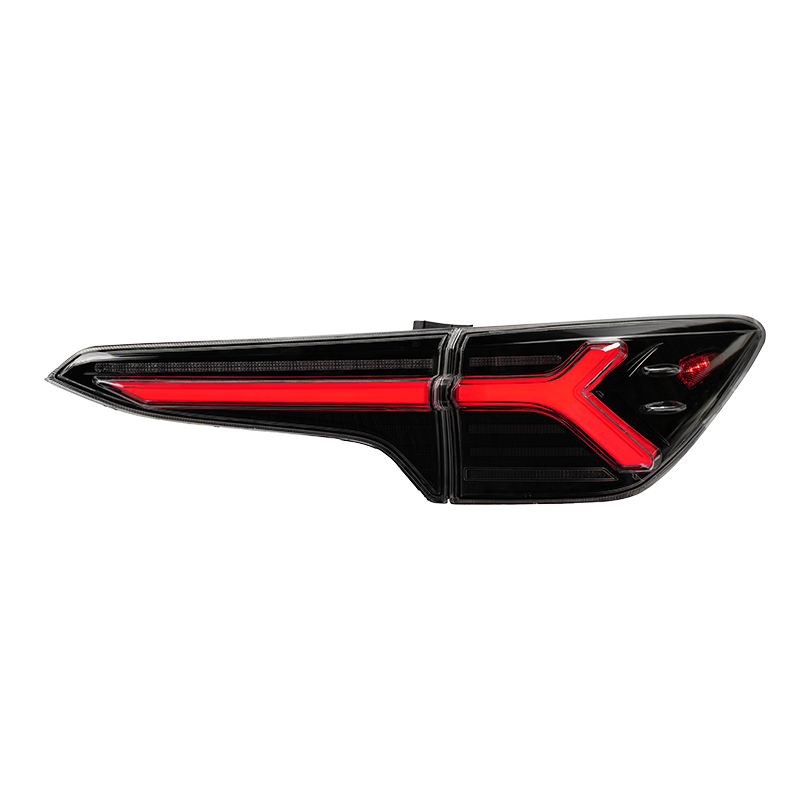
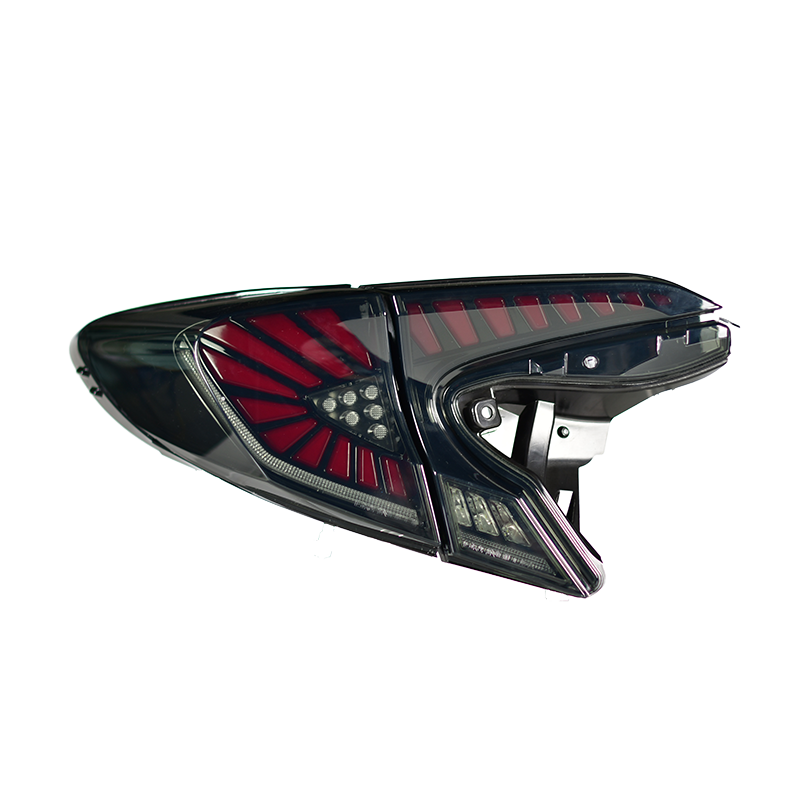
Design flexibility for custom applications: Multi function LED assemblies allow manufacturers to create distinctive rear lighting signatures — the specific pattern of illuminated elements that gives a vehicle a recognizable visual identity. For custom car LED tail light applications, this is the dimension that creates the most design freedom.
For buyers evaluating Multi Function LED Tail Lights for a vehicle platform, the key questions are: which functions are integrated, how the assembly handles individual function failure, and whether the housing design allows for serviceability or requires complete assembly replacement.
Tail lights occupy a position on the vehicle that exposes them to a consistent range of environmental stresses — rain, road spray, temperature swings, UV radiation from sunlight, and in some climates, salt corrosion from road treatments. A tail light assembly that is not adequately sealed against moisture will degrade in ways that affect both appearance and function over time.
Waterproof LED Tail Lights address this through sealed housing construction, gasketed lens assemblies, and corrosion-resistant hardware and connector systems. The degree of protection is typically indicated by an IP (Ingress Protection) rating — a two-digit code that specifies resistance to solid particle intrusion and liquid ingress. For automotive exterior lighting, a meaningful IP rating provides assurance that the assembly has been tested against defined water exposure conditions rather than simply claimed to be weather-resistant.
The LED components themselves are generally more tolerant of moisture than incandescent filament assemblies, where condensation inside the housing can cause filament corrosion and premature failure. However, moisture inside any sealed LED assembly can still cause issues — particularly if it reaches the driver circuitry or creates conditions for PCB corrosion. Housing seal quality at the manufacturing level is what separates durable Waterproof LED Tail Lights from assemblies that deteriorate in ordinary outdoor conditions.
For vehicles operating in high-humidity environments, coastal areas with salt air exposure, or off-road conditions with heavy water exposure, Waterproof LED Tail Lights with a verified IP rating are not a premium feature — they are the appropriate specification for the operating environment.
Custom Car LED Tail Lights serve a different purpose than direct-fit OEM replacements. They are developed when the existing tail light design does not meet the aesthetic, functional, or performance requirements of the application — whether that is a vehicle modification, a fleet identity program, or a product differentiation requirement for an aftermarket manufacturer.
Custom LED tail light development typically involves:
For commercial fleet operators, custom LED tail light specifications offer the ability to standardize across a mixed vehicle fleet, create a recognizable visual identity for fleet vehicles, and potentially reduce maintenance overhead by consolidating to a single replacement assembly type across multiple vehicle models.
The answer depends on what the vehicle is used for, how long it is expected to remain in service, and what the specific failure history of the current tail light assemblies has been.
Arguments in favor of upgrading:
Arguments for deferring:
The response time advantage of LED technology over incandescent is not the whole story — it is the entry point to a broader set of performance, durability, and design differences that matter across the full service life of the vehicle. Whether the application is a direct OEM replacement, a waterproof upgrade for a vehicle operating in demanding conditions, or a custom assembly developed for a specific platform, the underlying technology choice shapes what the assembly can do and how long it does it reliably. Understanding the technical basis of LED response time is useful context, but the more practical question for most buyers is whether the complete performance profile — response speed, brightness consistency, power efficiency, weather resistance, and service life — justifies the specification for their specific vehicle and operating environment.
Taizhou Baozhiwei Vehicle Industry Co.,Ltd. manufactures LED tail light assemblies across a range of vehicle applications, including OEM LED Tail Lights, Multi Function LED Tail Lights, and custom car LED tail light configurations developed to specific platform requirements. Their production covers waterproof LED tail light designs with sealed housing construction suitable for varied climate and road conditions. For vehicle manufacturers, aftermarket distributors, or fleet procurement teams evaluating LED tail light sourcing, reaching out to their engineering and sales team to discuss application requirements, certification documentation, and available configurations is a practical starting point for defining the right specification.
We are a modern headlight manufacturer that integrates R&D, design, production and sales. We mainly produce headlamps, taillights, daytime running lights and other automotive lighting products.
Add: No.3 Shiyang Road, Ningxi Town, Huangyan District, Taizhou City, Zhejiang Province, China
Tel: +86-13105675552 / +86-15606586299
Fax: +86-576-89161556
E-mail: [email protected]
Copyright © Taizhou Baozhiwei Vehicle Industry Co.,Ltd. All Rights Reserved.

 English
 русский
 Español