Call us

Rear lighting on vehicles has sparked more conversations lately. People used to stick with the usual red covers that came standard on cars and trucks. Now, options like transparent covers or darker tints are catching on, changing how the back end looks. This move comes from folks wanting their rides to stand out or match a certain vibe.
Drivers often talk about mixing looks with everyday needs. A darker rear setup can make a truck or car feel more put-together, blending in with other dark parts like wheels or trim. But questions pop up about keeping things clear for those behind you. The big worry for many is getting that sleek, hidden style without making signals hard to spot on the road.
Tail lights began with simple red covers over basic bulbs. These setups aimed to show clear signals for stopping or turning, fitting the needs of regular driving.
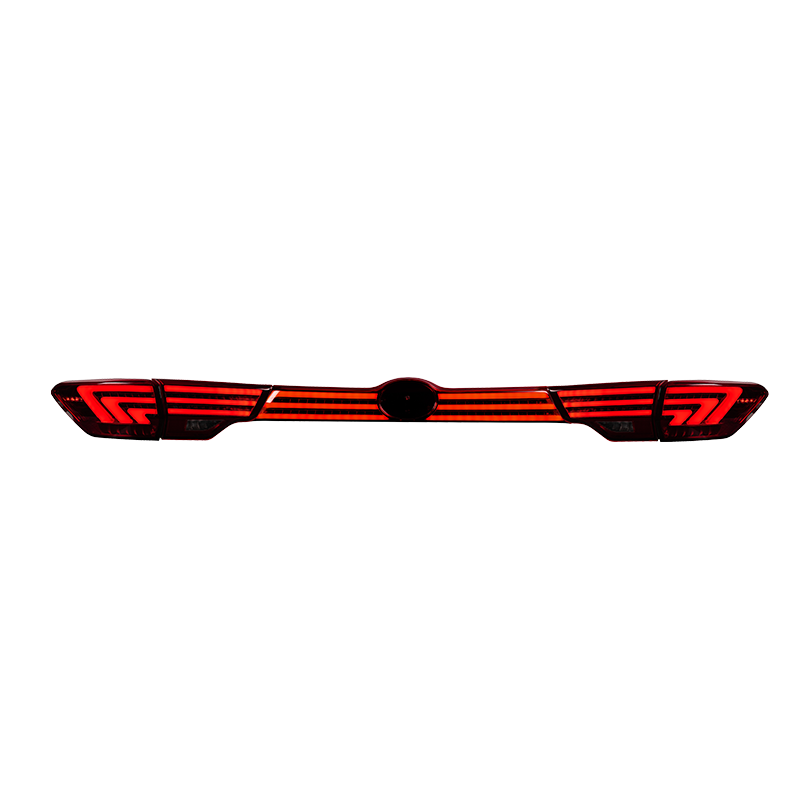
Clear LED tail lights came along as part of aftermarket changes. These use see-through covers with bright LEDs inside, giving a fresh take on lighting. They fit well with folks tweaking their vehicles for a sharper edge.
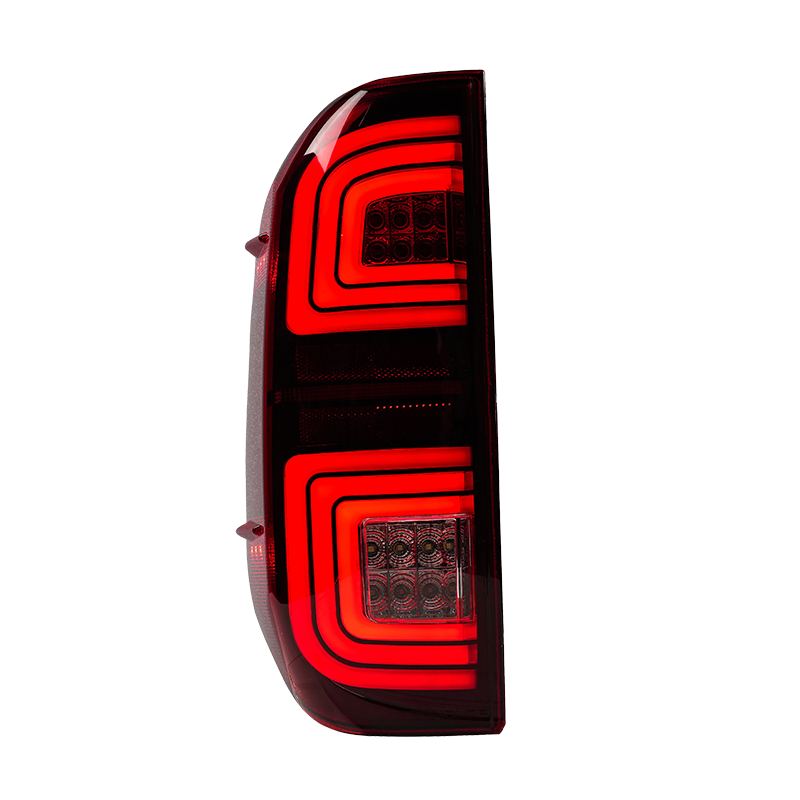
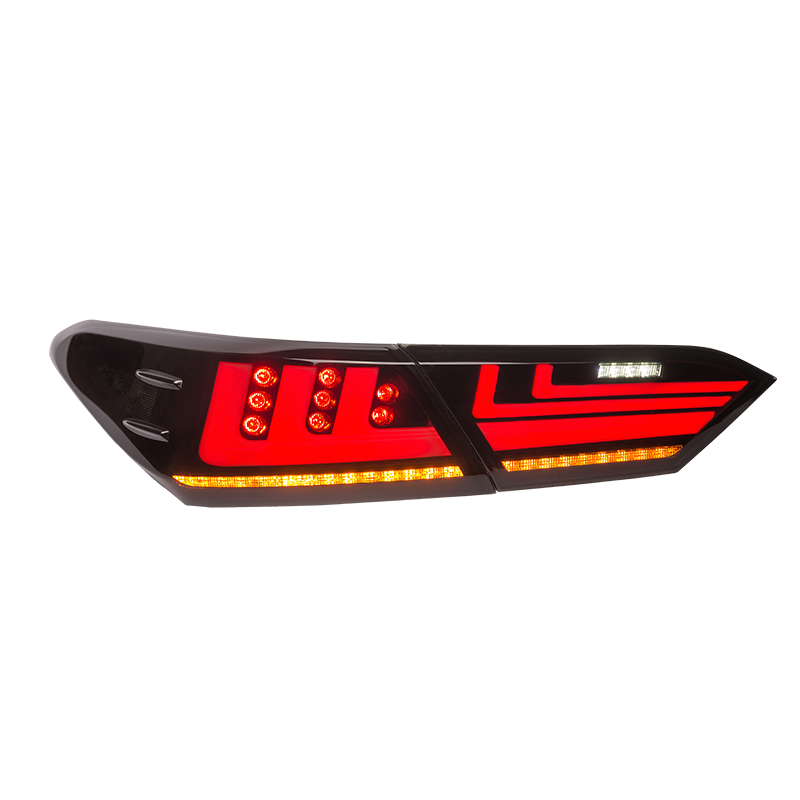
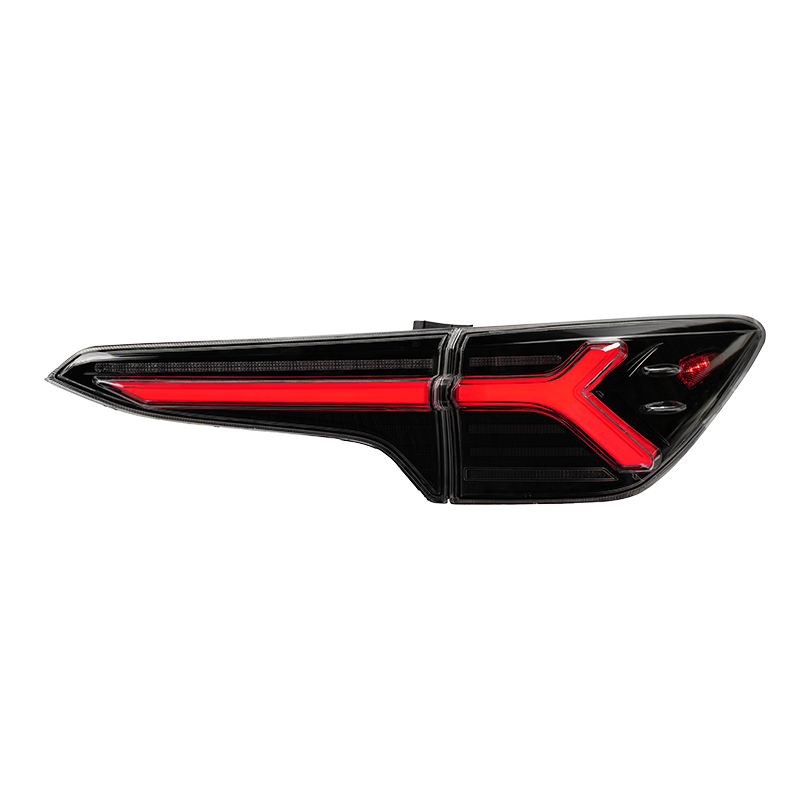
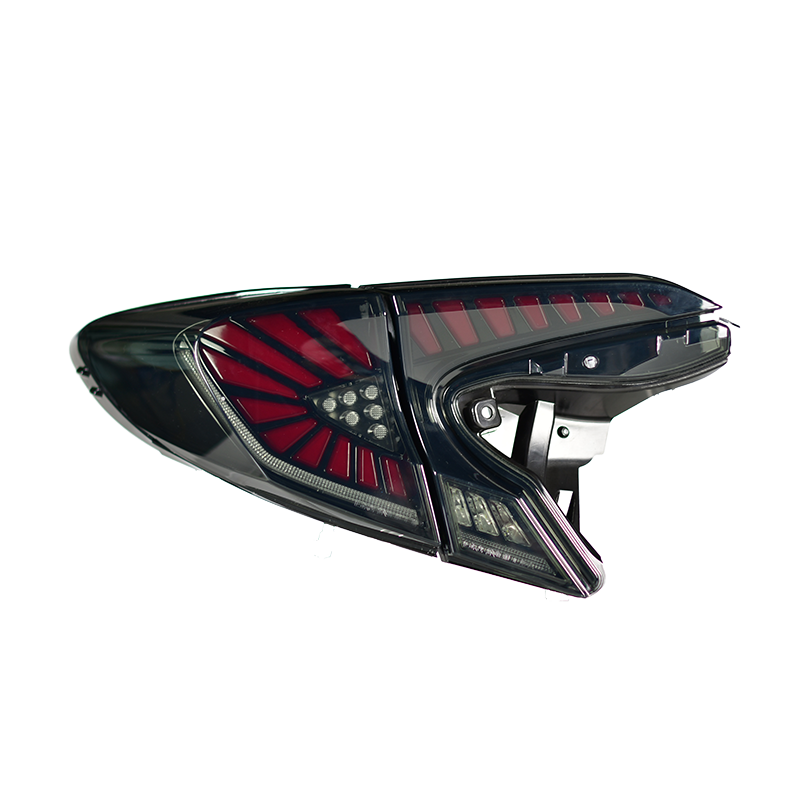
Smoked Led Tail Lights stepped in next as a way to make a statement. The tinted cover gives a darker, more low-key appearance when off, suiting those who like a unified look. Makers adjusted how they build these, adding tint during the process to keep everything even and sturdy.
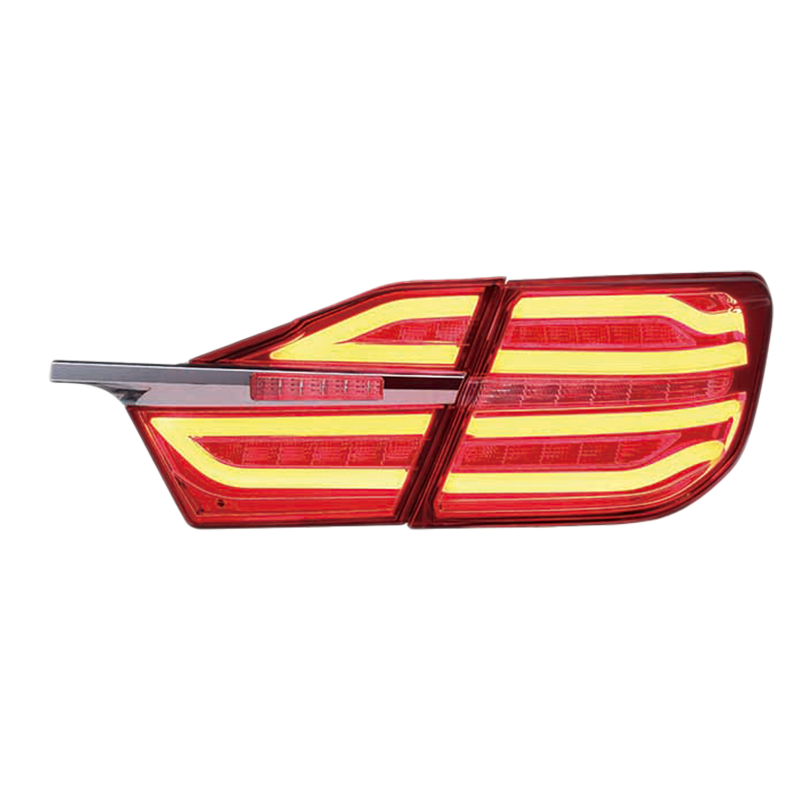
Standard red lens tail lights stay popular on factory vehicles. Their red-tinted covers filter the light just right for easy spotting. This design works well day or night, standing out against different backdrops. It ties in smoothly with original setups, cutting down on extra work. On the flip side, it doesn't leave much room for changing up the style.
Clear LED tail lights go with untinted covers. Light from the LEDs shines straight through, often coming across brighter. This draws in owners who want a modern feel, with the insides showing for a techy vibe. Sometimes, though, it can throw off more shine or not blend as neatly with darker exteriors.
Smoked Led Tail Lights bring a tinted outer layer. This creates a darker, almost hidden effect when not lit, helping tie into overall vehicle themes. Tint levels vary, from lighter for subtle shifts to deeper for bolder contrasts. The build focuses on placing LEDs to push light through the tint effectively, keeping signals in play.
| Type | Key Look Feature | Common Fit For | Potential Drawback |
|---|---|---|---|
| Original Red Lens | Bold red filter | Everyday stock use | Limited style tweaks |
| Clear LED | Transparent cover | Modern upgrades | Possible extra glare |
| Smoked LED | Darkened tint | Custom styling | Softer signal appearance |
The cover color shapes how bright the lights seem. Clear or light covers let more glow through, while darker ones soften or spread it out. This can change how signals cut through the air.
During the day, stronger lights help against sunlight. Darker covers might need beefier insides to hold their own. At night, the focus shifts to how well the glow stands apart from surroundings.
People's eyes play a part too. Darker setups can feel less intense at first glance, even if they're doing the job. Bad weather adds to this, as water or haze can blur things more on tinted surfaces.
Many go for matching styles across their vehicle. Darker rear lights pair nicely with other blacked-out bits, giving a clean flow. This pulls in those chasing a tough or sleek profile.
Worries often hit on spotting brake cues. Folks behind count on quick, clear signs, especially in busy spots. Darker covers can tone down the punch, more so when sun glares or lights compete.
City driving with lots of stops calls for sharper signals. Open roads might handle softer ones easier. Rain or mist tests this most, where any blur stands out.
The pull between looks and road smarts leads some to try moderate options. Brighter insides or lighter tints help ease the worry, letting style shine without big trade-offs.
Factories that produce Smoked Led Tail Lights approach the process with extra care compared to standard clear or red-lens units. The tint layer is integrated early in production rather than added as a last-minute step. One common method involves applying a thin coating to the lens material using vacuum deposition before the final molding. Another approach mixes a controlled amount of tint into the plastic resin itself so the color becomes part of the structure, not just a surface treatment.
LED placement receives focused attention because the darker cover naturally reduces how much light escapes. Factories arrange the arrays in patterns that direct more output toward the front, sometimes adding small reflectors behind the bulbs to bounce stray light forward. Positioning also takes heat into account; high-output sections stay away from edges where warmth might build up and stress the lens over time.
Quality checks happen at several stages. Visual inspections look for bubbles, swirl marks, or uneven tint. Output tests confirm that brake, turn, and running signals remain visible from typical distances. Vibration rigs simulate long highway miles to check for loose parts or fogging, while water spray chambers test how well seals keep moisture out during rain or car washes.
Even though LEDs run cooler than older bulbs, heat management still matters in the enclosed space. Factories add small breather vents in discreet locations to handle pressure changes without pulling in condensation. Lens materials are chosen for their ability to withstand repeated heat cycles without yellowing or losing tint strength.
Large-scale production differs from small custom shops in consistency and control. Factories use automated lines for coating thickness and LED assembly, which keeps variation low across thousands of units. Smaller operations might apply tint films or spray by hand for one-off jobs, which can work well but often shows slight differences between left and right sides. The factory approach includes detailed batch records—resin mix, coating time, test results—so any later issues can be traced quickly.
Rear lighting follows straightforward guidelines focused on color accuracy, brightness, and clear signaling. Brake lights need to show solid red, turn signals amber or red depending on the region, and running lights steady and visible from a reasonable distance. Darker covers must stay within these boundaries without shifting colors noticeably or dropping output too low.
Proper installation is just as important as the assembly itself. Lights should mount level, aim straight back, and connect securely to avoid flickering or failure from vibration. A loose fit or poor wiring can turn a solid unit into a problem quickly.
During vehicle inspections, the focus usually lands on steady glow, correct colors, and no visible damage like cracks or heavy haze. Smoked setups sometimes get a second look because the tint stands out, so owners keep lenses clean and brightness strong to pass without delay.
Insurance discussions rarely center on lighting modifications alone, but when they do, the question often comes down to whether signals were clearly visible at the time. Most cases weigh driver actions more heavily than the exact tint level. Staying aware of basic standards helps avoid unnecessary complications.
Drivers choose based on their daily routine and what they value most in their vehicle.
Some prefer sticking with original red lens tail lights for the simple reason that everything works as designed—no compatibility worries, no extra parts, no questions during inspection.
Clear LED tail lights draw in owners looking for a clean, modern upgrade. The transparent cover highlights the LEDs inside, giving a sharp, tech-forward appearance that pairs nicely with other performance touches like upgraded wheels or body lines.
Smoked Led Tail Lights appeal strongly to people active in customization circles. Online forums and car meets often feature photos of blacked-out rears that tie together with matte paint, tinted windows, or dark trim. The darker style feels understated and aggressive, especially on trucks or performance cars.
Most buyers take time to weigh the options. They read through owner threads, watch installation videos, or compare setups side-by-side in person to see how signals look in real daylight and nighttime conditions. Some start with lighter smoke levels or choose assemblies with brighter internal LEDs to feel more at ease about visibility. The decision usually settles on a balance that fits their typical drives—city stops versus highway miles—and how much they want their vehicle to stand out or blend in safely.
Tail light lenses endure the same exposure as any exterior part—sun, road debris, salt, bugs, and regular washing wear them down gradually.
Darker finishes tend to show swirl marks or light scratches more readily than clear ones, especially if rough materials or automatic car washes come into contact. The tint layer generally resists UV fading well, but prolonged direct sun can dull the surface slightly over many years.
Cleaning needs a gentle touch to preserve the finish.
When a failure occurs—such as a single LED dimming, a seal cracking, or a lens chipping—replacement parts should match the original fit and wiring. Mixing clear and smoked on the same vehicle can create uneven brightness or an off look. Keeping the same connector type and bulb pattern avoids extra wiring headaches.
Environmental conditions influence how long the assembly lasts. Vehicles parked outdoors in intense sun may see the lens material soften or discolor sooner. Cold weather can make lower-quality seals brittle, allowing moisture to enter during temperature swings. Regular visual checks for haze, cracks, or loose mounts catch small issues before they become bigger problems.
Adaptive systems that adjust brightness or pattern based on surrounding conditions are gaining interest. These could help maintain clear signals while opening up more room for creative styling.
Energy efficiency remains a priority. As LEDs become even more effective, they reduce draw on the vehicle's electrical system—helpful for trucks that idle frequently or power extra equipment.
Factories keep refining the balance between visual appeal and reliable function. They test new tint applications, LED layouts, and materials that withstand heat, weather, and road wear longer. Companies like Taizhou Baozhiwei Vehicle Industry Co.,Ltd. contribute to this ongoing progress by developing practical designs that address both everyday driving needs and the desire for personalized style.
We are a modern headlight manufacturer that integrates R&D, design, production and sales. We mainly produce headlamps, taillights, daytime running lights and other automotive lighting products.
Add: No.3 Shiyang Road, Ningxi Town, Huangyan District, Taizhou City, Zhejiang Province, China
Tel: +86-13105675552 / +86-15606586299
Fax: +86-576-89161556
E-mail: [email protected]
Copyright © Taizhou Baozhiwei Vehicle Industry Co.,Ltd. All Rights Reserved.

 English
 русский
 Español