Call us

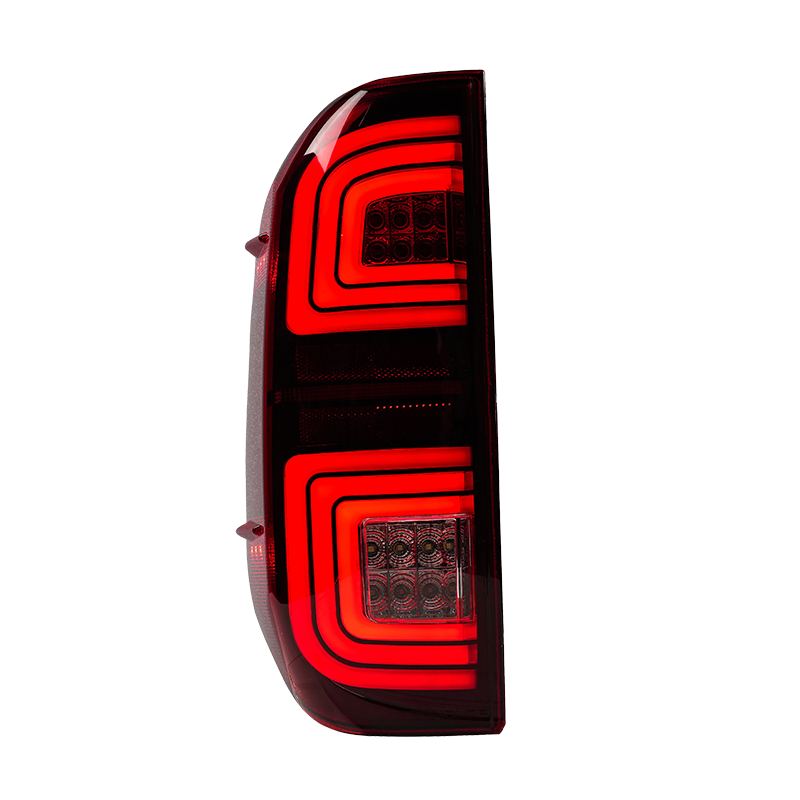
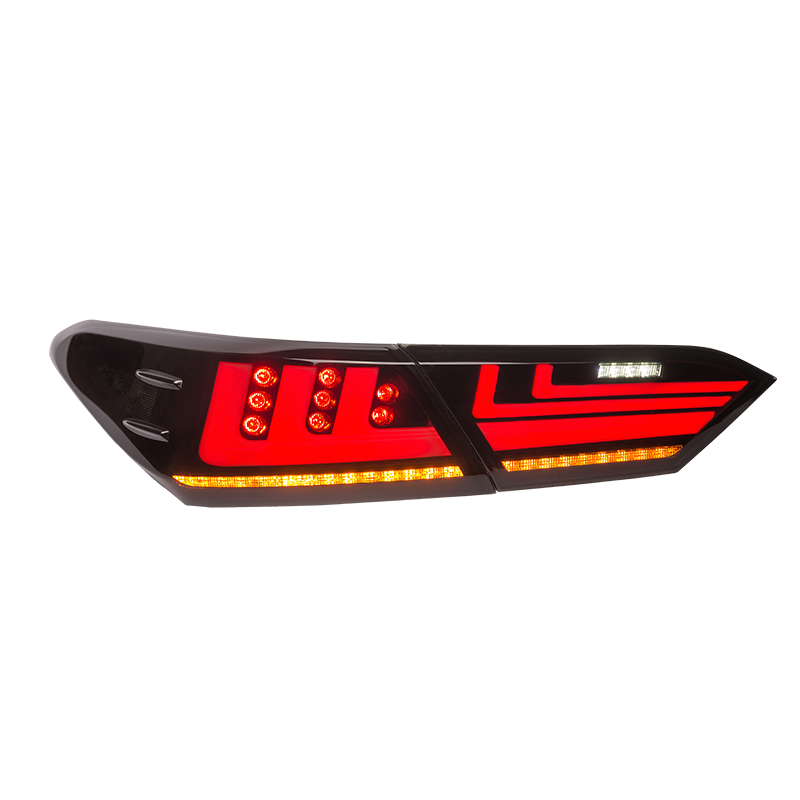
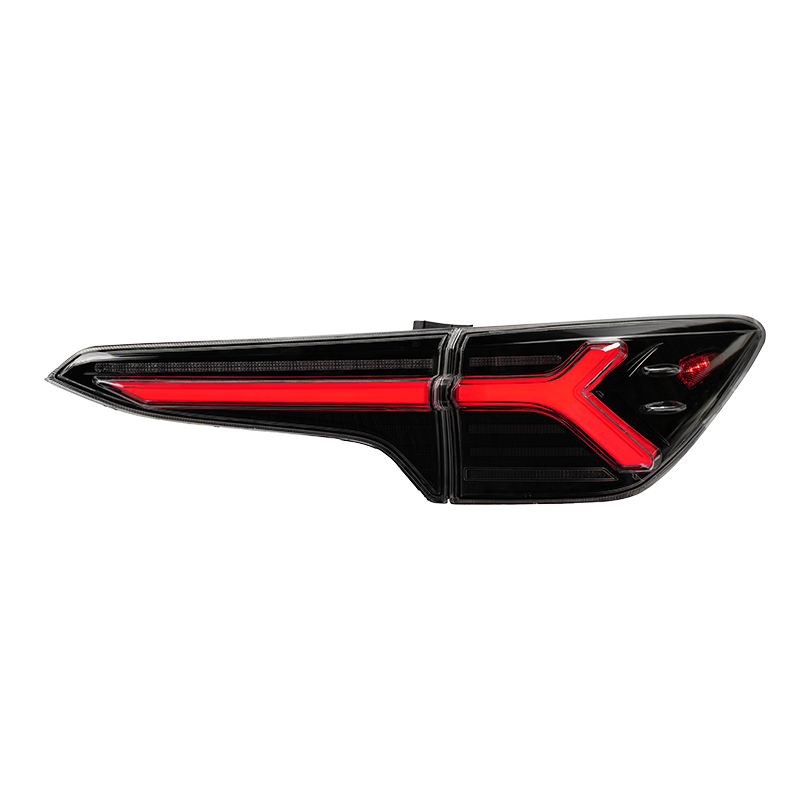
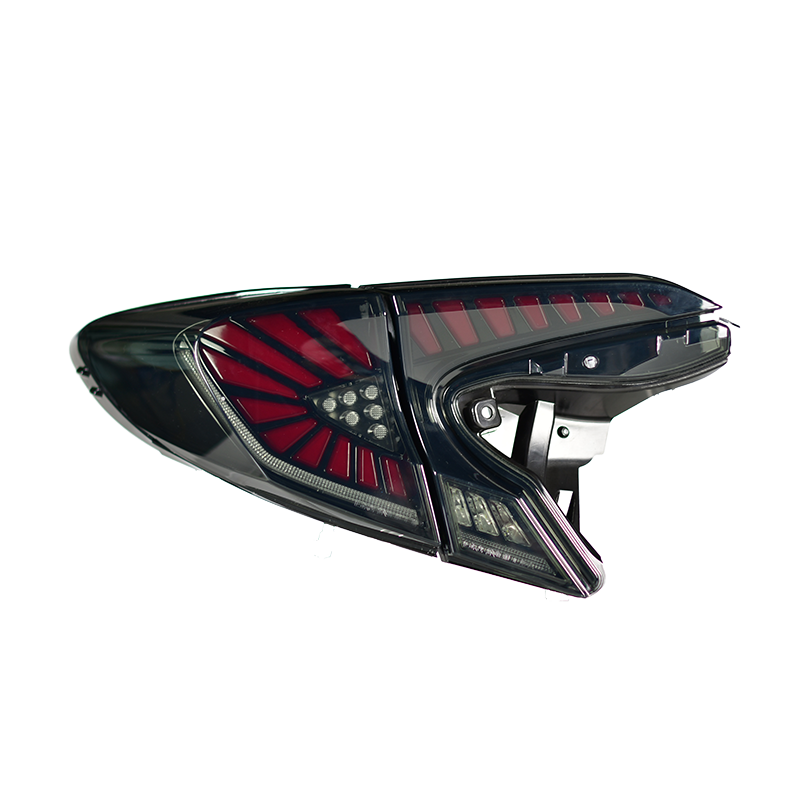
Taizhou Baozhiwei Vehicle Industry Co.,Ltd. has been engaged in commercial vehicle lighting manufacturing for many years, and conversations about durability often begin with practical questions from truck owners rather than from catalog descriptions. When people talk about Led Truck Tail Lights, they are not only talking about brightness. They are asking whether the lights will still work after long days on the road, after heavy rain, after heat and dust and vibration.
In commercial transport, lighting is not decorative equipment. It is part of daily safety. Trucks move through cities, highways, ports, and rural roads. Weather changes quickly. Road conditions vary. The lighting system must remain stable in all of these environments.
For many operators, the interest in Led Truck Tail Lights comes from practical needs. Lower maintenance frequency. Steady light output. Compact structure. But once installed, expectations shift. Owners want to know:
Durability becomes the real topic. Not only how bright the light looks when new, but how it behaves after months of use.
A responsible Led Truck Tail Lights Supplier needs to think in terms of long term performance. Production consistency matters. Material selection matters. Assembly control matters. Small details in structure may determine whether the light continues to function normally under pressure.
Environmental exposure is not a single event. It is continuous. Moisture, heat, shock, dust. All working together. Over time.
Water And Moisture Conditions
Water is the most common concern raised by users. Trucks operate in open environments. Rainfall can be heavy and persistent. During maintenance, vehicles are often washed with strong water pressure. In some areas, roads may temporarily collect water.
In these situations, several questions naturally come up:
Even if direct water does not enter, moisture in the air can create condensation inside the housing when temperature changes between day and night. Drivers sometimes notice fog inside the lens. That is usually a sign that moisture management is not balanced properly.
For Led Truck Tail Lights, sealing must address more than visible water. It must also consider humidity and condensation. Too tight without proper design may trap internal moisture. Too loose may allow external water to penetrate. Finding balance is part of structural planning.
Over time, repeated exposure to wet conditions may affect internal circuits if protection is insufficient. Connectors may corrode. Light output may become unstable. These changes often appear gradually.
Mechanical Vibration And Road Shock
Trucks are rarely driven on perfectly smooth roads. Long distance transport means constant movement. Engine vibration, uneven surfaces, loading impacts. The lighting assembly experiences all of it.
Continuous vibration may lead to:
These effects do not always appear immediately. A light may work normally for a period of time before minor issues begin to show. Slight flickering. Intermittent connection. Small cracks in internal support structures.
Because of this, Led Truck Tail Lights must be designed with internal reinforcement in mind. Stable mounting points help distribute vibration. Secure circuit board positioning reduces movement inside the housing.
A stable structure does not mean heavy or bulky. It means balanced. Components should fit closely. No unnecessary movement. No excessive pressure either. Just stable support that withstands daily road stress.
Sunlight And Temperature Fluctuation
Sun exposure is another long term factor. Trucks often park outdoors. Day after day. Direct sunlight affects both the lens and the housing material.
Without proper material resistance, prolonged exposure may cause:
These changes do not happen overnight. They develop slowly. At first, the difference may be subtle. Later, visibility may be affected.
Temperature fluctuation adds another layer of stress. During operation, internal heat builds up. When the vehicle stops at night, temperatures drop. Materials expand and contract repeatedly.
If seals lose elasticity under temperature stress, gaps may appear over time. If housing materials become brittle, impact resistance may decrease.
For this reason, discussions about Led Truck Tail Lights often include not only brightness but also material durability. Environmental adaptability is closely tied to the quality of outer lens material, housing composition, and sealing components.
Durability begins with structure. A well planned design reduces weak points before the product even reaches the road.
Housing Construction
The housing is the first line of defense. Its shape, thickness, and connection method all influence reliability.
Important aspects include:
If assembly pressure is uneven, certain areas may compress more than others. Over time, uneven compression can reduce sealing effectiveness.
Cable entry points deserve special attention. Wiring must pass through the housing. That opening must remain sealed even under vibration and temperature changes.
Some designs aim to reduce the number of joint lines. Fewer joints mean fewer potential leakage paths. Others focus on making maintenance easier through modular assembly. Each approach has its own balance between convenience and protection.
Waterproof Integrity
Waterproof performance is not achieved through one single element. It is a combination of:
If one part is slightly misaligned, sealing may weaken. Even a small gap can allow moisture to enter under pressure.
| Environmental Pressure | Possible Effect | Structural Consideration |
|---|---|---|
| Heavy rain | Water seepage | Tight edge sealing |
| High pressure washing | Seal stress | Reinforced joint design |
| Road vibration | Loosened parts | Secure mounting structure |
| Sun exposure | Surface aging | Resistant lens material |
| Temperature shift | Seal fatigue | Flexible sealing components |
Resistance To Internal Moisture
Even with strong external protection, internal condensation may still form due to temperature differences. Therefore, some structural designs consider controlled ventilation. The idea is to reduce trapped humidity while preventing direct water entry.
When internal moisture is managed properly:
These factors contribute to the long term performance of Led Truck Tail Lights in real transport conditions.
Water and sunlight are visible challenges. Vibration is less visible, but just as influential. Trucks operate for long hours. Engines run continuously. Roads are not always smooth. Over time, even small repeated movements can affect internal components.
For Led Truck Tail Lights, vibration resistance begins with mounting structure.
Mounting Structure Stability
A tail light is fixed to the rear body of a truck. If the mounting bracket is weak or poorly aligned, movement may occur. That movement, even if slight, can gradually enlarge screw holes or loosen fasteners.
Important considerations include:
If the mounting remains stable, internal stress is reduced. The light does not shake excessively with every bump.
Circuit Board Protection
Inside the housing, electronic components must remain secure. Continuous vibration may cause:
To reduce this risk, internal support structures are often designed to hold the circuit board firmly in place. In some cases, cushioning elements are used to absorb part of the vibration energy.
The goal is not to eliminate vibration entirely. That is not realistic in commercial vehicles. The goal is to prevent vibration from concentrating in one weak area.
Long Term Operation Under Continuous Movement
Durability in real road conditions is measured over time. Minor structural weaknesses may not show immediately. After extended use, however, signs may appear:
Well designed Led Truck Tail Lights aim to maintain consistent illumination despite continuous mechanical stress. Stability is achieved through balanced structural support and careful assembly.
The outer appearance of a tail light is shaped by its lens and housing material. These parts do more than define style. They protect internal components and influence long term clarity.
Outer Lens Material
The lens must allow clear light transmission. Over time, exposure to sunlight and dust can affect surface quality.
Common user concerns include:
Material selection plays an important role here. Resistance to environmental aging helps maintain transparency. A clear lens ensures that signal light remains recognizable from a distance.
Surface treatment may also contribute to scratch resistance. Trucks often operate in environments where dust and debris are present. Minor abrasions are difficult to avoid. Durable surfaces help slow down visible wear.
Housing Materials
Behind the lens, the housing supports the entire structure. It must maintain shape under temperature changes and mechanical stress.
If the housing becomes brittle over time, impact resistance may decrease. Small impacts from loading equipment or road debris can cause cracks.
Material stability under heat is also important. Internal heat from the lighting system combined with external environmental heat can stress the housing. Proper material selection helps reduce deformation.
Seal Material Longevity
Sealing elements are often overlooked, yet they play a key role in environmental protection. Over time, some materials may lose elasticity.
If seals harden or shrink:
Maintaining flexibility under temperature fluctuation is therefore important. Long term elasticity helps preserve sealing performance.
For Led Truck Tail Lights, aging resistance is not about maintaining appearance alone. It directly influences safety and reliability.
When users ask about lifespan, they are usually thinking about maintenance frequency. No one wants to replace lighting units frequently on commercial vehicles.
The service life of Led Truck Tail Lights depends on multiple factors:
Under normal commercial use, stable design and careful production contribute to longer functional periods without interruption.
However, lifespan is not only about whether the light turns on or off. Performance consistency also matters.
Light Decay And Performance Consistency
Over time, gradual brightness reduction may occur. This process is often slow and not immediately noticeable.
Key concerns include:
Consistency is essential for road safety. Even slight reductions in visibility may affect reaction time for drivers behind the truck.
Therefore, stable thermal management and reliable internal components help reduce uneven light output.
Maintenance Frequency Considerations
Fleet operators often look at maintenance from a practical perspective. Fewer replacements mean:
While no lighting system is permanent, balanced design and quality assembly can help extend functional stability. That is why the production process and quality control approach of a Led Truck Tail Lights Supplier become relevant in long term evaluation.
Durability does not depend only on design drawings. It depends on how products are manufactured in reality.
A reliable Led Truck Tail Lights Supplier pays attention to several areas.
Quality Control In Production
Consistency in assembly affects sealing and structural strength. If one unit is assembled with uneven pressure, sealing performance may differ from the next.
Quality control includes:
Small variations during assembly can influence long term performance. Consistency reduces that risk.
Material Selection Responsibility
Material choice directly affects aging resistance and structural integrity. A supplier must evaluate whether materials are suitable for commercial vehicle conditions.
Considerations include:
Short term cost reduction may lead to long term reliability issues. Balanced material selection supports steady performance.
Long Term Reliability Over Short Term Cost Reduction
Fleet operators often compare products not only by price but by how they perform over time. A lighting unit that requires frequent replacement may increase overall operational effort.
Therefore, a thoughtful production approach emphasizes structural balance, stable materials, and consistent assembly. Durability becomes part of product value rather than an added feature.
When evaluating Led Truck Tail Lights, buyers often focus on visible aspects first. Brightness. Appearance. Size.
However, durability related questions are equally important:
Asking these questions helps buyers move beyond surface evaluation. Environmental adaptability is not always obvious in the first inspection. It reveals itself over extended use.
For fleet owners, stable lighting contributes to smoother operations. Reduced replacement frequency means less interruption. Clear signal visibility supports road safety.
Durability is rarely defined by one single feature. It is shaped by structure, materials, assembly, and production control working together.
In daily transport environments, where vehicles face rain, heat, vibration, and dust, Led Truck Tail Lights are expected to perform steadily. A supplier that understands these real world conditions will design and produce lighting systems with long term adaptability in mind.
We are a modern headlight manufacturer that integrates R&D, design, production and sales. We mainly produce headlamps, taillights, daytime running lights and other automotive lighting products.
Add: No.3 Shiyang Road, Ningxi Town, Huangyan District, Taizhou City, Zhejiang Province, China
Tel: +86-13105675552 / +86-15606586299
Fax: +86-576-89161556
E-mail: [email protected]
Copyright © Taizhou Baozhiwei Vehicle Industry Co.,Ltd. All Rights Reserved.

 English
 русский
 Español