Call us

Distributors, fleet suppliers, repair shops—everyone in the parts game is trying to keep replacement costs from eating the margin. And tail lights? They move. Collisions, cracked lenses, electrical problems, moisture getting in, or just plain wear. When demand keeps rolling in, bulk buying sounds like the obvious fix. But bigger orders don't automatically mean lower costs. Plenty of things can eat the savings: unit price, freight, how quickly stock moves, whether the part even fits, warranty terms, storage. So before anyone goes and orders a warehouse full, it's worth looking at the whole cost picture.
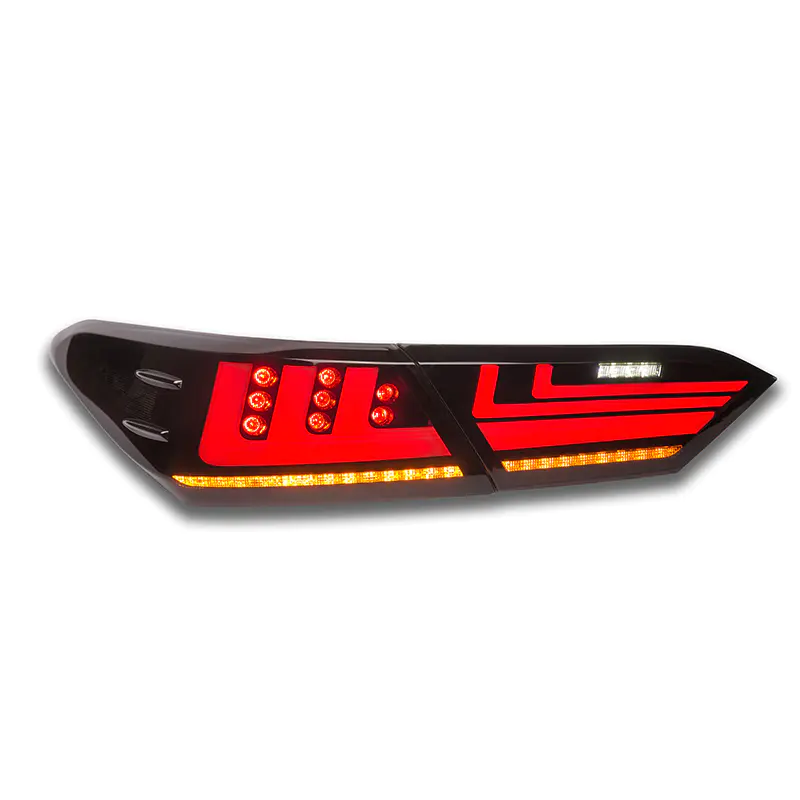
What Makes Up the Total Tail Light Change Cost?
Let's back up. What are you actually paying for? The part itself, shipping, labor if installation's in the mix, inventory handling, possible warranty or return costs. And if you're a distributor selling to shops or fleets, your cost structure is different from a car owner paying for one repair.
Cost pieces worth tracking:
Bulk buying mostly attacks purchase and logistics costs. Whether it's worth it depends on whether those savings outweigh the cost of holding more stock.
How Bulk Purchasing Can Reduce Unit Costs
Suppliers often cut prices on volume because bigger orders make production planning, packaging, and order processing easier on their end. Buy 500 assemblies instead of 50, and the per-unit price can drop. How much? Depends on the supplier, demand, manufacturing needs, and whatever you negotiate.
There's also less admin per unit. One purchase order, one invoice, one inspection, one inbound shipment—instead of repeating all that for every small order. But compare real quotes, not just the headline price. A lower unit price means nothing if the product doesn't meet quality, fitment, and performance specs.
How Bulk Buying Can Lower Shipping and Handling Expenses
Freight is a bigger deal than people think, especially for international shipments or anything needing protective packaging. Multiple units in one shipment spread the fixed logistics cost across more products. Customs processing, receiving, warehouse deliveries—all less frequent.
Quick example. These numbers are just for illustration, not actual market quotes.
| Cost item | Small order of 50 units | Bulk order of 500 units |
|---|---|---|
| Unit purchase price | $32 | $28 |
| Product subtotal | $1,600 | $14,000 |
| Freight and handling | $240 | $900 |
| Total landed cost | $1,840 | $14,900 |
| Landed cost per unit | $36.80 | $29.80 |
Here the bulk order drops landed cost per unit by $7, about 19%. Your results will vary with shipping arrangements, packaging size, taxes, and supplier pricing. And always quote on complete landed cost, not the advertised unit price.
Why Product Compatibility and Quality Affect Replacement Costs
A cheap price turns expensive if the lights don't fit or die early. Tail lights differ by make, model, year, trim, connector setup, lighting tech. Some vehicles use different assemblies for left and right, or different markets. Order a big batch without checking, and you're stuck with slow-moving stock and returns.
Before committing:
Samples first, if you can. Housing quality, lens clarity, sealing, mounting points, connector fit, lighting function. For high-volume supply, put quality requirements and inspection procedures in writing.
When Bulk Buying May Increase Total Costs
Bulk buying shines when demand is predictable. Buy too many for a slow-selling model and that stock sits. Months. Maybe years. Cash locked up, warehouse space gone, and if vehicle demand shifts, good luck moving it. Product revisions or application changes can tank the value further.
So look at historical sales, customer forecasts, seasonal patterns, and how many vehicle applications each SKU covers.
| Purchasing factor | Potential bulk-buying benefit | Risk to evaluate |
|---|---|---|
| Volume discounts | Lower purchase price per unit | Minimum order quantities may be too high |
| Consolidated shipping | Lower freight cost per unit | Large shipments may require more storage |
| Fewer purchase orders | Reduced administration | More capital tied up in inventory |
| Improved stock availability | Faster order fulfillment | Slow-moving SKUs may accumulate |
| Supplier agreements | More predictable pricing | Dependence on one supplier may increase |
A balanced plan: bulk for high-demand products, smaller and more frequent buys for the unpredictable stuff.
How Distributors Can Calculate the Real Savings
Want to know if a bulk order actually lowers tail light change cost? Figure out total cost per sellable unit.
Total landed cost per unit = (Product cost + Freight + Duties + Receiving costs) ÷ Sellable units received
Then add inventory carrying costs, expected defect expenses, and anything else that differs between options. For a fuller picture, estimate annual demand and inventory turnover. A lower landed cost doesn't help if the stock goes obsolete before it sells. Payment terms matter too—extended supplier credit helps cash flow, paying upfront for a big order can strain it. Get quotes at several quantities and compare total annual cost under realistic sales forecasts.
Build a More Cost-Effective Tail Light Supply Strategy
Bulk purchasing works when reliable suppliers, accurate forecasting, and disciplined inventory management are behind it. Negotiate tiered pricing. Ask for consolidated shipping. Review warranty terms. Set reorder points for fast movers. And keep an eye on supplier performance—delivery reliability, defect rates, return frequency, spec consistency.
Worth discussing: scheduled deliveries or blanket purchase agreements. These can give volume pricing while letting products arrive in smaller shipments, depending on what the supplier can do and what the contract says. The whole point is supplying the right tail light at the right time without drowning in inventory risk.
Making Bulk Buying Work for Your Business
Bulk buying can lower tail light change cost through volume discounts, consolidated shipping, and less purchasing admin. The gains tend to show up when demand is stable, product compatibility is documented, and suppliers keep quality consistent.
Before bumping up order quantities, compare landed costs, forecast sales, check storage capacity, assess working capital. A purchasing strategy built on data helps distributors grab volume savings while protecting cash flow, cutting returns, and keeping product availability where it needs to be.
We are a modern headlight manufacturer that integrates R&D, design, production and sales. We mainly produce headlamps, taillights, daytime running lights and other automotive lighting products.
Add: No.3 Shiyang Road, Ningxi Town, Huangyan District, Taizhou City, Zhejiang Province, China
Tel: +86-13105675552 / +86-15606586299
Fax: +86-576-89161556
E-mail: [email protected]
Copyright © Taizhou Baozhiwei Vehicle Industry Co.,Ltd. All Rights Reserved.

 English
 русский
 Español