Call us

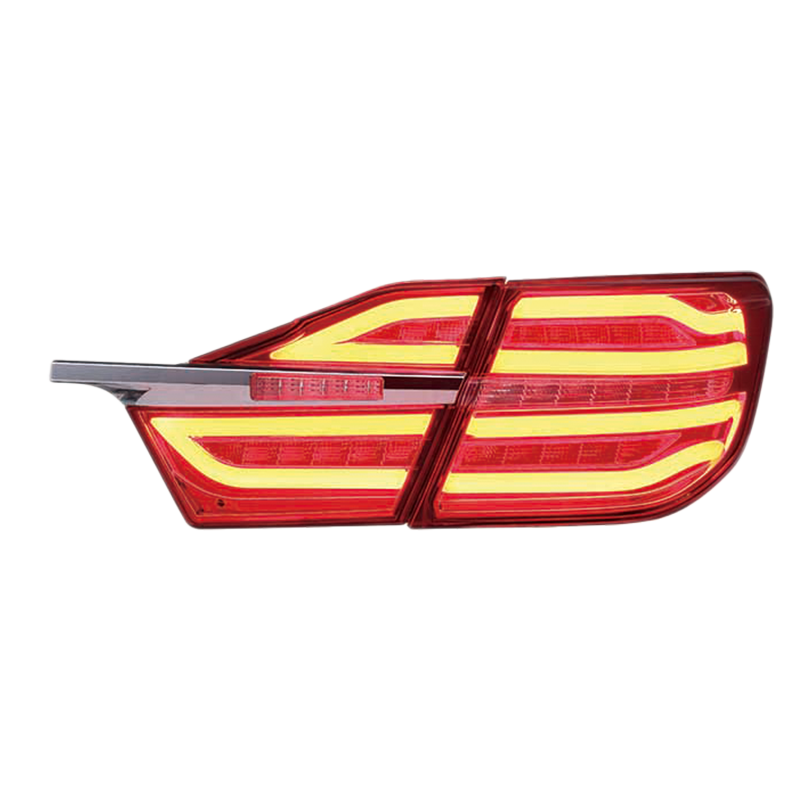
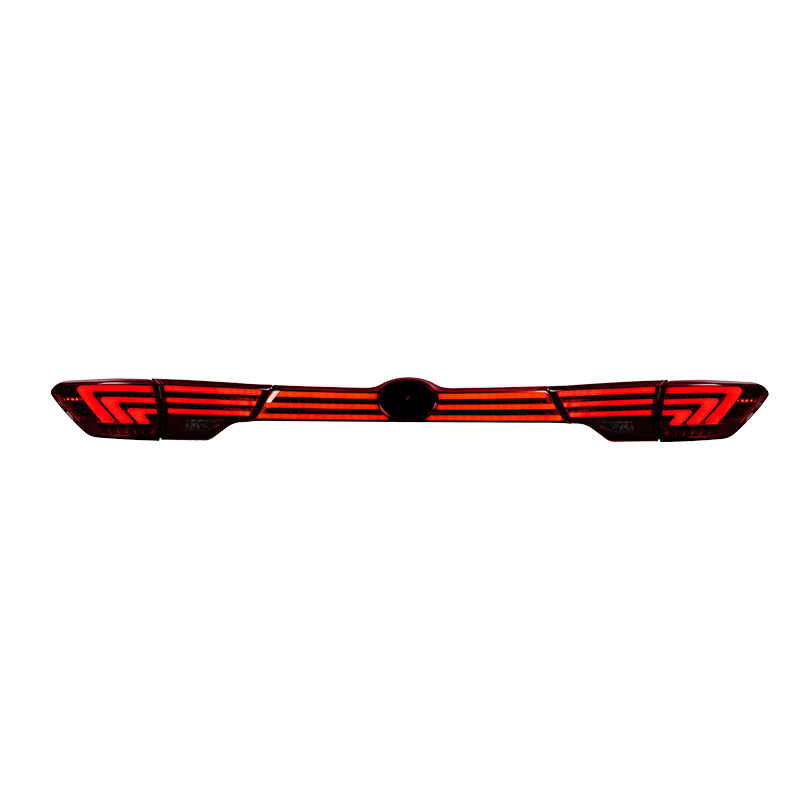
The rear lights of a vehicle used to have a fairly straightforward purpose. They showed other drivers where the vehicle was, indicated when it was braking, and signaled a change of direction. LED technology has changed what manufacturers can do with this relatively small part of a vehicle. Today, different sections of a tail lamp can be controlled independently, creating lighting patterns that respond to driver actions and vehicle conditions.
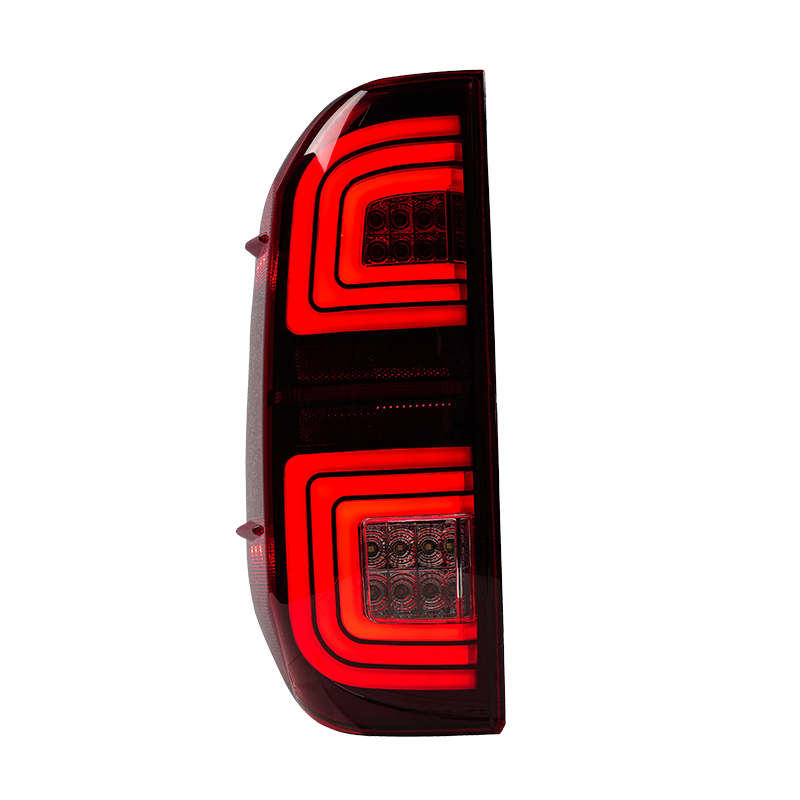
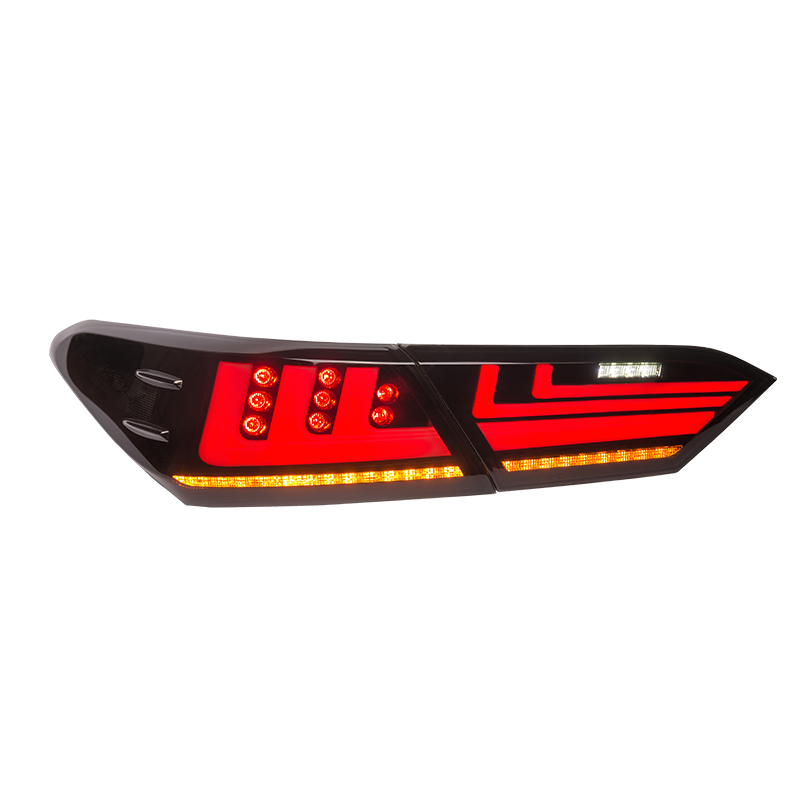
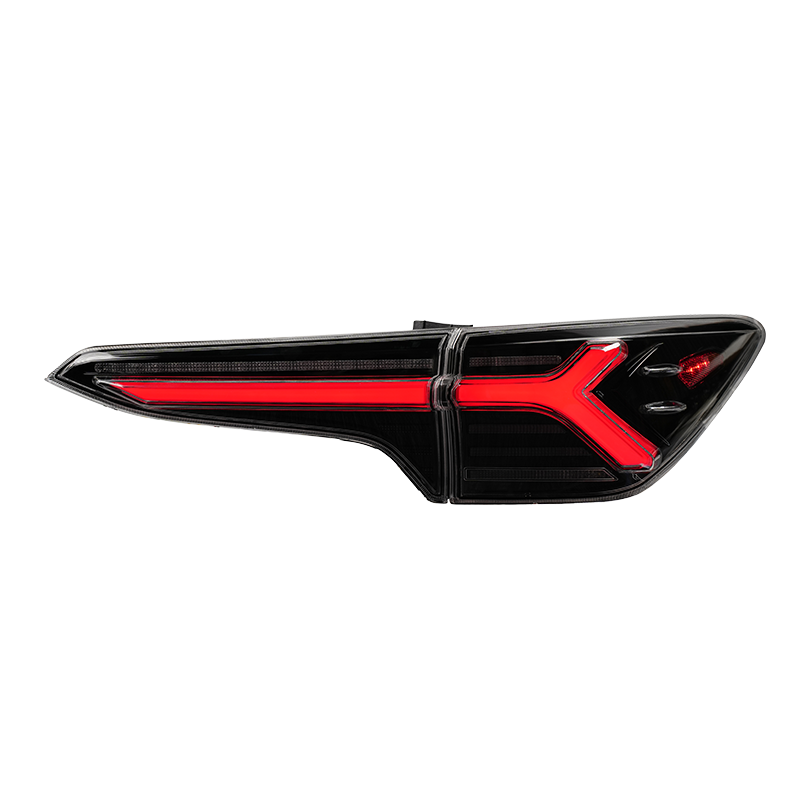
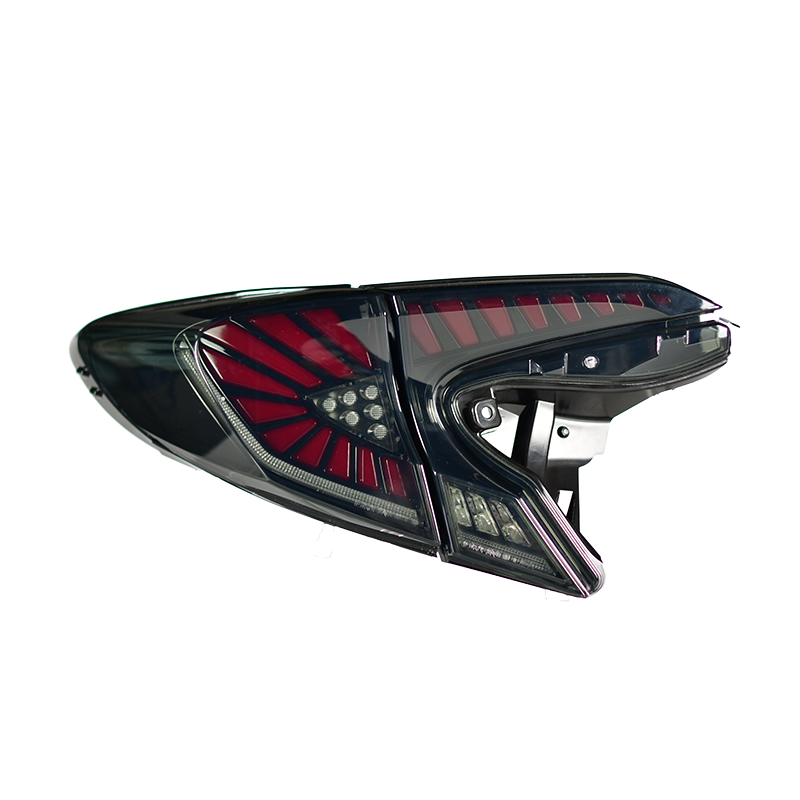
This change is not just about appearance. A well-designed Vehicle Tail Lamp can make certain driving actions easier to recognize and give manufacturers more freedom when designing a vehicle's exterior. The challenge is making these features useful without making the signals confusing or introducing problems with reliability and regulatory compliance.
How Smart Lighting Technology Changes Traditional Tail Lamps
Traditional tail lamps use relatively simple lighting circuits. When the driver brakes, the brake lights illuminate. When the turn signal is activated, the indicator flashes. These functions are familiar and easy for other road users to recognize.
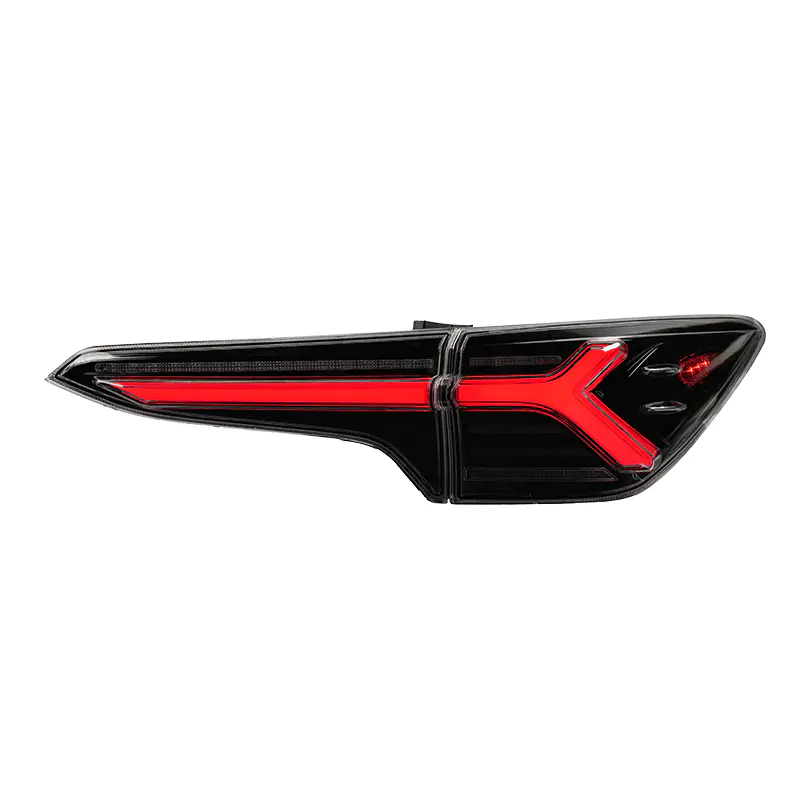
LED-based systems allow manufacturers to arrange the light source into multiple independently controlled sections. Instead of switching an entire lamp on or off, the control unit can illuminate selected segments in a particular order. This is how sequential turn signals and some dynamic lighting effects are produced.
Some newer designs also use information from the vehicle's electronic systems to adjust lighting behavior. For example, brake-related signals may change according to the vehicle's braking status, depending on the system design and local regulations.
The added flexibility is useful, but there is a practical limit. Other drivers need to understand what a lamp is communicating at a glance. Complicated animations or unfamiliar signals can create confusion rather than improve communication.
Interactive Lighting Features That Improve Vehicle Communication
Several lighting functions are already being used or developed for modern vehicles.
Dynamic turn signals illuminate in sequence to show the direction in which the vehicle intends to turn. Rather than flashing every section at once, the light moves along the indicator in a defined direction. Its timing and appearance still need to comply with the lighting regulations of the target market.
Adaptive brake lights can respond to changes in braking conditions. Some systems use a different or more noticeable signal during emergency braking, where local regulations allow it. The aim is to make a sudden reduction in speed easier for following drivers to notice.
Welcome and departure lighting is more closely related to the owner's experience. When the vehicle is unlocked or approached, the rear lights may display a short illumination sequence. Manufacturers also use these effects to give particular models a recognizable appearance.
Other communication-oriented lighting functions are being explored, including signals that could provide additional information to nearby road users. Such features need careful development. Extra colors, symbols, and animated patterns cannot be introduced without considering whether they are permitted and whether people will interpret them correctly.
Key Technologies Behind Interactive Vehicle Lighting
The visible lighting effect is only one part of the system. Several components work together behind the lens.
LEDs make segmented lighting possible. They switch quickly and can be arranged in compact groups, allowing different parts of the tail lamp to produce separate signals.
The lighting control unit determines how these LEDs operate. It controls brightness, timing, and the sequence in which individual sections illuminate. The software also allows the lamp to respond to commands from other vehicle systems.
Those commands may come through vehicle networks or sensor inputs. Brake signals, vehicle speed, steering information, and outputs from driver assistance systems can all provide information used by the lighting controller.
Then there is the optical structure. Lenses, reflectors, and light guides determine how the light appears from outside the vehicle. Even when the LEDs work correctly, poor optical design can result in uneven illumination or limited visibility at certain viewing angles.
Comparing Traditional and Smart Tail Lamp Systems
| Feature | Traditional system | Smart lighting system |
|---|---|---|
| Light source | Incandescent or basic LED | Advanced LED modules |
| Signal pattern | Fixed illumination | Programmable patterns |
| Control method | Basic electrical circuits | Electronic control units |
| Communication | Standard lighting signals | Additional approved visual functions |
| Design flexibility | Relatively limited | High, with segmented lighting |
| Integration | Basic vehicle connections | Greater integration with vehicle networks |
The main difference is the level of control. Smart systems allow manufacturers to change how individual light sections behave, but this flexibility comes with additional electronics, software, and testing requirements.
Engineering Challenges in Smart Tail Lamp Development
Adding lighting functions also adds potential failure points. LEDs need to remain visible in direct sunlight, rain, fog, and darkness. Their output must also be consistent when viewed from different positions behind the vehicle.
Heat can become an issue inside a compact housing. LED modules and electronic controllers generate heat during operation, and poor thermal management may affect their performance over time. Manufacturers need to consider heat dissipation when choosing housing materials and arranging internal components.
The rear of a vehicle is exposed to water, dust, vibration, and regular temperature changes. Seals, connectors, circuit boards, and optical materials must withstand these conditions throughout the vehicle's service life.
Software faults require attention as well. Incorrect signal timing or a communication problem may cause the lighting system to behave unexpectedly. Testing should cover electrical performance, electromagnetic compatibility, environmental resistance, and applicable functional safety requirements.
How Automotive Manufacturers Can Select the Right Lighting Solution
A lighting system that suits one vehicle may not fit another. Its design depends on the vehicle's electronic architecture, available installation space, target market, and production requirements.
| Evaluation area | Important considerations |
|---|---|
| Regulatory compliance | Approved colors, brightness, positioning, and signal patterns |
| Optical performance | Visibility, uniformity, and viewing angle |
| Electronics | Controller reliability and vehicle network compatibility |
| Environmental resistance | Water, dust, vibration, and temperature testing |
| Manufacturing | Assembly precision, repeatability, and quality control |
| Maintenance | Diagnostics, replacement costs, and repair accessibility |
It is worth involving lighting engineers and electronic system suppliers early in vehicle development. Changes made late in the project can affect wiring, control software, housing dimensions, and production costs. Regulatory specialists should also review the proposed lighting functions before the design is finalized.
Prototype testing needs to cover more than whether the lamp switches on. Manufacturers should check signal visibility under different lighting conditions and confirm that the same behavior is maintained across production samples.
The Future of Interactive Vehicle Tail Lamp Systems
Rear lighting is gradually becoming more connected to other vehicle systems. Driver assistance technology and connected vehicle platforms may allow tail lamps to respond to a wider range of driving conditions. Adaptive warning signals and vehicle-to-vehicle communication are among the areas being explored.
There are still practical questions to resolve. New signals need common standards, regulatory approval, and testing to establish whether other road users can understand them quickly. Adding more information is not necessarily useful when drivers have only a moment to react.
For automotive manufacturers, the direction is clear, but development needs to remain focused on actual driving needs. A smart Vehicle Tail Lamp should communicate vehicle actions clearly, work reliably in everyday conditions, and fit the safety requirements of the market where the vehicle is sold.
We are a modern headlight manufacturer that integrates R&D, design, production and sales. We mainly produce headlamps, taillights, daytime running lights and other automotive lighting products.
Add: No.3 Shiyang Road, Ningxi Town, Huangyan District, Taizhou City, Zhejiang Province, China
Tel: +86-13105675552 / +86-15606586299
Fax: +86-576-89161556
E-mail: [email protected]
Copyright © Taizhou Baozhiwei Vehicle Industry Co.,Ltd. All Rights Reserved.

 English
 русский
 Español