Call us

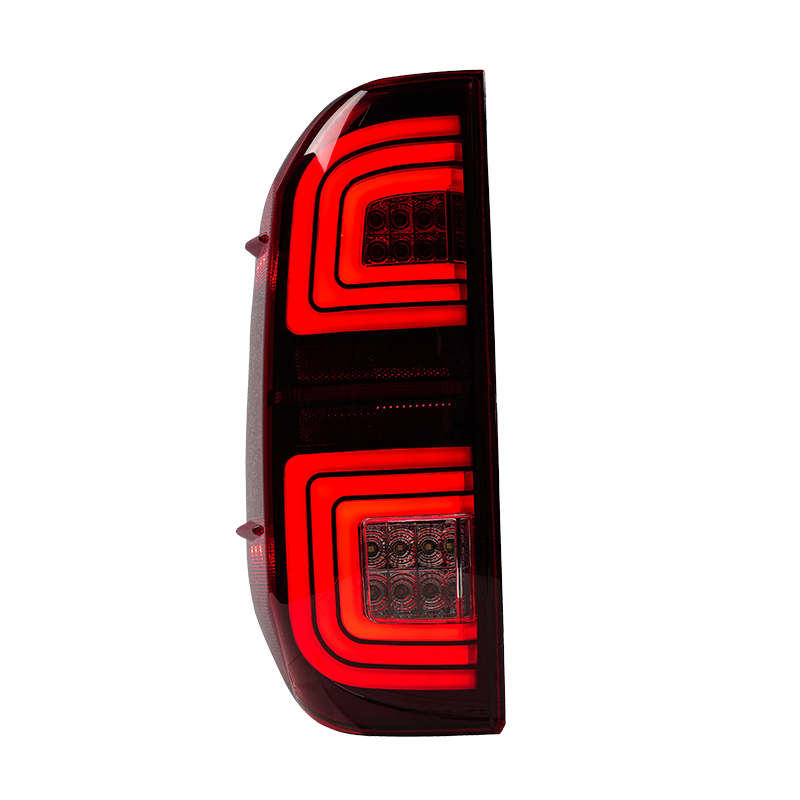
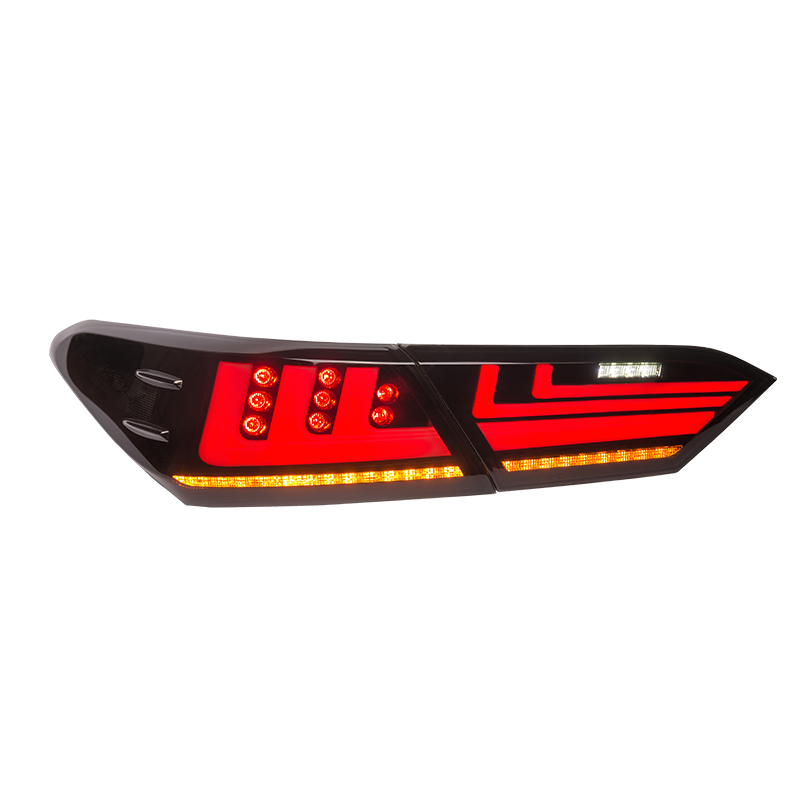
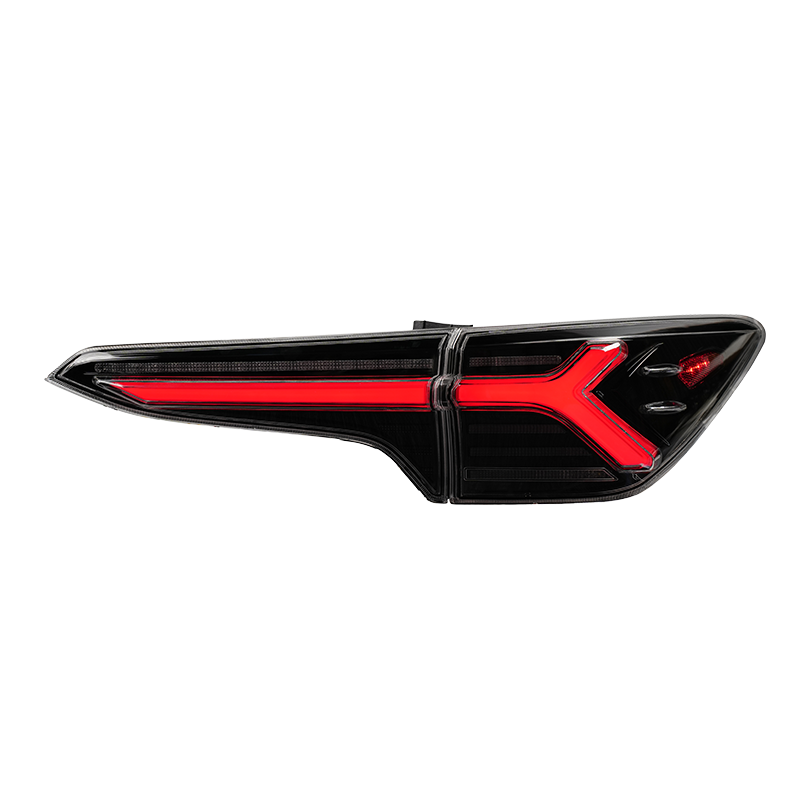
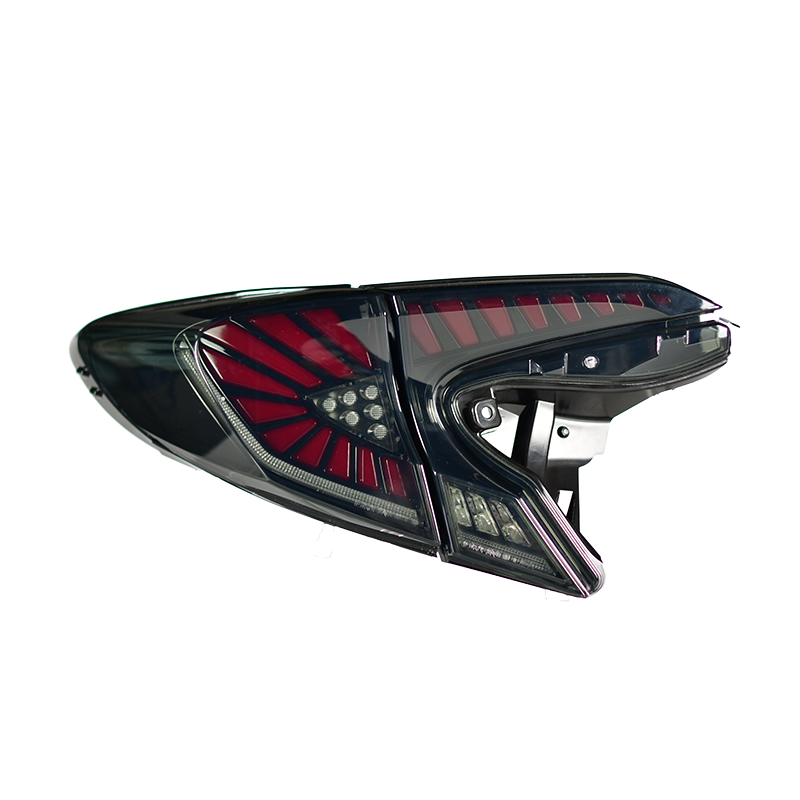
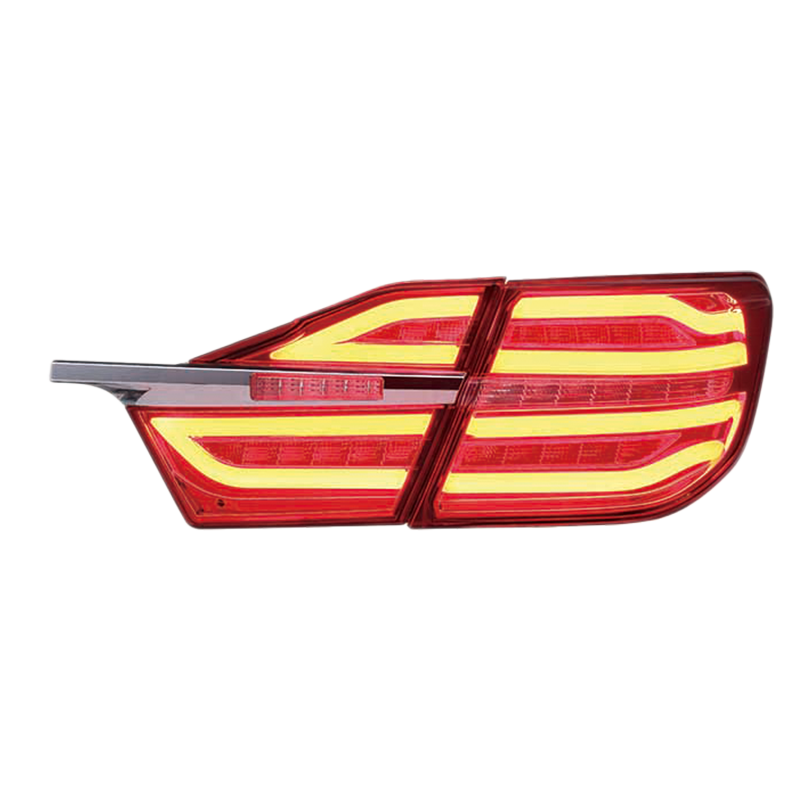
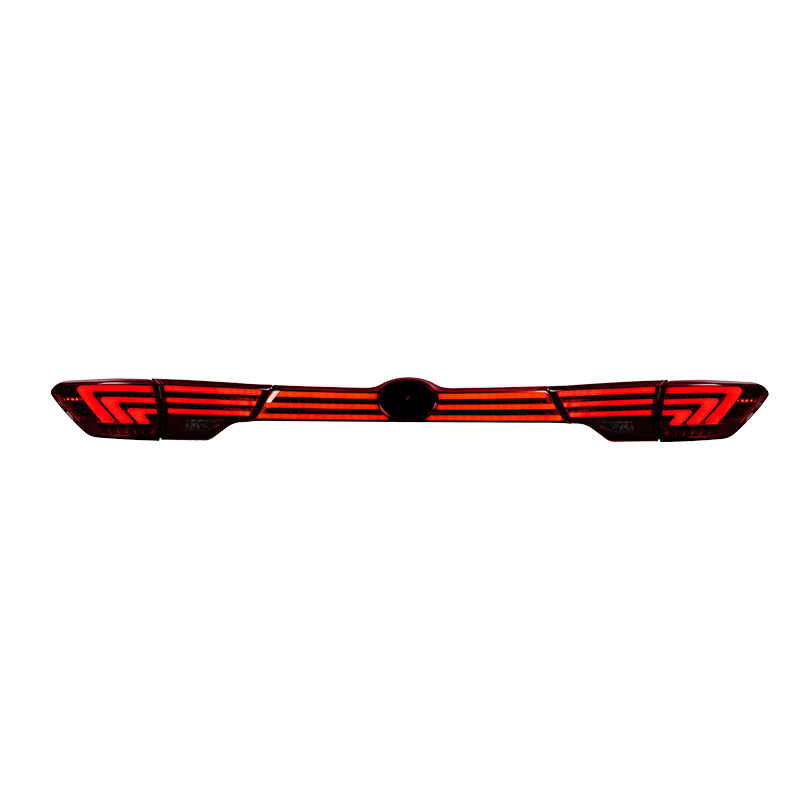
Automotive tail lights take a beating. Years of sun, temperature swings, rain, road grime. Through all that, they still need to look red, stay visible, and not fall apart. For manufacturers, distributors, parts buyers—Tail Light Red products have to hold up. Color stability comes down to lens material, pigment formulation, UV stabilizers, protective coatings, manufacturing quality. Nothing survives everything. But a well-engineered red tail light can keep its appearance and function when it's designed and tested for the real conditions it'll face.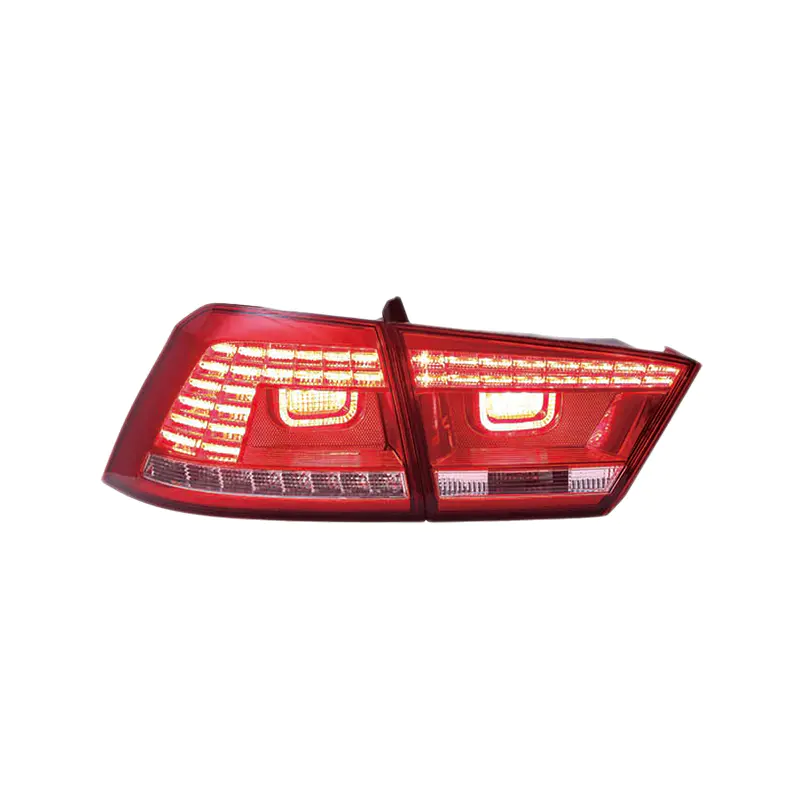
How UV Exposure Causes Red Tail Light Fading
Sunlight degrades polymers and colorants over time. Red lenses fade, discolor, go hazy, crack on the surface. Polycarbonate is common for automotive lenses—decent impact resistance, flexible design. Long-term outdoor performance depends on grade, additives, surface protection. Red colorants? They vary a lot in light resistance. A pigment that looks great on day one may not hold that look after years of sun. Manufacturers can improve stability by picking UV-resistant colorants, adding stabilizers, applying compatible protective coatings. Those measures slow degradation. But you still have to verify performance under appropriate test conditions.
Which Materials Help Tail Light Red Products Resist Weathering?
Lens material and color formulation drive long-term durability. Look at the complete system: red colorant, UV protection, surface coating, the interface between lens and housing.
| Material or design feature | Primary function | Benefit for color stability |
|---|---|---|
| UV-resistant red colorants | Provide the required lens color | Help reduce fading and color shifts |
| UV stabilizers | Limit certain forms of UV-related degradation | Support longer-lasting material appearance |
| Protective surface coatings | Protect the lens surface where specified | Can reduce weathering, surface damage, and hazing |
| Weather-resistant lens polymers | Provide the main optical and structural body | Help maintain lens integrity during outdoor use |
| Consistent molding and material control | Maintain uniform material composition and thickness | Reduce variation between production batches |
Match materials to the product design and application. A coating alone won't guarantee durability. UV stabilizers can't prevent every type of environmental damage. For bulk purchasing, request technical info: lens material, color formulation where available, UV protection or weathering performance claims backed by testing.
How Harsh Weather Affects Red Tail Light Performance
UV is one piece. Outdoor automotive parts also face rain, humidity, temperature cycling, road salt, dust, cleaning chemicals. Heat and cold make materials expand and contract. Over time, bad material combinations or weak spots cause stress, cracking, fit changes. Moisture can get into the whole lamp assembly. Housing seals or joints fail, water enters, condensation forms, electrical contacts corrode. Those failures don't always start in the red lens—which is why the complete assembly needs evaluation. Road salt, oils, detergents, cleaning products damage certain coatings or surfaces when materials don't get along. Manufacturers should assess chemical resistance based on expected exposure. Provide cleaning guidance. A durable Tail Light Red product needs suitable optical materials, reliable assembly construction, environmental resistance for real driving conditions.
Which Tests Can Verify UV and Weather Resistance?
Claims need repeatable testing behind them. Accelerated weathering tests evaluate how materials respond to controlled UV, heat, moisture. Depending on product and test plan:
Standards like ISO 4892 or relevant automotive weathering methods may apply. The right method depends on product, market, performance claim. Accelerated testing helps compare materials. It doesn't give you a guaranteed number of years in service. Real aging depends on sunlight intensity, climate, installation angle, vehicle use, maintenance.
How Buyers Should Evaluate Color Consistency Before Bulk Orders
For distributors and OEM buyers, check initial appearance and expected long-term performance. Define required red color, lens material, optical specs, intended vehicle application. Ask the supplier for product drawings, material specs, weathering or photometric test reports. Review samples for uniform color, molding defects, scratches, haze, unit-to-unit differences. Larger orders? Compare samples from different production batches.
A practical supplier checklist:
| Verification item | What to request or inspect |
|---|---|
| Color consistency | Approved color reference and batch inspection records |
| UV resistance | Applicable weathering test reports |
| Lens quality | Inspection for haze, cracks, scratches, and molding defects |
| Functional performance | Relevant optical and photometric test documentation |
| Environmental protection | Evidence supporting applicable moisture and weather resistance claims |
| Regulatory suitability | Documentation for the intended vehicle application and destination market |
Confirm reports apply to the actual lens material and production design you're buying. Testing on a different color formulation or unrelated material grade doesn't establish equivalent performance.
How Proper Maintenance Helps Preserve Color and Appearance
Even well-designed lenses need care. Remove dirt and road residue with cleaning products approved for the lamp material. Skip abrasive pads, aggressive solvents, unapproved polishing compounds—they scratch or damage protective coatings. Inspect periodically for fading, cracks, surface haze, moisture inside the housing. Lens damaged or visibility impaired? Follow the vehicle manufacturer's replacement guidance. Maintenance won't reverse UV aging. But sensible cleaning prevents avoidable surface damage and helps preserve appearance.
Choosing Tail Light Red Products for Long-Term Reliability
Reliable red tail light products combine suitable lens materials, stable colorants, effective UV protection, sound assembly design, documented performance testing. Weigh those against optical compliance, environmental durability, supplier quality control. Before a bulk order, review technical documentation and compare representative samples. That approach helps distributors and automotive manufacturers pick products that hold color and lighting performance under the conditions they'll actually face.
We are a modern headlight manufacturer that integrates R&D, design, production and sales. We mainly produce headlamps, taillights, daytime running lights and other automotive lighting products.
Add: No.3 Shiyang Road, Ningxi Town, Huangyan District, Taizhou City, Zhejiang Province, China
Tel: +86-13105675552 / +86-15606586299
Fax: +86-576-89161556
E-mail: [email protected]
Copyright © Taizhou Baozhiwei Vehicle Industry Co.,Ltd. All Rights Reserved.

 English
 русский
 Español