Call us

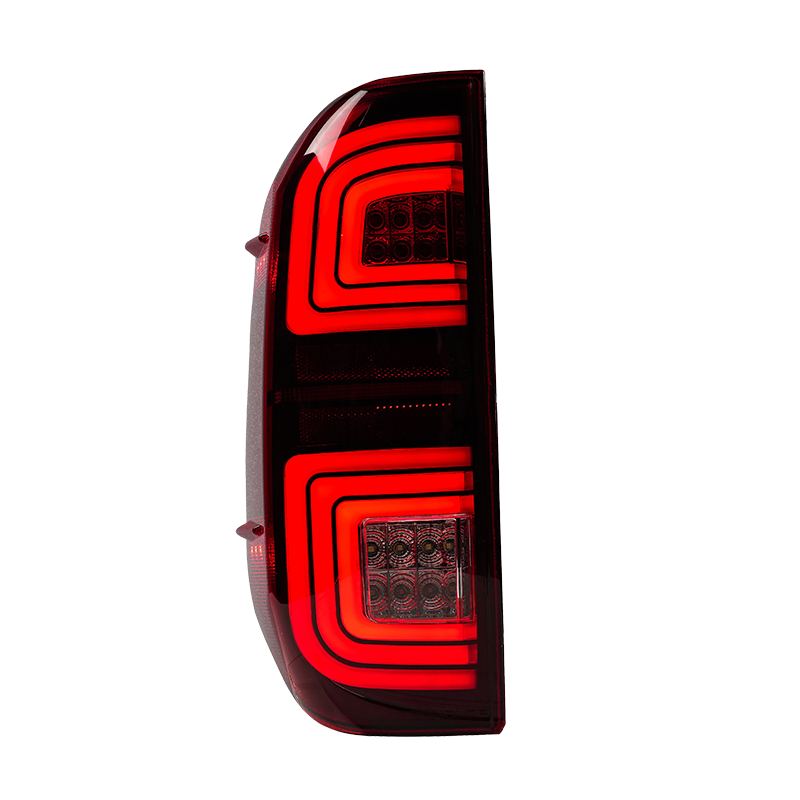
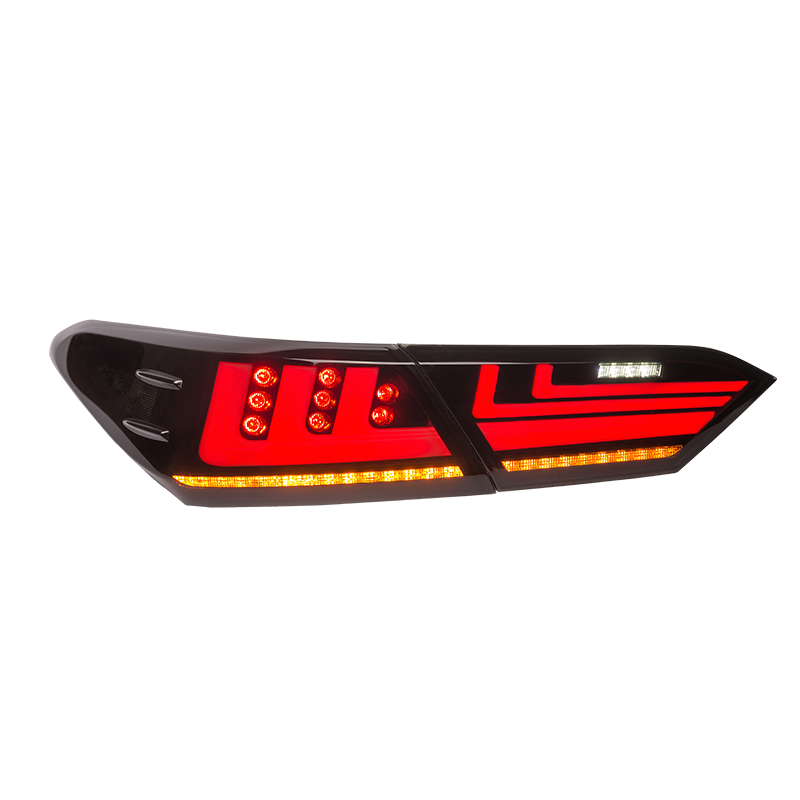
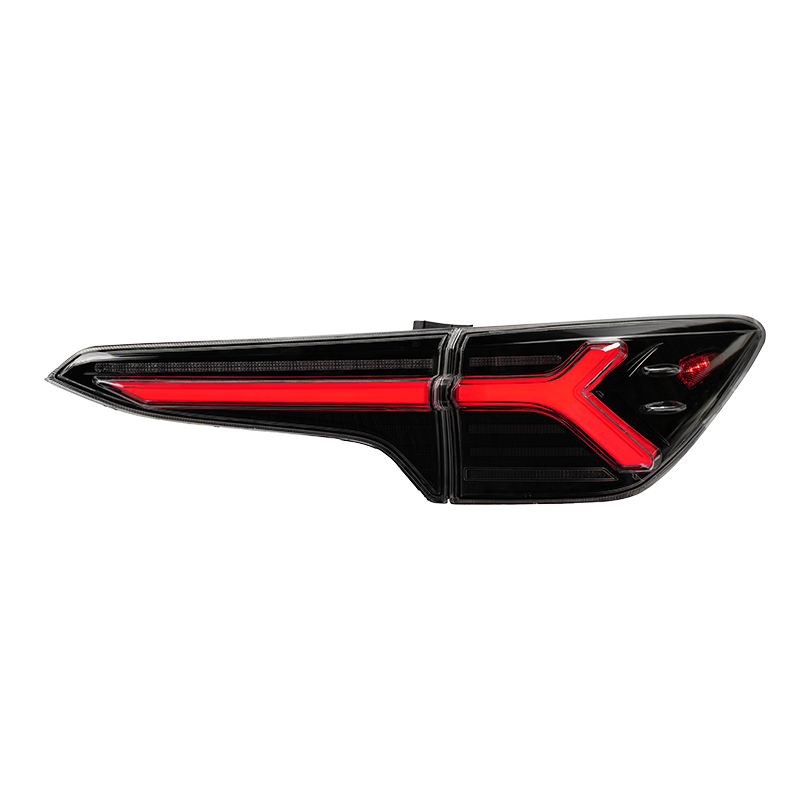
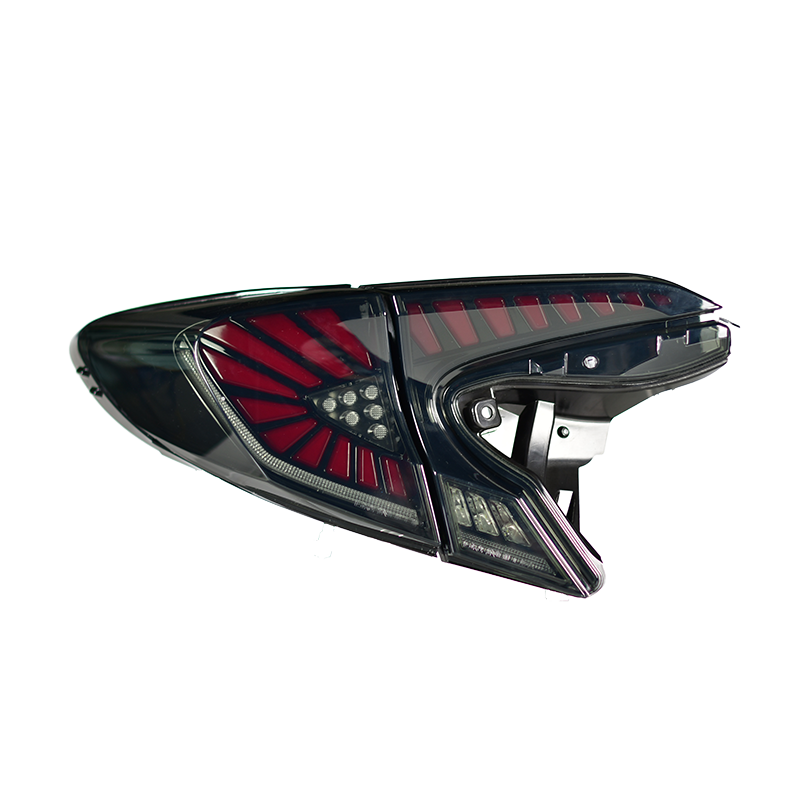
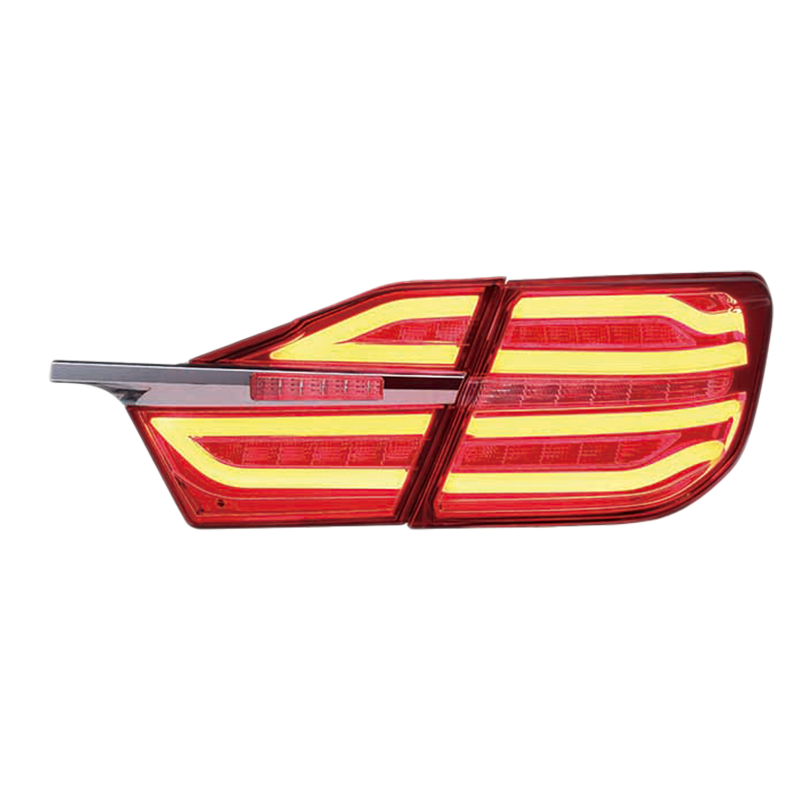
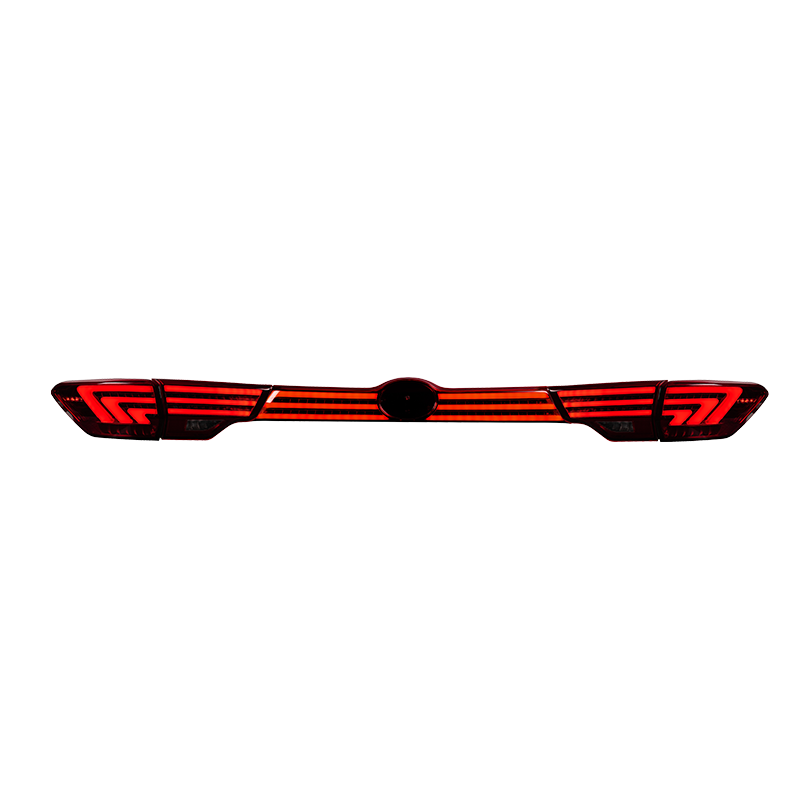
Yellowed tail light lenses are one of those problems that creep up slowly - the change happens over months, and by the time it is obvious, the lenses are well past the point where a quick wipe will make any difference. If you are dealing with cloudy, amber-tinted covers on your vehicle, you already know that soap and water do not touch it. The underlying issue is material degradation, not surface dirt, and understanding that distinction is what determines whether restoration is worth attempting or whether replacement with Custom Car Led Tail Lights is the more practical path forward.
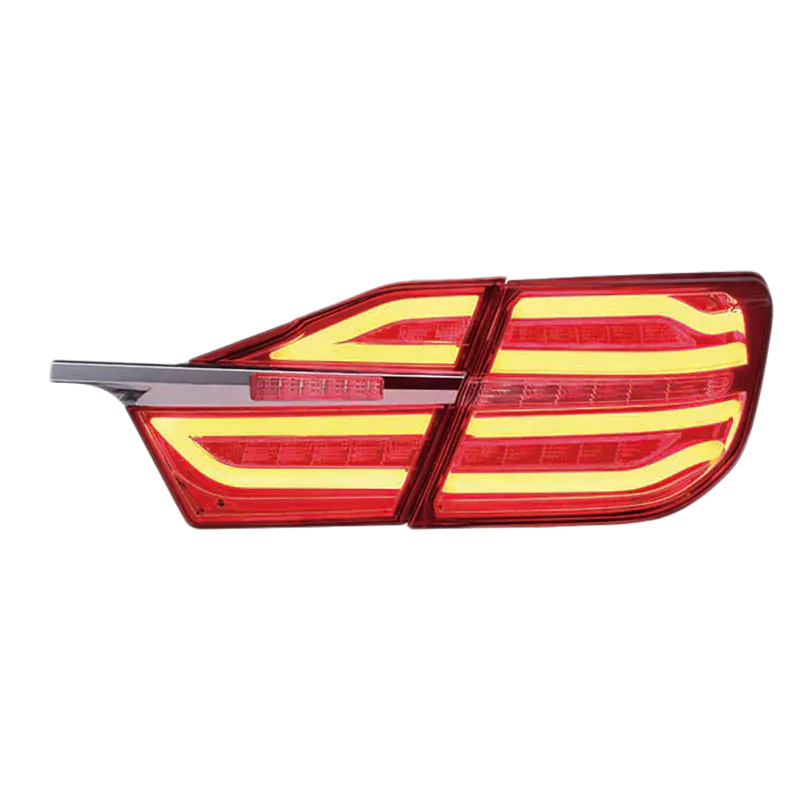
Most automotive tail light lenses are made from polycarbonate - a tough, lightweight plastic chosen for its clarity and impact resistance. The problem is that polycarbonate reacts to prolonged ultraviolet radiation. UV energy breaks down the polymer chains at the surface, causing the material to oxidize and take on a yellow or amber appearance.
This is a chemical change, not contamination. The yellowing happens from the outside of the lens inward, which is why polishing can sometimes restore clarity - but only if the degradation has not penetrated too deeply.
A vehicle parked outdoors through seasons of temperature swings experiences repeated expansion and contraction in the lens material. Over time, this mechanical stress opens microscopic cracks in the surface where oxidation can penetrate more deeply. Lenses in climates with high daily temperature variation typically degrade faster than those in more moderate environments.
Salt, road film, cleaning products, and exhaust residue all contribute to surface contamination that can accelerate oxidation if left on the lens surface over extended periods. These contaminants do not cause the yellowing directly - UV is the primary driver - but they can reduce the effectiveness of any factory UV-protective coating applied over the polycarbonate.
It does, in ways that are easy to underestimate. A yellowed or clouded lens reduces the effective light output reaching other drivers. Brake light, turn signal, and reverse light signals become dimmer and harder to read at a distance. In conditions of reduced visibility - rain, fog, dusk - this reduction in signal clarity has a direct safety implication.
For vehicles fitted with Waterproof LED Tail Lights, the LED elements themselves may still be functioning normally while the lens is degrading around them. The light source performance does not compensate for a lens that is blocking or diffusing the output before it reaches the road.
Mechanical polishing removes the oxidized outer layer of the polycarbonate, exposing the clearer material beneath. When the yellowing is surface-level, this can restore meaningful clarity. The process works by progressively removing material - wet sanding with progressively finer abrasives followed by polishing compound brings the surface back to a smooth, clear state.
This approach is well established and works when:
Polishing removes material from the outer surface. It cannot address degradation that has progressed into the body of the lens, internal fogging caused by moisture infiltration, or structural cracking. A lens that has been polished without reapplying a UV-protective coating will yellow again relatively quickly - sometimes faster than the original, because the factory coating is gone and the fresh surface has no protection.
Repeated polishing over multiple seasons eventually removes enough material that the lens becomes too thin to remain structurally sound. There is a practical limit to how many times this approach can be repeated before the lens needs replacement.
If the lenses are candidates for restoration, this sequence produces consistent results:
Restoration has diminishing returns. Several conditions indicate that replacement is the more appropriate choice:
At this point, the labor and materials invested in repeated restoration often exceeds the cost of a direct replacement unit - particularly when replacement offers a genuine upgrade in terms of light output, housing durability, or function.
| Consideration | Polishing and Restoration | LED Tail Light Replacement |
|---|---|---|
| Effectiveness on surface oxidation | Good - if degradation is shallow | Not applicable - new lens has no oxidation |
| Effectiveness on internal fogging | None | Resolved - new sealed housing |
| UV protection after treatment | Depends on coating applied | Built into new housing materials |
| Duration of results | Variable - months to a couple of seasons | Long-term with proper housing quality |
| Applicable to physical damage | No | Yes - replaces damaged unit entirely |
| Cost relative to labor | Lower upfront, higher cumulative | Higher upfront, lower ongoing maintenance |
| Function upgrade potential | None | Yes - OEM, custom, multi-function options |
Housing materials in quality replacement units are formulated with UV stabilizers that absorb and neutralize UV radiation before it penetrates and degrades the polymer. This is a different approach from the factory coating on original lenses - it is built into the material rather than applied to the surface, which means it cannot be worn away by washing or polishing.
Waterproof LED Tail Lights with properly sealed housings prevent moisture from entering the lens cavity. Internal fogging - one of the failure modes that polishing cannot address - is primarily caused by moisture cycling in and out of the housing through degraded seals. A housing that maintains its seal integrity over time eliminates this failure pathway entirely.
OEM LED Tail Lights designed as replacement units often incorporate lens optics that direct light more efficiently than the original designs, compensating for the output characteristics of LED arrays. Multi Function LED Tail Lights that combine brake, turn, reverse, and running light functions in a single housing can deliver improved signal clarity compared to aging original assemblies where each function may be operating below its original output level.
OEM replacements are designed to match the original vehicle specification exactly - same mounting points, same connector configuration, same lens profile. They are appropriate when the goal is to restore the vehicle to its original appearance and function without modification. They are the straightforward choice for daily-use vehicles where the priority is reliability and a clean, factory appearance.
Custom units offer design variation beyond the original - different lens patterns, sequential turn signal functions, smoked or clear lens options, or modified housing profiles. These are appropriate for vehicles where visual differentiation is part of the objective, whether for personal preference or commercial fleet branding.
For vehicles that operate in conditions with high moisture, salt, or contaminant exposure - agricultural vehicles, commercial trucks, coastal fleet vehicles - Waterproof LED Tail Lights with enhanced sealing ratings provide durability that standard replacement units may not match. The sealing performance directly affects how long the lens housing maintains its clarity in service.
Multi Function LED Tail Lights combine several lighting functions in a single integrated unit, which can simplify wiring and reduce the number of separate components in the tail light cluster. For fleet vehicles or production builds where installation efficiency matters, integrated units reduce assembly time and potential connection points.
Yellowing on Car LED Tail Lights follows a predictable path from surface oxidation to structural degradation, and the decision about whether to restore or replace should be based on where on that path the current lenses sit - not on how the vehicle looked before the problem appeared. Surface polishing is a legitimate short-term solution for lenses that have not yet degraded past the recoverable stage. Beyond that point, replacement with a housing designed to resist the same conditions over the long term is the more effective approach. Taizhou Baozhiwei Vehicle Industry Co., Ltd. manufactures car LED tail lights including OEM, custom, waterproof, and multi-function configurations for a range of vehicle types and applications. If you are evaluating replacement options for a current vehicle, specifying tail light units for a fleet, or sourcing for a retail program, reaching out to their team is a practical way to match housing specifications and production capabilities to your actual requirements.
We are a modern headlight manufacturer that integrates R&D, design, production and sales. We mainly produce headlamps, taillights, daytime running lights and other automotive lighting products.
Add: No.3 Shiyang Road, Ningxi Town, Huangyan District, Taizhou City, Zhejiang Province, China
Tel: +86-13105675552 / +86-15606586299
Fax: +86-576-89161556
E-mail: [email protected]
Copyright © Taizhou Baozhiwei Vehicle Industry Co.,Ltd. All Rights Reserved.

 English
 русский
 Español