Call us

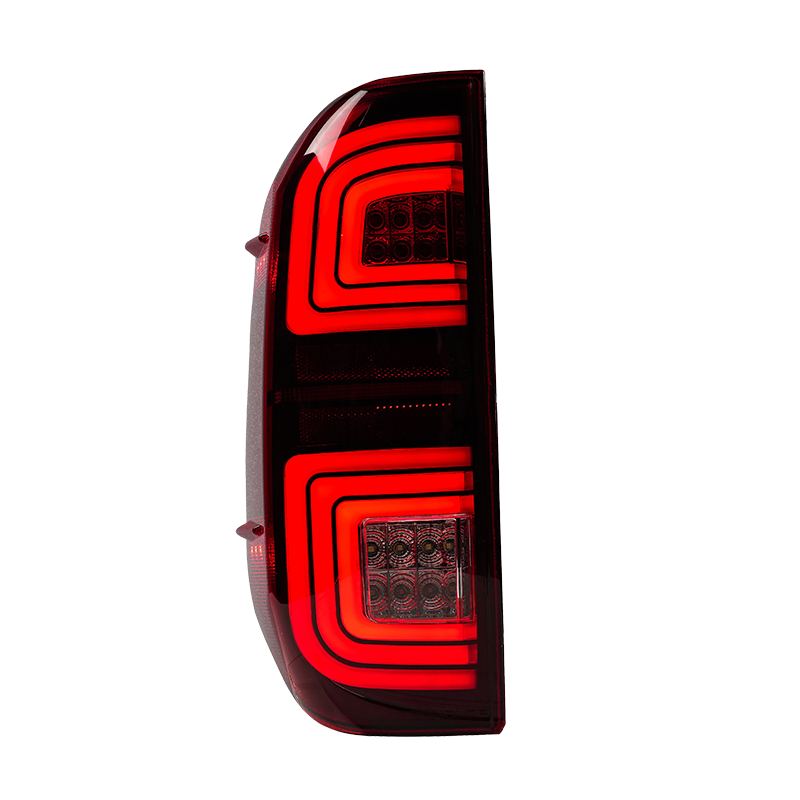
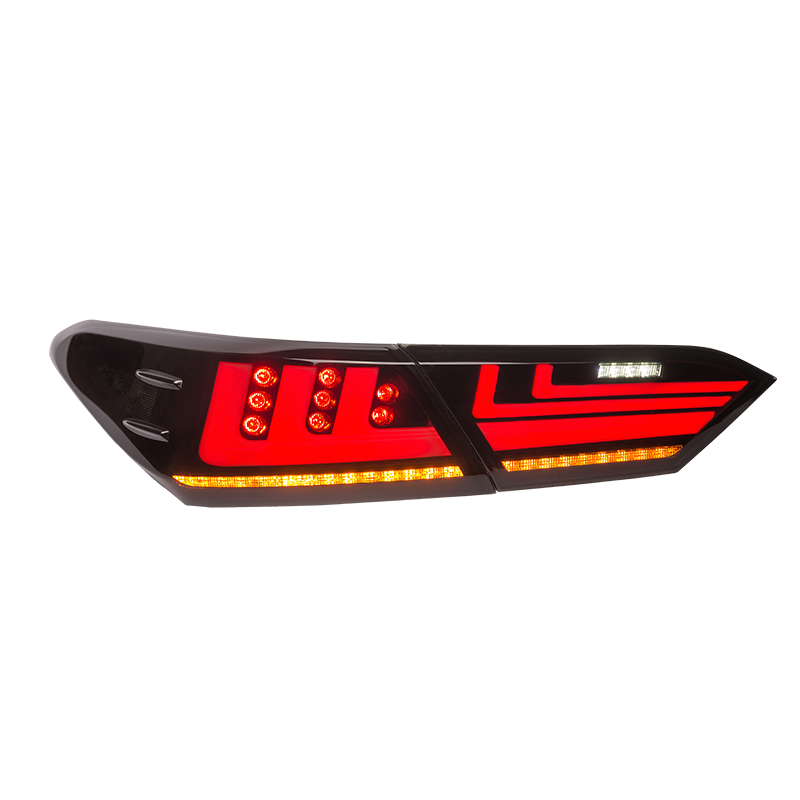
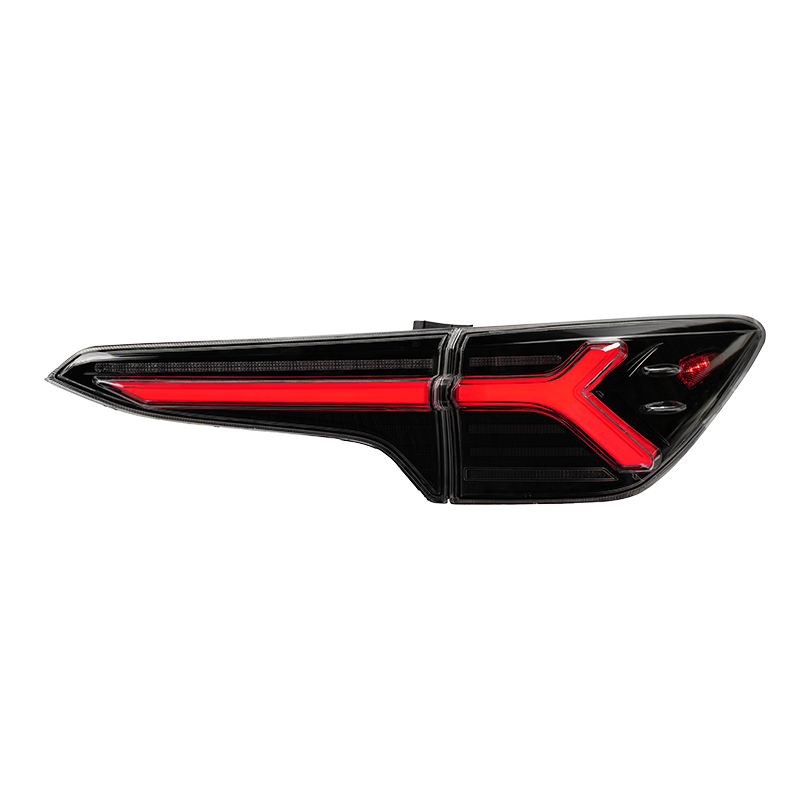
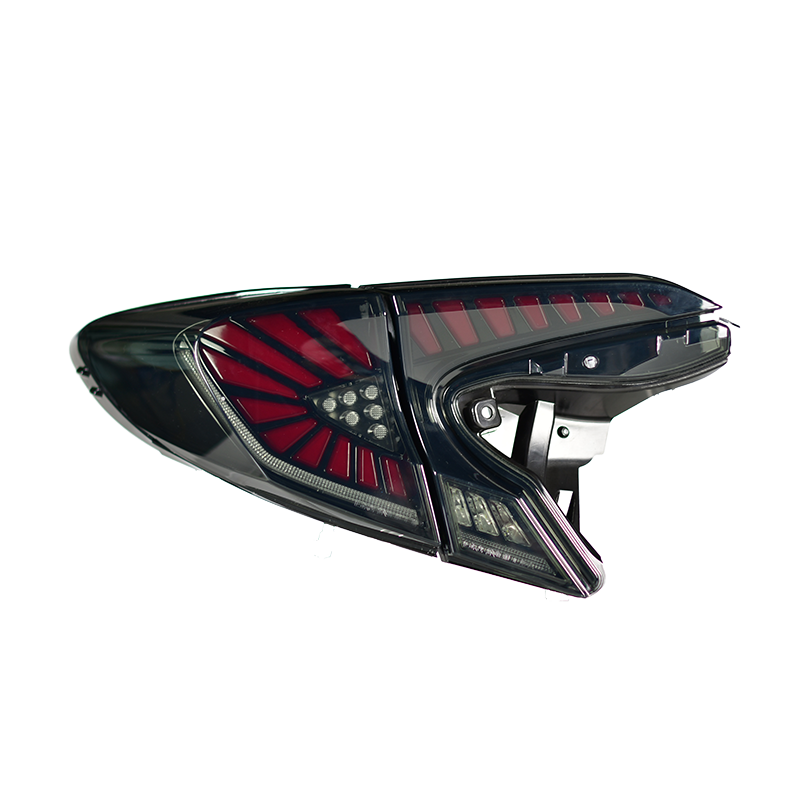
Scrolling through photos of a friend's car with smoked out headlights and thinking it looks genuinely sharp is easy. Wondering whether that same darker lens will make the drive home from a late shift noticeably harder to see is the part most people skip over until they've already installed the new lights. If you've been asking whether Smoked out Headlights and Taillights actually change night driving, that question deserves a real answer rather than just scrolling through more enthusiast forum opinions that contradict each other.
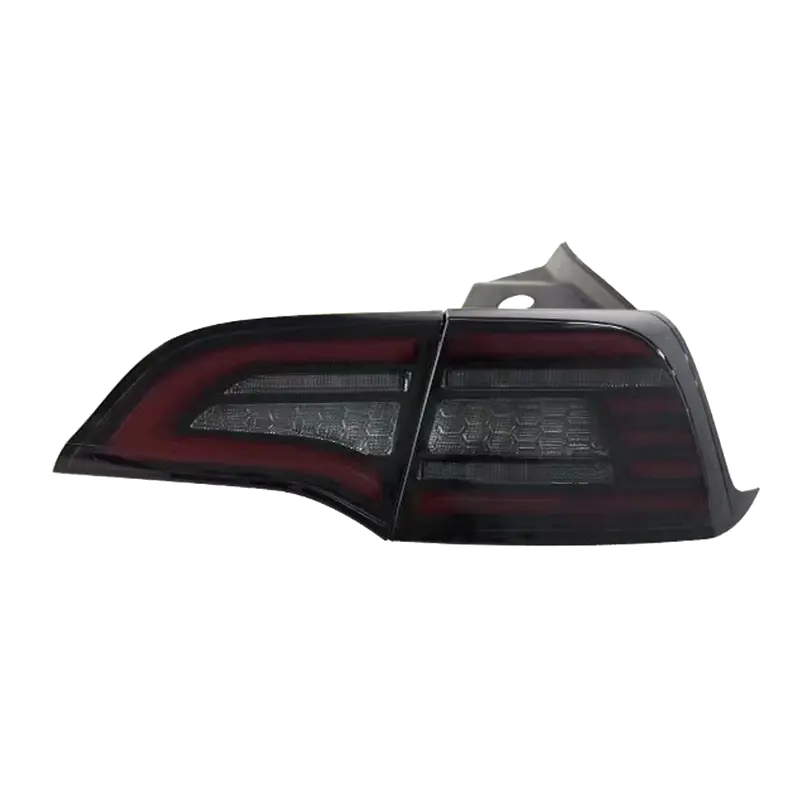
Vehicle lighting exists to do two jobs at once. It helps a driver see what's ahead on a dark road, and it helps everyone else on that same road notice the vehicle in the first place. Styling choices matter to plenty of owners, but the drive home at 11 PM in the rain doesn't care how good the lights looked in a parking lot photo shoot. Understanding how smoked lighting actually interacts with real driving conditions helps separate genuine concerns from forum myths.
Vehicle customization has become a normal part of how people express personal taste, and plenty of owners lean toward subtle changes rather than dramatic modifications that alter a car's entire look.
Smoked lighting creates a darker appearance that tends to blend smoothly with many body colors, especially darker paint jobs where a bright chrome-trimmed lens can look out of place. Some drivers like how it creates a cleaner visual transition between body panels and the lighting assembly itself, while others just want their car to look a bit different from the identical model parked next to it at the grocery store.
The appeal here is almost entirely visual rather than functional. Buying decisions usually start with appearance, and practical questions tend to show up afterward, sometimes only after the lights are already installed.
A few questions worth asking before buying rather than after:
These questions deserve real thought, since appearance and daily usability end up more connected than most buyers initially assume.
Light has to pass through the outer lens before it ever reaches the road ahead or becomes visible to a driver approaching from behind.
The darker tint on a smoked lens naturally raises the question of whether less light makes it through to where it actually matters. The honest answer depends on more than just how dark the lens looks sitting on a shelf.
Lens design, surface quality, manufacturing standards, and the overall construction of the lighting assembly all play a role in how light actually gets distributed once it's installed on the car. Two smoked lens products that look nearly identical side by side in a product photo can perform quite differently once they're actually being used on a dark road, simply because of manufacturing differences that aren't visible from the outside.
Nighttime driving conditions feel very different from daytime conditions in ways that matter here. A street without much ambient lighting places far more weight on how well a vehicle's own lamps perform. Rain, fog, dust buildup, and reflections off wet pavement can all shift how easily other objects, and the vehicle itself, become visible to surrounding traffic.
Rather than assuming every smoked lens on the market behaves the same way, it helps to understand that actual lighting performance comes from several factors working together, not just how dark or light a lens appears sitting in a parking lot.
Driving conditions are never quite the same from one trip to the next.
A familiar neighborhood street with porch lights and streetlamps feels completely different from an unlit country road where the only light comes from a car's own headlights. Busy city traffic brings different visual demands than an open highway at midnight, and weather can shift visibility within minutes during an evening drive.
| Driving Situation | Possible Lighting Consideration |
|---|---|
| Urban streets | Background lighting may reduce contrast with vehicle lamps |
| Rural roads | Natural darkness puts more weight on vehicle lighting alone |
| Rainy evenings | Reflections off wet surfaces can affect visibility |
| Foggy conditions | Light spreads differently once moisture is in the air |
| Parking areas | Nearby drivers rely on clear lighting signals to navigate |
The same smoked lighting setup might feel completely fine driving through a well-lit downtown area, then feel noticeably different once that same driver turns onto a dark rural road heading home. This explains why two people can have completely different personal experiences with what's technically the same product, simply because they drive in different environments most of the time.
Headlights and taillights often get lumped together in conversation, but they're actually doing two very different jobs on the road.
Headlights exist to light up the path ahead so a driver can actually see what's coming. Taillights exist to communicate the vehicle's position to whatever traffic happens to be approaching from behind, especially important during braking or at a stop.
Because these two jobs are so different, a driver might notice a change more clearly depending on which set of lights actually got the smoked treatment. Forward visibility shapes how confident a driver feels navigating a dark road. Rear visibility shapes how well surrounding traffic can read what that vehicle is doing, whether it's slowing down, stopping, or turning.
Buyers sometimes focus entirely on how the car looks from the outside without thinking through how each lighting assembly actually functions once it's dark outside and other drivers are relying on those signals to stay safe.
Shopping for smoked lighting usually starts with browsing photos online, and those photos show appearance clearly while revealing almost nothing about how the lights actually perform once installed.
A few practical questions worth working through before adding anything to a cart:
These questions push a buyer to evaluate the product beyond just how good it looks in a single promotional photo. Reading through product descriptions carefully also helps set realistic expectations, since plenty of listings focus almost entirely on style without mentioning much about everyday practicality.
Even a well-made smoked lighting assembly benefits from the same care any other part of a car needs over time.
Dust, road grime, moisture, and general environmental exposure gradually build up on any exterior surface, and that buildup tends to become more noticeable during nighttime driving, when visibility is already reduced compared to daytime. A layer of road film sitting on a smoked lens can quietly dim performance even further, on top of the tint that's already there by design.
Routine cleaning helps keep the outer surface clear rather than letting grime accumulate unnoticed over weeks. A quick inspection every so often can catch small problems, like a crack or a bit of moisture getting inside the housing, before they turn into a bigger issue.
Lighting tends to get overlooked simply because it works automatically every single day without asking for attention. That familiarity makes it easy to miss gradual changes until they've actually become a real problem.
A few maintenance habits worth building into a routine:
None of this takes much time, but it keeps a driver genuinely familiar with the condition of their vehicle's lighting rather than assuming everything's fine simply because it's always worked before.
Every driver uses their vehicle a bit differently, and that difference matters more than most people initially think when deciding on smoked lighting.
Someone who mostly drives during daylight hours, commuting to an office and running errands on weekends, experiences their vehicle's lighting very differently than someone who regularly leaves for work before sunrise or gets home well after dark. Weekend road trips into unfamiliar territory bring a different set of demands than a daily commute through the same well-lit streets every single day.
Someone who rarely drives after dark might reasonably prioritize appearance a bit more than someone who spends a good chunk of their week driving rural roads at night, where vehicle lighting genuinely carries more of the visibility burden.
Seasonal timing plays into this too. Shorter daylight hours during fall and winter mean more of an average commute happens in low light regardless of personal schedule. Add in seasonal rain or fog, and lighting performance becomes something a driver notices far more often than during longer summer days.
Vehicle customization keeps evolving, and plenty of buyers now look for modifications that balance a personalized look with genuine everyday practicality rather than chasing the most dramatic visual change available.
Instead of going for the boldest possible transformation, many owners now lean toward subtle updates that feel like a natural part of the vehicle's original design rather than an obvious aftermarket addition. This shift has pushed more attention toward how lighting actually integrates with a car's overall look, rather than treating headlights and taillights as separate accessories bolted on as an afterthought.
Social media and online enthusiast communities shape a lot of these expectations too. Photos shared online tend to highlight styling under carefully controlled lighting conditions, often shot during golden hour or under studio setup, which looks fantastic but doesn't capture much about actual nighttime performance on a real road. A photo simply can't show what it feels like to navigate a foggy back road at 9 PM with a particular set of lights installed.
Road conditions shift. Weather shifts. Traffic patterns shift throughout the day. Nighttime driving looks completely different depending on which part of town, or which stretch of highway, someone happens to be driving through. These everyday realities are a good reminder that appearance is only one piece of what actually matters once the car leaves the driveway.
Drivers who think through both style and everyday usability tend to approach lighting upgrades with much clearer expectations going in. Rather than asking only whether Smoked out Headlights and Taillights look appealing in photos, it helps to also think through where most driving actually happens, how often that includes nighttime hours, how well maintenance habits will keep up with a darker lens over time, and how well the lighting still communicates with everyone else sharing that same road after dark. Looking at the decision from both the visual side and the practical side gives a much more complete picture of how a lighting upgrade will actually fit into daily ownership, rather than treating appearance and real driving conditions as two separate, unrelated conversations.
We are a modern headlight manufacturer that integrates R&D, design, production and sales. We mainly produce headlamps, taillights, daytime running lights and other automotive lighting products.
Add: No.3 Shiyang Road, Ningxi Town, Huangyan District, Taizhou City, Zhejiang Province, China
Tel: +86-13105675552 / +86-15606586299
Fax: +86-576-89161556
E-mail: [email protected]
Copyright © Taizhou Baozhiwei Vehicle Industry Co.,Ltd. All Rights Reserved.

 English
 русский
 Español