Call us

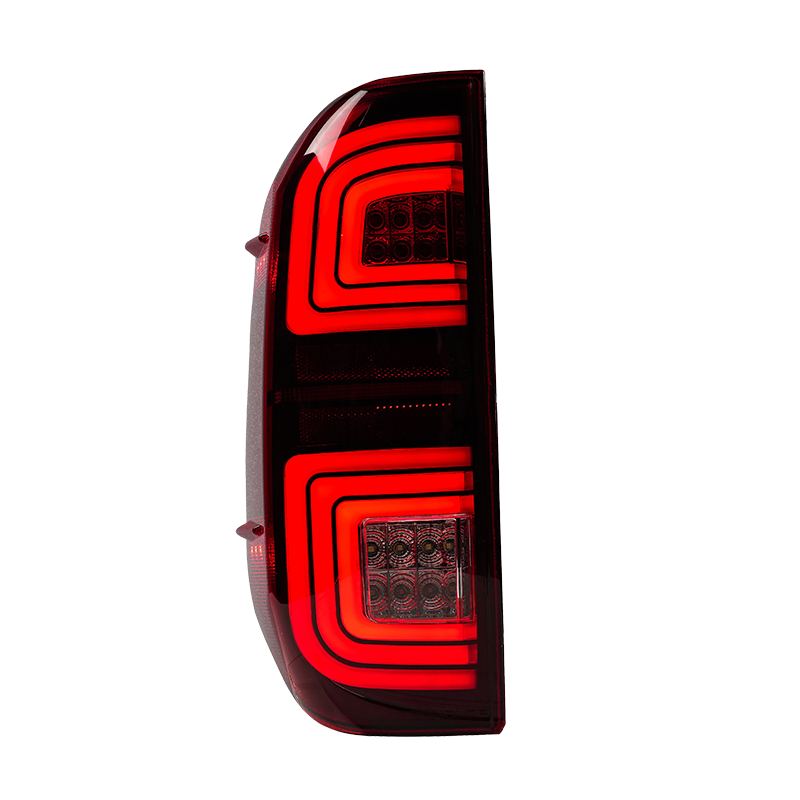
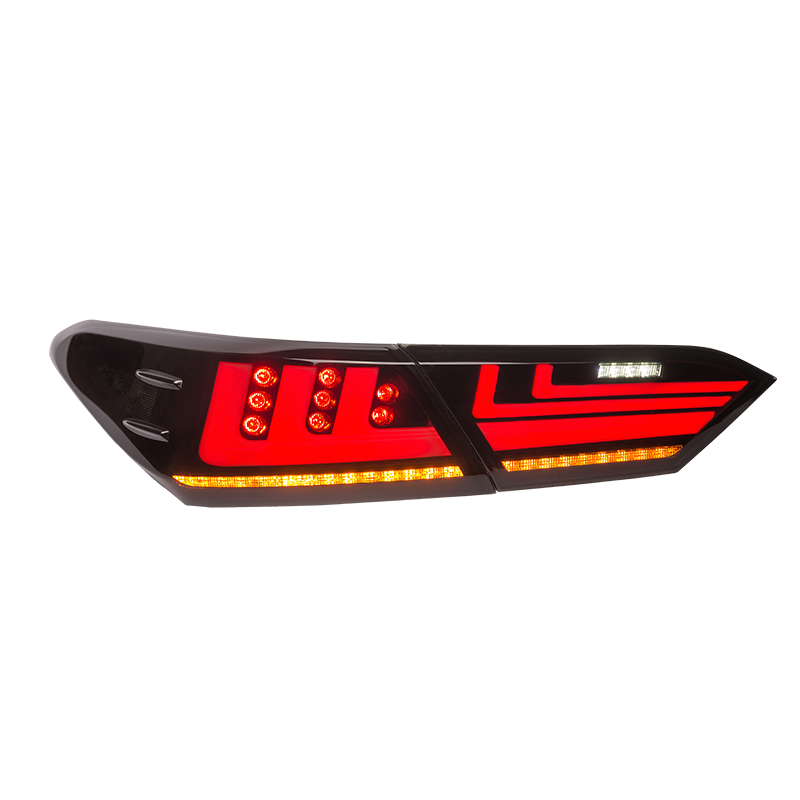
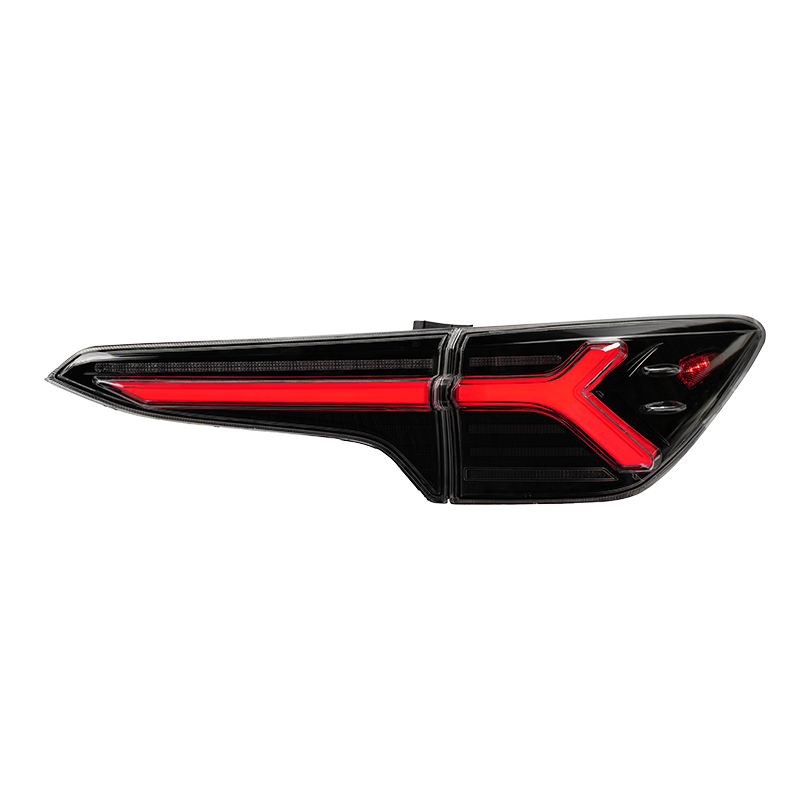
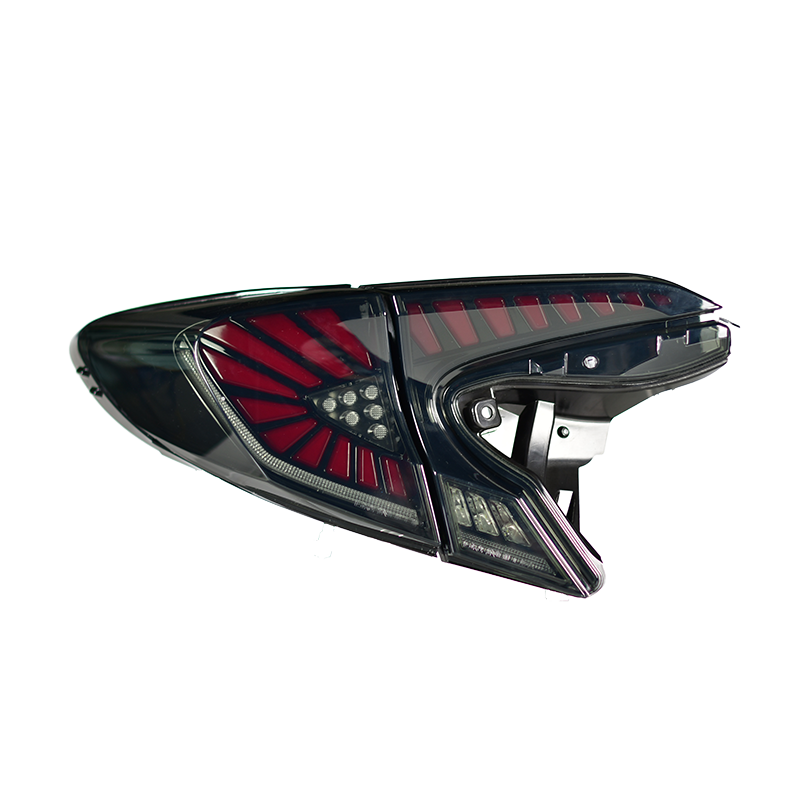
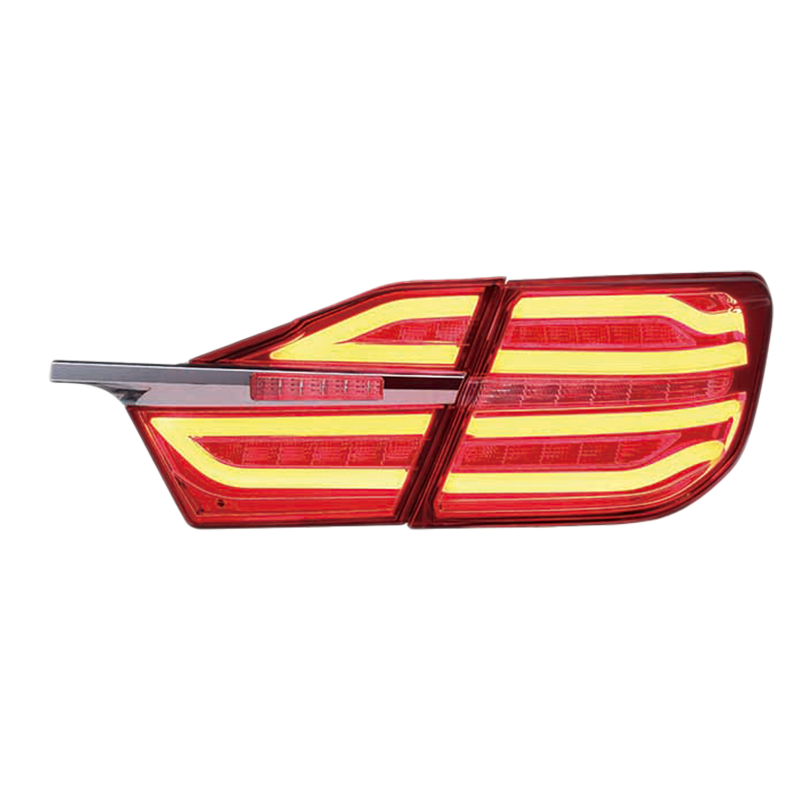
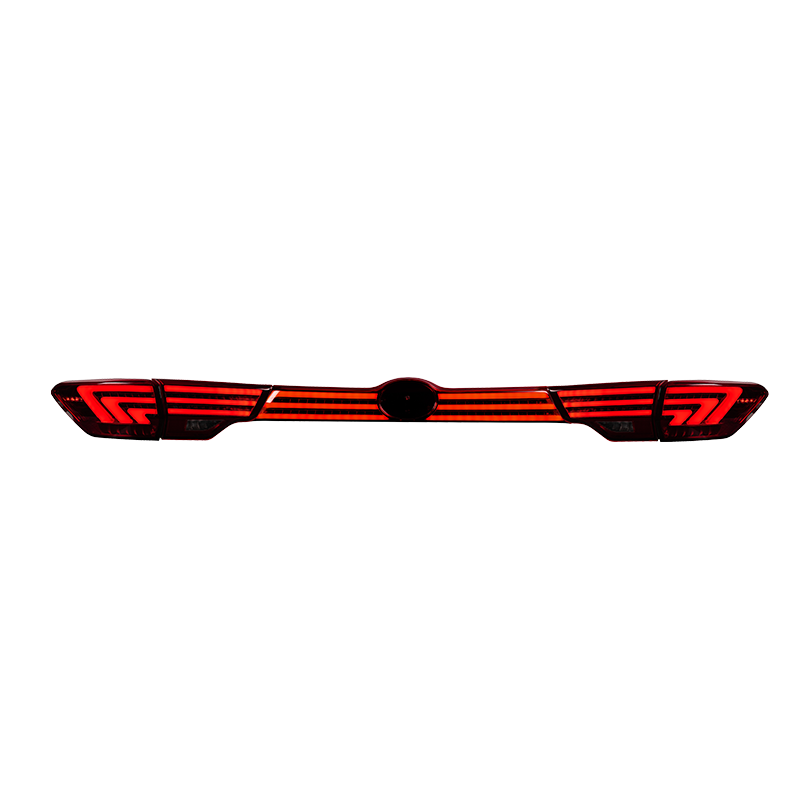
A tail light that fogs up from the inside after one heavy rainstorm. A trailer light that flickers on the highway during a night drive, right when visibility matters more than usual. A bulb that works fine in the driveway but goes dark the moment water gets anywhere near the connector. Anyone who has dealt with vehicle lighting knows how quickly a small moisture problem turns into a real safety concern. Waterproof LED Tail Lights exist specifically to prevent this kind of failure, keeping the rear of a vehicle visible and functional no matter what the weather throws at it.
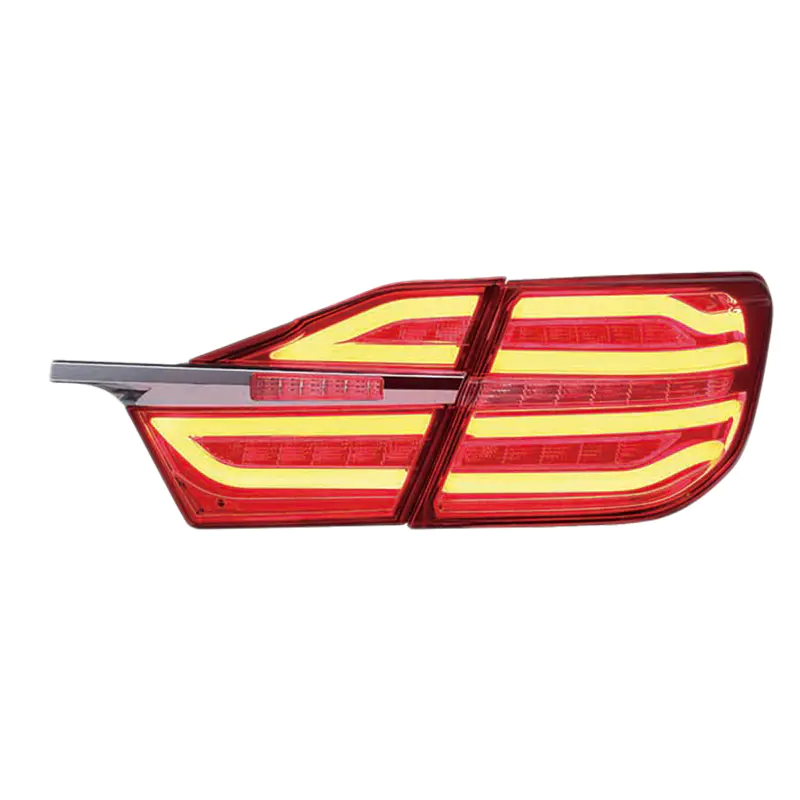
Driving safety depends heavily on other drivers being able to see a vehicle clearly, especially from behind. A tail light that dims, flickers, or goes dark during rain, snow, or heavy road spray creates a gap in that visibility exactly when conditions already make driving harder. This kind of lighting closes that gap by staying sealed against moisture while still delivering the bright, immediate illumination that LED technology is known for.
Traditional tail light housings rely on seals and gaskets that were never really built to hold up against constant exposure to water, road spray, and shifting temperatures. Over time, those seals age, crack, or shrink slightly, creating tiny gaps that water eventually finds a way through. Once moisture gets inside a housing, it doesn't take much to cause real problems.
A little condensation might seem harmless at first sight, but it tends to build up inside the housing every time the vehicle sits through a temperature swing. That moisture eventually reaches the electrical connections, wiring, or the bulb itself, leading to corrosion that slowly eats away at conductivity. What starts as a slightly dimmer light often ends with one that flickers on and off, or stops working altogether.
A few common signs point to a housing that has lost its ability to keep water out:
None of these symptoms show up right after a seal starts to fail. They tend to develop slowly, which means a driver might not notice anything wrong until the light stops working completely, often at a moment when it matters.
Sealed LED tail lighting uses construction methods designed specifically to resist water intrusion over the long haul, rather than relying on parts that were only ever meant to handle occasional light exposure. This usually involves tighter housing construction, sealing materials built to last, and connectors made to resist corrosion even when they get wet again and again.
The housing itself plays a big role here. A properly sealed unit fits together in a way that leaves no meaningful gap for water to work its way through, even under the pressure that comes from driving through standing water or getting sprayed by a passing vehicle on the highway. The seal between the lens and the housing needs to stay flexible enough to handle temperature swings without cracking, because a seal that turns brittle over time eventually fails no matter how carefully it was installed.
A few structural features tend to separate a genuinely sealed design from one that simply looks sealed:
This kind of tail light also benefits from the nature of LED technology itself, since LEDs give off less heat than older bulb types and tend to hold up better inside a sealed housing over time. Less internal heat means less pressure buildup inside the unit, which reduces one of the mechanisms that pushes moisture into gaps in the first place.
Sealing solves one part of the safety picture, but the LED component itself contributes just as much to how visible a vehicle stays in difficult conditions. LEDs light up almost instantly compared to older bulb types, which matters more than it might seem at a glance. That instant response gives following drivers a fraction of a second more warning when brake lights activate, and in traffic, that fraction of a second sometimes makes a real difference.
LEDs also tend to produce a steadier, more focused light output, which helps a tail light stay visible through rain, fog, or heavy spray in a way that a dimmer or less consistent light source struggles to match. Rain and fog scatter light unpredictably, so a light source that starts out brighter and steadier has a better chance of staying visible once weather conditions start working against it.
A few visibility-related advantages tend to show up consistently with LED tail lights:
None of this replaces the need for proper sealing, because even a strong light source becomes a safety liability once moisture gets inside and starts causing on-and-off failures. The two factors work together, sealing keeping the unit functional over time and LED technology making that function actually count when visibility matters.
Any vehicle that spends time on the road in wet weather benefits from tail lights that resist moisture, but some situations make sealing especially important. Vehicles that regularly tow trailers face a particular challenge, since trailer lighting often sits lower to the ground, closer to road spray, and endures more vibration and jostling than lighting mounted higher on the main vehicle.
Vehicles used for work purposes, particularly those that spend long hours outdoors or get driven through rough conditions regularly, also tend to see faster wear on standard tail light seals. The same goes for vehicles kept outdoors year-round without covered parking, since constant exposure to rain, dew, and temperature swings puts more strain on housing seals than a vehicle that spends most nights under a roof.
Here's a general look at how different usage patterns relate to the level of moisture exposure a tail light deals with over time:
| Usage Pattern | Typical Moisture Exposure Level |
|---|---|
| Daily commuting with covered parking | Lower exposure, occasional rain driving |
| Regular towing or trailer use | Higher exposure, closer to road spray |
| Outdoor storage without covered parking | Higher exposure, constant weather contact |
| Work vehicles used in rough conditions | Higher exposure, combined with vibration |
Vehicles falling into the higher exposure categories tend to see standard tail light failures sooner, which makes a properly sealed design more of a practical necessity than something nice to have.
The terms waterproof and water-resistant get used somewhat loosely, and the difference between them matters more than it might seem at a glance. Water-resistant generally means a part can handle some exposure to moisture without immediate failure, but it doesn't necessarily hold up against sustained exposure or direct water pressure over time. A fully sealed design implies a stronger standard, one built to keep water out consistently, even under demanding conditions.
Looking at how a housing is put together offers a decent starting point. A unit that relies on adhesive alone to hold the lens in place tends to hold up less reliably over time than one built with a proper mechanical seal reinforced by adhesive. Checking how the wiring connects to the unit helps too, since exposed connections sitting outside the sealed portion create an obvious weak point regardless of how well the housing itself resists water.
A few practical questions help sort out whether a tail light genuinely qualifies as sealed:
Taking a few minutes to check these details before installing a new tail light saves a lot of frustration down the road, because a unit that looks sealed on the surface sometimes hides weak points that only show up after months of regular exposure to real weather.
A sealed tail light only performs as well as its installation allows. Even a well-built, properly sealed unit can develop moisture problems if it goes in with a damaged gasket, a loose mounting, or wiring connections that weren't sealed properly during the install. Installation quality often gets overlooked, but it plays just as big a role in long-term reliability as the design of the light itself.
Mounting the unit securely matters because vibration over time can gradually work a seal loose, even one that started out tight. Wiring connections need to stay protected from moisture, which sometimes means adding extra sealing around connection points rather than assuming the housing alone handles everything. Skipping these small steps during installation creates the exact kind of vulnerability that a sealed design is meant to prevent in the first place.
A few installation habits tend to make a real difference in how well a sealed tail light holds up over time:
Taking installation seriously stretches out the practical life of a sealed tail light considerably, turning a well-designed part into something reliable over the long run rather than one that eventually falls victim to a small oversight during setup.
Choosing Waterproof LED Tail Lights involves weighing a few practical factors beyond just confirming that a product claims to be sealed. Thinking about how the vehicle actually gets used, how much moisture exposure it realistically faces, and how the light needs to fit into existing wiring all play into finding something that actually holds up over time rather than just looking good on a spec sheet.
Compatibility with the existing electrical system matters, because a poor match can create its own reliability issues regardless of how well-sealed the light itself happens to be. Thinking about how easy the unit is to inspect and maintain also helps, because a design that makes it hard to check seals or wiring connections down the road makes ongoing upkeep harder than it needs to be.
A few points worth thinking through before making a decision:
Thinking through these questions ahead of time helps avoid the frustration of installing something that seems like a solid choice at first but reveals weak points once it faces real weather on a regular basis.
Tail lights that stay sealed and light up quickly address a problem that becomes obvious only once it actually happens, which is exactly why thinking it through ahead of time matters so much. A tail light that stays visible and functional through rain, fog, and road spray keeps a vehicle safer exactly when visibility already works against every driver on the road. Sealing quality, LED response, and careful installation all work together to determine whether a tail light holds up over months and years of real driving conditions, rather than just performing well during the first few dry weeks after installation. Paying attention to these details before buying or installing a replacement tail light turns what could be a recurring frustration into a problem that simply doesn't come up again.
We are a modern headlight manufacturer that integrates R&D, design, production and sales. We mainly produce headlamps, taillights, daytime running lights and other automotive lighting products.
Add: No.3 Shiyang Road, Ningxi Town, Huangyan District, Taizhou City, Zhejiang Province, China
Tel: +86-13105675552 / +86-15606586299
Fax: +86-576-89161556
E-mail: [email protected]
Copyright © Taizhou Baozhiwei Vehicle Industry Co.,Ltd. All Rights Reserved.

 English
 русский
 Español