Call us

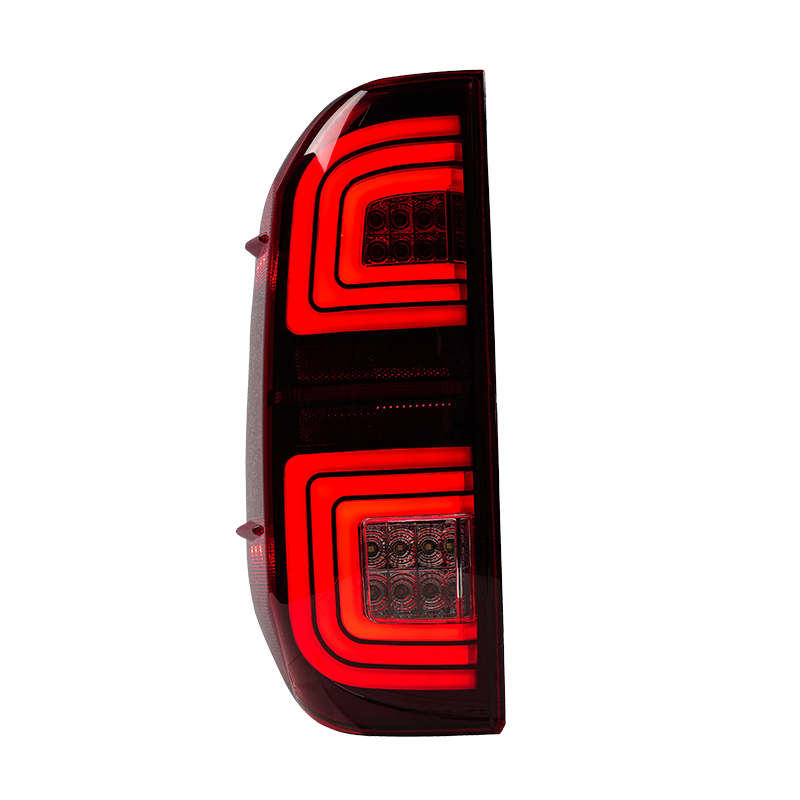
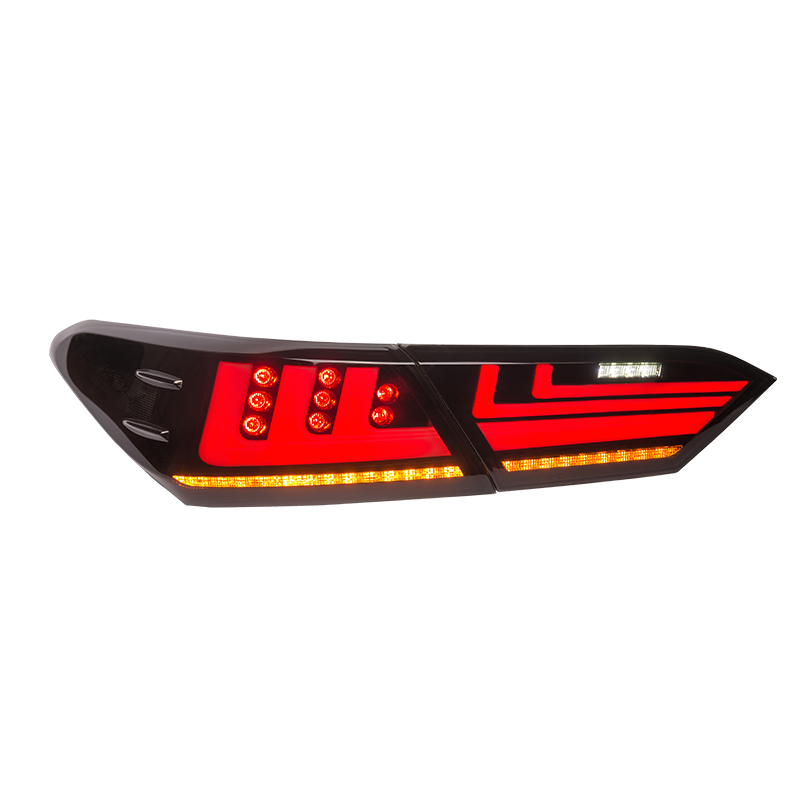
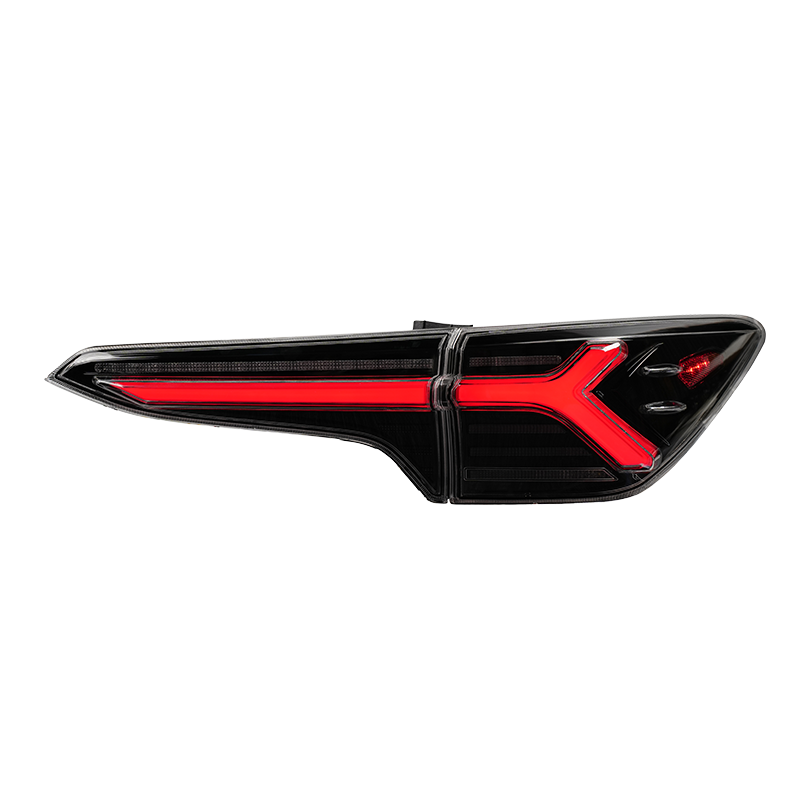
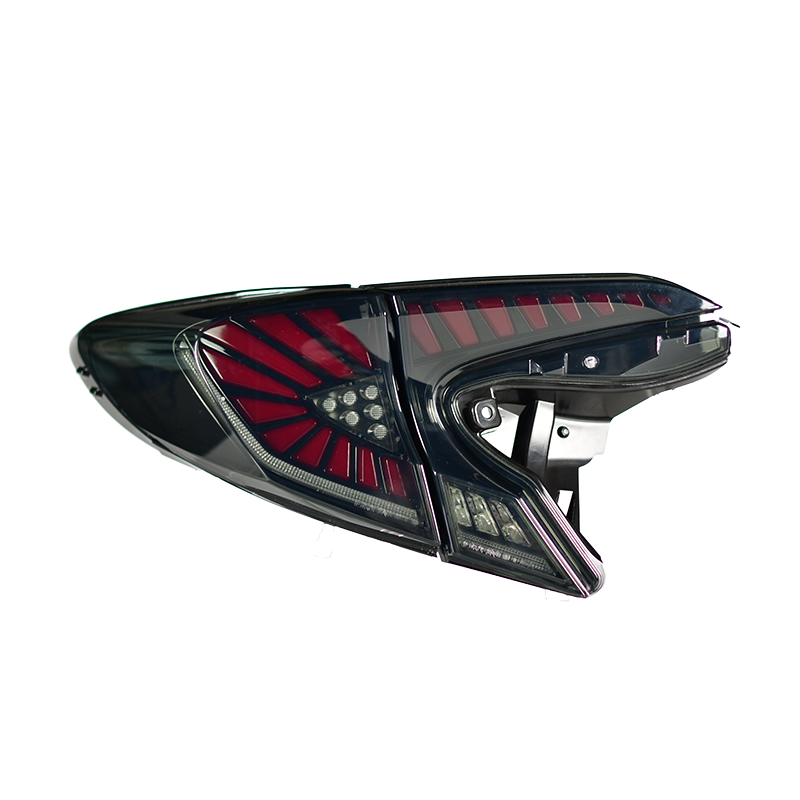
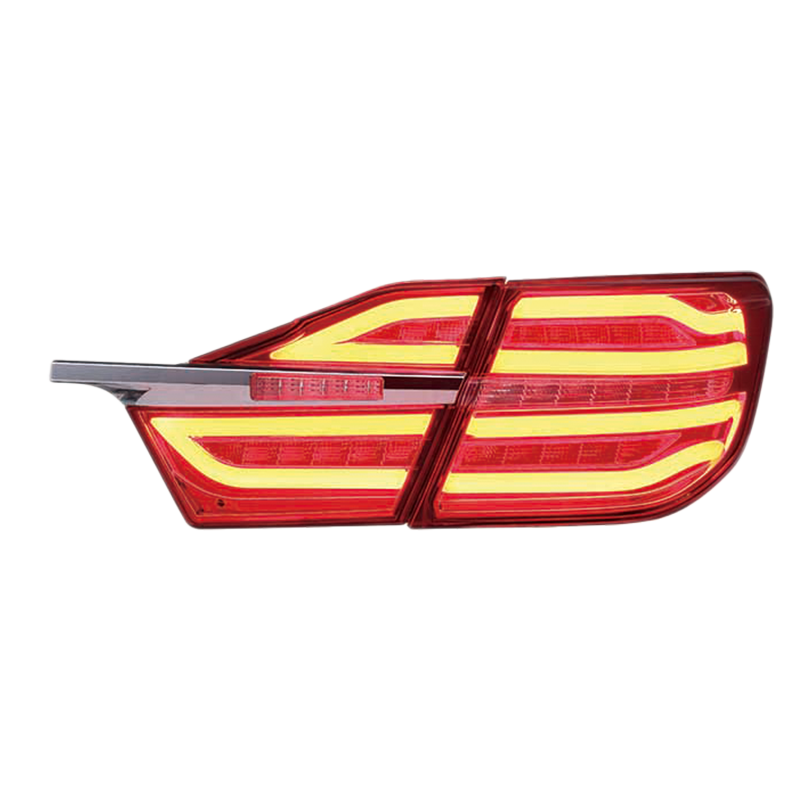
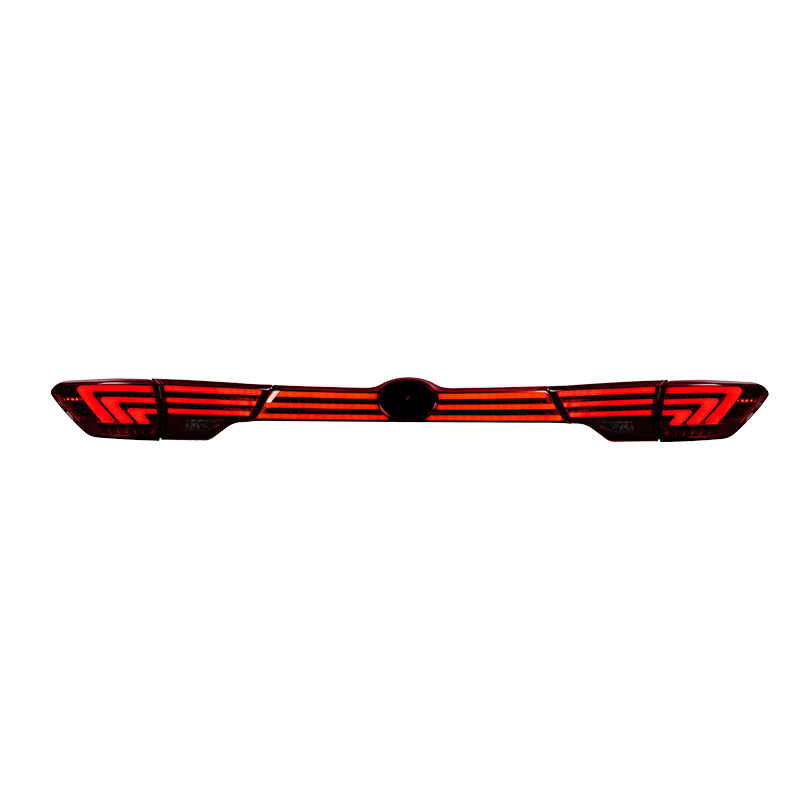
Not every customer shopping for smoked tail lights wants the same thing. Some are mainly after a darker look at a reasonable price. Others want sequential indicators, dynamic lighting effects, or a more elaborate LED design. Distributors who stock only one type of product are likely to miss part of this market.
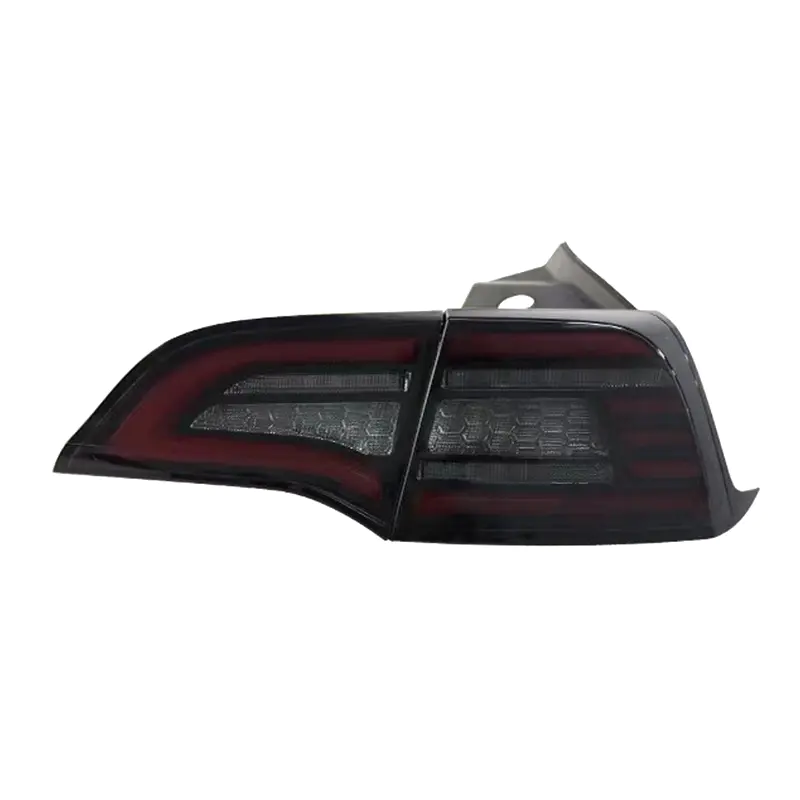
A more practical approach is to group Smoked Led Tail Lights into three ranges: entry-level, mid-range, and premium. The differences should be visible in the actual specifications, not just in the price.
Start With What Customers Actually Buy
Before selecting products, look at the vehicles and price ranges most common among your customers. An accessory shop serving everyday drivers may sell more basic smoked assemblies, while a customization shop may receive regular requests for sequential signals and distinctive lighting patterns.
Installation preferences matter, too. Some buyers expect a plug-and-play replacement; others are willing to pay for a more advanced setup that requires additional wiring.
Sales records, customer enquiries, and return reasons can help identify which features are worth stocking. There is little value in carrying several expensive designs if local demand is mainly for straightforward replacements.
Entry-Level: Keep the Design Simple
Entry-level models are for customers who want the smoked appearance without paying for extra lighting effects. A typical product may include LED tail and brake lights with conventional turn signals.
The price should be accessible, but basic construction still needs attention. Check that the housing matches the vehicle, the lens is evenly finished, the seals are intact, and the connectors are secure. Inconsistent brightness or poor fitment can lead to complaints regardless of how inexpensive the product is.
Mid-Range: Add Features Customers Can See
Sequential turn signals, revised LED layouts, and more detailed lens designs give mid-range products a clear selling point. Some models may also offer better integration with the original vehicle wiring.
The extra cost should correspond to a real difference. For example, a sequential indicator should illuminate smoothly and consistently, while upgraded housing construction should show an improvement in fit or finish. Simply adding more lighting effects does not necessarily make a product better.
Premium: Look Beyond Appearance
Premium assemblies often use more elaborate LED modules, dynamic startup effects, integrated light bars, or advanced control electronics. These features appeal to customers who want their vehicle to stand out.
Construction deserves equal attention. Check the lens material, housing rigidity, UV resistance, sealing, connector quality, and heat management. A dark lens also needs careful optical design. Excessive tint can reduce the light reaching other drivers, so appearance should never take priority over visibility or regulatory compliance.
Compare the Three Product Levels
| Feature | Entry-level | Mid-range | Premium |
|---|---|---|---|
| Lens design | Standard smoked finish | More detailed styling | Distinctive premium finish |
| LED functions | Basic tail and brake lighting | Additional lighting features | Advanced or dynamic functions |
| Turn signals | Conventional | May include sequential signals | Advanced sequential options |
| Housing | Standard construction | Enhanced construction options | Higher-grade materials or finishes |
| Installation | Basic vehicle-specific fitment | May offer improved integration | May include additional control features |
| Quality checks | Basic function and fitment inspection | Expanded performance checks | More extensive testing and documentation |
These are product-positioning categories, not fixed industry standards. Actual specifications vary between suppliers and vehicle applications. Each listing should state exactly which functions and materials are included.
Check Fitment and Compliance Before Buying
Smoked tail lights are still safety-critical equipment. A dark appearance does not guarantee that the lamp provides adequate visibility or meets the rules in its intended market.
Ask suppliers for relevant photometric test results and compliance documents. Requirements vary by country, so confirm that the documentation applies to the market where the products will be sold.
Fitment checks should cover:
Keep vehicle applications specific. Model year, generation, trim, and regional version can all affect compatibility. A lamp listed for one version should not automatically be treated as suitable for every vehicle carrying the same model name.
Choose Suppliers and Stock Carefully
There is no need to carry every design a manufacturer offers. Start with vehicle applications that have regular demand, then keep a sensible selection at each price level.
Before placing a bulk order, inspect samples from all three ranges. Check the lens finish, illumination, connectors, seals, and installation fit. Ask about batch inspections, warranty terms, packaging, and replacement-part availability as well. A low unit price becomes less attractive when damaged goods and fitment complaints start eating into the margin.
Return records are worth reviewing after each sales period. They can show whether a particular model has recurring wiring issues, poor seals, or inconsistent production quality.
A three-tier range gives customers a straightforward choice: a basic smoked look, extra lighting features, or a more elaborate assembly. The distinction only works when each price level offers something tangible and the fitment information is accurate.
We are a modern headlight manufacturer that integrates R&D, design, production and sales. We mainly produce headlamps, taillights, daytime running lights and other automotive lighting products.
Add: No.3 Shiyang Road, Ningxi Town, Huangyan District, Taizhou City, Zhejiang Province, China
Tel: +86-13105675552 / +86-15606586299
Fax: +86-576-89161556
E-mail: [email protected]
Copyright © Taizhou Baozhiwei Vehicle Industry Co.,Ltd. All Rights Reserved.

 English
 русский
 Español