Call us

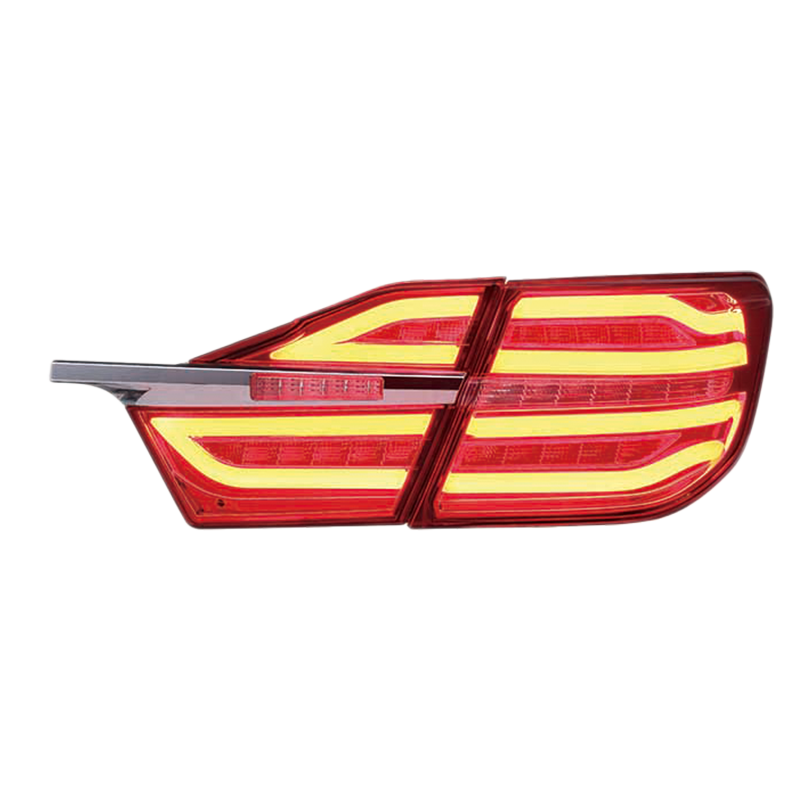
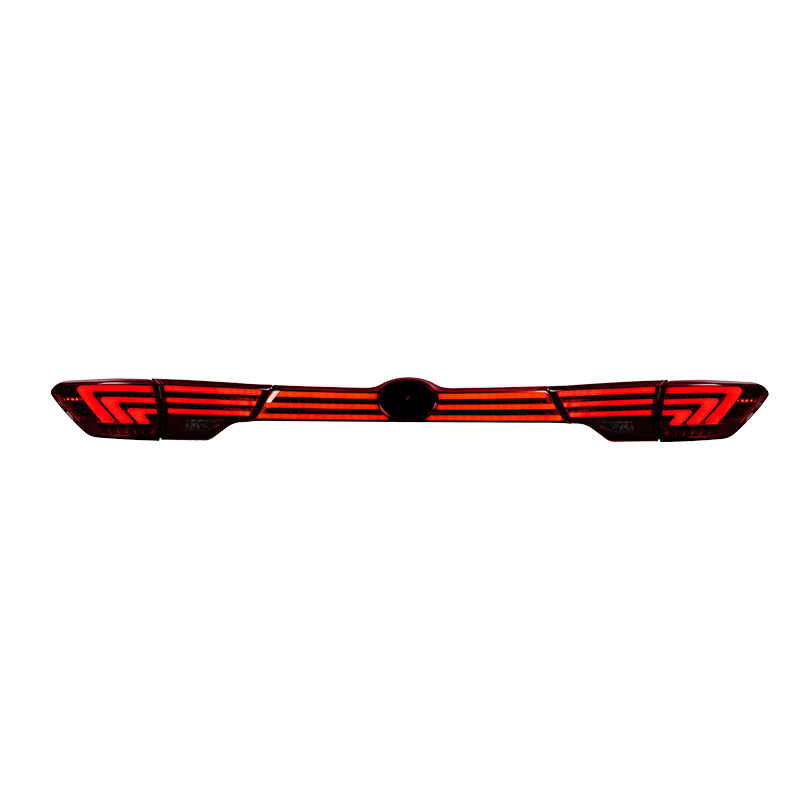
Ordering a rear lamp by model name alone can be risky. The Honda Jazz has gone through several redesigns, and the rear light assembly has not remained the same across every version. Even within one generation, a facelift or regional specification can bring changes to the housing, mounting points, or wiring.
That matters when buying a Honda Jazz LED Tail Lamp. Two assemblies may look almost identical in product photos, yet one may not sit properly on the car or connect to its wiring.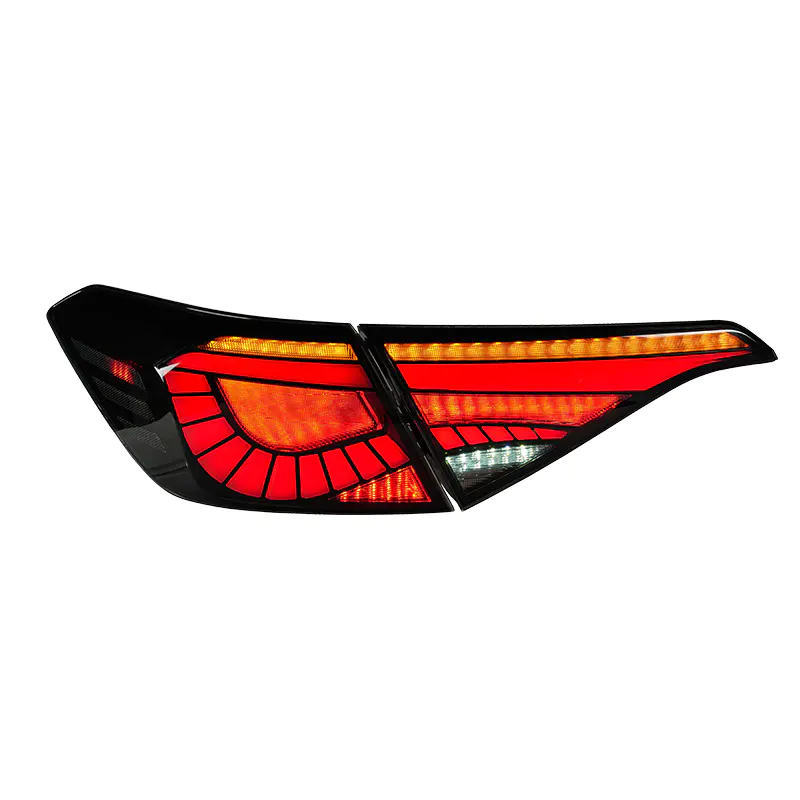
Generation Changes Affect the Housing
When Honda redesigns the Jazz, changes to the tailgate and rear body panels can mean a completely different lamp shape. The overall height and width may change, as can the position of the mounting tabs and bolts.
The split between the lamp section on the body and the section on the tailgate is another detail worth checking. If the replacement does not follow the original body contours, it may leave uneven gaps or put pressure on the mounting points. A poor fit can also compromise the seal around the lamp.
Facelifts Can Bring Different LED Layouts
A facelifted Jazz may retain much of the earlier body structure but receive revised rear lights. The differences are not always limited to appearance. Lens graphics, LED positions, reflectors, and connectors may also change.
This is where broad fitment descriptions can be misleading. A listing covering several model years may exclude certain facelift versions. Compare the old lamp with the replacement, and use the OEM part number wherever possible. Photos are useful for spotting design differences, but they cannot confirm the dimensions or wiring.
The Electrical Connection Needs Equal Attention
Getting the housing to fit is only half the job. The plug, pin layout, and electrical requirements must also match the car.
A rear assembly may include tail, brake, turn signal, and reversing lights. Their wiring arrangements can vary by version. Some aftermarket LED lamps also require a specific driver, resistor, or adapter.
Before installation, compare the connector and pin assignment with the original unit. Do not assume that a plug that looks similar has the same wiring. A mismatch can cause flickering, warning messages, or lights that fail to operate correctly.
Fitment Details at a Glance
| Fitment detail | What may change | How to verify |
|---|---|---|
| Housing shape | Rear body and tailgate design | Compare dimensions and contours |
| Mounting points | Bracket, bolt, or locating-pin positions | Check the original lamp and mounting diagram |
| Lens design | Facelift styling and internal LED layout | Compare lens details and part numbers |
| Connector | Plug shape and pin configuration | Inspect the original connector and wiring |
| Lighting functions | LED and bulb arrangements | Confirm each required function |
| Regional specification | Reflectors and required lighting features | Check market application and certification |
A supplier should be able to identify the generations and production periods covered by its fitment list. "For Honda Jazz" is too broad to confirm compatibility.
Regional Versions Are Not Always Interchangeable
In some markets, the Honda Jazz is sold as the Honda Fit. The shared model family does not mean every part is identical. Rear fog lamp arrangements, reflectors, wiring, and other lighting details may differ by region.
This is particularly relevant when sourcing parts for imported vehicles. A lamp intended for one market might look right but have different functions or fail to meet local lighting requirements. Confirm the car's original sales market rather than relying only on its registration year.
Confirm the VIN and OEM Number
The VIN gives a parts supplier a way to identify the vehicle's production details. The OEM number on the original lamp is also a useful reference when searching for a replacement.
Record the production date, generation, trim, and market. Then compare the original part number with the proposed replacement. Some manufacturers use updated or superseding part numbers, so the supplier should be able to explain whether the new number replaces the original.
For aftermarket lamps, request a fitment list that states any production-date or trim restrictions. This is more useful than a general claim that the part fits several years of Honda Jazz models.
Check the Finished Installation
Once installed, the lamp should sit evenly against the body. The mounting points should line up naturally, without forcing the housing into position.
Test each function separately, including the brake lights, indicators, tail lights, and reversing lights. Look for warning messages, uneven illumination, loose connections, and condensation inside the housing. Repair shops should also keep the replacement part number with the vehicle's service record.
Model-year compatibility is not just a matter of appearance. On the Honda Jazz, housing shape, mounting layout, wiring, and regional equipment can all affect whether an LED tail lamp is the correct replacement.
We are a modern headlight manufacturer that integrates R&D, design, production and sales. We mainly produce headlamps, taillights, daytime running lights and other automotive lighting products.
Add: No.3 Shiyang Road, Ningxi Town, Huangyan District, Taizhou City, Zhejiang Province, China
Tel: +86-13105675552 / +86-15606586299
Fax: +86-576-89161556
E-mail: [email protected]
Copyright © Taizhou Baozhiwei Vehicle Industry Co.,Ltd. All Rights Reserved.

 English
 русский
 Español