Call us

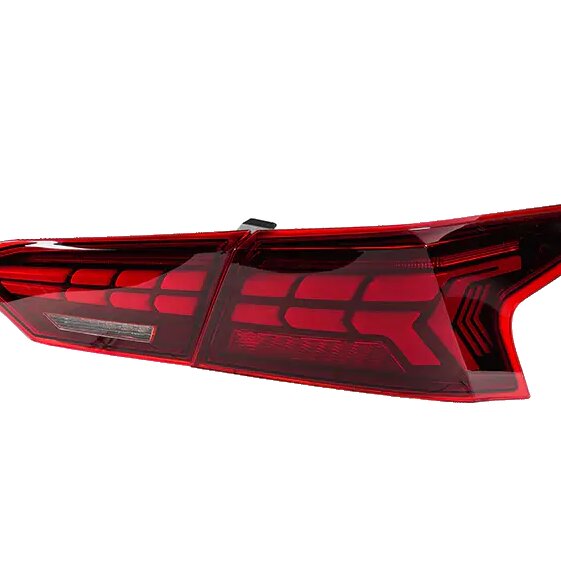
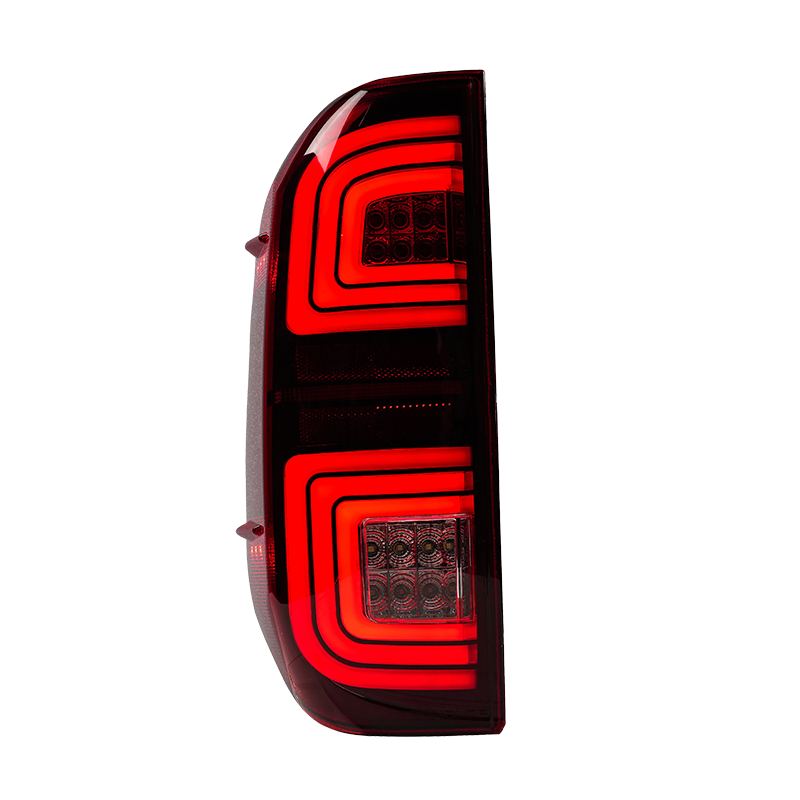
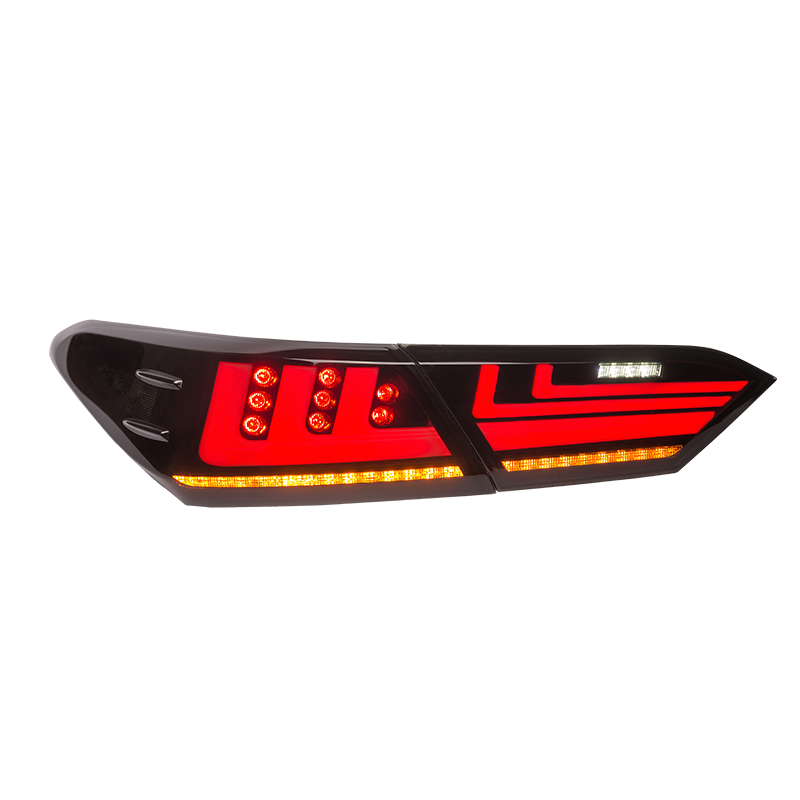
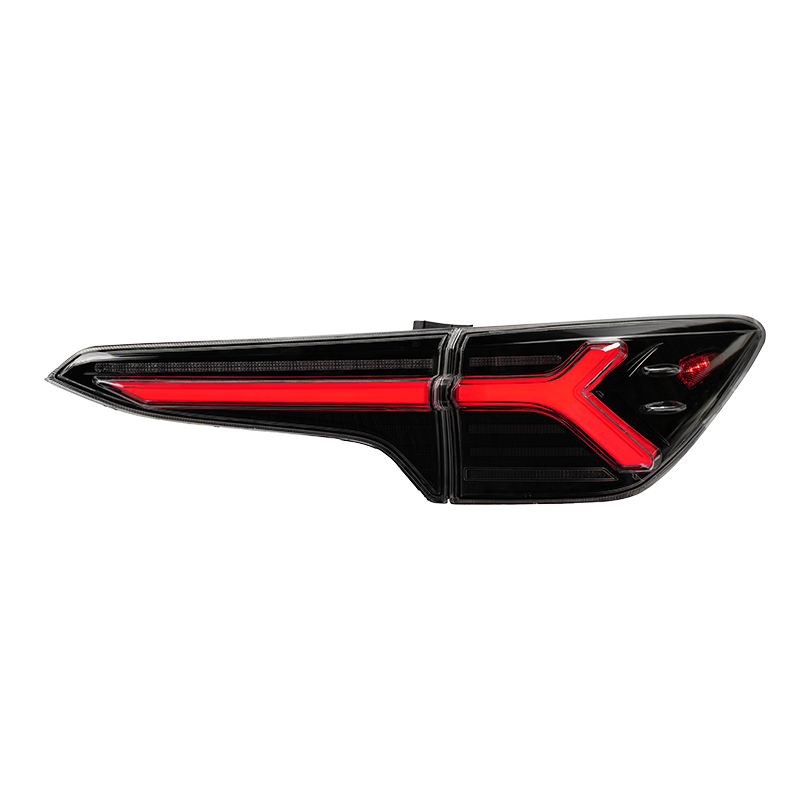
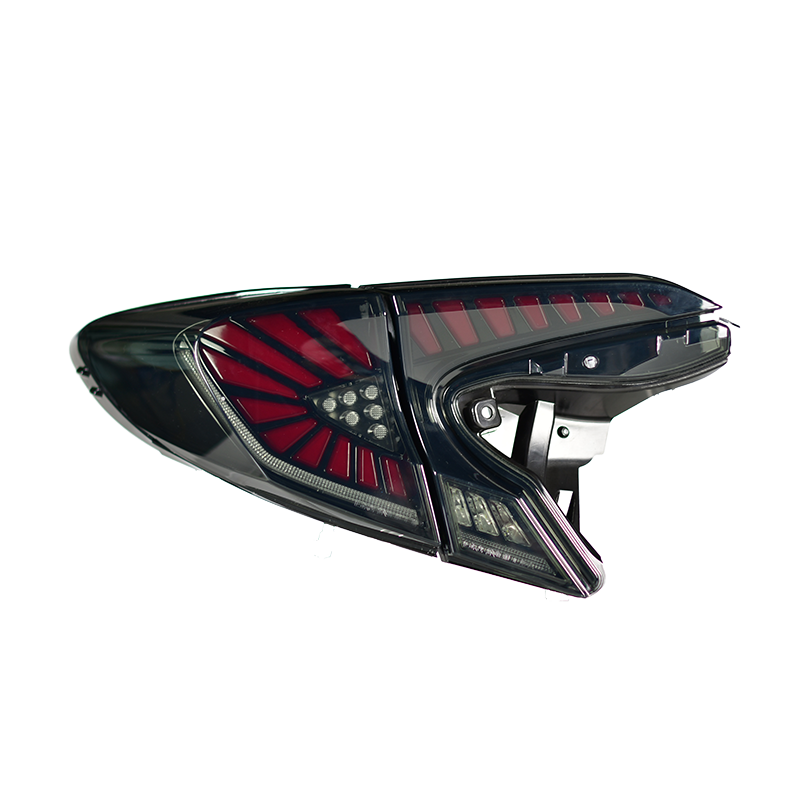
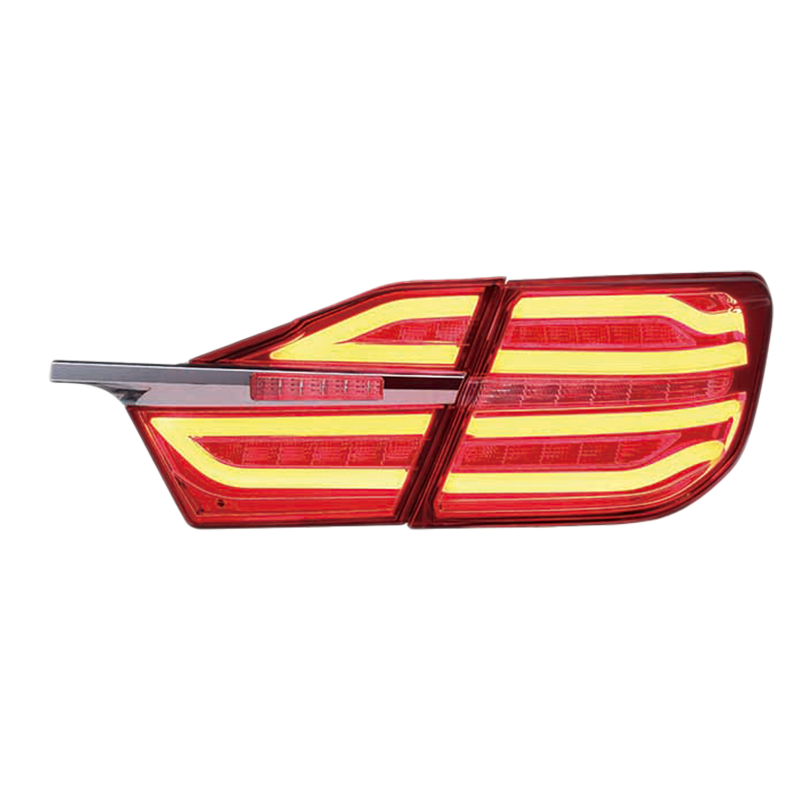
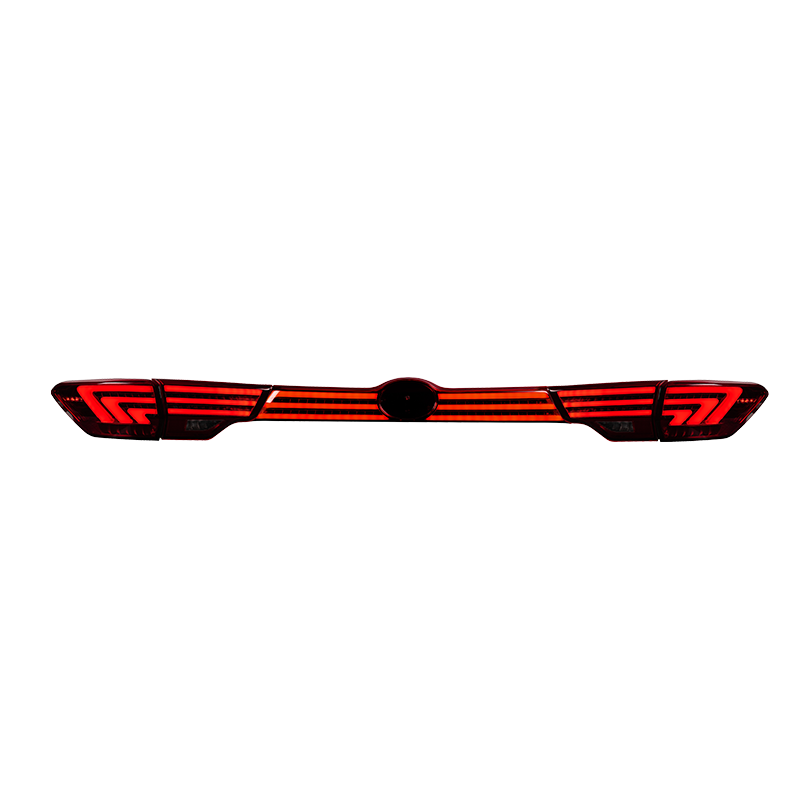
Dark Tail Lights are becoming more than just a style feature. People choose them not only for looks but also for performance. Modern tail lights mix function with appearance, making the rear of a car look neat while still being visible. It's not only about dark lenses; the technology inside matters too.
LED lights have gradually taken the place of older halogen bulbs. They use less energy, produce less heat, and provide a consistent glow. With LED Dark Tail Lights, the signals are sharper and more uniform. This helps the car communicate more clearly with others on the road.
Suppliers also play a key role. A dependable Dark Tail Lights Supplier provides units that fit well with vehicle systems and perform reliably in different conditions. Some suppliers even offer full LED modules with integrated features. Taizhou Baozhiwei Automotive Industry Co., Ltd. works with other manufacturers to ensure that parts meet modern needs, combining style and durability.
LEDs are favored for many reasons. They last longer, use less power, and create less heat. This is especially useful for Dark Tail Lights, where tinted lenses could be affected by temperature.
LEDs also allow for more precise placement inside the light housing. Signals like brake lights, turn indicators, and running lights can be separated into segments, improving clarity for other drivers.
Some benefits of using LEDs include:
With these advantages, Dark Tail Lights can provide both style and safety without compromising either.
Halogen bulbs are still used in some cars, but they have limits. They generate more heat, use more energy, and light output can be uneven. LEDs in Dark Tail Lights solve these issues by giving a steady glow and allowing flexible design shapes.
Other practical advantages are:
Overall, LEDs let designers make tail lights that are both functional and visually appealing, while halogen bulbs often limit what can be done.
Dynamic turn signals, or flowing lights, are a popular feature in Dark Tail Lights. Instead of flashing all at once, the light moves in a sequence. This can make signals more noticeable and easier to understand.
Designers need to think about several things when adding this feature:
Dynamic or sequential lighting can be subtle. It adds a modern feel without affecting safety. Good Dark Tail Lights Suppliers make sure the sequence works smoothly while keeping all lights clear.
Signal separation is crucial for Dark Tail Lights. Brake lights, turn signals, and running lights must be clearly distinct. Dark lenses make this more challenging, so lens and reflector design are very important.
Design considerations include:
| Signal Type | Lens Design Focus | Purpose |
|---|---|---|
| Brake Light | Center or upper segment | Ensure clear visibility for following cars |
| Turn Indicator | Side segment or separated area | Prevent confusion with brake lights |
| Running Light | Outer perimeter | Provides subtle but visible illumination |
With proper internal separation, even a tinted lens allows each signal to remain readable in daylight and darkness. It balances aesthetic appeal with functional clarity.
Modern cars depend a lot on electronic controls for just about everything, including the lights at the back. When someone fits Dark Tail Lights, the main worry often comes down to whether they talk properly to the car's computer network. That network, known as CANBUS in most newer vehicles, keeps an eye on circuits and expects certain electrical behavior from each light function.
If the replacement unit doesn't match what the system anticipates, problems show up fast. Dashboard warnings might light up saying a bulb is out, even when everything looks fine visually. Or the lights could start flickering on and off unexpectedly. These issues stem from basic differences in how power gets used. Older halogen setups draw more current, so the system registers that draw as normal. LED sources in many aftermarket or upgraded Dark Tail Lights pull far less, which can confuse the monitoring circuit.
A solid approach involves modules built with this in mind. They include ways to balance the load so the CANBUS sees something close to the original expectations. Connectors match factory plugs in good designs, reducing chances of loose connections or mismatched wiring during install. Precise fitment helps too – wrong harnesses or poor pin alignment can introduce resistance or intermittent contact that triggers alerts.
Reliable suppliers test their units on various vehicle platforms to catch these quirks early. They focus on models that commonly see upgrades, ensuring the Dark Tail Light assembly responds correctly to brake pedal presses, turn signal stalks, or running light commands without throwing codes.
Even when the design seems right, electrical hiccups can still happen. Flickering often ties back to load mismatches – the system pulses power or cuts it briefly because it thinks something failed. Poor grounding in the install can make this worse, letting voltage fluctuate and cause unsteady illumination. Interference from nearby electronics sometimes plays a role, though it's less common in well-shielded setups.
The darker lens adds another layer. With less light making it through overall, any inconsistency in output stands out more. What might look like minor pulsing on a clear lens can appear dramatic behind a deep tint, drawing attention to the problem quicker.
Common fixes involve adding components that adjust the electrical signature. Resistors wired in parallel bring the draw closer to halogen levels for circuits that monitor it closely, like turn signals. Better grounding – cleaning contact points or running dedicated grounds – stabilizes flow and cuts flicker in many cases. Using higher-grade LEDs and their control drivers helps too; cheap ones sometimes have inconsistent current regulation that shows up as instability.
Weather plays into it as well. In very cold conditions, some LED behaviors change temporarily until they warm up. Heat can affect seals or internal connections if not managed. Condensation inside the housing from poor venting or compromised seals creates its own set of visibility and reliability headaches. That's why picking units with thoughtful thermal design and robust moisture barriers matters.
Tail lights sit out in the open, taking hits from sun, water, road dust, and big temperature swings day after day. How long a Dark Tail Light holds up comes down to the lens choice, any surface treatments, the way internals mount, and how well everything seals together.
Lens materials usually fall into a couple categories. Polycarbonate offers good toughness against impacts and handles optical needs for clear signal colors. Acrylic brings high clarity but might need extra care against scratches or cracks. Both can take protective layers to fight off ultraviolet breakdown that leads to yellowing or haze over time.
UV protection keeps the dark finish from fading unevenly and stops the base plastic from degrading, which could cloud signals or weaken the structure. Coatings or built-in stabilizers make a noticeable difference in sunny climates where exposure runs high.
Sealing keeps water and grit out. Quality gaskets around edges, plus tight assembly methods, block moisture that would otherwise fog the inside or corrode contacts. Some designs add vents that equalize pressure without letting liquids through, cutting condensation risks.
Temperature handling covers both ends. LEDs generate modest heat compared to halogens, but combined with hot summer pavement or engine bay warmth, it adds up. Materials that resist warping or softening under load help. Cold snaps test flexibility – brittle lenses crack easier on impacts.
A quick look at key factors:
Suppliers who run extended exposure tests – simulating years of sun, rain cycles, and thermal shifts – tend to deliver units that stay functional and clear longer.
Dark Tail Lights keep changing as car design and tech move forward. Rear lighting now does more than just signal – it ties into the vehicle's overall character and helps with safety cues.
Sequential patterns for turns, where light sweeps instead of blinking all at once, appear more often. Dynamic effects that adjust based on braking or hazards add layers to communication with drivers behind. These features rely on precise LED placement and control to work cleanly behind tinted lenses.
Durability pushes ahead with better resistance to UV, heat, and minor impacts while holding the dark aesthetic steady. Materials and coatings evolve to balance looks with long-term performance.
Integration with body styling grows tighter. Units that flow with lines and contours make the rear feel more cohesive. Suppliers collaborate closely on fit, electronics matching, and quality checks to support these directions.
The focus stays on blending visual appeal with practical needs. Signals must read clearly in any light or weather, while the overall package enhances the vehicle's presence without shortcuts on reliability or compliance.
We are a modern headlight manufacturer that integrates R&D, design, production and sales. We mainly produce headlamps, taillights, daytime running lights and other automotive lighting products.
Add: No.3 Shiyang Road, Ningxi Town, Huangyan District, Taizhou City, Zhejiang Province, China
Tel: +86-13105675552 / +86-15606586299
Fax: +86-576-89161556
E-mail: [email protected]
Copyright © Taizhou Baozhiwei Vehicle Industry Co.,Ltd. All Rights Reserved.

 English
 русский
 Español