Call us

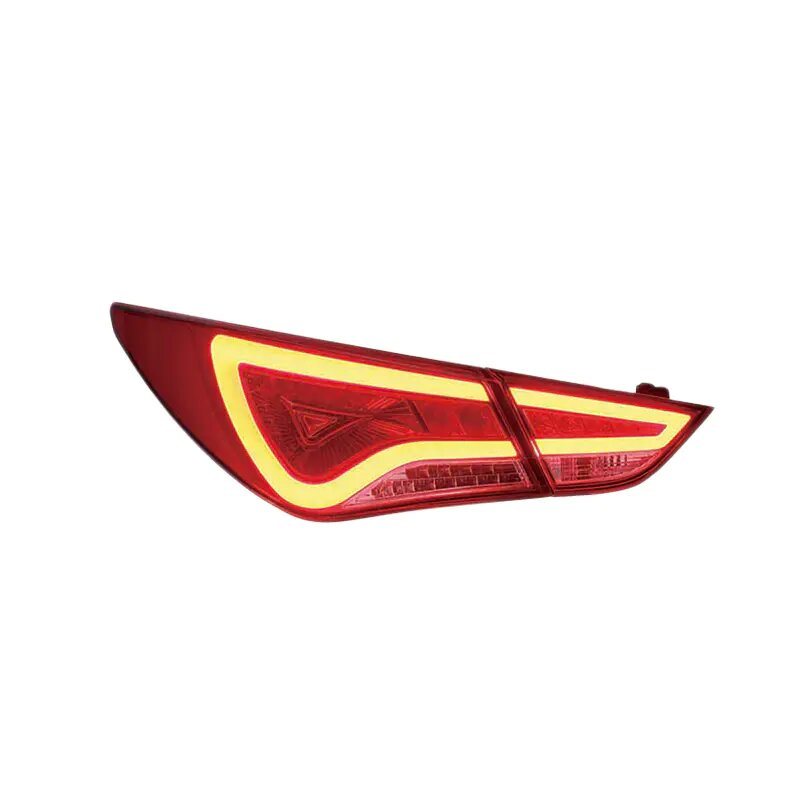
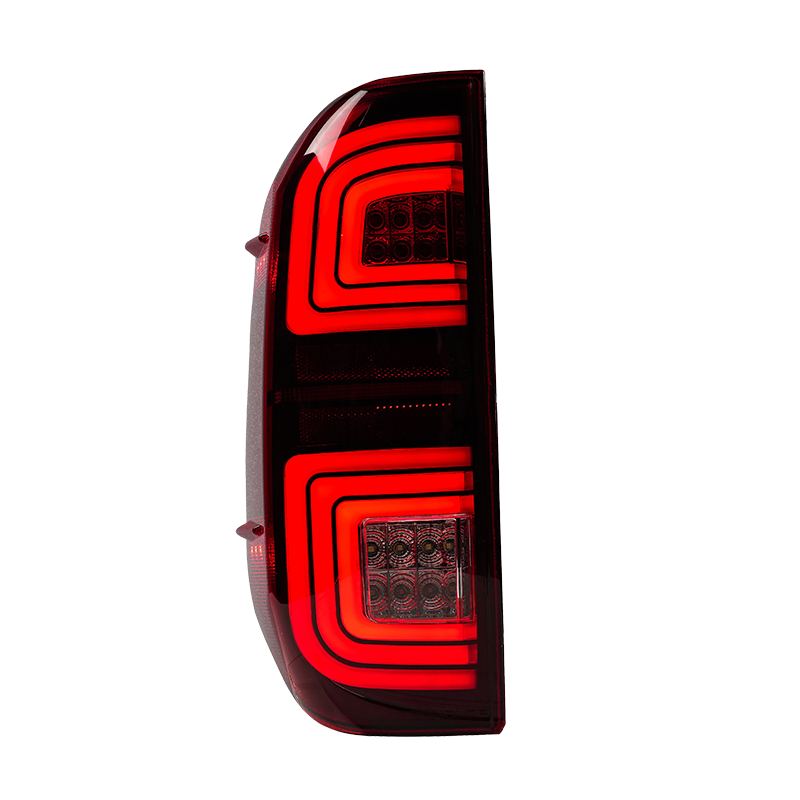
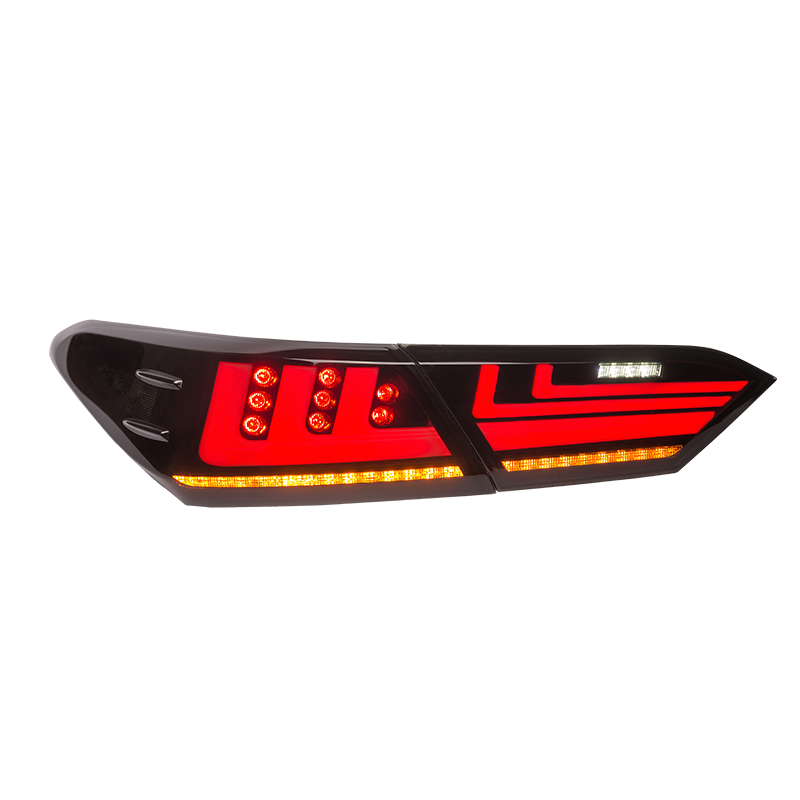
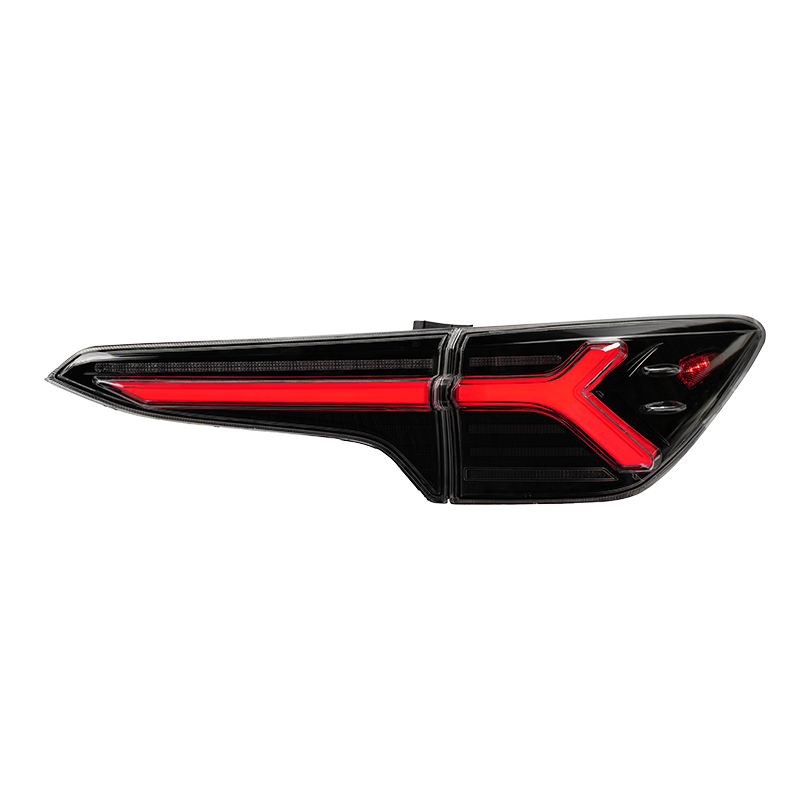
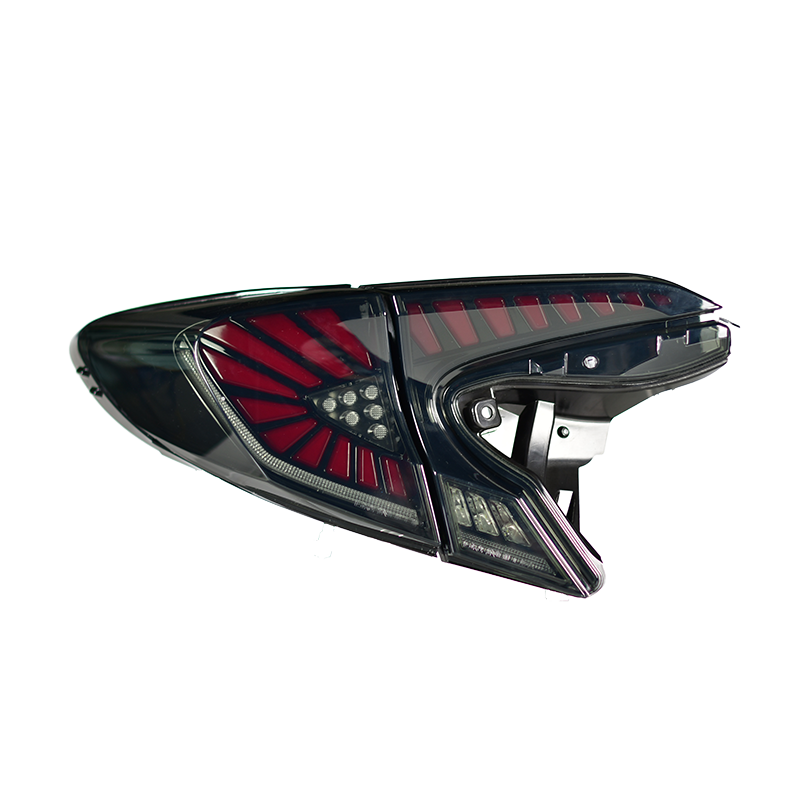
Dark Tail Lights have become a common choice for people looking to add a different look to their cars. There are several finishes to choose from, like mirror black, smoked gray, and lightly tinted lenses. Each finish gives a slightly different effect. Mirror black tends to reflect the surroundings and blends smoothly with darker car bodies. Smoked gray is softer, not too dark, but still adds depth to the rear design. Lightly tinted versions keep some visibility of the internal light structure, offering a more balanced look for those who want subtle style.
Some people may wonder if darker lights are too bold during the day. They might feel like the signals are hard to see. But in most designs, the shading is controlled. The key is to make sure the lights look neat without hiding their function. At night, darker lenses can make the light stand out more because the body panels around them are less noticeable. This creates a different visual feeling depending on the lighting and angle.
Visual layering is not only about color. It is also about how light and shadow interact. Some drivers choose Dark Tail Lights because they want a clean rear look. Others prefer a deeper shade to make the vehicle feel more defined. Different finishes let designers play with subtle contrasts, giving cars a slightly different personality without changing the overall shape.
The tone of Dark Tail Lights can influence how people see a car. When the lenses are darker, the rear design may look more uniform. It reduces the contrast between the lights and the car body. Cars with darker finishes often appear calm and composed. But they can also feel slightly more modern or serious. It's not about being flashy. Just a simple, integrated appearance.
Some vehicles have lighter colors or shiny panels. In those cases, darker tail lights create a gentle contrast that draws attention without being overwhelming. People often choose the shade based on the style they want rather than trends. A balanced tone makes the car look neat from a distance. It also works well when paired with other design elements like wheels, trim, or rear spoilers.
Dark Tail Lights can subtly change a vehicle's personality. For instance, a car may look more individual without any major body modifications. Many drivers see it as a small upgrade that makes a difference in the overall impression. Not too loud. Just noticeable enough to feel special.
One of the main questions about Dark Tail Lights is whether they make turn signals or brake lights harder to see. Darker lenses can reduce light transmission if not designed carefully. But most modern designs take this into account. Internal reflectors and the shape of the lens allow light to pass clearly. Brake, running, and turn signals are usually separated inside the housing to keep everything visible.
Some points to consider for signal clarity:
A good Dark Tail Lights Supplier ensures that aesthetics don't interfere with safety. Even with darker finishes, signals should be easy for other drivers to recognize in different conditions. Daytime, nighttime, rainy or foggy—these factors are all part of the design.
Material choice matters a lot for both appearance and durability. Dark Tail Lights are mostly made of polymers because they are lightweight and moldable. Two common materials are PC (polycarbonate) and PMMA (acrylic). Each has its strengths.
| Material Type | Main Characteristics | Advantages for Dark Tail Lights |
|---|---|---|
| PC (Polycarbonate) | Flexible, impact-resistant | Handles minor bumps, keeps shape under stress |
| PMMA (Acrylic) | Clear, smooth surface | Shows depth well, maintains visual clarity |
Polycarbonate is tough. It bends slightly under pressure and is less likely to crack. Acrylic looks polished and sharp. Both can be tinted or coated to achieve the desired dark effect. The choice depends on whether strength or clarity is more important. Some designs even mix treatments to get a balance between durability and visual depth.
Dark Tail Lights face sunlight every day. UV rays can slowly change the lens color. Over time, some lenses might look slightly yellow or hazy. That is why material and coating are important. A properly treated lens keeps its original tone longer, even under strong sun exposure.
Factors that influence color stability:
Environmental factors also play a role. Cars parked outside frequently or driven in sunny regions may notice small changes faster. But a well-designed Dark Tail Lights system can handle this without showing significant differences. Drivers can expect the appearance to stay consistent for years under normal conditions.
Dark Tail Lights are often exposed to heat, both from the lights themselves and from the sun. Over time, high temperatures can cause some materials to warp or fade. Polycarbonate lenses are more flexible, which allows them to bend slightly instead of cracking. Acrylic lenses look very clear and smooth, but they can be less forgiving under extreme heat.
Impact is another concern. Road debris, stones, or minor bumps can hit the rear lights. Flexible materials help absorb these shocks. Designers think carefully about lens thickness, shape, and materials to make sure the lights last.
Some factors that affect durability:
Good Dark Tail Lights Suppliers usually test both heat and impact before production. This helps ensure each unit performs consistently, even under everyday wear and tear.
Moisture inside a tail light is a common problem. Water or humidity can get in through small gaps. Condensation forms, and it can leave marks or blur the signals. Proper sealing is key to prevent this.
Ways to prevent moisture:
Well-sealed Dark Tail Lights remain clear, even in rainy conditions or when driving through puddles. This also helps the light last longer. Without proper sealing, even the strongest materials may fail over time.
Cars face sun, rain, dust, and cold or hot temperatures. Dark Tail Lights need to hold up in all of these conditions. The combination of materials, coatings, and design ensures they stay stable.
Things to consider for outdoor performance:
Regular exposure to harsh conditions tests durability. A reliable Dark Tail Lights Supplier designs components to handle these factors so drivers get consistent appearance and performance.
Compared to standard lights, Dark Tail Lights may change appearance slightly over time. The main differences are visual, not structural. Proper materials, sealing, and maintenance can keep them looking good for many years.
Factors affecting service life:
Even the best materials can fail if installation is poor. Proper cleaning also helps. Avoid harsh chemicals or abrasive tools, and the lights can maintain clarity longer. Drivers often notice that a carefully installed dark lens stays consistent, even with daily use.
Dark Tail Lights are becoming more integrated into overall car design. Designers focus on subtle styling that complements the car, rather than making the lights stand out too much. Balance between look and clarity remains key.
Some trends in the industry:
Taizhou Baozhiwei Vehicle Industry Co.,Ltd. works with manufacturers to produce lights that follow these trends. They provide components that balance appearance, durability, and clarity for vehicles on the road.
We are a modern headlight manufacturer that integrates R&D, design, production and sales. We mainly produce headlamps, taillights, daytime running lights and other automotive lighting products.
Add: No.3 Shiyang Road, Ningxi Town, Huangyan District, Taizhou City, Zhejiang Province, China
Tel: +86-13105675552 / +86-15606586299
Fax: +86-576-89161556
E-mail: [email protected]
Copyright © Taizhou Baozhiwei Vehicle Industry Co.,Ltd. All Rights Reserved.

 English
 русский
 Español