Call us

Glancing in the rearview mirror at night and getting momentarily blinded by someone's aftermarket tail lights, that's an experience most drivers have had, and it's exactly the kind of situation that makes people pause before installing custom car led tail lights on their own vehicle. Nobody wants to be the driver other people complain about, and nobody wants a modification that ends up flagged during an inspection either. Figuring out where the actual safety line sits matters more than most people initially assume.
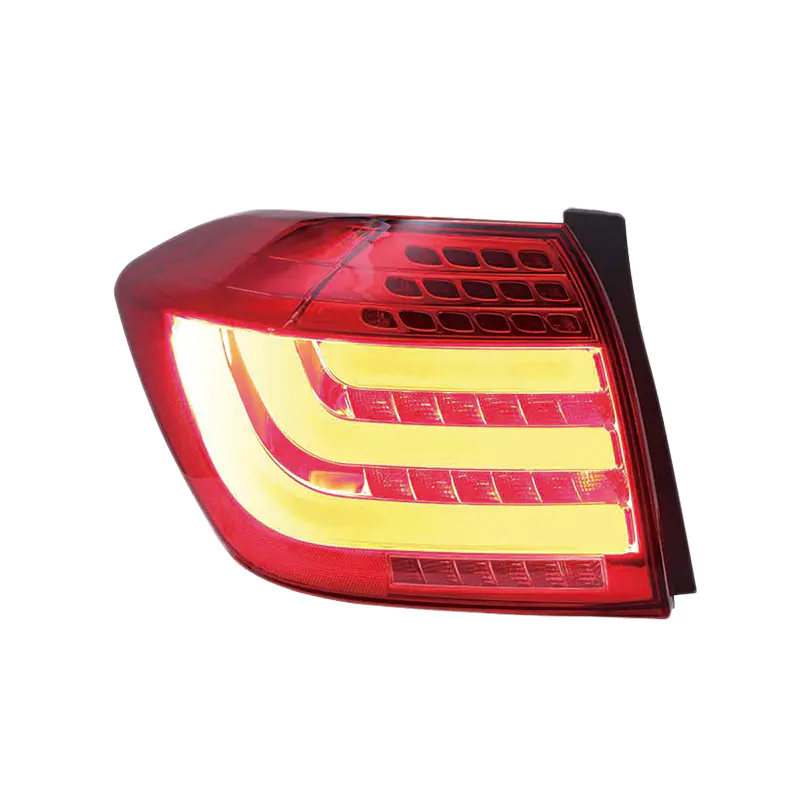
There's a common assumption that more visible must mean safer, and while that logic holds up to a point, it breaks down fast once brightness crosses into glare territory. A tail light bright enough to dazzle the driver behind you creates its own hazard, momentarily disrupting their vision and reaction time in exactly the moment quick response might matter.
Safe brightness really comes down to a balance. The light needs enough output to remain visible in daylight, fog, or heavy rain, but not so much that it becomes uncomfortable or distracting for drivers following behind. This balance is precisely why lighting regulations across different regions exist in the first place, setting boundaries meant to protect visibility without tipping into discomfort or distraction.
Not really, and that's part of why this question gets asked so often. Regional vehicle regulations vary, and what counts as compliant in one area might not match requirements somewhere else. Rather than chasing a single fixed number, buyers are better served understanding the general principles regulators apply, since those principles tend to hold steady even when specific thresholds shift by region.
Vehicle lighting standards generally aren't concerned with hitting an exact brightness figure so much as ensuring a few practical outcomes get met consistently.
These principles apply broadly across most regional frameworks, even though the specific numeric thresholds and testing methods differ depending on where a vehicle is registered and driven.
No, and this is where things get genuinely complicated for anyone importing or exporting lighting components across borders. Some regions lean toward stricter beam control requirements, others place more emphasis on color consistency, and enforcement practices vary considerably too. Anyone sourcing or distributing lighting products across multiple markets needs to stay aware of these differences rather than assuming one certification covers every jurisdiction automatically.
Not every part of a tail light assembly needs the same brightness level, and this distinction trips up a lot of buyers who assume uniform output across the whole unit makes sense.
| Function | Typical Brightness Need | Reason |
|---|---|---|
| Running or position light | Lower, steady output | Needs constant visibility without overwhelming following drivers |
| Brake light | Higher output than running light | Signals sudden stopping, needs to stand out clearly |
| Turn signal | Distinct pulsing pattern | Draws attention through movement rather than raw brightness alone |
| Fog light function | Moderate, wide spread | Cuts through reduced visibility conditions without excessive glare |
This is why multi function led tail lights matter so much in this conversation. A unit that handles several roles at once needs each function calibrated separately rather than relying on one flat brightness setting across the board.
Several design elements shape how a tail light performs once it's actually mounted and running, beyond just the raw specification printed on packaging.
Get any of these wrong and even a properly rated component can behave unpredictably once installed, either underperforming in visibility or creating glare it was never intended to produce.
Yes, unfortunately, and this happens more often than buyers expect. A component might carry proper certification on paper, yet poor lens alignment or incorrect housing angle during installation can still cause unwanted glare in practice. This is exactly why installation quality matters just as much as the base component specification.
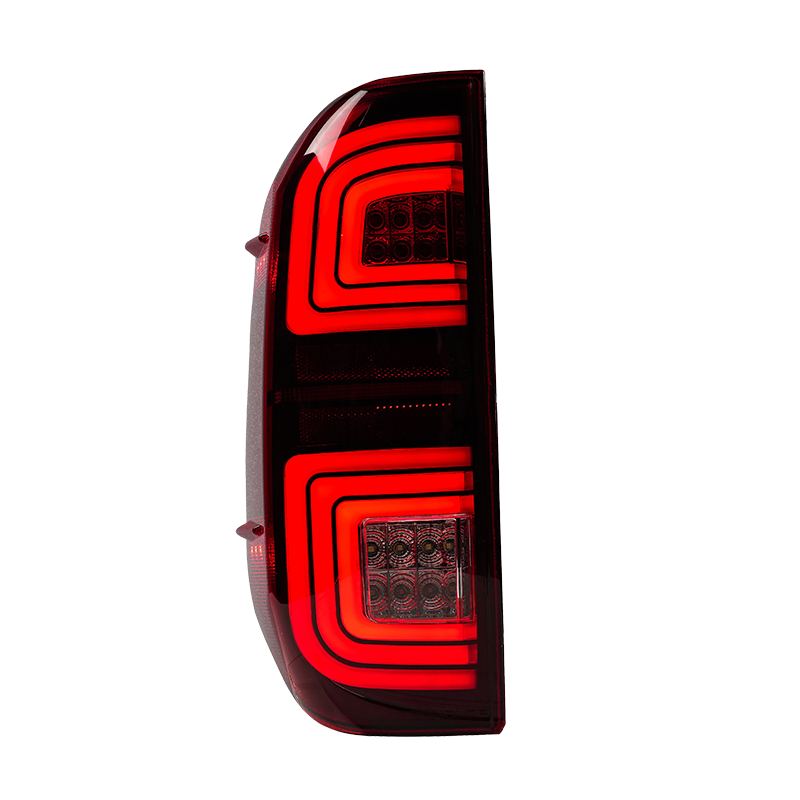
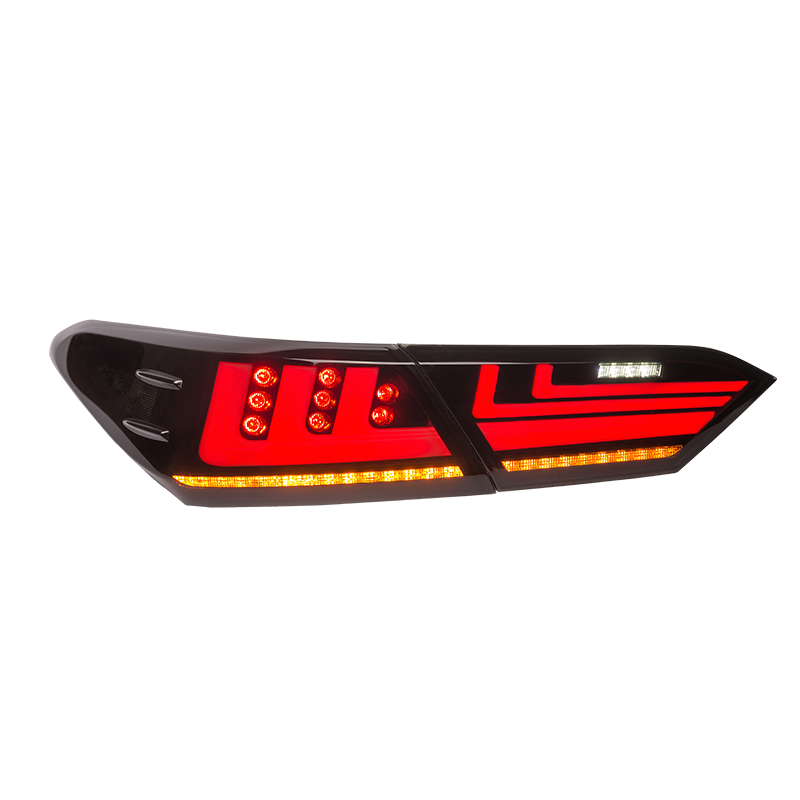
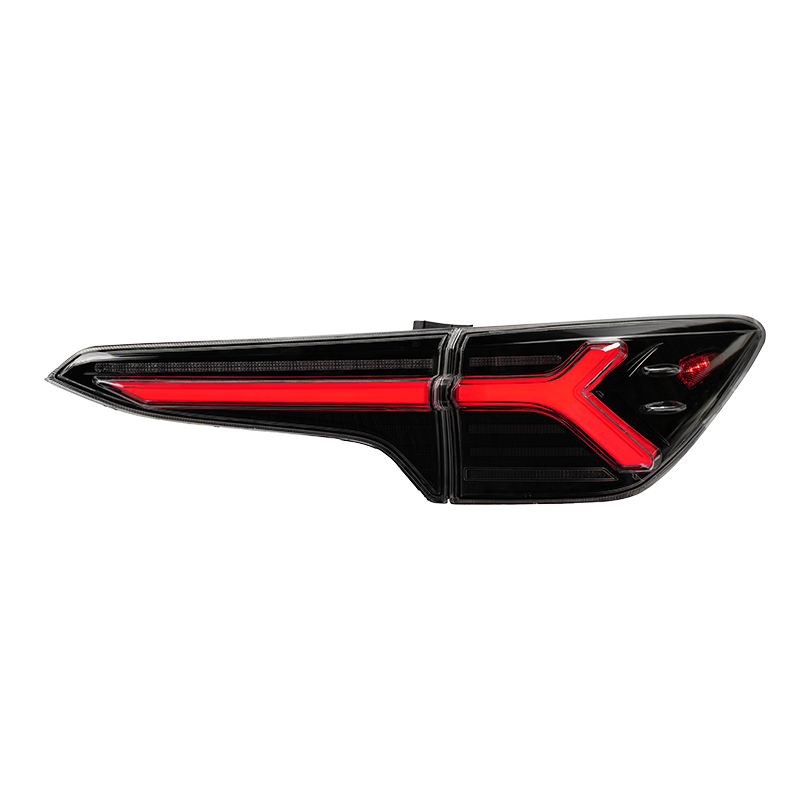
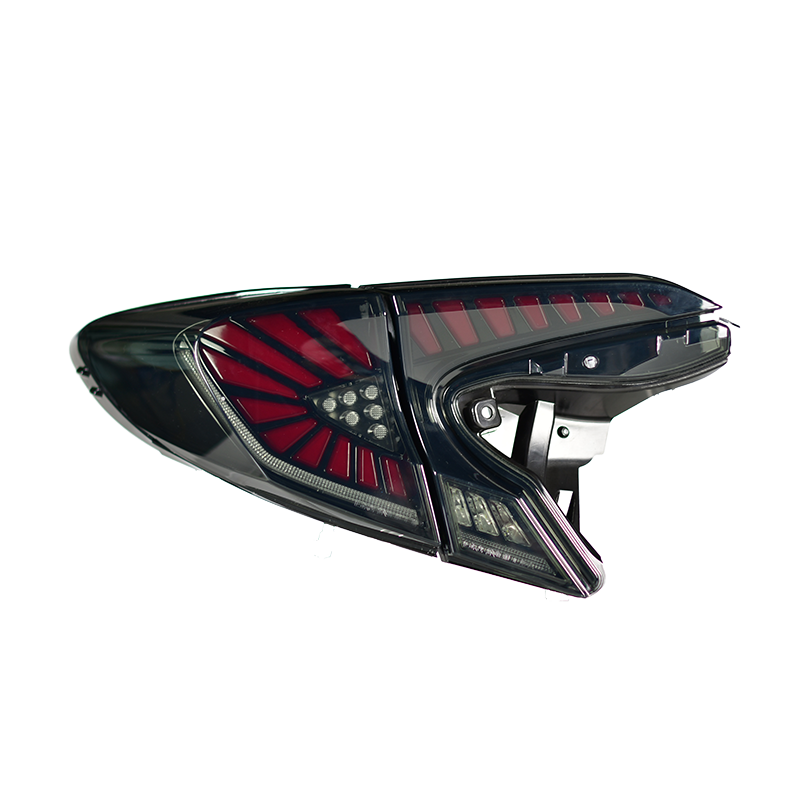
Buyers evaluating lighting options, particularly when considering custom car led tail lights for a vehicle project, should look beyond marketing claims and dig into a few concrete indicators.
A supplier willing to walk through these details openly tends to be more trustworthy than one relying purely on brightness numbers without context around how that brightness actually translates into real world glare or visibility performance.
This comparison comes up frequently among buyers weighing whether to stick with factory equivalent parts or move toward a custom setup. Oem led tail lights generally already align with the brightness and beam requirements the original vehicle manufacturer designed around, meaning less guesswork involved in matching regional compliance.
Custom options offer more styling flexibility and often improved efficiency, but they place more responsibility on the buyer or installer to confirm the product actually meets applicable lighting standards for their specific region. Waterproof led tail lights, while not directly tied to brightness safety, do matter here too since moisture intrusion over time can degrade internal components and shift brightness output unpredictably as a unit ages.
Not necessarily, though it does require more diligence. A properly engineered custom unit from a manufacturer that understands regional compliance requirements can perform just as reliably as an OEM equivalent, sometimes with better efficiency or design flexibility built in. The risk mainly shows up when buyers skip verification steps and assume any aftermarket product automatically meets the same standards factory parts were built around.
For distributors, dealers, or fleet buyers sourcing lighting components at volume, a few pointed questions tend to separate a dependable manufacturing partner from one likely to create compliance headaches later.
Getting straight answers to these questions upfront saves considerable trouble compared to discovering a compliance gap after a shipment has already reached customers.
Safe brightness for tail lights isn't really about chasing the highest possible output, it comes down to matching each lighting function to its actual purpose while staying within the visibility and glare boundaries regional regulations establish. Running lights, brake signals, and turn indicators each carry different brightness demands, and a well designed unit accounts for that rather than treating the whole assembly as one uniform brightness setting. Buyers considering custom car led tail lights or comparing against OEM equivalents should prioritize documentation and beam testing over raw brightness marketing claims, since a component that looks impressive on paper can still create glare problems once mounted incorrectly or paired with the wrong lens design. Taizhou Baozhiwei Vehicle Industry Co.,Ltd. works with distributors, dealers, and vehicle brands navigating exactly these compliance and sourcing decisions, offering production capability across tail light configurations suited to varying regional requirements, and welcomes an inquiry from any team ready to discuss specifications for an upcoming project.
We are a modern headlight manufacturer that integrates R&D, design, production and sales. We mainly produce headlamps, taillights, daytime running lights and other automotive lighting products.
Add: No.3 Shiyang Road, Ningxi Town, Huangyan District, Taizhou City, Zhejiang Province, China
Tel: +86-13105675552 / +86-15606586299
Fax: +86-576-89161556
E-mail: [email protected]
Copyright © Taizhou Baozhiwei Vehicle Industry Co.,Ltd. All Rights Reserved.

 English
 русский
 Español