Call us

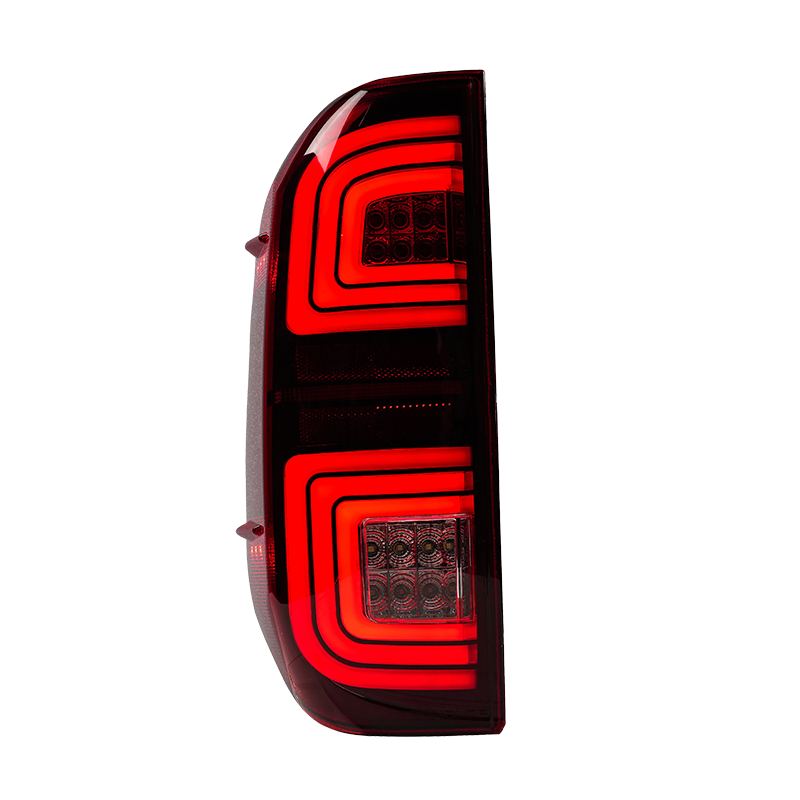
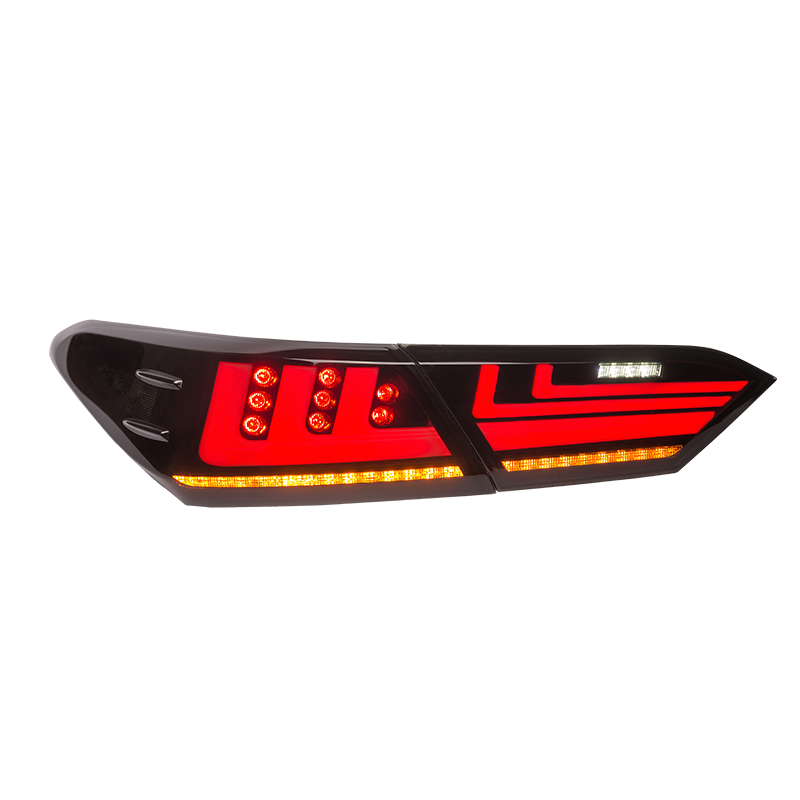
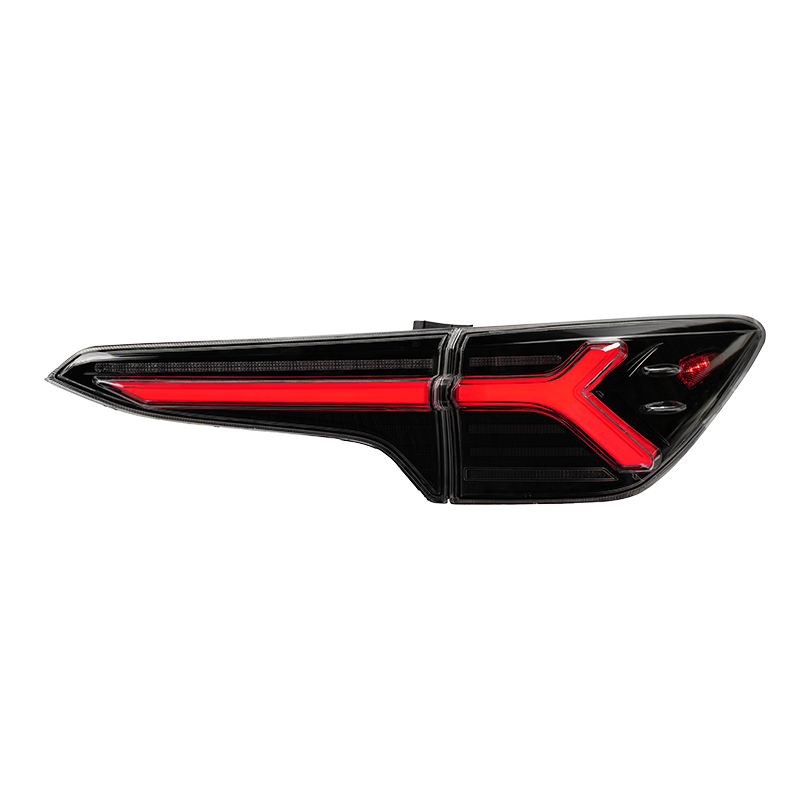
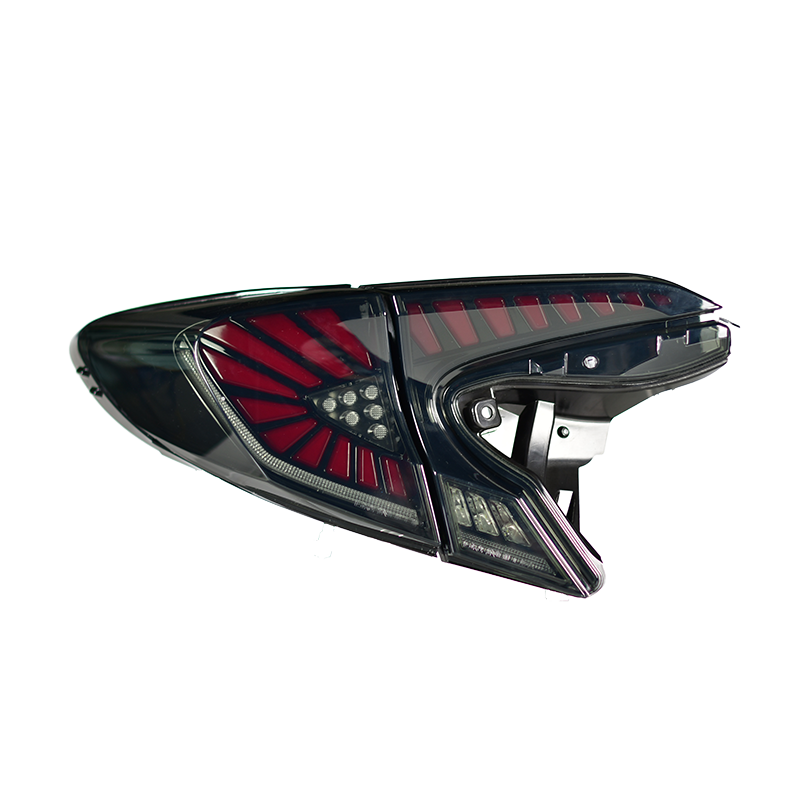
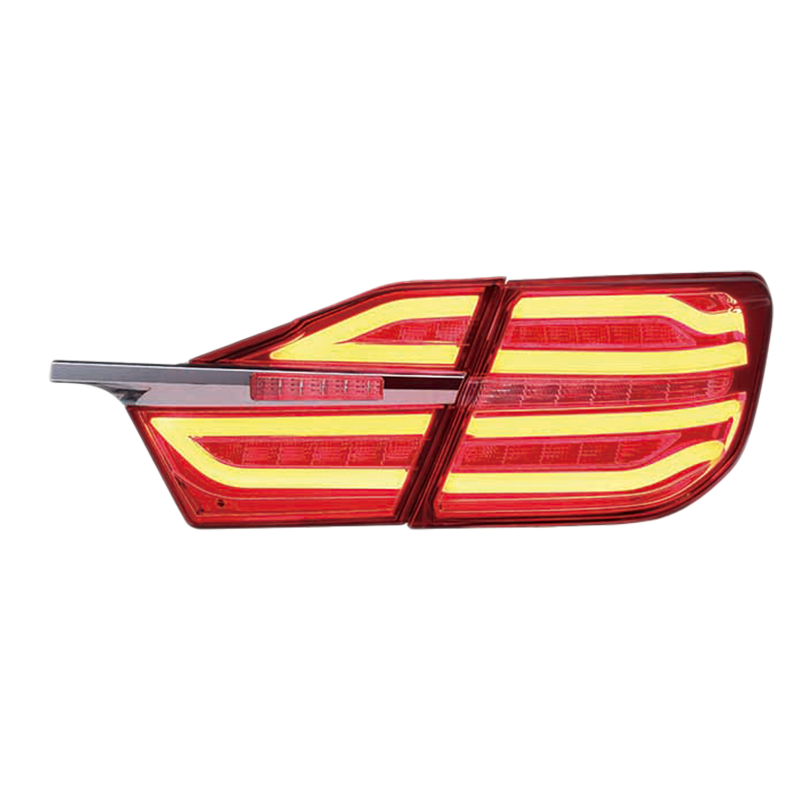
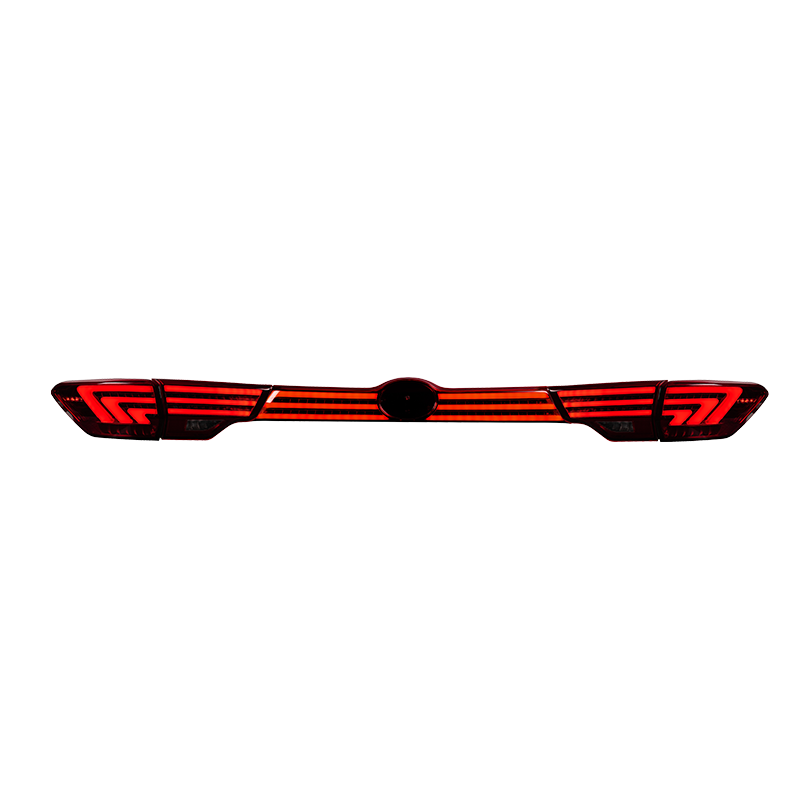
When people think about customizing a vehicle, the big changes tend to grab attention first — new wheels, a fresh paint job, exterior add-ons. But some of the smaller details end up shifting how a car feels more than anyone expects. Lighting falls into that category. Headlights and taillights are part of a vehicle's visual identity in a way that's easy to overlook; they're seen every single time the car approaches or pulls away. Because of that constant visibility, altering their look can shift a vehicle's whole character without touching the body at all. Smoke Headlights and Taillights have become a fairly common route for drivers chasing a darker, more personalized look. The concept itself isn't complicated — clear lenses get swapped for a smoked finish, changing the visual effect while the lighting stays integrated with the rest of the design. Some owners want that sportier edge. Others just want the car to feel cleaner, more theirs. Sometimes a small change around the lights is enough to make the entire exterior read differently. Part of the appeal here is balance. This kind of lighting modification shifts appearance without demanding a full redesign, which is exactly why so many enthusiasts consider it when planning exterior work.
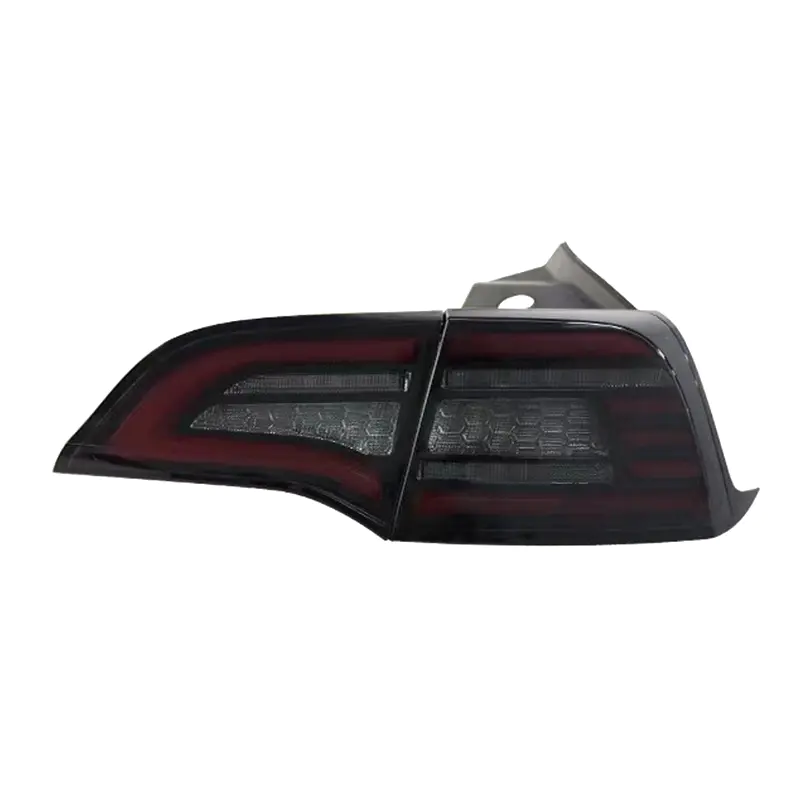
These are vehicle lights with a darker cast compared to the standard clear housings most cars ship with. The smoked treatment changes how the housing itself reads, giving the front or rear end a more customized feel.
"Smoke" doesn't always mean the same thing, though. Some finishes stay lightly tinted; others go for something much deeper and darker. Where a particular vehicle lands on that spectrum comes down to the car's style, the lighting design itself, and honestly, just what the owner wants.
Unlike bolting on external decorations, this kind of change touches an area that's already baked into the vehicle's original design. That's part of why it tends to feel natural once it's matched well — it's not an addition so much as an alteration.
A vehicle's lighting rarely exists in isolation. Body lines, paint color, wheel choice, trim — all of it plays into whether a darker lighting style actually lands the way an owner hopes. A modern, angular exterior might absorb the smoked look easily. A lighter-colored car, though, could end up with more contrast, making the modification stand out rather than blend in. The effect isn't just about darkness for its own sake — it's about how the different pieces of a vehicle start talking to each other differently.
A car's overall appearance comes from a lot of small, connected details. Sometimes altering just one of them ripples out into the whole impression.
Darkening the lights hits one of the most visible areas on a vehicle, which is exactly why the effect can feel outsized relative to the actual physical change. A darker finish often makes the front or rear section feel more cohesive, particularly when it lines up with other styling decisions already in play.
Most factory vehicles are built with a broad audience in mind, so their stock appearance tends to stay fairly neutral. Custom lighting gives an owner a way to step outside that baseline.
A few different impressions tend to follow from this kind of change:
What's interesting is how much the outcome depends on the specific vehicle. The exact same treatment can look almost unrecognizable from one car to another. On a compact vehicle, a dark finish might read sharp, almost aggressive. Put that same approach on something larger, and it can come across as more refined instead. That's part of why enthusiasts tend to think through the whole design rather than fixating on the lights alone.
Modification, at its core, is personal. Two people could own the exact same car and want completely different things from it.
Some drivers chase performance upgrades. Others lean into styling because it lets them build something that feels distinctly theirs. Darkened lighting draws interest because it delivers a real, visible shift without requiring body work — no need to overhaul the whole vehicle just to make it look different.
There's also a trend element at play. Darker lighting tends to get associated with customized builds generally, which gives it a certain visual shorthand — people see it and read "modified" almost instantly.
Some owners are after a sportier feel and pair the darker lights with matching wheels or trim. Others keep it simpler — they just want the car to feel less generic while the rest of the design stays untouched.
There's a practical angle too. Since headlights and taillights already carry so much visual weight, updating their look tends to produce a more noticeable shift than fussing with smaller decorative details would.
Not really, no — the car's underlying design matters a lot here. A vehicle with sharp, angular lines and a darker body might take to this modification naturally. Something with softer, rounder shapes could end up feeling different in a less flattering way.
Before committing, most owners think through how well the change will actually fit what they're starting with.
| Factor | Why It Matters |
|---|---|
| Vehicle color | Affects how the darker finish blends with the body |
| Exterior style | Determines whether the change feels natural or forced |
| Light design | Shapes the overall visual outcome |
| Personal preference | Sets the direction the whole build takes |
A common misstep in customization work is zeroing in on one element without stepping back to consider the whole picture. A part can look great in isolation and still feel disconnected once it's actually on the car. Good styling tends to come from balance — the lighting should support the vehicle's identity, not fight against it.
The process varies quite a bit depending on the product and the vehicle itself. Some owners go with full replacement components; others opt for surface treatments that create the smoked look without swapping parts entirely. Each path comes with its own tradeoffs.
Installation deserves real attention, since vehicle lights aren't purely decorative — they still need to function properly once the work is done. A few things tend to matter most during the process:
Rushed work tends to show. Uneven application or a poor fit can leave a car looking less polished than intended. Because lighting ties so closely to safety, plenty of owners bring in professional help rather than handling it solo — though drivers with more modification experience often prefer doing it themselves. Which route makes sense really depends on the complexity of the job and how confident the owner feels tackling it.
This isn't purely a visual decision — it needs to fit the vehicle, the way it's driven, and whatever local rules apply.
Style goals matter first. Some owners want something bold and obvious; others prefer a more subtle shift. How dark the finish actually is can change the outcome significantly — something that looks striking in a product photo can read very differently once it's mounted on a real car in daylight.
Environment plays a role too. Paint color, other exterior accessories, day-to-day driving conditions — all of it factors into whether the final look matches what the owner pictured.
Maintenance is worth factoring in as well. Like most exterior parts, this kind of lighting needs regular care to hold its appearance over time. Simple, consistent cleaning helps prevent buildup, though harsh products should be avoided since they can damage the surface finish.
And regulations shouldn't be an afterthought. Lighting rules differ by location, so it's worth confirming any change stays within what's allowed for normal road use.
Keeping things looking right afterward takes some ongoing attention. Since these lights sit exposed to the elements, they pick up dust, water spots, and road grime over time — regular cleaning keeps that from becoming a real issue.
During normal vehicle upkeep, it's worth checking the lights for any change in surface condition. Catching small problems early tends to make them much easier to deal with.
Maintenance generally comes down to a short list: cleaning the surface with care, checking for visible damage, steering clear of harsh cleaning products, and keeping the surrounding area free of heavy grime buildup.
A customized vehicle usually reflects real time and attention on the owner's part, and keeping the lighting clean is part of preserving that effort. Even a small, contained area like this can shape how the entire exterior reads at a glance.
Not every modification needs to be dramatic. Plenty of owners would rather refine a vehicle's look while keeping its original character intact, and this kind of lighting change fits that mindset well — it shifts a highly visible part of the exterior without touching the vehicle's underlying structure. For some drivers, it's about pushing toward a more aggressive stance. For others, it's really about tightening up the overall design so everything feels coordinated. Either way, the outcome depends heavily on how the modification works alongside everything else — wheels, color, trim, the whole picture. A build that actually succeeds tends to reflect something personal about the owner, and this remains one of the simpler ways to get there: a visually noticeable change built from a fairly straightforward decision.
We are a modern headlight manufacturer that integrates R&D, design, production and sales. We mainly produce headlamps, taillights, daytime running lights and other automotive lighting products.
Add: No.3 Shiyang Road, Ningxi Town, Huangyan District, Taizhou City, Zhejiang Province, China
Tel: +86-13105675552 / +86-15606586299
Fax: +86-576-89161556
E-mail: [email protected]
Copyright © Taizhou Baozhiwei Vehicle Industry Co.,Ltd. All Rights Reserved.

 English
 русский
 Español