Call us

Choosing a Honda tail lamp isn't just a matter of finding a photo that looks like the one on the car. Parts that seem almost identical can differ in the way they attach, the connector they use, or the lighting functions inside. The differences may come down to a model year, body style, trim, or the market where the vehicle was sold.
For wholesalers, importers, distributors, and repair shops, a mismatch can delay a repair, leave stock sitting in the warehouse, or lead to a costly return. A few checks before ordering can prevent a lot of back-and-forth.
Start with the vehicle itself. “Honda Civic” or “Honda Accord” is too broad to identify every tail lamp, especially when the model has been sold across several generations. The shape of the rear lights can change with a redesign, and some updates happen partway through a model run.
Body style matters, too. A Civic sedan and hatchback may have different rear lamp assemblies, even when they were sold in the same year. Vehicles built for different markets can also use different lighting arrangements. Trim level is worth noting when a model has more than one factory lighting setup.
Collect the model, year, body style, and sales market before searching. A VIN can help narrow the application down. Be wary of broad fitment ranges unless the supplier can explain which versions are covered.
A listing might say a lamp fits Civic models from 2016 to 2021, for example, but that doesn't guarantee it fits every version. It may cover only the sedan or exclude a facelift model. Get the application details if the range is vague.
The number printed on the original tail lamp is often a useful starting point. It gives you a specific reference to compare with the replacement, especially when several assemblies look alike. If the old lamp is still on hand, take a clear photo of its label before disposing of it.
A replacement supplier may use its own SKU or an aftermarket reference number, so the numbers won't always match one-to-one. Some listings also cross-reference more than one OEM number. That can be legitimate, but it's worth knowing which applications those numbers refer to instead of assuming they all mean the same thing.
Keep the original number alongside the supplier's part number, vehicle application, and lamp side. These details make repeat orders easier and help prevent similar-looking parts getting mixed up in stock.
When the original number is missing or unreadable, give the supplier the vehicle details and ask how they verified the fitment. A VIN or reliable vehicle parts information may help. A guess based on the shape of the lamp is much less useful.
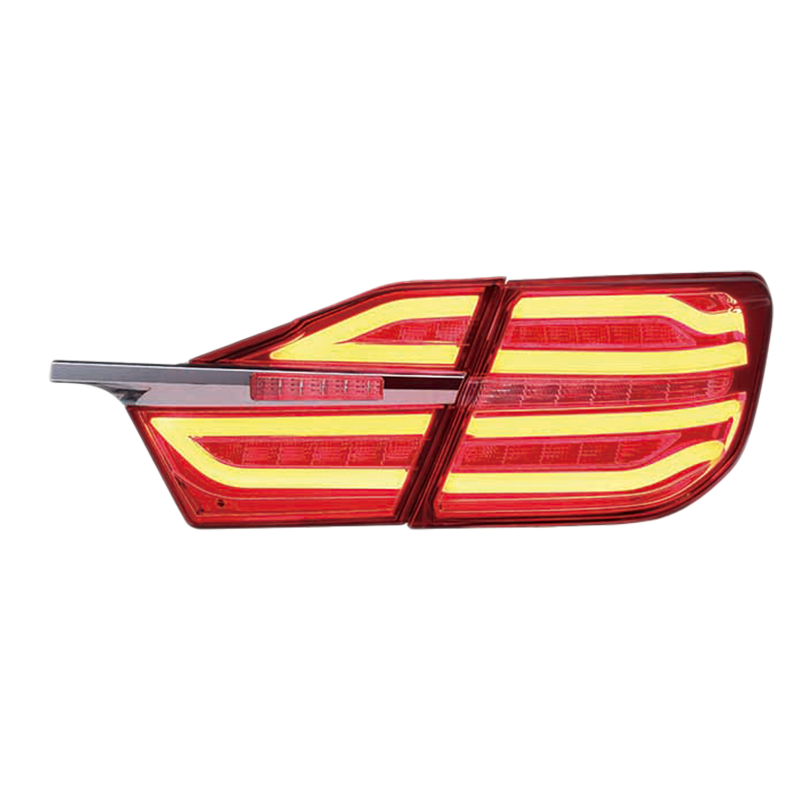
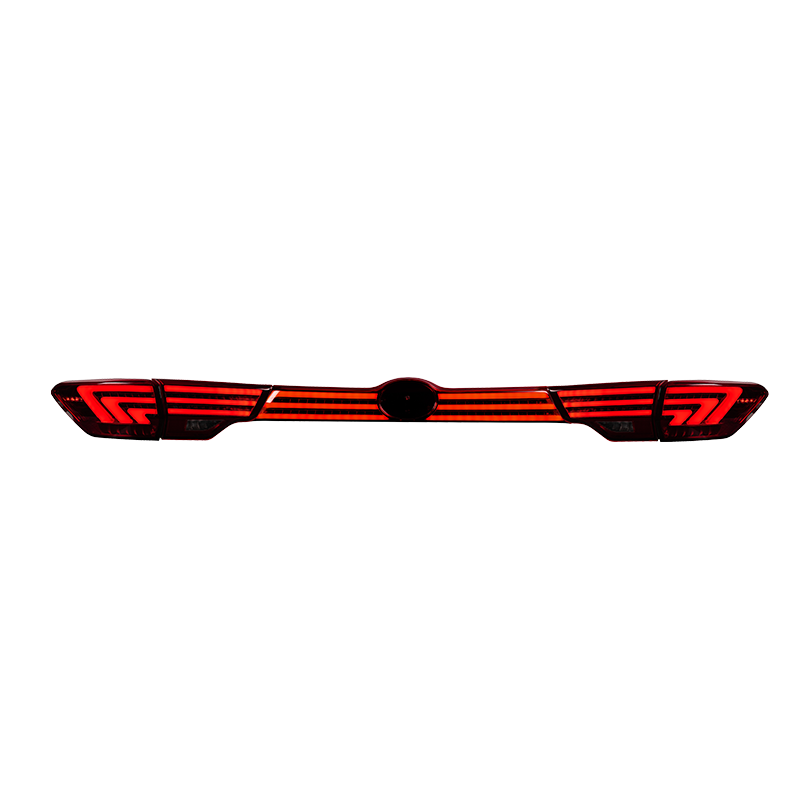
Rear lighting on some Honda models is split between the body panel and the trunk lid or tailgate. These are separate pieces, even if the design makes them look like one continuous lamp. A buyer who orders the outer section when the repair needs the inner one will still be left with the wrong part.
Left and right assemblies can be easy to confuse in product photos, too. A front-facing image may hide differences in the back of the housing or the mounting layout. When ordering more than one version, spell out the position in the purchase order instead of relying on a product nickname.
Before ordering, note the side, inner or outer position, and whether you need one lamp or a pair. The quotation should also say whether it covers the full assembly or just one section.
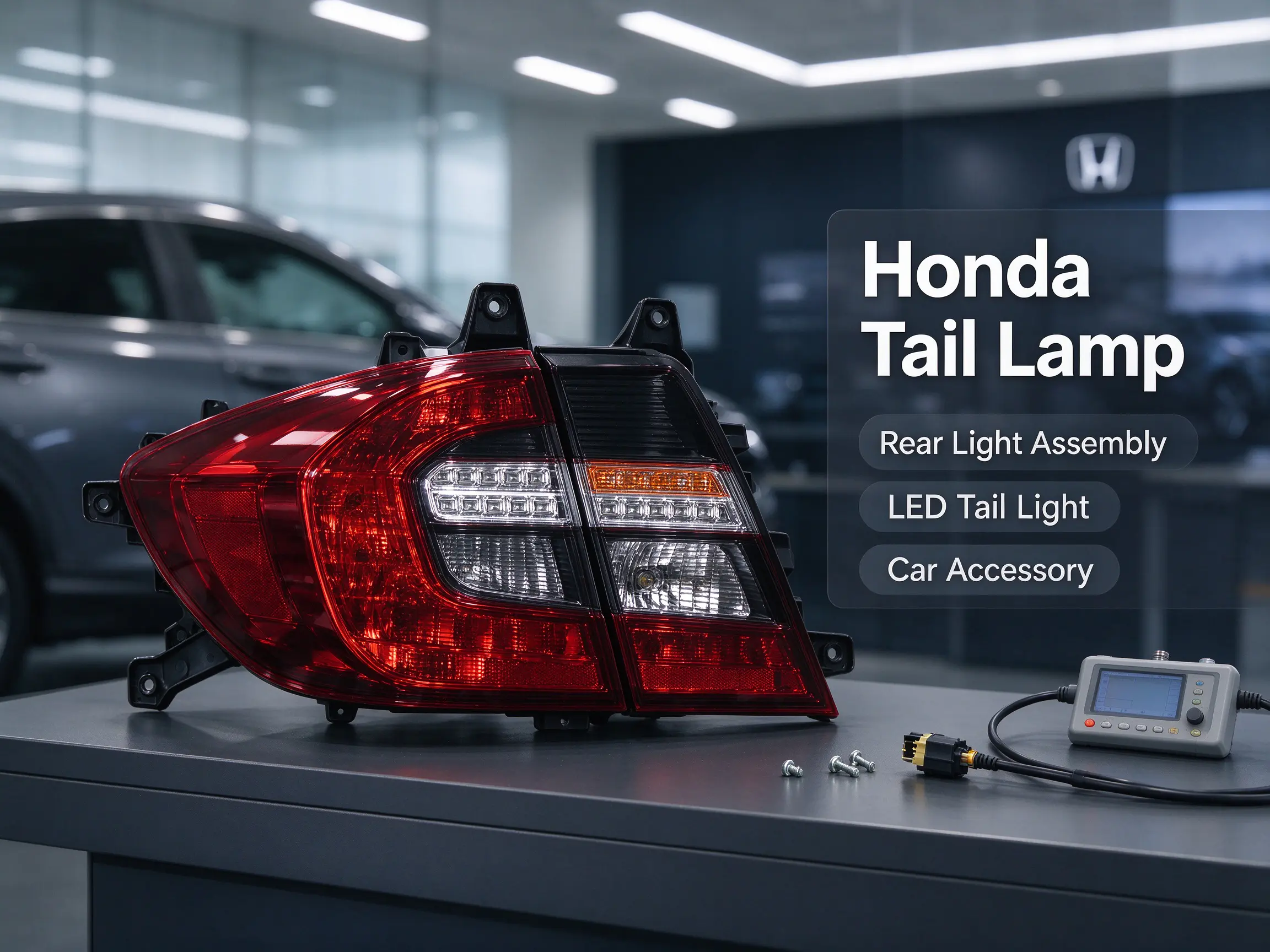
Not every Honda tail lamp uses the same light source or internal layout. Depending on the model and specification, the assembly may contain tail, brake, turn signal, and reverse lights in different positions. Some use LEDs; others use replaceable bulbs. Two lamps with similar red lenses can still be built quite differently.
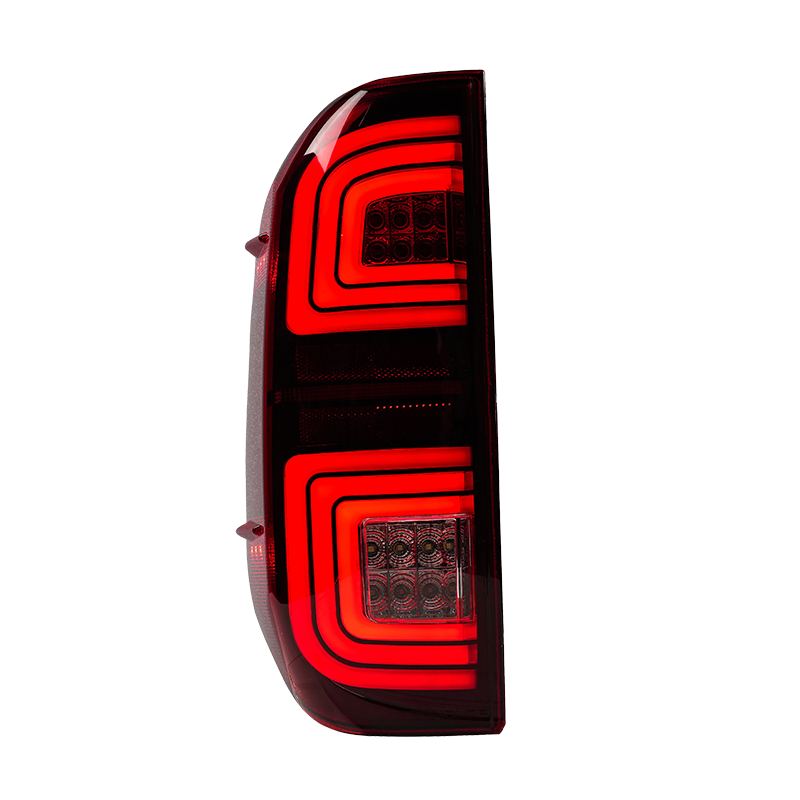
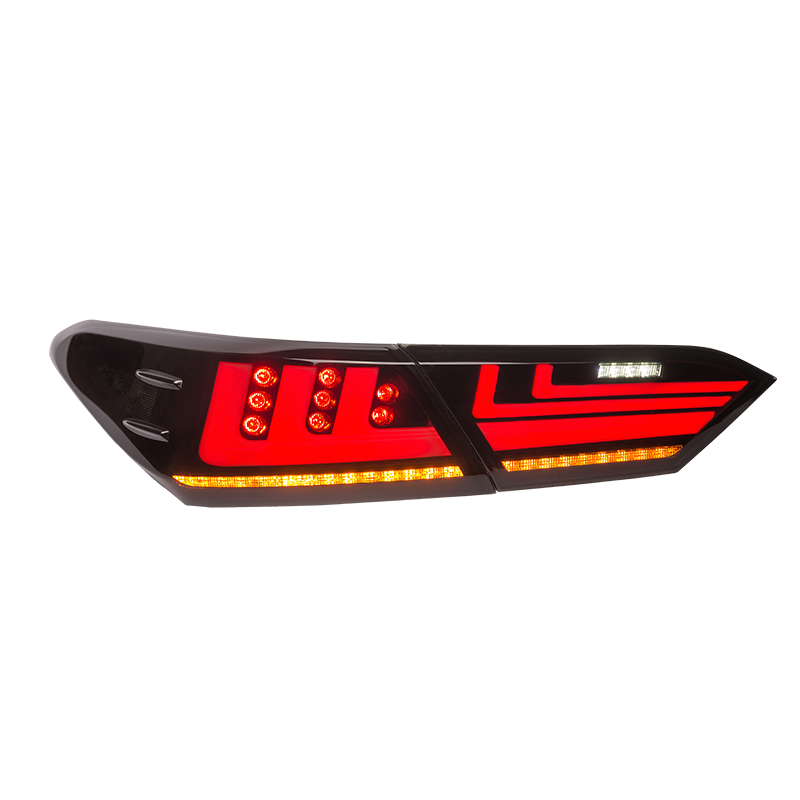
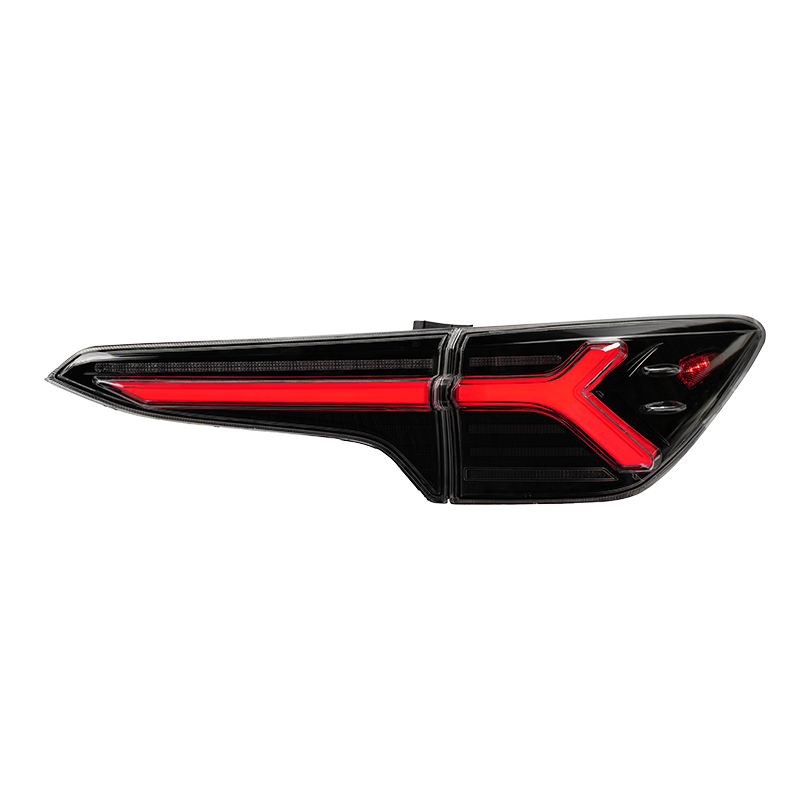
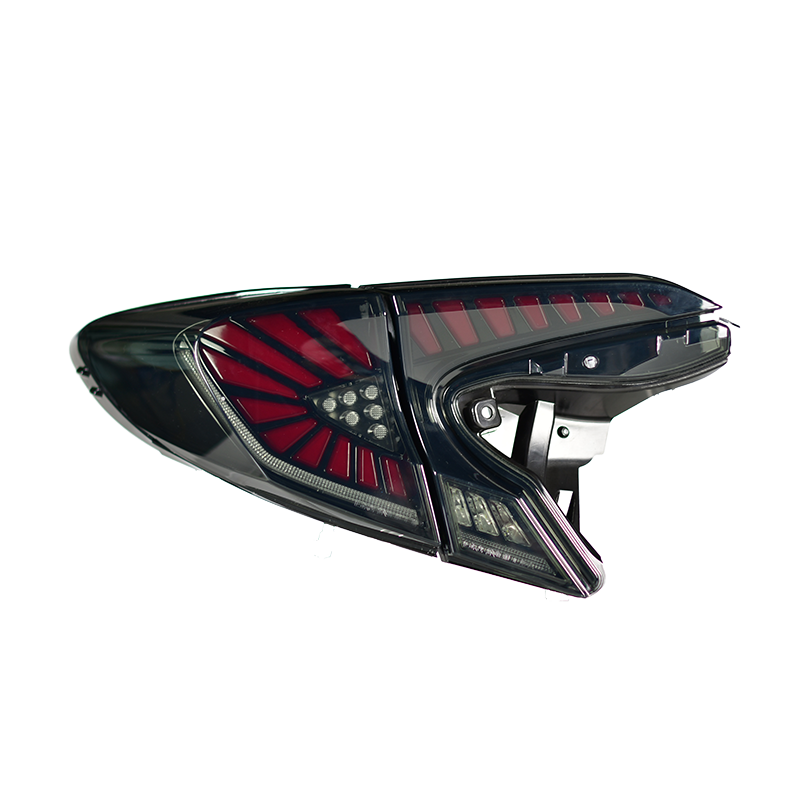
Use the product specifications and photos of the actual unit to compare the light source, lens color, and layout. Smoked or clear lenses may be offered as styling options, but they aren't automatically suitable substitutes for the standard version. Check the vehicle application and local requirements.
Electrical compatibility matters as much as appearance. If the replacement uses a different connector or pin arrangement, installation may take more work, and the lights may not operate as expected. If a supplier describes the item only as a “tail light,” ask what is included and which functions the assembly supports.
A Honda sold in one country may not use the same lamp as a similar model sold elsewhere. Regional specifications and lighting rules can affect lens colors, reflectors, wiring, and the way the different lights are arranged.
For importers, a lamp that fits the body may still be wrong for the version sold in the destination market. If the supplier's photos or catalogue refer to another region, get the intended application clarified before ordering.
For sales into a regulated market, check which requirements apply to the particular lamp. Documentation should relate to the product being supplied and the destination where it will be sold. A general certificate for the manufacturer doesn't, by itself, prove that every lamp in its catalogue meets local rules.
Even when the model and part number seem right, the housing and connector deserve a closer look, especially if you're buying from a supplier for the first time. The lamp should sit against the body without awkward gaps, and its mounting points need to line up with the vehicle's fittings. A connector that doesn't match can turn a straightforward replacement into a bigger job.
|
Part to inspect |
What to look at |
Why it matters |
|---|---|---|
|
Housing |
Overall shape, height, width, and depth |
The lamp needs to fit the available space |
|
Mounting points |
Studs, clips, tabs, and brackets |
Misaligned fittings can prevent proper installation |
|
Connector |
Plug shape, pin count, and terminal layout |
The vehicle's wiring has to connect correctly |
|
Lighting functions |
Tail, brake, turn, and reverse lights |
The required functions need to work as intended |
|
Lens and housing |
Finish, cracks, and visible defects |
Damage or poor assembly may be easier to spot |
|
Seals and joints |
Gaskets and housing seams |
Weak seals can let moisture inside |
|
Package contents |
Bulbs, sockets, wiring, and fasteners |
Helps avoid surprises when comparing quotes |
Without the original lamp, request photos of the rear, connector, mounting points, and product label. A front-facing image says little about fitment.
For an unfamiliar product, a sample order can be worthwhile. It lets you compare the housing with the vehicle and test the connector before committing to a full shipment. Keep the approved sample or its photos on file so later deliveries can be checked against it.
Tail lamps spend their lives outside. Sunlight, rain, dust, road vibration, and changes in temperature all take their toll. If the materials or assembly are poor, problems may show up as faded lenses, cracks, loose fittings, or moisture inside the housing.
Ask what gets checked during production and before packing: dimensions, mounting points, lighting functions, connectors, and seals. A lengthy report may not be necessary for every routine order, but the supplier should be able to explain its process clearly.
Consistency across a batch is worth discussing as well. A sample might fit properly, but small changes in mounting dimensions can cause problems when the shipment arrives. Find out what the supplier does when a batch fails inspection and how damaged or defective units are handled.
If your destination market has specific requirements, ask for the relevant documents for that model of lamp. Don't treat a general company certificate as proof that the particular product meets every requirement.
OEM replacement parts follow the vehicle manufacturer's specification or reference. They're often chosen when the customer wants an original-style replacement and a clearly identified application. Aftermarket lamps come from independent manufacturers, and their prices, materials, finishes, and fitment coverage can vary.
Neither label tells you everything about an individual product. Check the application and specification for the actual lamp you're buying. Some aftermarket suppliers also offer private labeling or custom packaging, which may suit distributors building their own range. Before planning around those services, find out the minimum order quantity, sample availability, and production lead time.
Quotations are only useful when they cover the same thing. One supplier may include a complete assembly while another quotes just one lamp section. Bulbs, sockets, wiring, packaging, and inspection requirements can all affect the final figure.
A quote request should include the vehicle details, market, part number or confirmed application, side and lamp position, lighting type, quantity, and packaging. Mention any inspection records or compliance documents up front; sorting them out after production can delay the order.
Fitment trouble often starts with assumptions. The model name alone isn't enough; include the year and body style, and don't rely on a photo if the part number, connector, and mounting points haven't been checked.
It's also easy to overlook whether the car uses separate inner and outer sections, or to assume that bulbs and wiring come in the box. Read the quotation carefully and ask about anything that isn't listed. A lower price may simply cover fewer components or a different version of the lamp.
Online sellers have another detail to keep an eye on: catalogue information can fall out of date. If a supplier changes a part number or introduces a revised assembly, review the fitment details before updating the listing. When customers report that a lamp doesn't fit, check the vehicle application and product data before assuming the part itself is faulty.
Once a tail lamp has been verified, save the details. Wholesalers handling many Honda applications shouldn't have to rely on memory. Keep the approved SKU and part number with the vehicle details, photos, package contents, and sample inspection notes.
Return and sales records can help with stock decisions. If repair shops regularly request a particular application, it may deserve shelf space. Parts that sell only occasionally may be easier to source when needed. And if one lamp keeps coming back because of fitment complaints, review the listing and supplier data before placing another order.
Choosing the right Honda tail lamp comes down to the details behind the product photo: the exact vehicle, the part number, the position, the housing, and the electrical connection. Get those right before ordering, and you're much less likely to be left sorting out a shipment that doesn't fit.
We are a modern headlight manufacturer that integrates R&D, design, production and sales. We mainly produce headlamps, taillights, daytime running lights and other automotive lighting products.
Add: No.3 Shiyang Road, Ningxi Town, Huangyan District, Taizhou City, Zhejiang Province, China
Tel: +86-13105675552 / +86-15606586299
Fax: +86-576-89161556
E-mail: [email protected]
Copyright © Taizhou Baozhiwei Vehicle Industry Co.,Ltd. All Rights Reserved.

 English
 русский
 Español