Call us

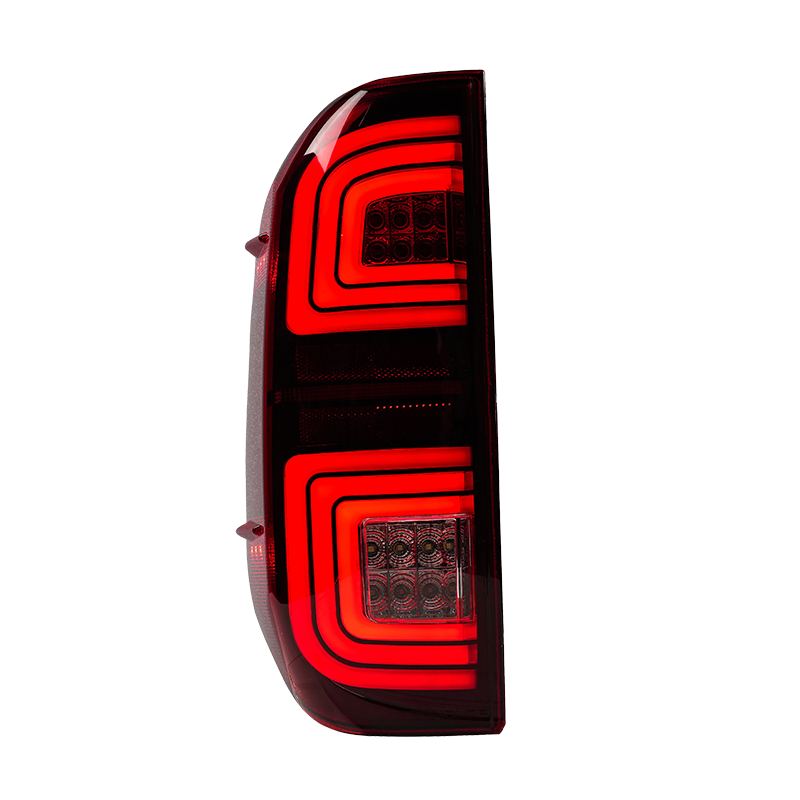
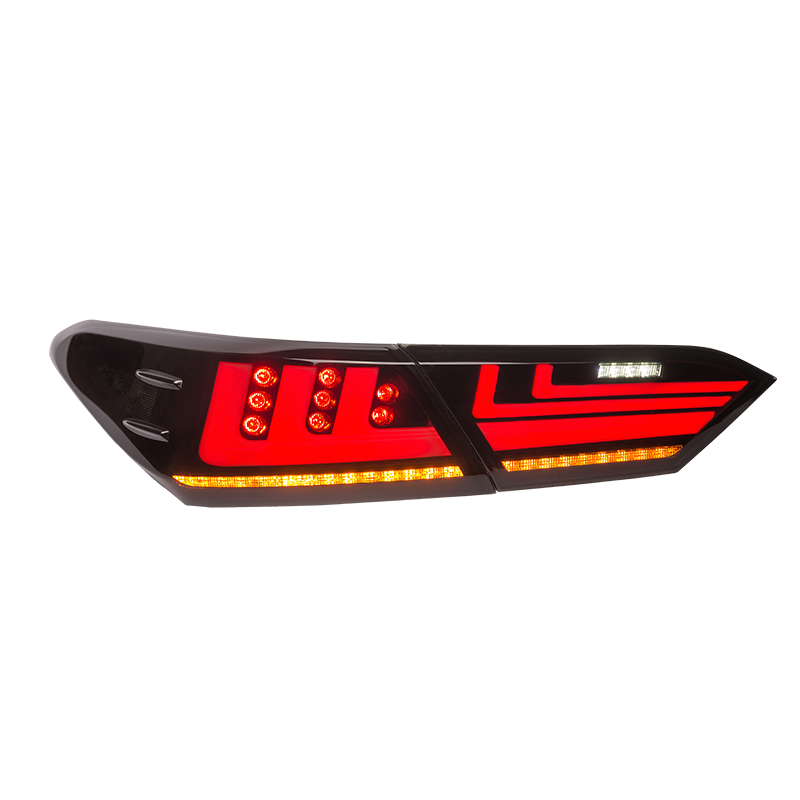
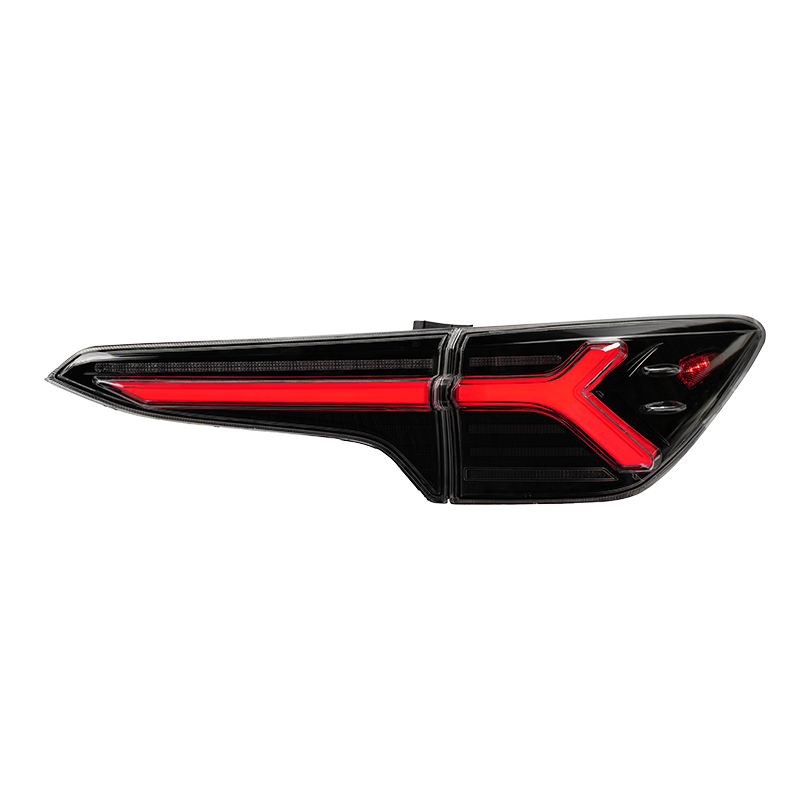
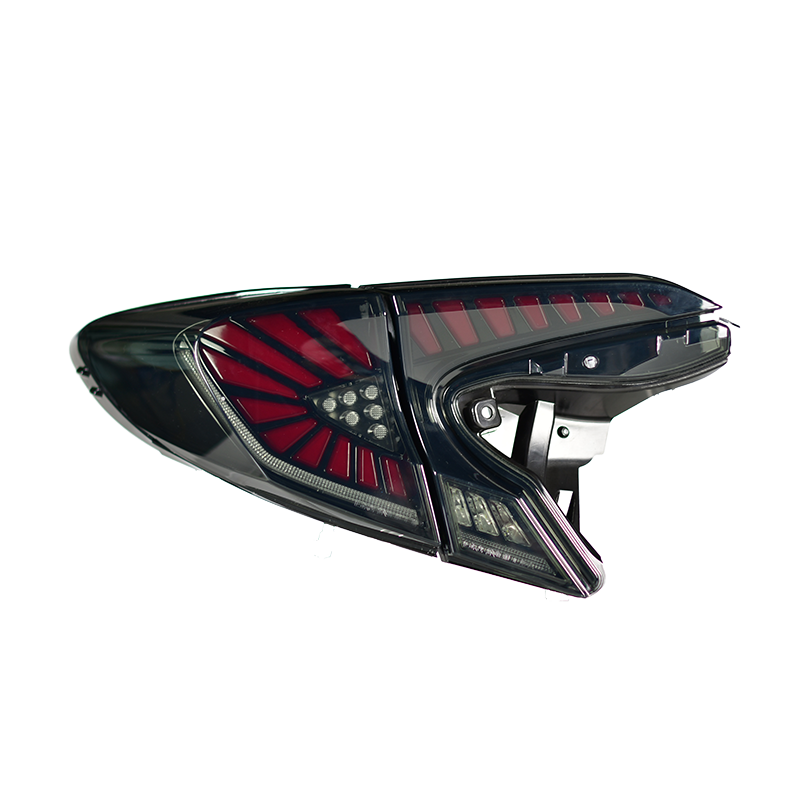
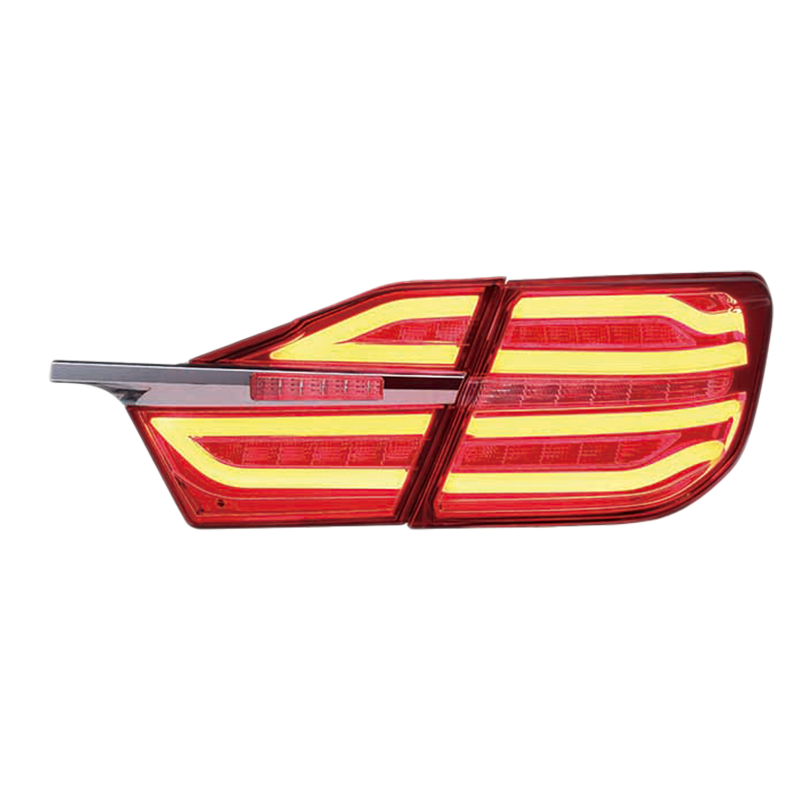
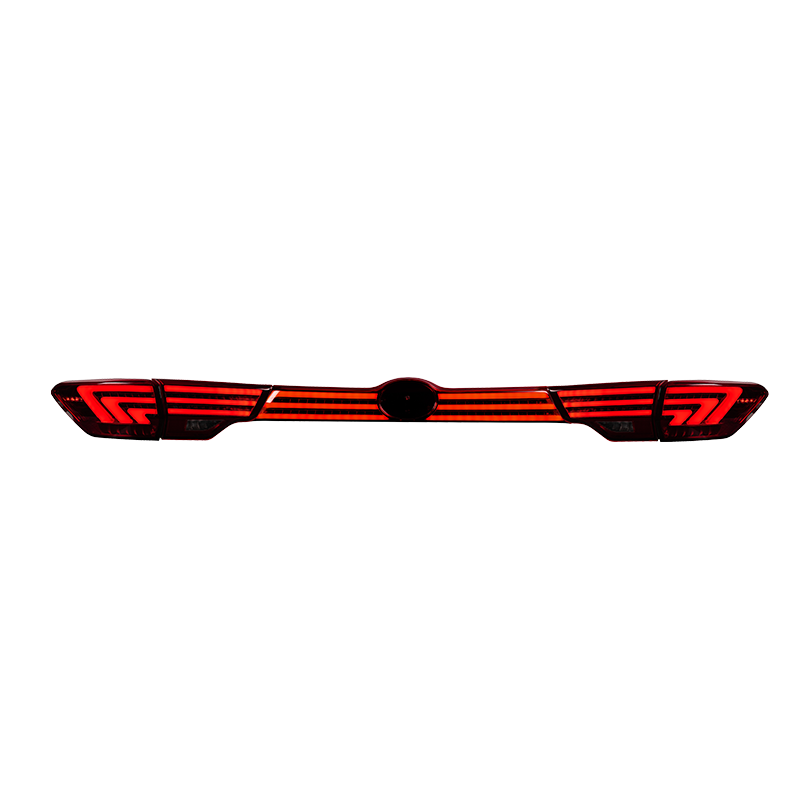
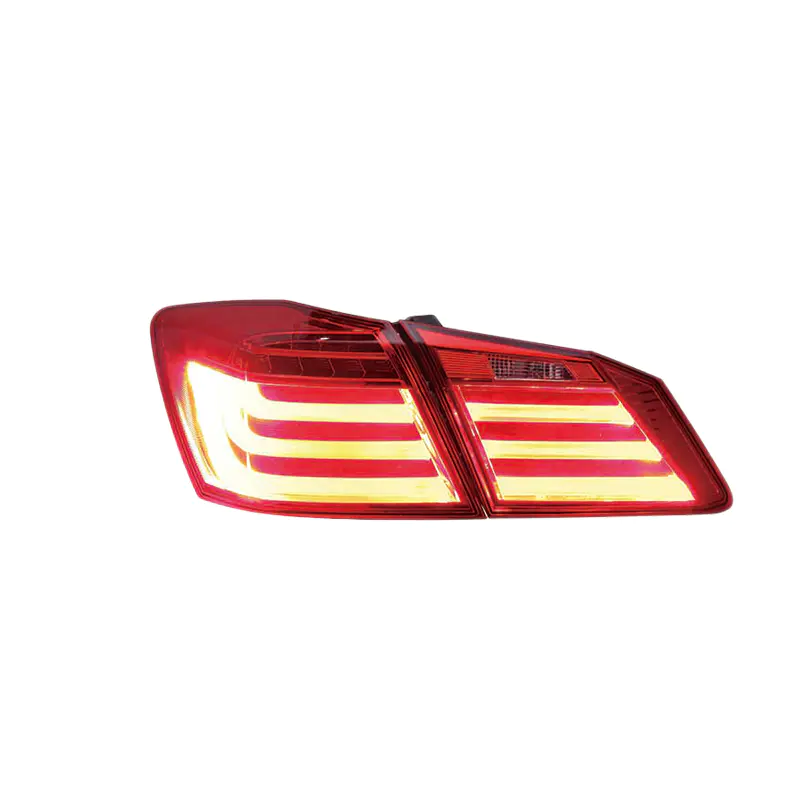
Installing LED tail lights on a vehicle and then watching the turn signals blink at double or triple the normal rate is one of the more common frustrations in automotive lighting upgrades. The car is not malfunctioning. The lights are not defective. The wiring is not damaged. What is happening is a predictable electrical compatibility issue between the low current draw of LED technology and a vehicle system designed to detect bulb failure through that same current measurement. Understanding why it happens is the shortest path to fixing it — and for most vehicles, the fix requires no specialized tools and minimal technical experience. This is equally relevant whether the installation involves Custom Car LED Tail Lights from an aftermarket supplier or direct-fit replacement assemblies specified for a particular vehicle platform.
A conventional turn signal circuit uses a thermal or electronic flasher relay to produce the characteristic on-off blink rate. The flash rate is calibrated to a specific electrical load — the resistance and current draw of the incandescent bulbs the vehicle was designed to use. When one of those bulbs fails, the circuit's total resistance increases, current drops, and the flasher detects this as a fault condition. The visual response is intentional: the blink rate speeds up to alert the driver that a bulb has failed and needs replacement.
LED bulbs consume substantially less current than incandescent bulbs of equivalent brightness. When a vehicle fitted with LED tail lights activates the turn signal circuit, the flasher relay measures the total current and compares it to the expected load. The lower LED current reads as a bulb-out fault condition — even though the lights are working correctly — and the flasher responds by accelerating the blink rate. This is hyper flash: the vehicle performing exactly as designed, but interpreting correctly-functioning LED lights as missing incandescent bulbs.
The precise threshold at which a vehicle's system triggers hyper flash varies between manufacturers and between vehicle models. Some systems are more sensitive than others. Some LED products are designed to draw enough current to fall within the acceptable range for common vehicle platforms; others are not. The variation is why two identical vehicles may behave differently with the same LED product, or why a product that works without modification on one car requires intervention on another.
To fix hyper flash reliably, it helps to understand what the circuit is measuring and why the LED's lower current draw creates the problem.
The flasher relay in most vehicles — whether thermal or solid-state — monitors the electrical load on the turn signal circuit. The monitoring is straightforward: current below a threshold indicates a bulb is missing or failed; current within range indicates all bulbs are present and functional. The calibration target is the current draw of the original incandescent bulbs.
An incandescent turn signal bulb might draw several amperes when lit. An LED replacement of comparable brightness might draw a fraction of that current. The flasher relay detects current at the lower LED level and concludes that one or more bulbs are absent from the circuit — activating the fast-blink fault mode accordingly.
There are three ways to resolve this:
Each approach works. The question is which one is simplest for a given vehicle and installation context.
A load resistor is connected in parallel with the LED bulb circuit, drawing enough current to bring the total circuit load into the range the flasher relay expects. From the relay's perspective, the circuit looks like it is carrying the original incandescent load, and the blink rate returns to normal.
Most load resistors for turn signal applications are plug-and-play in a practical sense: they come with connectors that match common vehicle wiring standards, they clip onto the wiring harness at the bulb socket location, and the only tool typically required is the ability to locate the socket behind the tail light lens — which usually requires only removing a few fasteners or pulling a trim panel.
What to confirm before purchasing load resistors:
The installation process on most vehicles:
Vehicles with controller area network (CANBUS) electrical systems monitor more than just current draw at each circuit. The body control module communicates continuously with lighting circuits, monitoring voltage, current, and fault codes. When an LED product draws less current than expected, the module logs a fault, may illuminate a dashboard warning light, and in some configurations adjusts the turn signal blink rate as a fault indicator.
A CANBUS decoder — also called an error canceller or anti-flicker module — connects between the vehicle's wiring harness and the LED fixture. It presents the correct electrical signature to the vehicle's monitoring system, satisfying the fault detection criteria without the LED actually drawing the higher current of an incandescent bulb.
From an installation standpoint, a CANBUS decoder is typically the simplest fix for affected vehicles:
CANBUS decoders are most commonly needed on vehicles from German manufacturers and other European platforms where the body control module's monitoring is particularly precise. Japanese and American vehicles more commonly respond to the load resistor approach alone, though this varies by model and generation.
Some vehicles use a simple thermal or electronic flasher relay that can be replaced with an LED-compatible version. LED flasher relays are designed to set the blink rate based on a fixed timing circuit rather than current measurement, which means the blink rate remains consistent regardless of how much current the connected lights draw.
This approach is particularly straightforward on vehicles where the flasher relay is:
The fix requires locating the flasher relay in the vehicle's fuse and relay panel — usually identified in the owner's manual — removing it, and installing the replacement. If the replacement relay has the same connector footprint as the original, the installation takes minutes and requires no tools beyond possibly a relay puller or thin flathead screwdriver.
The limitation is availability: not every vehicle platform has an LED-compatible flasher relay available in a direct-fit format. For vehicles where the original relay is integrated into a larger module or is not easily replaceable, the load resistor or CANBUS decoder approach is more practical.
Before purchasing any additional hardware, a few checks confirm whether the hyper flash is genuinely an electrical load issue or whether something else is contributing.
Step 1: Confirm that all LED lights in the turn signal circuit are functioning.
Hyper flash caused by a genuine bulb failure — including a failed LED — looks identical to hyper flash caused by load mismatch. If one of the new LED fixtures has a failed element, replacing or reseating it may resolve the issue without any additional components.
Step 2: Check the grounding connection at the tail light assembly.
A poor ground creates resistance in the circuit that the flasher relay may interpret as a load mismatch. Cleaning the ground contact point and ensuring a solid metal-to-metal connection eliminates this variable before adding load resistors.
Step 3: Confirm that the LED product's polarity is correct.
LED fixtures are polarity-sensitive, unlike incandescent bulbs. A reversed polarity connection at one of the sockets may cause that fixture to not illuminate or to illuminate dimly, which the vehicle's system may register as a partial circuit failure contributing to the hyper flash.
Step 4: If all above checks are clean, proceed with the appropriate load correction method.
For vehicles without CANBUS monitoring, a load resistor is typically sufficient. For vehicles with active CANBUS fault monitoring that produces dashboard warning lights, a CANBUS decoder addresses both the hyper flash and the warning light.
| Fix Method | Tools Required | Installation Complexity | Works on CANBUS Vehicles | Generates Heat |
|---|---|---|---|---|
| Load resistor | Minimal — connectors only | Low to moderate | Partially — may not clear fault codes | Yes — must be mounted on metal |
| CANBUS decoder | None — plug-and-play | Very low | Yes — specifically designed for CANBUS | Minimal |
| Flasher relay replacement | Relay puller or flathead | Very low — if compatible relay available | Depends on vehicle | No |
| CANBUS decoder + load resistor | Connectors | Low | Yes — belt and suspenders approach | Minimal from decoder |
The comparison highlights why the CANBUS decoder is often the recommended approach for modern vehicles: it is genuinely plug-and-play, it addresses CANBUS fault monitoring, and it generates minimal heat compared to load resistors. Load resistors remain the more widely compatible approach for older vehicles without CANBUS monitoring.
Not every LED tail light installation requires a separate fix for hyper flash. Some products incorporate the load compensation internally — either a resistor built into the fixture housing or active CANBUS-compatible electronics designed to present the correct electrical signature to the vehicle's monitoring system.
OEM LED Tail Lights — assemblies designed as direct replacements for a specific vehicle's original tail light — are typically engineered to meet that vehicle's electrical specifications. A properly specified OEM replacement should not trigger hyper flash because it has been matched to the vehicle's flasher relay and monitoring system requirements.
Aftermarket Multi Function LED Tail Lights — assemblies that combine brake, turn, reverse, and running light functions in a single housing — vary in how they handle the electrical compatibility question. Products developed for specific vehicle platforms with CANBUS-compatible electronics built in avoid the need for external decoders. Generic aftermarket products that have not been engineered for a specific vehicle's monitoring system are more likely to require external load correction.
Waterproof LED tail lights designed for trucks, trailers, and vehicles operating in harsh environments are frequently built to more industrial specifications that include appropriate load characteristics for common vehicle electrical systems. The waterproofing construction does not inherently solve hyper flash, but purpose-built trailer and utility lighting often uses current draws calibrated to match the expected load on those applications.
Several predictable errors occur when addressing hyper flash without working through the diagnostic sequence first.
Installing load resistors with an incorrect resistance value:Load resistors are rated in ohms and watts. The resistance value must be appropriate for the circuit — too high and the added load is insufficient to bring the circuit into range; too low and the resistor draws excessive current that may stress the vehicle's wiring. Using a resistor designed for a different application without verifying the specification is a common mistake.
Mounting load resistors in contact with plastic:Load resistors under operating conditions become hot enough to melt or discolor plastic trim panels if they are allowed to contact them. The mounting must be to a metal surface with adequate airflow. Fixtures that vibrate loose from their mount and fall onto wiring or plastic create both a damage risk and a fault condition.
Purchasing a CANBUS decoder not compatible with the vehicle's system:CANBUS decoders are not universal. A decoder designed for a European 12V system may not function correctly on all vehicles, and a decoder designed for a specific connector type will not install on a vehicle with a different harness. Confirming compatibility before purchase prevents the frustration of an installation that does not resolve the issue.
Assuming the problem is in the lights rather than the circuit:Returning the LED fixtures and trying a different product is sometimes the response to hyper flash, when the issue is in the vehicle's detection circuit rather than the LED product. A different LED product with the same current draw characteristics will produce the same result. The fix is in the circuit, not in the fixture — unless the replacement product includes built-in load compensation.
For some installations, particularly older assemblies where hyper flash is one of several performance issues, upgrading the LED system itself is more practical than adding external correction components to a marginal setup.
Signs that a full upgrade rather than a repair makes more sense:
A purpose-built replacement — either OEM LED Tail Lights for the specific vehicle or a high-quality aftermarket product designed with built-in CANBUS compatibility — avoids the need for external correction components and delivers consistent long-term performance without ongoing electrical troubleshooting.
Taizhou Baozhiwei Vehicle Industry Co.,Ltd. manufactures LED tail light assemblies across a range of vehicle applications, including Custom Car LED Tail Lights, waterproof LED tail lights for utility and commercial vehicles, and Multi Function LED Tail Lights with integrated lighting control. Their product engineering addresses electrical compatibility requirements including CANBUS compatibility and appropriate current draw specifications for common vehicle platforms. For vehicle manufacturers, aftermarket distributors, or fleet operators evaluating LED tail light sourcing with hyper flash prevention built into the product specification, reaching out to their technical team to discuss compatibility requirements, available configurations, and volume sourcing is a practical starting point.
We are a modern headlight manufacturer that integrates R&D, design, production and sales. We mainly produce headlamps, taillights, daytime running lights and other automotive lighting products.
Add: No.3 Shiyang Road, Ningxi Town, Huangyan District, Taizhou City, Zhejiang Province, China
Tel: +86-13105675552 / +86-15606586299
Fax: +86-576-89161556
E-mail: [email protected]
Copyright © Taizhou Baozhiwei Vehicle Industry Co.,Ltd. All Rights Reserved.

 English
 русский
 Español