Call us

A driver upgrades to LED tail lights expecting better visibility and a cleaner look, then notices the radio starts hissing or the FM signal drops the moment the lights come on. That sequence of events is common enough that it has become a recognizable pattern among people who modify their vehicles, and it usually has nothing to do with the radio itself. The actual source sits inside the LED driver circuit, where switching electronics generate electrical noise capable of bleeding into nearby wiring and antenna systems. Understanding why this happens, and how to fix it without abandoning the upgrade entirely, matters for anyone troubleshooting the issue or trying to avoid it before installation.
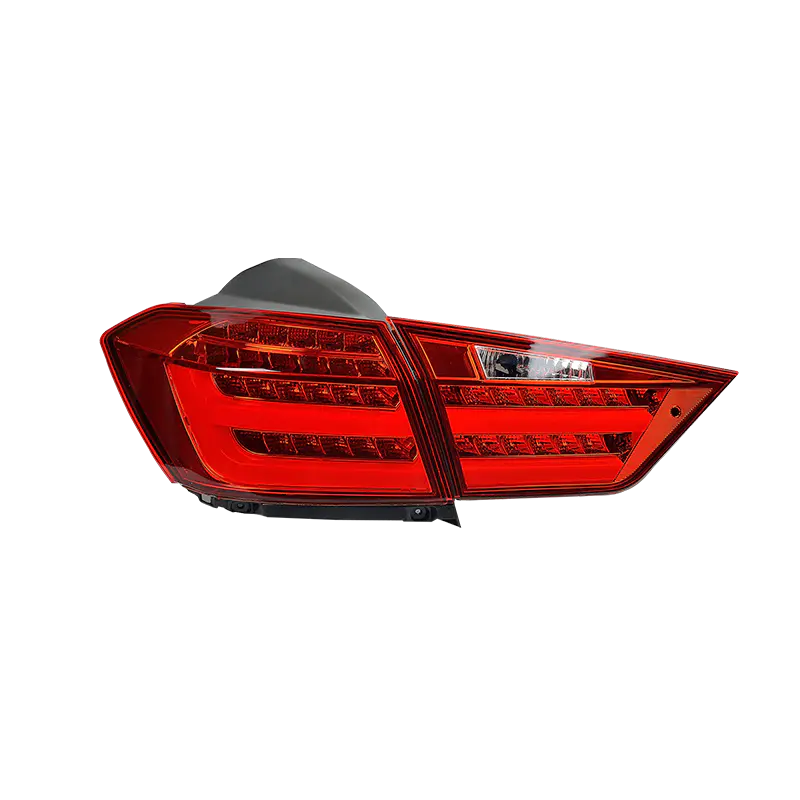
Radio interference in this context refers to unwanted electrical noise that disrupts a vehicle's radio reception, showing up as static, hissing, or signal dropout that correlates with specific electrical events — in this case, the tail lights switching on. The noise itself is electromagnetic in nature, traveling through wiring or radiating through the air in a way that the antenna picks up alongside the actual radio signal it is trying to receive.
A loose connection or a blown fuse produces a different kind of symptom — lights flickering, dimming, or failing outright. Radio interference is subtler. The lights work fine, visually, while something happening inside their electronics is quietly polluting the vehicle's electrical environment in a way that only becomes obvious through the radio.
Traditional incandescent bulbs are about as electrically simple as a component gets — current flows through a filament, the filament glows, nothing about that process generates meaningful electromagnetic noise. LED lighting requires driver circuitry to regulate current and voltage, and that circuitry is where the trouble starts.
Most LED drivers rely on switching regulators that turn current on and off at high frequency to control brightness and manage power efficiently. That rapid switching is electrically noisy by nature — it is the same underlying principle that makes switching power adapters for laptops a known source of radio interference in other contexts. The faster and less cleanly a driver switches, the more electrical noise it tends to throw off.
A driver board with inadequate shielding allows the noise generated internally to radiate outward more freely, rather than containing it within the housing. This is one of the clearest differences between a well-engineered LED system and a cheaply assembled one — the underlying switching behavior might be similar, but the containment of that noise varies considerably based on shielding quality and board layout.
Beyond the basic driver circuitry, many LED tail light systems use pulse-width modulation to control brightness levels for different functions — brake lights, running lights, turn signals operating at different intensities from a shared LED array. PWM control introduces its own switching frequency into the mix, and a poorly designed implementation compounds the noise already present from the core driver.
Even a reasonably well-shielded LED system can produce noticeable interference if it is grounded poorly. A weak or noisy ground path gives electrical noise an easier route into the rest of the vehicle's wiring, including circuits running near the radio antenna or head unit. Grounding problems do not create the noise in the first place, but they amplify how far that noise travels through the vehicle's electrical system.
A methodical diagnostic approach saves considerable time compared to guessing at fixes. The sequence below moves from the simplest test to the more involved ones.
None of these steps require professional equipment, though a multimeter and a basic understanding of the vehicle's wiring diagram make the process considerably faster. The goal across all seven steps is narrowing down whether the problem originates in the LED driver itself, the wiring path, the grounding scheme, or some combination of the three — because the appropriate fix differs depending on which of these is actually responsible.
Ferrite cores clipped around the power and ground wires leading to the LED housing absorb a meaningful portion of high-frequency noise before it can travel further into the vehicle's wiring. This is one of the more accessible fixes available to someone without specialized electronics knowledge, and it often produces a noticeable improvement on its own.
A dedicated noise suppression filter installed inline with the power feed to the LED system targets the electrical noise more directly than a ferrite bead alone. These filters are designed specifically to block the frequency ranges typical of switching driver noise while letting normal DC power through unaffected.
Running a dedicated, clean ground wire directly to the chassis — rather than relying on a shared or marginal existing ground point — reduces the loop noise that amplifies interference. This fix addresses the amplification pathway discussed earlier rather than the noise source itself, but it is often just as effective in practice.
Physically separating the LED power and signal wiring from the antenna cable run reduces the opportunity for noise to couple from one wire to another. Even a few inches of additional separation, or routing the LED wiring along a different path through the vehicle body, can meaningfully reduce the interference reaching the antenna.
Corroded or loose connectors introduce resistance that can generate additional electrical noise, separate from whatever the LED driver itself produces. Cleaning or replacing degraded connectors removes this secondary contributor, which matters particularly in older vehicles or in climates where corrosion develops readily.
| Fix | Installation Effort | Typical Effectiveness |
|---|---|---|
| Ferrite beads on wiring | Low | Moderate — often noticeable improvement on its own |
| Inline EMI filter | Low to moderate | High — especially effective for driver-generated noise |
| Improved chassis grounding | Moderate | Strong — when poor grounding is a key factor |
| Wiring rerouted away from antenna | Moderate | Strong — effective for coupling-related interference |
| Connector cleaning or replacement | Low | Helpful as a secondary or supporting fix |
Wiring fixes and filters resolve a meaningful share of interference cases, but sometimes the underlying driver design is simply not built to a standard that contains electrical noise adequately, and no amount of after-the-fact filtering fully compensates for that. This is where the original equipment a vehicle came with, or carefully engineered aftermarket alternatives, become relevant.
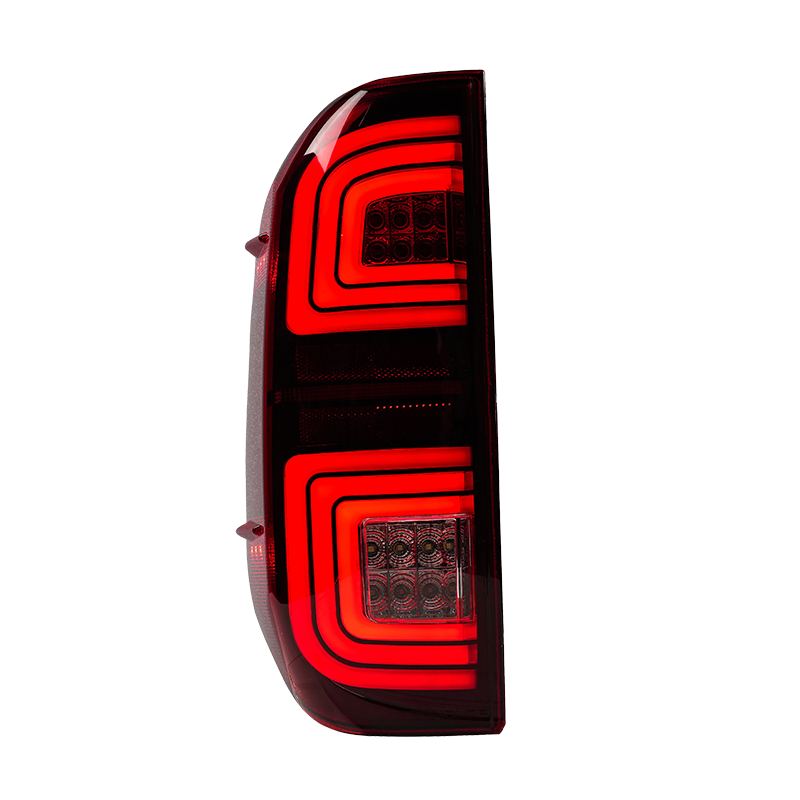
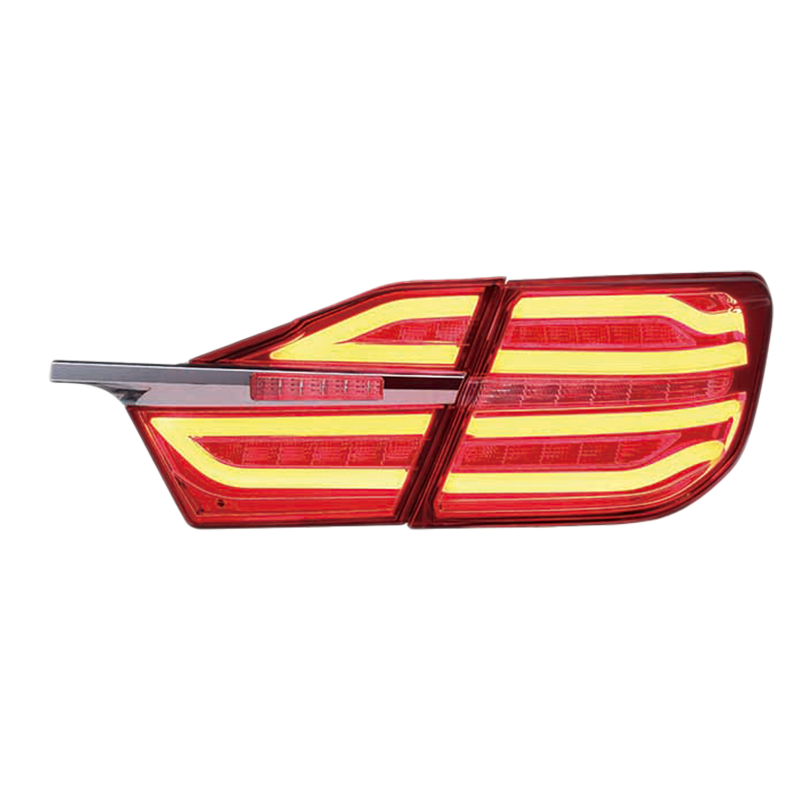
OEM LED Tail Lights are generally developed under stricter electromagnetic compatibility testing requirements than many aftermarket alternatives, since vehicle manufacturers face regulatory obligations around electromagnetic emissions that aftermarket suppliers are not always held to with the same rigor. That regulatory pressure tends to produce driver circuits with better shielding and cleaner switching behavior from the outset.
For buyers who specifically want a system unlikely to introduce interference in the first place, looking at Custom Car LED Tail Lights built with documented EMC testing, rather than the cheapest available option, is a reasonable precaution. Price alone is rarely a reliable indicator of shielding quality, but the complete absence of any compliance documentation from a supplier is usually a meaningful warning sign worth taking seriously.
Waterproof LED Tail Lights designed with sealed, well-shielded housings often handle electrical containment better as a byproduct of their sealing requirements, since the same design discipline that keeps moisture out tends to also keep electrical noise contained. A housing engineered to prevent water ingress typically involves tighter manufacturing tolerances and more deliberate internal layout than a loosely assembled budget unit, and that same attention to detail tends to carry over into how well the driver board is shielded from the rest of the assembly.
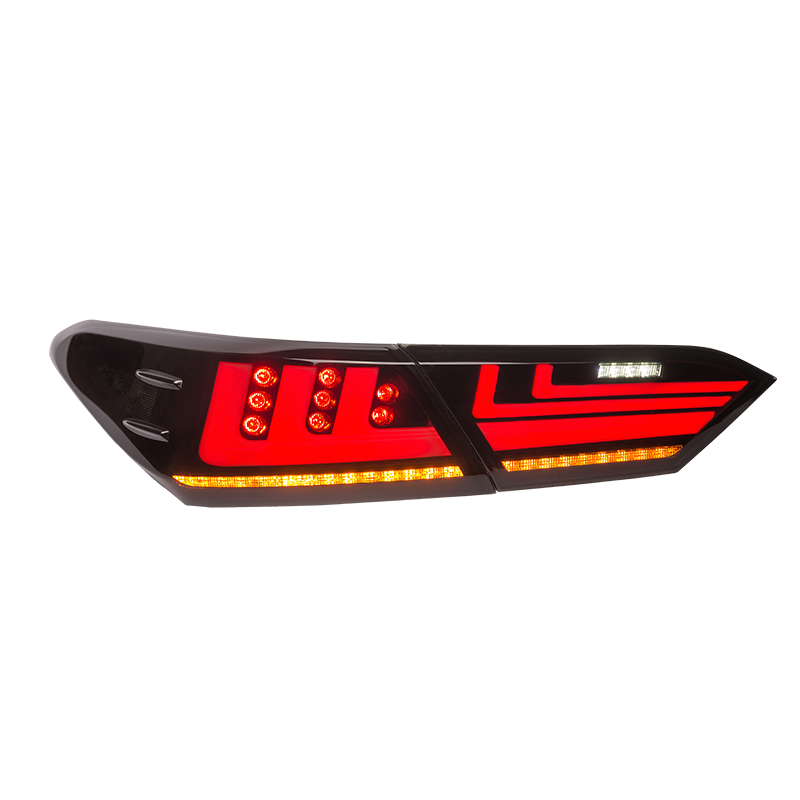
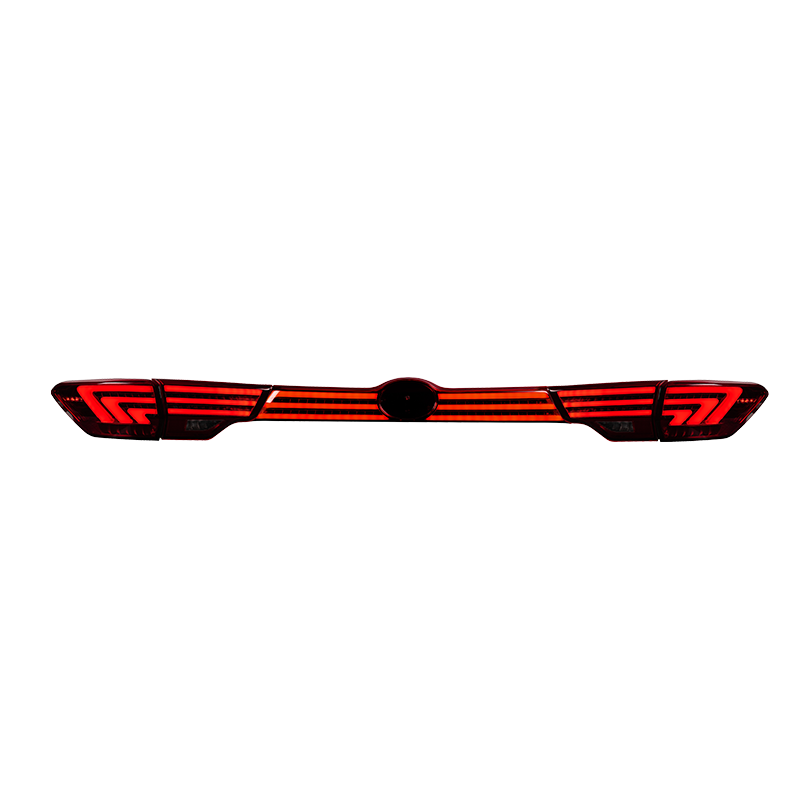
Multi function LED tail lights — units handling brake, turn signal, and running light functions through a shared array — carry more internal switching complexity, which means shielding and PWM implementation quality matter even more than in a simpler single-function unit. Each function operating at a different brightness level typically requires its own modulation scheme running simultaneously inside the same housing, and a poorly designed multi-function unit effectively stacks several potential noise sources on top of one another rather than managing just one. This is part of why interference complaints sometimes correlate specifically with multi-function units rather than simpler brake-only or signal-only LED replacements.
Asking a supplier directly about electromagnetic compliance testing, rather than assuming all LED products perform similarly, separates buyers who end up troubleshooting interference after installation from those who avoid the problem entirely. Documentation around EMC testing is a reasonable thing to request before committing to a purchase.
Thinking through wiring paths before installation, rather than running cables wherever happens to be convenient, prevents the kind of antenna-proximity issues that cause interference later. A few extra minutes spent routing wiring deliberately during the original installation saves considerably more time than retrofitting a fix afterward.
Establishing a dedicated, clean ground connection during initial installation, rather than tapping into an existing ground point of uncertain quality, removes one of the more common amplifying factors before it ever becomes a problem.
Newer vehicles with CANBUS electrical architecture sometimes interact unpredictably with aftermarket lighting not designed for that communication protocol. Confirming CANBUS compatibility, where relevant, addresses a category of electrical issues that goes beyond radio interference specifically but often gets diagnosed alongside it.
Working through an interference problem methodically, rather than assuming the lights need to be returned immediately, resolves the issue in most cases without sacrificing the upgrade altogether. A combination of ferrite suppression, improved grounding, and thoughtful wiring routing handles a large share of cases on its own, and for situations where the driver circuit itself is the limiting factor, moving toward better-shielded OEM LED Tail Lights or carefully sourced aftermarket alternatives addresses the root cause rather than continuing to patch around it. Taizhou Baozhiwei Vehicle Industry Co.,Ltd. manufactures LED tail light systems engineered with attention to driver shielding and electromagnetic compliance, supporting both OEM-style replacement applications and custom installation needs where interference resistance is a genuine priority rather than an afterthought. Sharing vehicle details and a description of the specific interference symptoms is a practical starting point for identifying whether the fix lies in installation adjustments, filtering hardware, or a move toward a more rigorously engineered lighting system altogether.
We are a modern headlight manufacturer that integrates R&D, design, production and sales. We mainly produce headlamps, taillights, daytime running lights and other automotive lighting products.
Add: No.3 Shiyang Road, Ningxi Town, Huangyan District, Taizhou City, Zhejiang Province, China
Tel: +86-13105675552 / +86-15606586299
Fax: +86-576-89161556
E-mail: [email protected]
Copyright © Taizhou Baozhiwei Vehicle Industry Co.,Ltd. All Rights Reserved.

 English
 русский
 Español