Call us

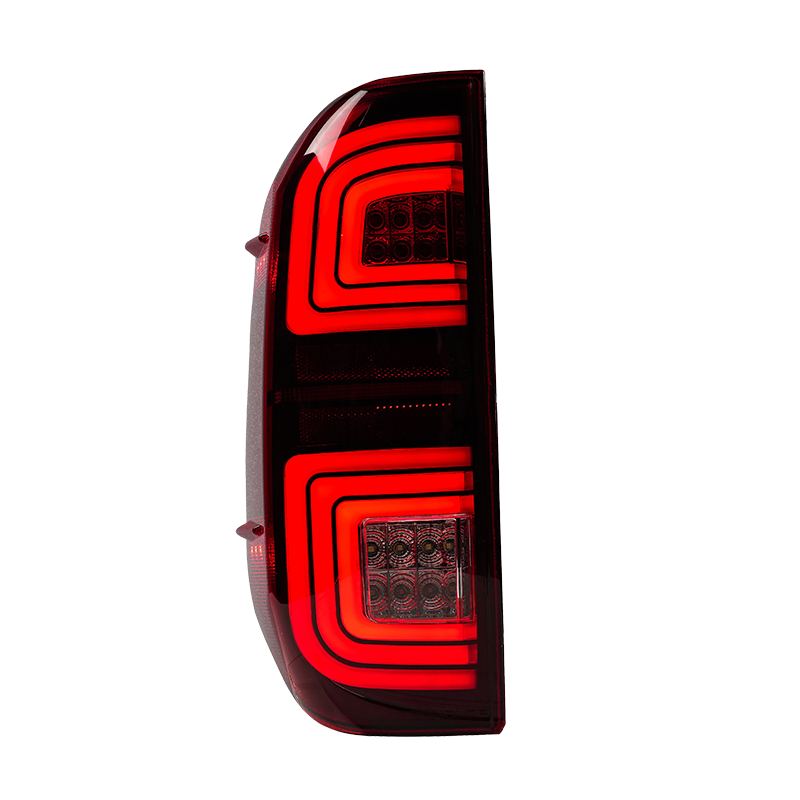
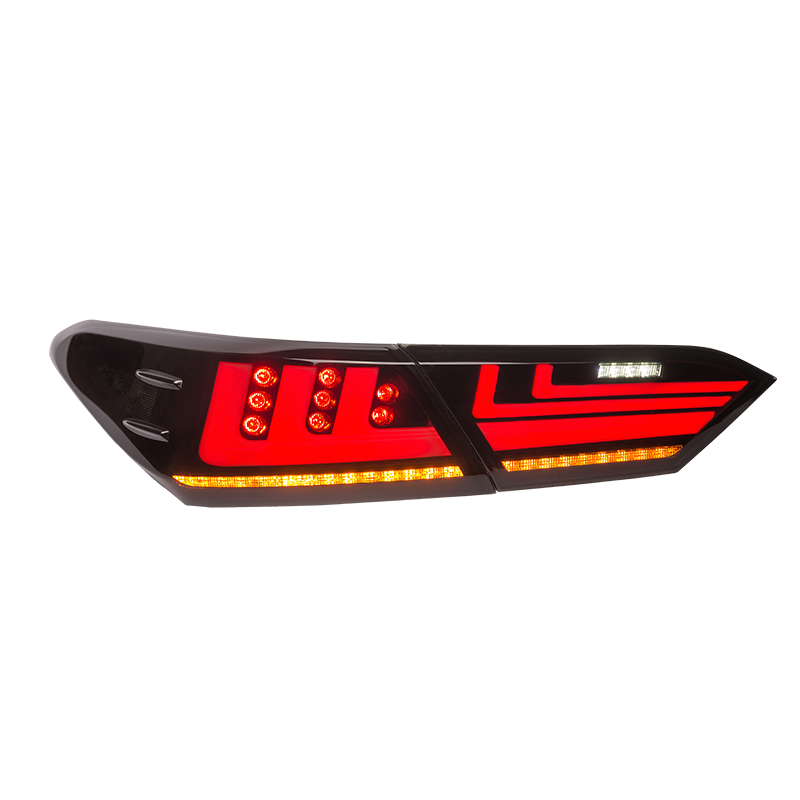
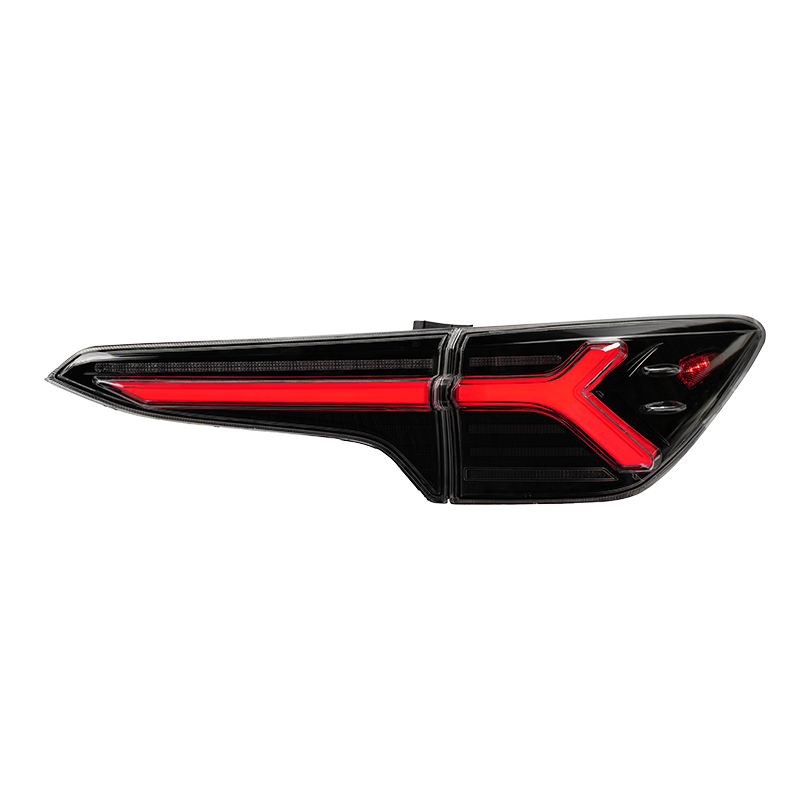
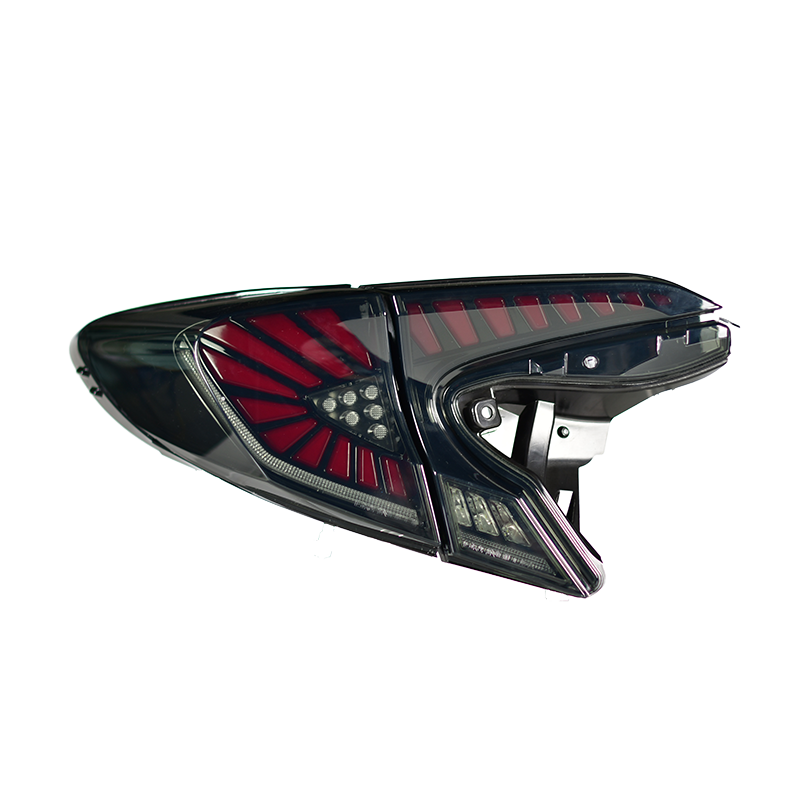
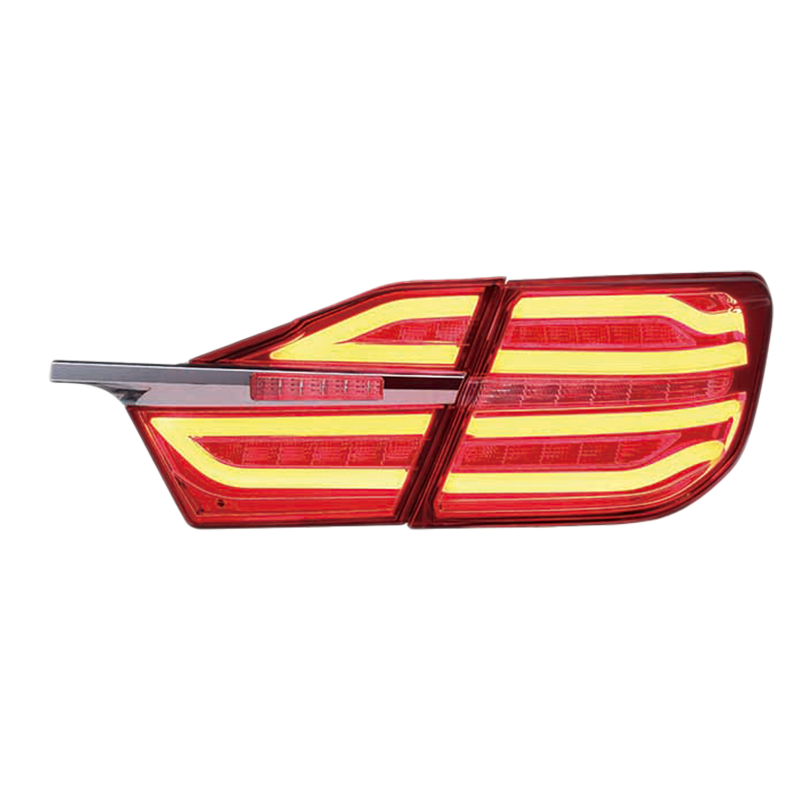
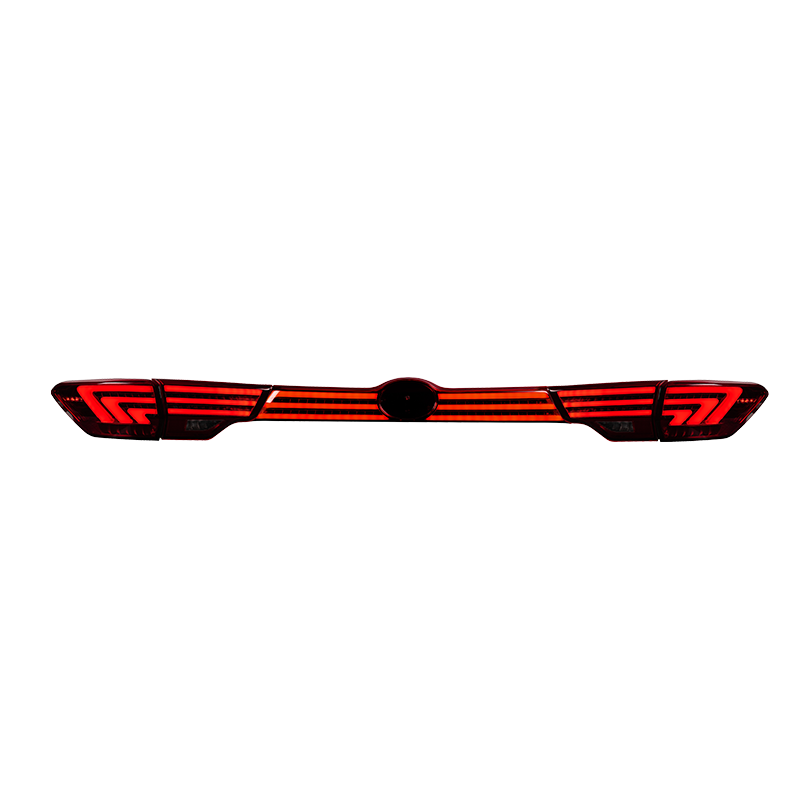
Smoked headlights and tail lights bring a fresh twist to how vehicles look on the road. These tinted components allow drivers to personalize their rides by adding a layer of darkness to the lenses, which helps blend them with the overall design. From sedans to trucks, this simple change can make a vehicle stand out in a subtle way, drawing attention to its lines and curves without overwhelming the eye.
Many people turn to smoked headlights and tail lights to create a more unified appearance. The tinting process uses materials that soften brightness while keeping the lights functional for daily driving. Options from smoked headlights and tail lights supplier Taizhou Baozhiwei Vehicle Industry Co.,Ltd. are designed to suit different preferences,making it easier for enthusiasts to find what works for their setup.
This approach stems from a growing interest in custom touches that reflect personal style. Whether aiming for a sleek profile or a bolder stance, tinted lights play a key role in tying everything together. They work by softening the glow, which can complement different exteriors and enhance the driving experience in everyday scenarios.
When pairing smoked headlights and tail lights with a vehicle's shade, it's helpful to think about how colors play off each other. Every hue on a car reacts differently to added darkness, creating effects that range from subtle to striking. For example, warmer tones might appear softer under a tint, while cooler ones gain more depth.
The way light bounces off surfaces matters here. Tinted lenses filter what comes through, which can either tone down vibrancy or highlight certain features. This interaction ensures that smoked headlights and tail lights don't clash but instead flow with the body's natural look.
Environmental elements, like sunlight or shadows, also influence how these tints appear. In brighter conditions, the darkness might seem lighter, while dimmer settings make it more noticeable. Smoked headlights and tail lights suppliers provide guidance on these shifts, helping users anticipate real-world results.
By grasping these basics, choices become more intuitive, leading to modifications that feel right from the start.
For vehicles with deeper shades, smoked headlights and tail lights can intensify the overall mood. On black exteriors, a moderate tint merges the lenses smoothly, reducing any sharp divides and creating a flowing outline. This method works well because the base absorbs extra contrast, allowing the lights to integrate without standing out too much.
Charcoal or similar tones follow the same idea. Here, selecting a tint that echoes the cool notes prevents any odd mismatches. Smoked headlights and tail lights suppliers often suggest options that enhance this unity, making the vehicle appear more cohesive from front to back.
When accents like trim pieces are already darkened, the tinted lights complete the picture. This creates a balanced facade where everything aligns naturally.
Approaches include:
These steps help maintain functionality while boosting the aesthetic appeal in various driving conditions.
Light-colored vehicles leave more room for small visual adjustments, and smoked headlights and tail lights are often used in a restrained way. On white vehicles, lighter tint options tend to work best. They add a soft outline around the lamps without taking away the brightness that defines the body color. Flat surfaces gain a bit more shape, and the overall look stays clean.
Silver finishes respond well to neutral tint layers. These overlays help maintain the natural reflection of the paint instead of weighing it down. The goal is usually to keep the surface feeling open and balanced. Smoked headlights and tail lights suppliers often prepare options specifically for these finishes, so the lighting feels like part of the design rather than an added feature.
For softer colors such as beige or light earth tones, warmer tints usually blend in more naturally. They support the original tone instead of standing apart from it. In these cases, restraint matters more than contrast.
Common approaches include:
Handled this way, the vehicle keeps its everyday versatility while gaining a more composed appearance.
Vehicles finished in strong colors often need a slightly different approach. With smoked headlights and tail lights, the aim is to work with the energy of the paint rather than tone it down too much. Red finishes usually pair better with tints that carry a warmer feel. This helps soften sharp edges while keeping the color expressive.
Blue vehicles tend to respond well to cooler tint choices. These deepen the look without shifting the original character. Green tones often benefit from more natural overlays that bring a grounded, steady appearance to the overall design.
Metallic paints add another layer to the decision. Their appeal comes from movement and reflection, so overly dense tints can dull that effect. In most cases, lighter or mid-level options allow the shimmer to remain visible. Smoked headlights and tail lights suppliers often adjust tint options for these finishes to maintain surface activity.
Useful methods include:
With the right balance, vibrant vehicles keep their personality while gaining a calmer, more refined edge.
Choosing tint intensity for smoked headlights and tail lights usually comes down to how much change is desired. Low-density options offer a mild adjustment. They work well when the goal is to stay close to the original look while adding just a bit of definition.
Medium-density tints are often the most flexible. They suit a wide range of vehicle colors and tend to fit daily driving needs without drawing too much attention. These options are commonly used when balance is the priority.
Higher-density choices are more noticeable and require careful matching. If the tint is too strong, it can overpower the body color. Local conditions also matter. Brighter environments may call for options that help manage glare more effectively.
To simplify selection, smoked headlights and tail lights suppliers often group tint levels by typical use cases. A general comparison looks like this:
| Intensity Level | Suitable Vehicle Colors | Effect Description |
|---|---|---|
| Low | Light tones like white or silver | Adds subtle definition without much change |
| Medium | Dark shades such as black or charcoal | Creates smooth blending for unity |
| High | Vibrant hues like red or blue | Provides deeper contrast for emphasis |
Following this approach helps ensure the tint supports the vehicle's overall look instead of distracting from it.
Preparing smoked headlights and tail lights does not require complex steps, but careful handling makes a clear difference. Before anything else, the lens surface needs to be fully clean. Dust, oil, or leftover residue can affect how the tint settles, often leading to uneven edges or trapped air. A clean base allows the material to sit naturally and stay in place.
Application methods differ depending on the product type. Film-based options rely on steady placement and gradual smoothing. Simple tools help guide the film across curves and corners, especially around edges. Spray-based options require patience. Light, even passes reduce the chance of streaks and help the coating build evenly over time. Rushing this stage often leads to inconsistent results.
Allowing the tint to rest after application is just as important. Giving it enough time to set helps improve durability and keeps the finish stable. Smoked headlights and tail lights suppliers usually provide clear guidance, making the process manageable even without prior experience.
Helpful preparation steps include:
Taken together, these steps support a clean finish that aligns well with the vehicle's body color.
Once applied, smoked headlights and tail lights benefit from regular but simple care. Routine cleaning with soft cloths helps keep the surface clear and prevents fine scratches. Harsh tools or strong chemicals are usually avoided, as they can wear down the tint over time.
Daily exposure to sunlight, dust, and road debris can slowly affect appearance. Protective treatments add an extra layer of defense and help maintain consistency. When small areas begin to show wear, targeted touch-ups often solve the issue without needing a full reapplication.
Smoked headlights and tail lights suppliers often suggest care routines that fit naturally into regular vehicle upkeep.
Basic care habits include:
With steady attention, the tinted finish remains even and visually consistent.
Smoked headlights and tail lights often sit between appearance and everyday use. The goal is not just how they look when parked, but how they perform once the vehicle is moving. A tint should add to the overall style without cutting back too much on light. Signals still need to be clear, especially in low-light situations.
Driving conditions can change quickly. Busy roads, side streets, open areas. Each setting places different demands on lighting. What feels fine during the day may look different after dark. That is why moderation matters. Choosing a tint that allows enough brightness to pass through usually leads to fewer issues later on.
There are also general rules that shape how these parts are used. Following basic guidelines helps avoid problems and supports responsible customization. Smoked headlights and tail lights suppliers often keep these factors in mind when developing their options, aiming for everyday compatibility rather than extreme appearance.
A few practical habits help maintain the balance:
When style and function are considered together, the result feels natural. The vehicle keeps its visual appeal while remaining easy to drive and dependable in daily use.
We are a modern headlight manufacturer that integrates R&D, design, production and sales. We mainly produce headlamps, taillights, daytime running lights and other automotive lighting products.
Add: No.3 Shiyang Road, Ningxi Town, Huangyan District, Taizhou City, Zhejiang Province, China
Tel: +86-13105675552 / +86-15606586299
Fax: +86-576-89161556
E-mail: [email protected]
Copyright © Taizhou Baozhiwei Vehicle Industry Co.,Ltd. All Rights Reserved.

 English
 русский
 Español