Call us

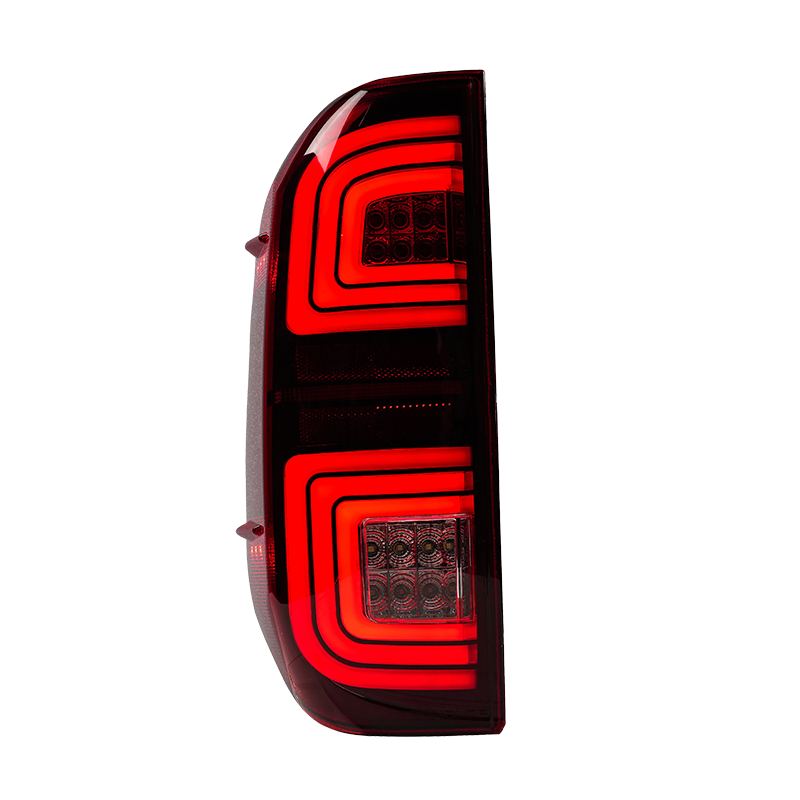
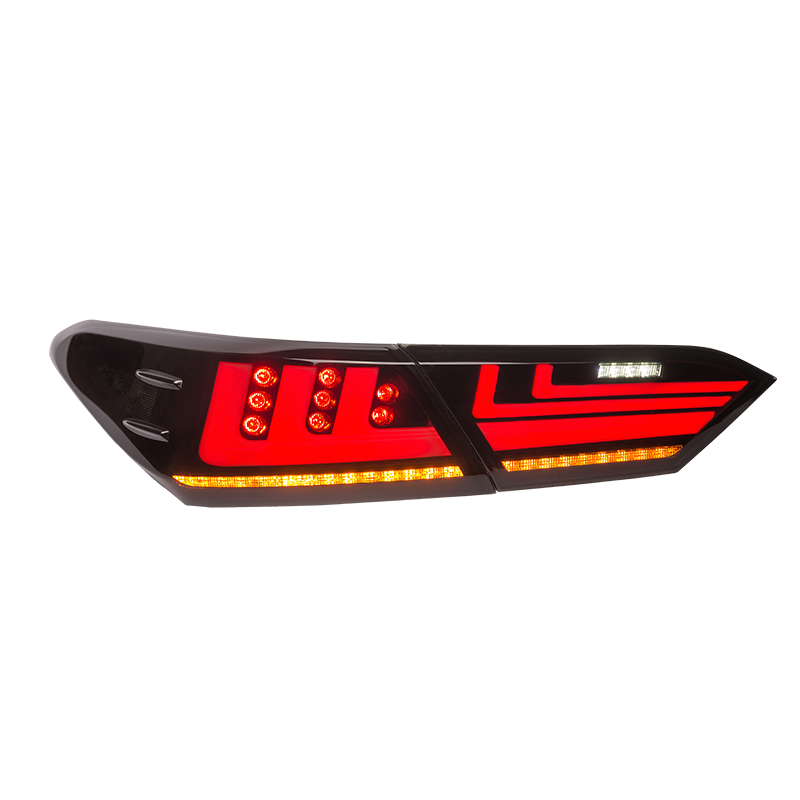
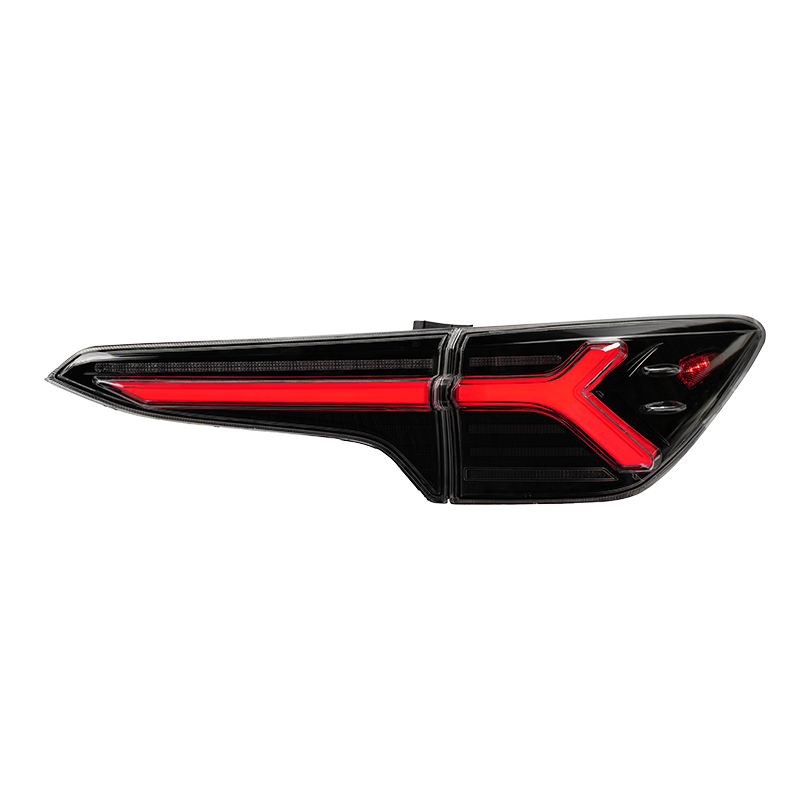
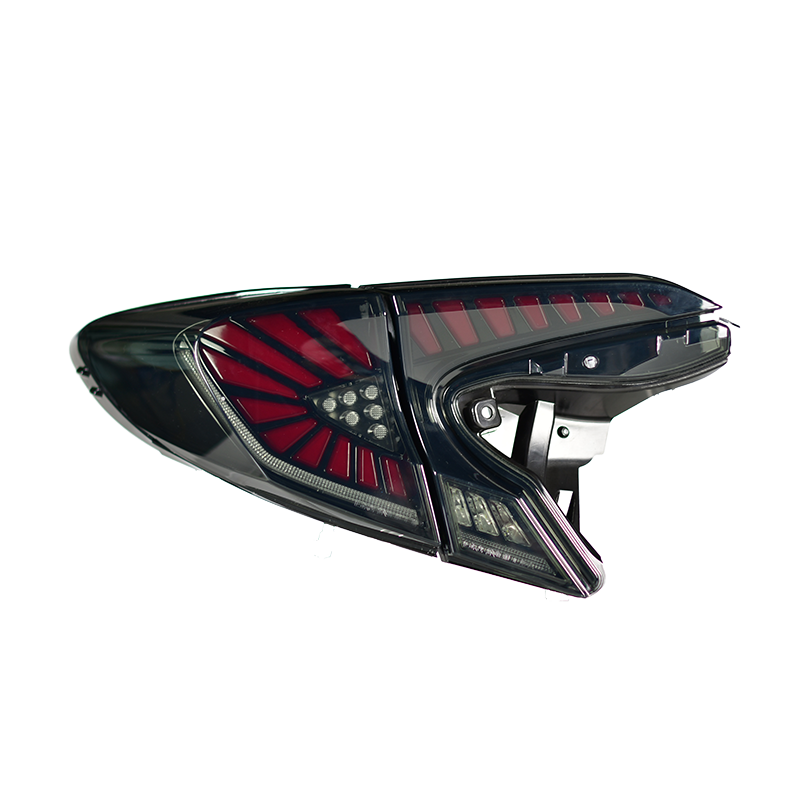
In automotive lighting, materials often decide more than people expect. For Smoked Headlights And Tail Lights, the way a part looks, how it is formed, and how it holds up over time all start with the material itself.
For companies like Taizhou Baozhiwei Vehicle Industry Co., Ltd. , lighting components are not only about appearance. They must fit into regular production processes, match vehicle structures, and stay stable after installation. That is why material selection usually comes before surface styling.
Smoked Headlights And Tail Lights are now widely seen on many vehicle models. The darker look may seem simple at first glance, but in reality it is not created by color alone. It is the result of material choice, tint control, and manufacturing conditions working together.
In earlier stages, smoked lighting was often treated as a visual upgrade. Today, the focus has shifted. More attention is paid to how materials behave during molding, how evenly light passes through darker lenses, and whether the surface remains stable after long-term use.
A Smoked Headlights And Tail Lights Supplier usually looks beyond appearance. Raw materials are evaluated for forming behavior, consistency in tint response, and performance under daily driving conditions. These lighting parts are not decorative add-ons. They are part of a larger vehicle system, and their materials must work reliably without depending on extreme processing or frequent adjustment.
Smoked Headlights And Tail Lights are built as complete assemblies, not single pieces. Each layer has a role, and each material must support the others.
In general, the structure includes:
Material matching is important here. If one layer reacts differently to heat or stress, small problems can appear over time. Warping, tension, or misalignment may not be visible at first, but they affect the final look. For this reason, suppliers tend to choose materials that behave in similar ways, helping the assembly remain stable from production to real-world use.
Polycarbonate is one of the most common materials used for smoked lighting lenses. It offers a practical balance. During forming, it allows flexibility. After shaping, it provides enough strength for daily vehicle use.
It is often selected because it:
When applied to Smoked Headlights And Tail Lights, polycarbonate helps create a consistent smoked look. The tint appears even, and light diffusion is smoother. This avoids sharp contrast between bright and dark areas.
From the viewpoint of a Smoked Headlights And Tail Lights Supplier, polycarbonate also supports steady production. Once molding and tint parameters are set, visual results remain consistent across batches, which is important for long-term supply.
Acrylic materials are also used in automotive lighting, though usually in more limited cases. They are known for surface clarity and smooth finishes. Compared with polycarbonate, acrylic is more rigid and less flexible during forming.
These materials are commonly chosen when:
In smoked lighting assemblies, acrylic is used more carefully. Its rigidity limits design freedom, especially for curved or detailed lenses. As a result, it is often applied to simpler shapes.
To achieve a smoked effect, acrylic lenses rely on precise tint control. The goal is to darken the appearance without blocking light more than necessary.
The smoke effect in Smoked Headlights And Tail Lights depends greatly on how the material accepts tint. Some materials allow tint to blend into the lens during molding. Others require surface treatments after shaping.
Regardless of the method, the focus is usually on:
Material response is critical. If the plastic reacts unevenly, the smoked surface may look patchy or inconsistent. To avoid this, suppliers often prioritize materials that naturally support uniform tinting instead of relying on heavy post-processing.
While the outer lens is the most visible part, the inner housing plays a quiet but important role. These internal components support the light source, keep spacing accurate, and help the assembly stay aligned.
Inner housing materials are usually selected for:
These parts are rarely seen, but they influence the overall quality of Smoked Headlights And Tail Lights. If the inner housing shifts or deforms, the lens may appear uneven or poorly fitted, even when the lens itself is intact.
Many smoked lenses receive protective coatings to support surface durability. These coatings interact directly with the base material, so compatibility matters.
Typical coating purposes include:
When coatings bond evenly, the smoked surface ages more predictably. Fading and clouding are less likely to appear unevenly. For a Smoked Headlights And Tail Lights Supplier, this consistency is important, especially when supplying parts over extended production cycles.
Common Material and Function Overview
| Component Area | Material Role | Primary Consideration |
|---|---|---|
| Outer Lens | Visual surface | Uniform smoke tone |
| Inner Housing | Structural support | Shape stability |
| Surface Layer | Protective coating | Surface consistency |
In addition to lenses and housings, Smoked Headlights And Tail Lights depend on bonding materials to hold all parts together as a complete unit. These materials are not chosen for strength alone. Compatibility usually comes first.
Sealants are mainly used to join the outer lens with the internal frame. At the same time, they help keep the structure sealed. Their role is fairly simple, but important:
Bonding materials must match the behavior of lens plastics. If adhesion is uneven, stress often builds up along the joint lines. Over time, this can affect alignment or surface appearance. For this reason, a Smoked Headlights And Tail Lights Supplier usually checks bonding behavior early, before large-scale assembly begins, to avoid issues later in production.
Once installed, Smoked Headlights And Tail Lights are constantly exposed to changing conditions. Temperature shifts, light exposure, and general outdoor use all influence how materials behave.
Key material responses often observed include:
Some plastics maintain their shape and tone better than others. When smoked finishes fade unevenly, the lighting unit may look inconsistent, even if internal parts still function normally. Material selection aims to limit this kind of variation, reducing the need for surface correction after production.
The manufacturing process itself strongly affects which materials are suitable for Smoked Headlights And Tail Lights. During molding and cooling, different plastics respond in different ways.
Common manufacturing-related considerations include:
Materials that respond smoothly during forming make it easier to control lens thickness and surface consistency. This helps stabilize production. It also reduces the need for frequent machine adjustment, which benefits both manufacturers and suppliers working with multiple designs.
Consistency in raw materials plays a key role in the appearance of smoked lighting components. Even small changes in material batches can lead to visible differences.
Quality-focused material control often involves:
Rather than fixing issues after production, suppliers usually focus on stable material behavior from the beginning. This approach keeps processes simpler and results more repeatable, especially across long production runs.
Material planning for Smoked Headlights And Tail Lights is gradually including lifecycle considerations. Durability is still important, but reuse and processing recovery are now part of the discussion.
Typical sustainability-related factors include:
These considerations support long-term planning without changing the visual character of smoked lighting components.
Smoked Headlights And Tail Lights must fit smoothly into different vehicle designs. Materials that adapt well to varying shapes help maintain visual consistency.
Design-related material factors often include:
When materials behave predictably, lighting units blend more naturally into the vehicle exterior. They appear connected to the design, not added afterward.
A Smoked Headlights And Tail Lights Supplier is usually involved in material decisions from an early stage. This role continues through production and ongoing supply coordination.
Common responsibilities include:
Rather than focusing only on appearance, suppliers help align material performance with manufacturing and assembly needs, reducing unnecessary adjustments later on.
Material development in smoked automotive lighting tends to move step by step. Large changes are rare. Most improvements focus on stability and process control.
Areas that receive ongoing attention include:
These refinements help improve long-term reliability while keeping the familiar look associated with Smoked Headlights And Tail Lights.
We are a modern headlight manufacturer that integrates R&D, design, production and sales. We mainly produce headlamps, taillights, daytime running lights and other automotive lighting products.
Add: No.3 Shiyang Road, Ningxi Town, Huangyan District, Taizhou City, Zhejiang Province, China
Tel: +86-13105675552 / +86-15606586299
Fax: +86-576-89161556
E-mail: [email protected]
Copyright © Taizhou Baozhiwei Vehicle Industry Co.,Ltd. All Rights Reserved.

 English
 русский
 Español