Call us

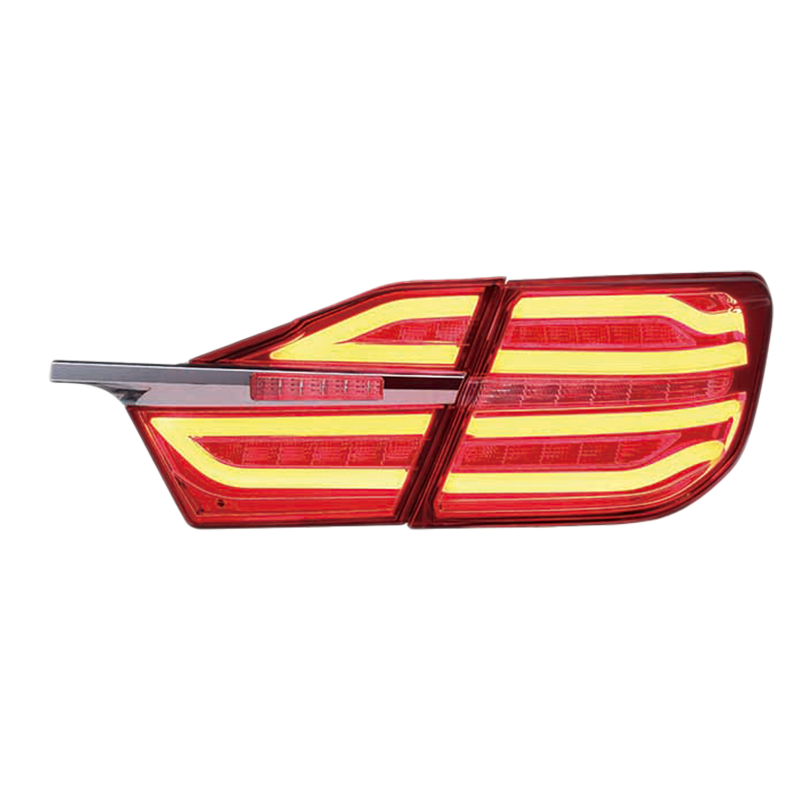
Sequential LED tail lights activate in a flowing order instead of lighting up together. When the turn signal engages, individual sections brighten one after another, often starting from the inner side and moving outward. This creates a clear sweeping motion that stands out on the road. Brake application usually lights the entire assembly at once for quick recognition, reserving the sequence for direction changes.
A small controller built into the housing manages the pattern. It receives the standard flash from the vehicle and directs power to separate LED groups in timed steps. Common layouts feature multiple zones that ignite briefly in succession before the cycle repeats.
Common sweep styles include:
Early versions relied on mechanical switches and multiple bulbs to produce the chasing motion, which added complexity and wear points. Today's Sequential LED Tail Lights use electronic circuits on compact boards, removing moving parts entirely.
The shift to LED sources allowed tighter packaging and precise control over timing. Factories could fit more zones into standard housings, resulting in smoother flows. What once appeared only on select vehicles now reaches many through aftermarket replacements.
Certain manufacturers integrate sweeping patterns directly into rear lighting. Ford applies broad outward sequences on performance models for strong visual impact. Lincoln uses similar flows in larger vehicles with refined styling.
Mercedes-Benz builds quick sweeps into sedans and utility models. Audi features flowing bands that connect with front light designs. Porsche includes the effect on sports variants, while Lexus and Cadillac offer it on higher equipment levels. These factory setups tie into vehicle electronics seamlessly.
Aftermarket Sequential LED Tail Lights: Options and Sources
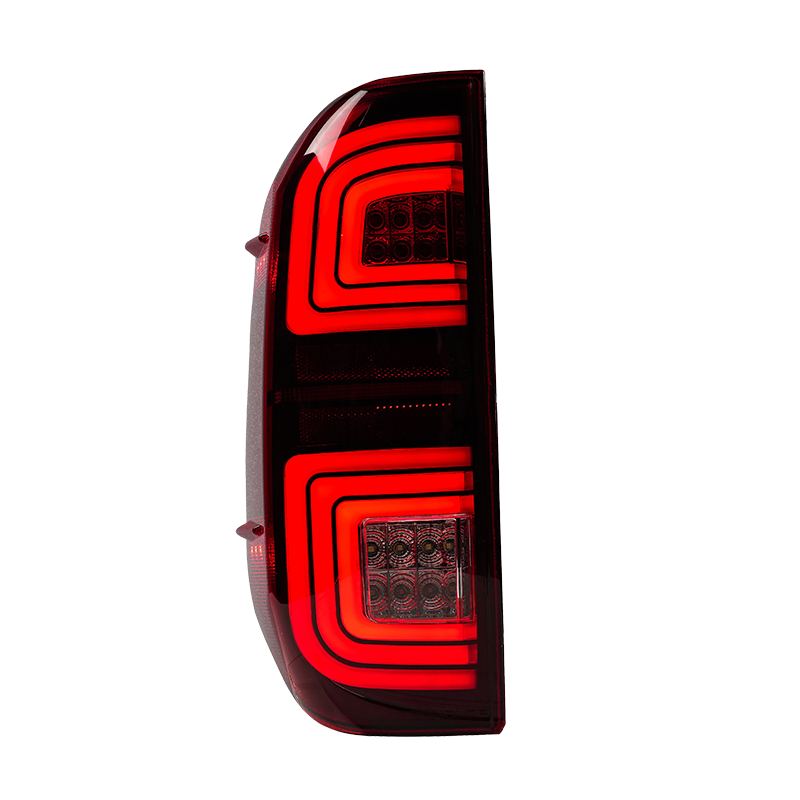
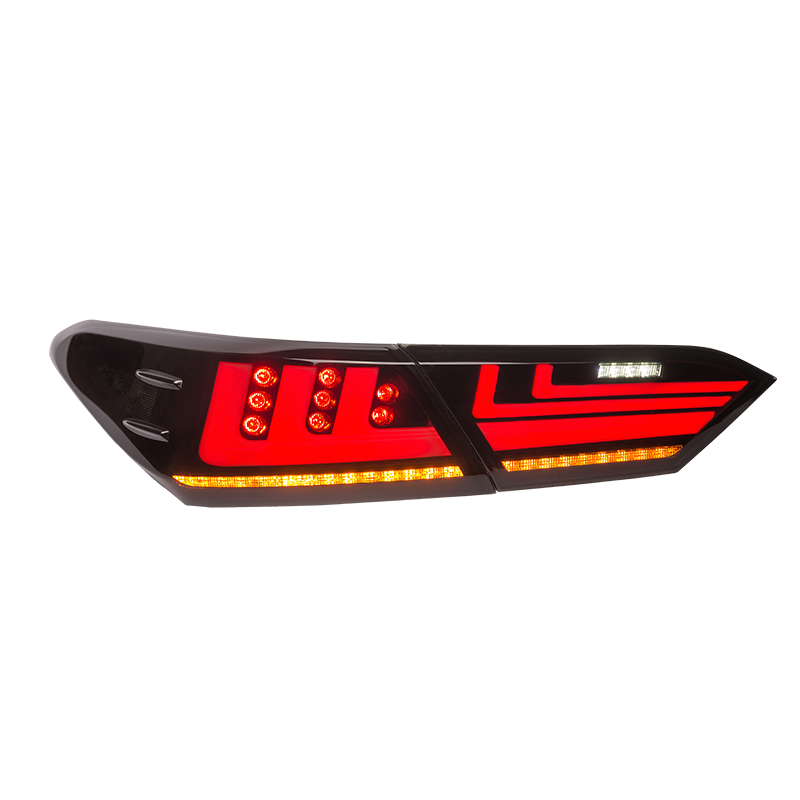
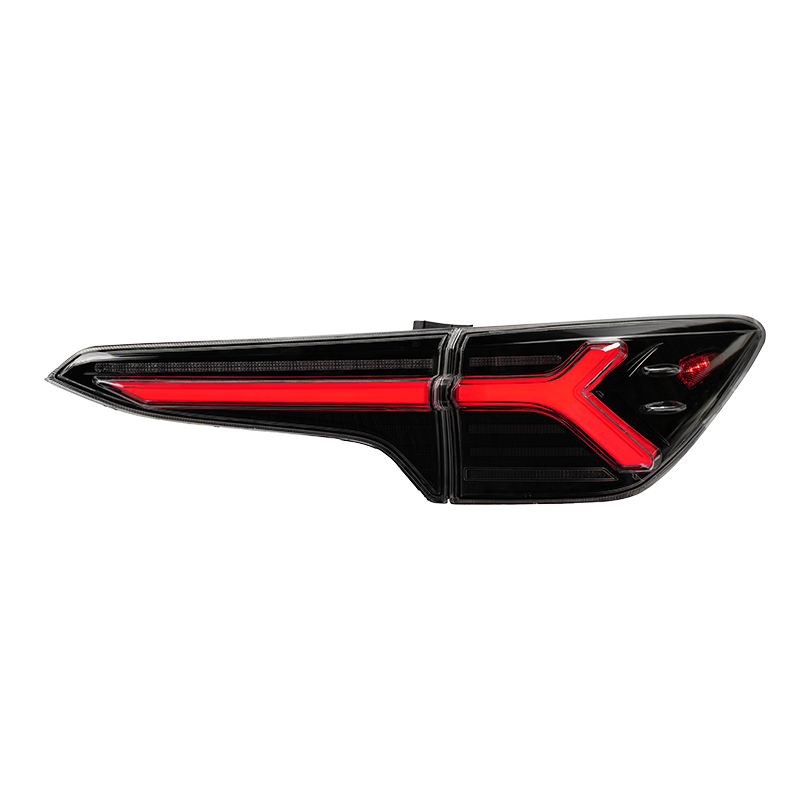
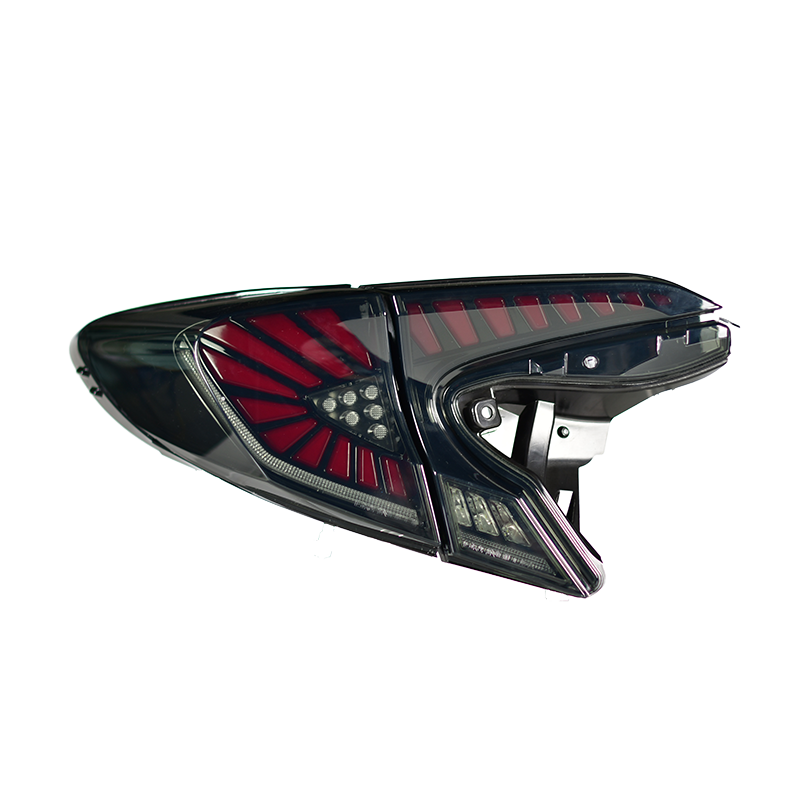
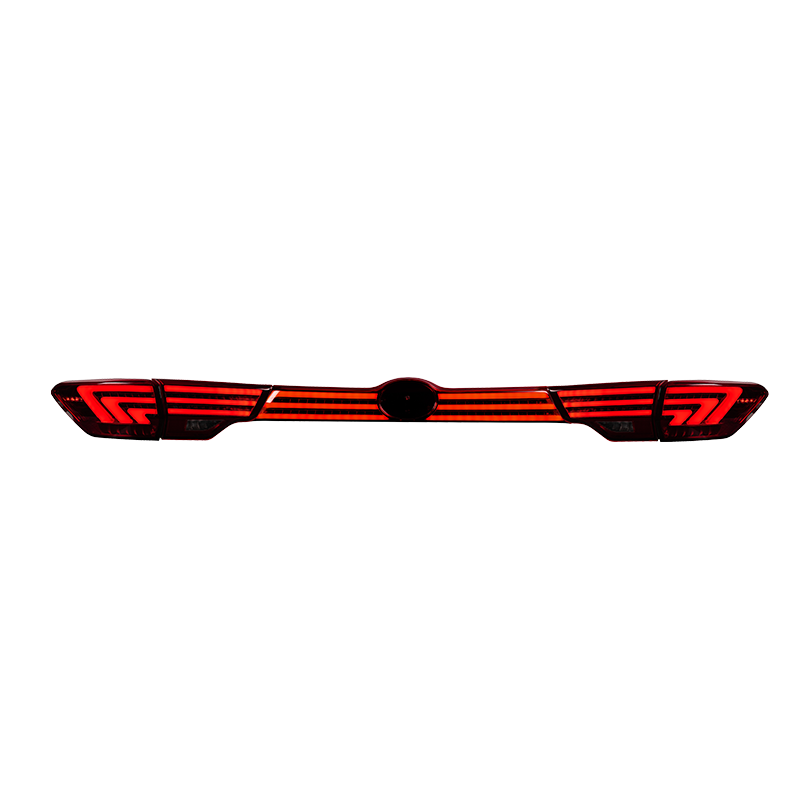
Many drivers add the feature to vehicles that lack it originally. Sequential LED Tail Lights Factory create direct-fit units that match existing mounts, along with options in clear or tinted lenses. Patterns vary from subtle chases to more active flows.
Vehicle electrical systems do not all react the same way when lighting components are changed. In many cases, wiring originally designed for traditional bulbs behaves differently once LED units are introduced. One common result is a faster flashing pattern, often referred to as hyperflash, which happens when the system detects lower power draw than expected.
Some newer vehicles rely on networked control systems to monitor lighting behavior. When a change is detected, warning messages may appear on the instrument panel. To address this, a Sequential LED Tail Lights Factory may offer supporting components such as signal adapters or resistance solutions that help maintain expected system responses.
Physical compatibility is just as important as electrical matching. Tail light housings vary not only between vehicle brands but also across different model updates. Even small changes in shape or sealing design can affect fit. Using components that match the vehicle layout helps avoid gaps, uneven mounting, or water exposure later on.
| Aspect | Potential Challenge | Common Approach |
|---|---|---|
| Power draw difference | Faster flashing rate | Internal or external resistors |
| Networked electronics | Warning indicators | Signal matching modules |
| Housing fit | Seal or mount misalignment | Model specific gaskets or brackets |
| Wiring plugs | Pin arrangement variations | Adapter harnesses |
Accessing the rear lighting area is the first step in most installations. This often involves removing trunk liners or, in some vehicles, sections of the bumper cover. Plastic trim tools are commonly used to reduce the chance of surface marks.
Once access is clear, power should be disconnected before loosening fasteners and unplugging the existing units. The removal process is usually straightforward, though clips and mounting points may differ by model.
New Sequential LED Tail Lights are often designed to connect directly. In some cases, minor wiring adjustments or additional grounding points may be needed. After positioning the housing, it should be secured evenly to avoid stress on the lens or seal.
Typical installation steps include:
Testing from outside the vehicle helps confirm that turn signals, brake lights, and parking lights respond correctly. Wiring errors can lead to reversed sequences or fuse issues, so a quick voltage check can help resolve problems before reassembly.
LED based lighting handles vibration and movement better than filament designs. This makes it suitable for daily driving conditions where constant motion is expected. Heat management remains a key factor, especially in compact tail light layouts where airflow is limited.
Well designed assemblies direct heat away from sensitive components through metal supports or open internal paths. This helps maintain stable light output over time.
Moisture protection also plays a role in long term appearance. Proper sealing reduces internal fogging and protects electrical contacts from road spray. Surface coatings help lenses stay clear even with regular exposure to weather and sunlight.
When LEDs are selected from matched groups, brightness and color tend to remain even across the sequence. These details support consistent performance throughout regular use.
Build quality often becomes visible in the materials used. Thicker lens sections resist surface wear, while solid housings provide better structural support. Metal backing elements assist with heat transfer and reduce the risk of corrosion.
Internal circuit protection is another area buyers review. Coated boards handle humidity better, and basic safeguards help protect against unexpected electrical changes. A Sequential LED Tail Lights Factory that includes these elements usually focuses on long term stability rather than short term appearance.
Lower cost assemblies may simplify materials or sealing methods. Over time, this can lead to earlier wear or inconsistent behavior. More complete designs tend to include reinforced seals, protected wiring paths, and careful assembly steps.
Warranty coverage is often reviewed as part of selection. While not a guarantee, longer terms usually reflect confidence in assembly consistency and testing practices.
The sweep looks different depending on vehicle shape and lens color. Lower vehicles show the motion clearly from behind, while taller ones may soften the effect at eye level. Clear lenses make patterns pop more than tinted ones.
Electrical harmony matters after fitting. Persistent fast flashing needs proper resistance matching. Network alerts may require extra modules that translate LED signals correctly.
Brake lighting stays solid in proper designs, ensuring instant stop recognition. Turn sequences pause under braking for safety.
Reversibility appeals to some owners. Quick-disconnect harnesses allow easy return to original lamps without cutting wires.
Motion from sequencing helps catch attention faster than static flashes. Balance comes from choosing patterns that enhance rather than overpower rear visibility.
Sequential LED Tail Lights bring modern flow to many vehicles when matched carefully to wiring, fit, and build quality. Factories refining controllers and materials continue expanding reliable options, turning the sweeping effect into a practical upgrade for everyday roads.
We are a modern headlight manufacturer that integrates R&D, design, production and sales. We mainly produce headlamps, taillights, daytime running lights and other automotive lighting products.
Add: No.3 Shiyang Road, Ningxi Town, Huangyan District, Taizhou City, Zhejiang Province, China
Tel: +86-13105675552 / +86-15606586299
Fax: +86-576-89161556
E-mail: [email protected]
Copyright © Taizhou Baozhiwei Vehicle Industry Co.,Ltd. All Rights Reserved.

 English
 русский
 Español