Call us

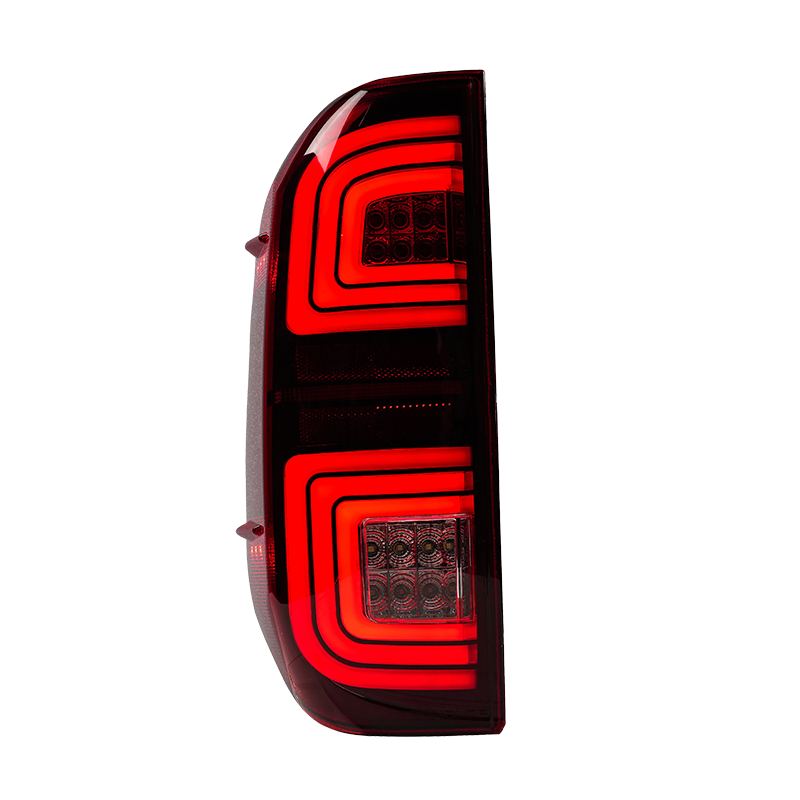
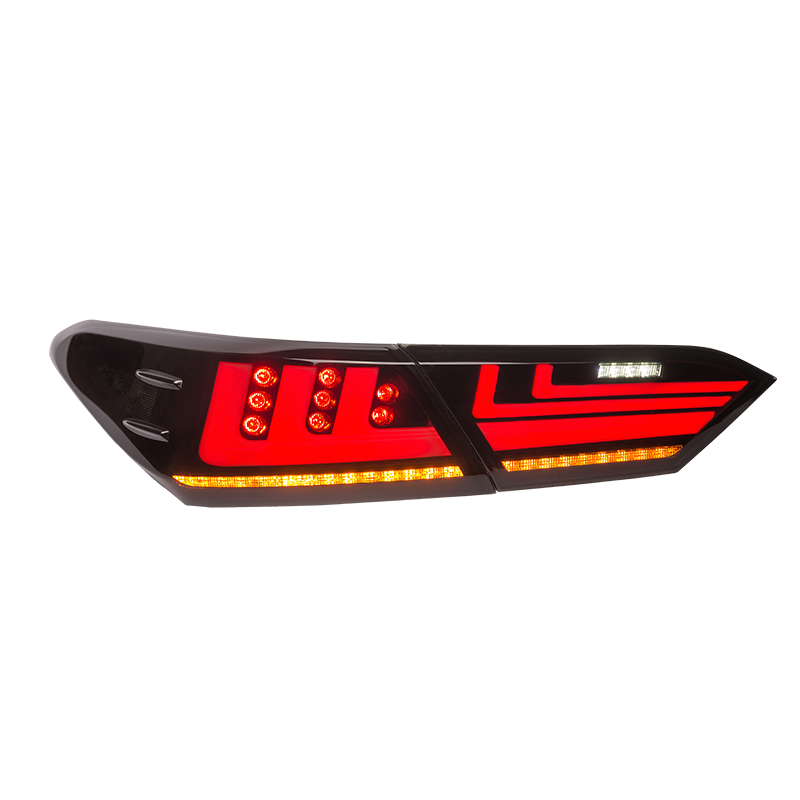
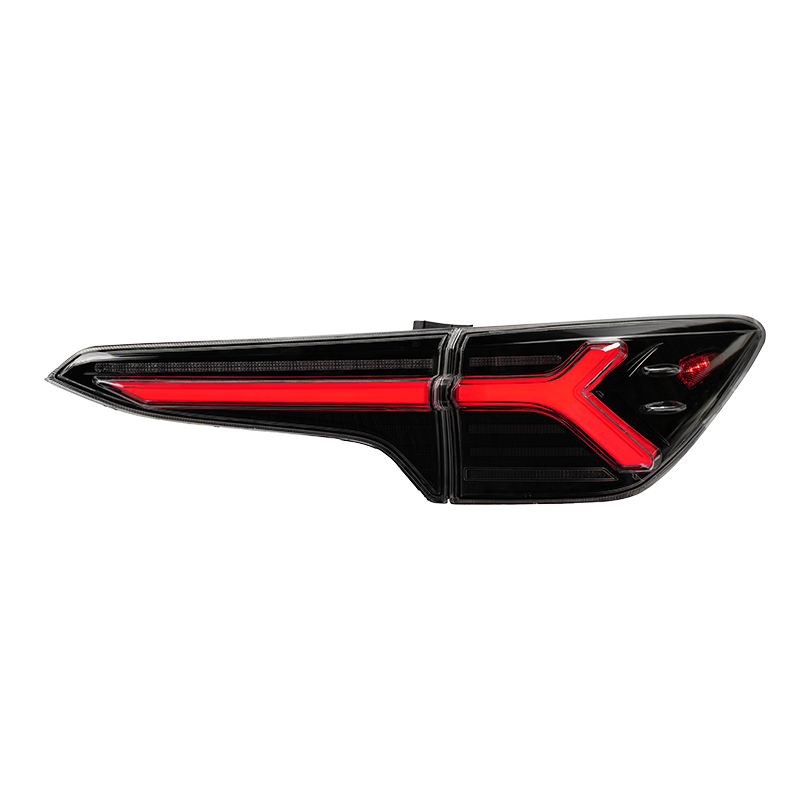
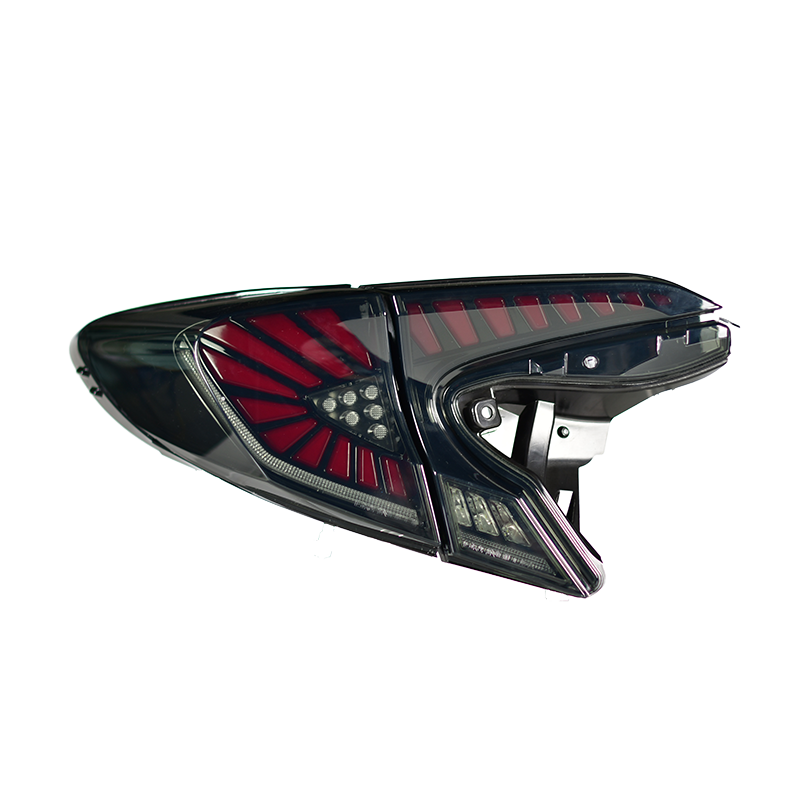
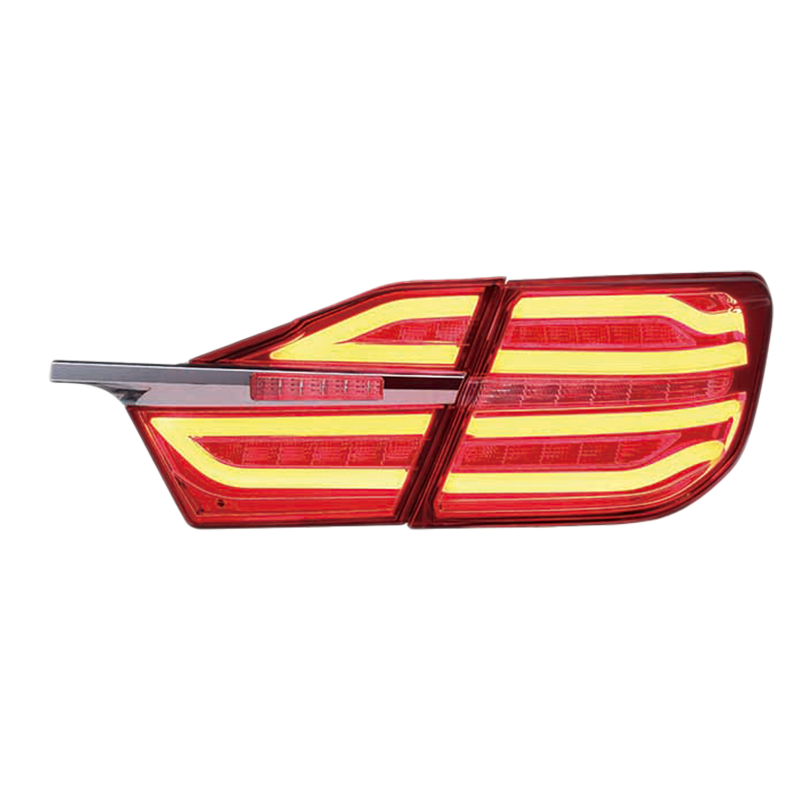
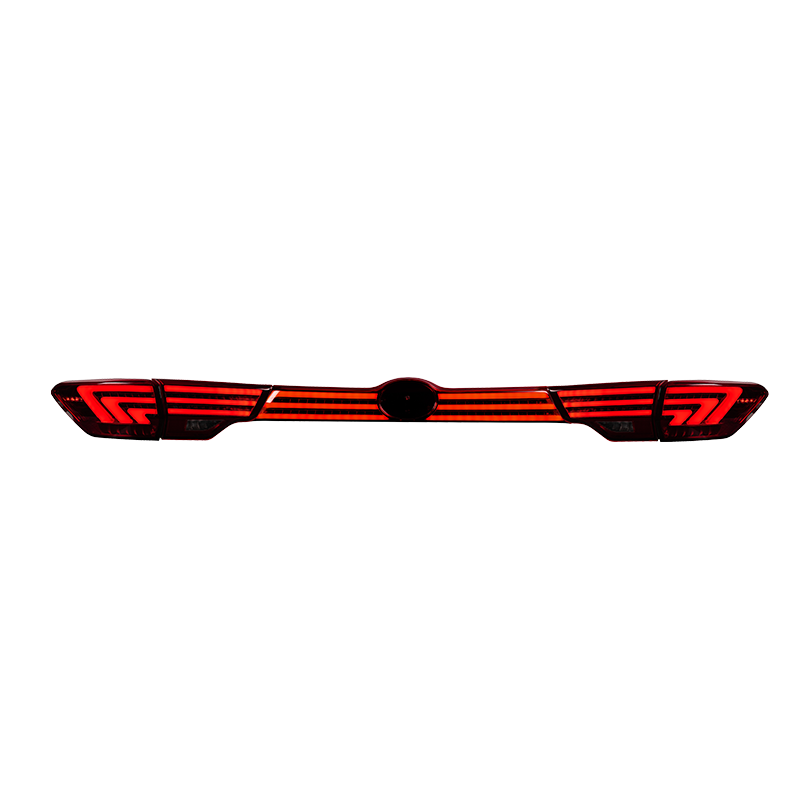
Modified tail lights remain popular in the automotive aftermarket. Smoked lenses, sequential turn signals, LED conversions, and custom light bars give drivers a way to change a vehicle’s look without changing its bodywork. For manufacturers, that demand creates room to serve different models, styles, and customer budgets.
Still, rear lighting is about more than appearance. Tail lamps, brake lamps, turn signals, and reverse lamps help drivers understand what a vehicle is doing. A change in color, brightness, or signal pattern can make that information harder to read, especially at night or in poor weather. It can also put a product at odds with the rules in the market where it is sold or used.
Regulatory checks belong in product development, not just before shipment. Manufacturers need to balance the design goal with lighting performance, vehicle fit, and local rules. Early checks can help avoid redesigns, delays, and customer complaints.
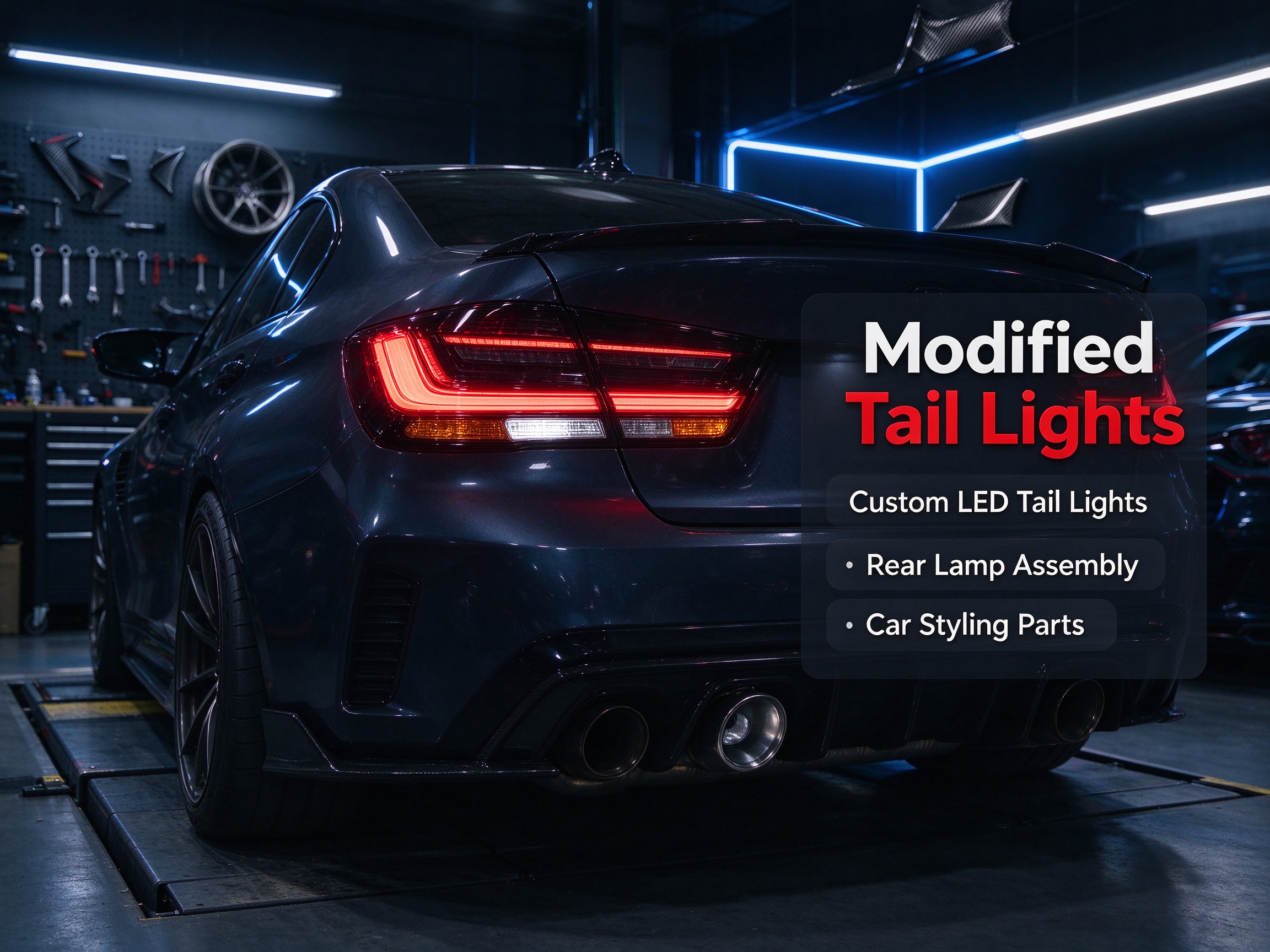
A vehicle’s rear lighting system may include tail lamps, brake lamps, turn signals, reverse lamps, and rear fog lamps. Each function sends a different message to other road users. Drivers rely on those signals to judge whether a vehicle is slowing down, turning, reversing, or simply travelling ahead.
Small design changes can affect signal clarity. A dark lens may reduce light reaching the road, while an LED layout that looks bright head-on may distribute light unevenly at other angles. A showroom-friendly signal pattern may also be confusing in traffic.
When assessing a modified tail light, manufacturers should look at five practical points:
Visibility: Can other drivers see the lamp from the relevant distances and viewing angles?
Color: Does each function use a color permitted by the rules that apply?
Signal behavior: Do the lamps turn on, flash, and switch between functions as required?
Vehicle compatibility: Does the assembly fit the intended vehicle and connect properly to its electrical system?
Durability: Can it cope with heat, moisture, vibration, and ordinary road use?
These factors need to be considered together. A lamp can fit the mounting points and use suitable LEDs yet still produce the wrong light pattern. Assess the complete assembly in the configuration that will actually be supplied. Intended use matters, too: a display-only accessory and a lamp advertised for public roads may face different expectations, so product pages and packaging should describe the intended application clearly.
Rules vary by country and vehicle category. Identify the destination markets, vehicle type, and whether the product is for road use, off-road use, or both.
In the United States, Federal Motor Vehicle Safety Standard No. 108, at 49 CFR § 571.108, covers lamps, reflective devices, and associated equipment for applicable vehicles. Relevant provisions may address photometric performance, color, visibility, installation, and manufacturer certification.
Manufacturers should check the requirements that apply to the particular lighting function and application, including:
Light intensity and distribution at specified test points.
Permitted colors for tail lamps, brake lamps, turn signals, and reverse lamps.
Lamp location, visibility, and installation conditions.
Applicable marking and documentation responsibilities.
Whether the modification could affect compliance with other relevant safety requirements.
The US system generally relies on manufacturer certification; NHTSA does not routinely pre-approve every aftermarket lamp before sale. That does not make every product lawful for every use. State laws may add restrictions for public-road equipment, inspections, or vehicle operation.
A product being available for purchase does not automatically mean it is lawful on every vehicle. Importers, distributors, and installers may have different responsibilities, so manufacturers should give their business partners clear product information rather than assume they will interpret the rules in the same way.
Many European markets use UNECE regulations alongside applicable EU and national rules. UNECE Regulation No. 148 addresses light-signalling devices, while other provisions may cover installation and vehicle approval.
Checks may cover light output, color, visibility angles, positioning, operation, and approval markings. Where component type approval is required, confirm that the documents and marking match the exact lamp configuration.
An approval mark should not be treated as a blanket authorization for every country or every installation. The intended vehicle, the relevant rule, and the local approval route still matter.
|
Consideration |
United States |
UNECE-based markets |
|---|---|---|
|
Main framework |
FMVSS No. 108 and applicable federal rules |
Applicable UNECE regulations and regional legislation |
|
Compliance approach |
Manufacturer certification under relevant requirements |
Component or vehicle type approval may be required |
|
Performance |
Applicable photometric and functional requirements |
Applicable photometric and functional requirements |
|
Additional checks |
State laws and vehicle-use requirements |
Local installation and approval requirements |
Use this table as a starting point, not a substitute for a product-specific review. Requirements vary by vehicle class, lighting function, and destination, so check them before tooling or production.
Each modification brings its own engineering questions. Styling matters, but road-use products still need to function as required.
Smoked lenses create a darker look, but tinting, coatings, and lens materials can reduce light transmission. The effect depends on the full optical design.
Test the completed assembly rather than assume a light tint is acceptable. The finished lamp must meet applicable performance and color requirements; workshop appearance is not a reliable substitute for testing.
Sequential signals light sections in a timed pattern. They are popular on some vehicles, but the sequence must meet the rules in the intended market.
Check signal color, timing, visibility, and separation from other functions. The sequence must remain clear from different angles and in poor weather. A pattern allowed in one market may not be accepted elsewhere.
LEDs offer design flexibility and potential energy savings, but a bulb that fits an existing socket does not automatically make a compliant lamp. Reflectors and lenses are designed for particular light sources; replacing one can change intensity, distribution, glare, and viewing-angle performance.
Custom light bars also need recognizable functions and a compliant light pattern. Adding LEDs alone does not guarantee either. Designers should consider how the lamp works alongside the vehicle’s original rear lighting, including whether one function could visually blend into another or make the intended signal harder to identify.
Review the full unit’s optical, electrical, and mechanical performance before release.
Photometric performance and color: Measure light intensity, distribution, and color using relevant test procedures. LED data sheets support design work but cannot prove that the assembled product complies.
Lens materials: Check light transmission, UV resistance, surface quality, and environmental durability. Heat and sunlight can degrade or discolor materials, affecting performance and appearance.
Electrical compatibility: Check operation with the intended vehicle system, including flickering, dashboard warnings, current draw, voltage variation, temperature, and electromagnetic compatibility where relevant. Wiring and connectors must suit the application.
Mechanical fit and sealing: Check dimensions, connector retention, wiring protection, and resistance to moisture and vibration. Poor sealing can cause condensation, while loose fasteners may create faults in use.
Record compatibility by make, model, and year where relevant. For multi-vehicle designs, confirm fit and electrical behavior for each application rather than relying on a broad fitment claim. A fitment matrix can help keep this information organized and show which versions have been checked, which still need review, and which components differ between applications.
A Practical Compliance Workflow
Before you start rolling products off the line, you need to know exactly which rules apply and if your finished gear actually hits those marks. The whole process usually breaks down into six steps.
The specific rules always change depending on the product type and where you ship it. Just having a random test report doesn't replace formal approval if the local law demands it. If you tweak the design later or swap out key components, make sure to check if you need to run the gear through the lab again.
Quality Control and Supplier Management
Passing an early prototype test is one thing. Making sure every single production lot meets those same benchmarks is a whole different ball game.
|
Quality area |
Recommended checks |
|---|---|
|
LED components |
Color, output consistency, and electrical specifications |
|
Lens materials |
Transmission, surface defects, and material consistency |
|
Housing |
Dimensions, sealing, and fastening |
|
Electrical connections |
Wiring security and functional operation |
|
Finished products |
Fitment, appearance, and applicable performance checks |
|
Supplier changes |
Potential effects on safety and compliance |
Tiny changes in raw components can completely alter how a tail light performs on the road. A different LED chip, a new lens plastic blend, or a different internal driver might look identical to the original part, but it can throw totally different test results. Always audit replacement parts before dumping them into your live production runs, and keep a log of approved changes.
Make sure you hold onto your daily inspection results and batch records too. When a buyer reports a glitch down the road, these files help you trace the issue so you can see if you are dealing with one bad batch or a massive systemic problem. Checking incoming components on the loading dock also catches material shifts before they turn into expensive defects in your finished inventory.
Documentation and Marketing Claims
Your product paperwork needs to tell buyers exactly which vehicles these tail lights fit, how to wire them up, and which lighting functions they actually support. Lay out the exact wiring diagrams and explain the regulatory status of the product in plain language.
Be careful when slapping phrases like “DOT approved ” “ECE certified ” or “street legal” onto your packaging. Only use these claims when your physical paperwork and official stamps fully back them up. A supplier's basic promise or a generic factory test report is not enough to prove a product satisfies a specific market's laws.
Always verify that your manuals and tech sheets match the exact version of the product you are shipping out. Tweak the lens color or the internal electronics, and your old lab results might become useless. Update your web listings, retail boxes, and installation guides whenever you make a change so your buyers aren't working with outdated info.
Common Mistakes to Avoid
A few major issues are remarkably easy to miss during product development:
These slip-ups can easily lead to extra lab bills, massive product returns, or shipping delays. Grinding through the details before production kicks off saves you from that unnecessary cleanup work later.
Frequently Asked Questions
Are modified tail lights legal on public roads?
It depends heavily on local traffic laws, the specific vehicle, and what kind of modification you did. Smoked lenses, LED bulb swaps, and sequential signals are fine in some regions but highly restricted in others. Check your local vehicle codes before running them on public streets.
Do aftermarket LED tail lights need certification?
That hangs entirely on the specific product type and your target market. Some items absolutely require formal type approval, so you should check the local rules before selling them.
Can smoked tail lights be sold for off-road use?
This depends on local statutes and how you actually market and use the lights. Slapping an “off-road use only” sticker on the box doesn't automatically clear you from local highway laws if the car hits a public street.
When should manufacturers reassess a design?
Audit the design whenever a modification could alter the light output, electrical behavior, physical durability, or legal status. Switching your LED vendor or tweaking the lens plastic formulation, for example, usually means it is time for a new round of testing.
Final Considerations
Modified tail lights give you plenty of cool styling options, but a sleek look is only part of the job. The finished unit still has to function correctly, fit the target vehicle chassis without gaps, and pass the legal rules in the market where you sell it. Check these mandates early in the game, keep your assembly line consistent, and make sure your product listings stay accurate. Doing this prevents expensive corrections after the goods land in your customers' hands.
We are a modern headlight manufacturer that integrates R&D, design, production and sales. We mainly produce headlamps, taillights, daytime running lights and other automotive lighting products.
Add: No.3 Shiyang Road, Ningxi Town, Huangyan District, Taizhou City, Zhejiang Province, China
Tel: +86-13105675552 / +86-15606586299
Fax: +86-576-89161556
E-mail: [email protected]
Copyright © Taizhou Baozhiwei Vehicle Industry Co.,Ltd. All Rights Reserved.

 English
 русский
 Español