Call us


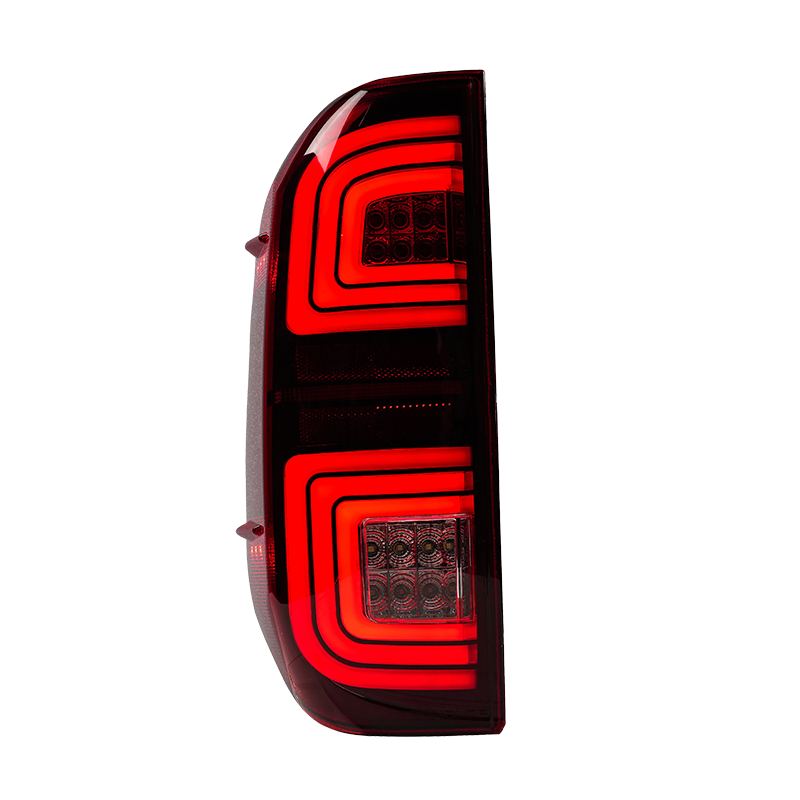
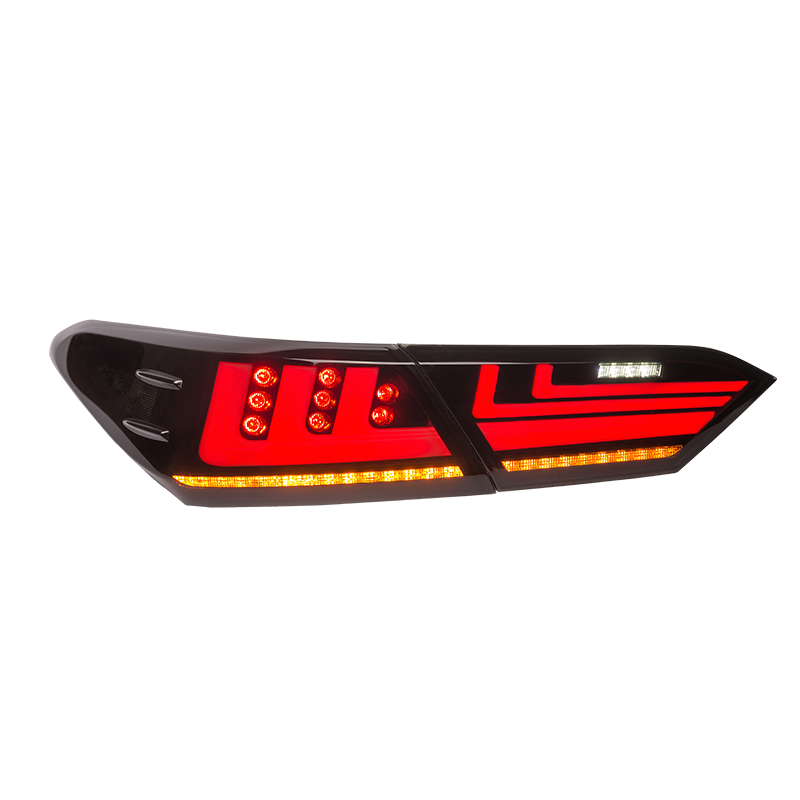
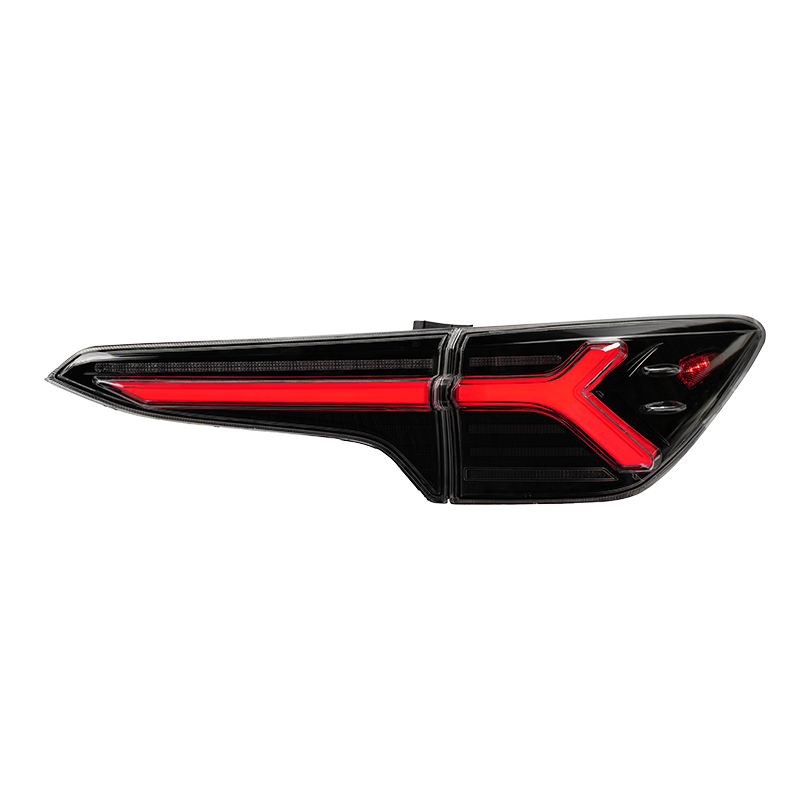
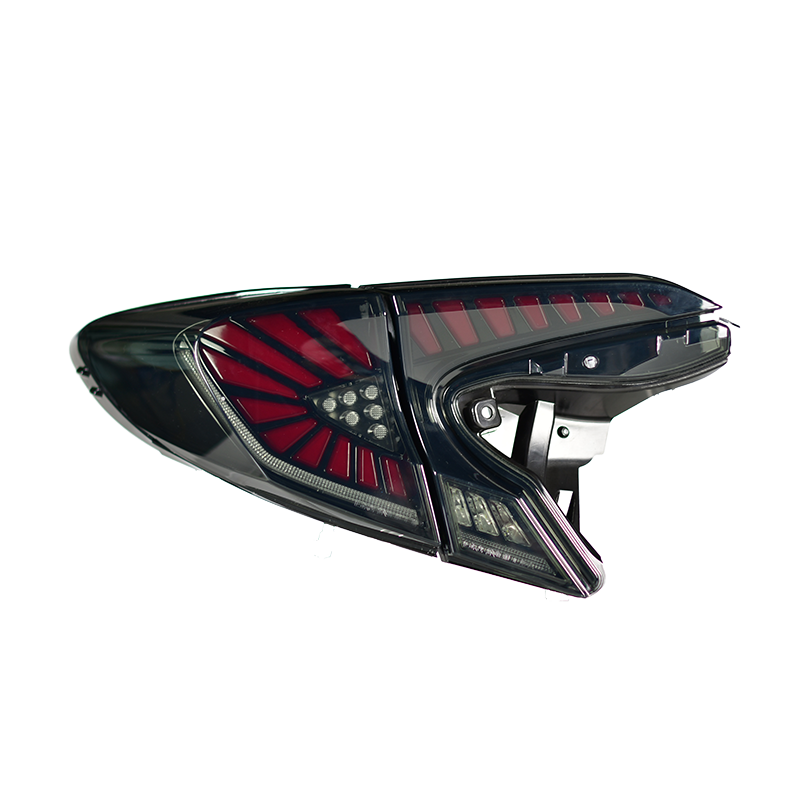
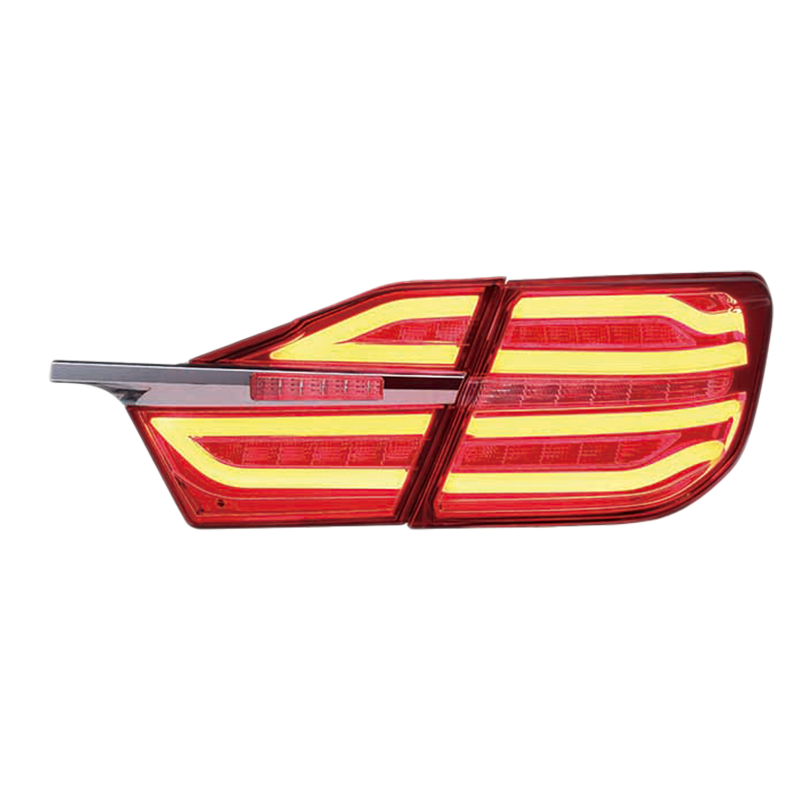
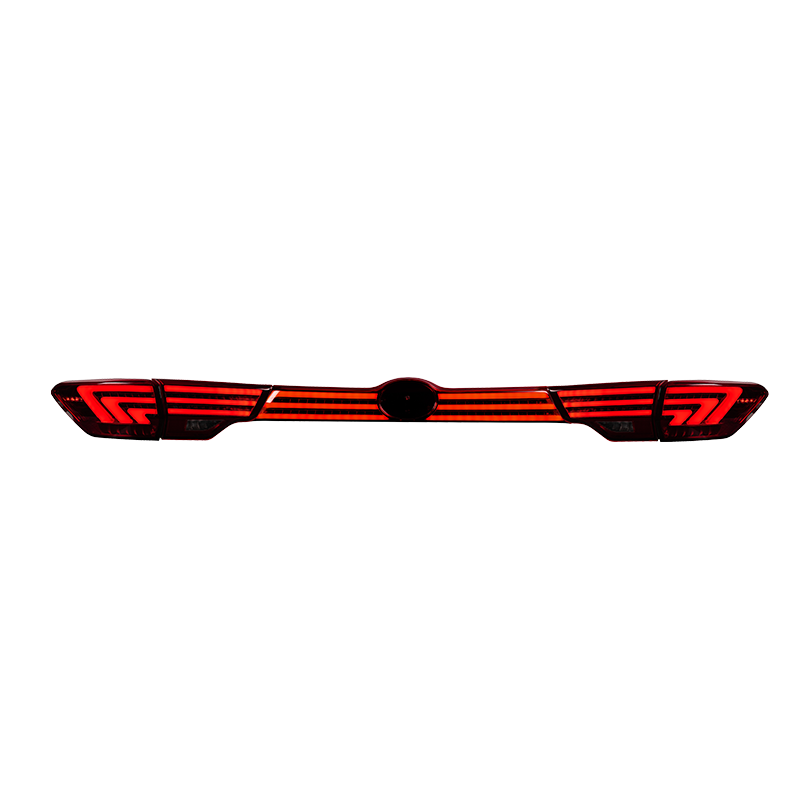
Modified Tail Lights are more than just decorative elements on a car. They help ensure safety while giving a vehicle a unique look. Keeping them in good shape matters, especially when the weather changes frequently. Sunlight, rain, cold, or dust can gradually affect lenses, housings, and wiring.
A reliable Modified Tail Lights Supplier provides products designed to withstand diverse climates and helps vehicle owners maintain their lighting systems effectively. Taizhou Baozhiwei Vehicle Industry Co.,Ltd. offers a range of lighting solutions built with durability and environmental adaptability in mind. By understanding how weather affects these components, drivers can adopt practical maintenance routines that extend the lifespan of their tail lights.
Strong sunlight can slowly change the color of the lens. Plastic housings might warp over time. Wiring insulation can weaken if exposed to heat for long stretches. At first, these changes might be barely noticeable. Over time, they can reduce the clarity and brightness of the lights.
A Dark Tail Lights Supplier may rely on:
Freezing temperatures can make lens material more fragile. Seals might stiffen and lose flexibility. Moisture can form inside the tail light if left in the cold too long. Even electrical connectors can become rigid, making small adjustments trickier. Frequent inspection in winter or cold weather is a simple way to avoid surprises.
Water is one of the main threats to tail lights. It can seep in through minor cracks or loose seals, causing fog or uneven lighting. Moisture also puts extra strain on wires and connectors. Checking the lights after heavy rain or humid days and drying any damp areas can prevent problems.
Dust or sand can scratch the lens surface and settle around seals. Even a thin layer of dirt can affect how clearly lights shine. Wiping gently with soft cloths and using protective covers can keep lights performing well. Small, regular care steps make a big difference over time.
| Weather Condition | Possible Impact on Tail Lights | Suggested Maintenance Actions |
|---|---|---|
| Hot | Lens discoloration, slight warping, insulation stress | Park in shade, clean gently |
| Cold | Condensation, stiff seals, fragile lens | Warm slowly, inspect connections |
| Rainy/Humid | Fog inside lens, moisture on wiring | Check seals often, dry any wet areas |
| Dusty/Sandy | Scratches, dirt accumulation | Use covers, clean with soft materials |
Keeping your tail lights looking good doesn't need to be complicated, it's mostly about a little regular attention; even a thin layer of dust, pollen, or random road grime can slowly make them look dull, and while you might not notice it at first, over time it really does affect how bright they appear. Usually, all you need is a soft microfiber cloth, maybe a bit of water or a gentle cleaner, and just a few minutes of wiping, avoiding anything harsh or abrasive because that's a fast way to scratch the lens or ruin any special coatings the manufacturer put on.
If you live somewhere it rains a lot or is generally humid, it's worth taking a second to dry off the tail lights after washing the car or after a heavy downpour; even tiny droplets left on the lens can create streaks or small spots, and while it sounds minor, it adds up and can subtly reduce brightness over time, so a quick wipe now saves you from headaches later.
Taking a quick look at your tail lights every so often is one of those small things that can save a lot of trouble, because cracks, moisture inside the housing, or color changes don't always appear suddenly, and connectors can get loose or start to corrode without you noticing, so catching them early means you can fix them before they turn into flickering lights or a bigger electrical problem. Some suppliers even provide simple inspection guides, and really, just wiping the lens and gently nudging the connectors every few weeks makes keeping everything in check much easier than waiting for something to go wrong.
Whenever you remove or adjust your tail lights, it's worth slowing down and being careful, because bending the housing, tugging on wires, or putting pressure on delicate parts can loosen internal components or compromise seals, letting moisture sneak in and causing issues down the line; using the right tools and following the manufacturer's instructions might take a little extra time, but it beats spending hours fixing something that broke because of a rush.
When it's hot out, the plastic and colors on tail lights can slowly change if you're not careful, so finding some shade to park in—even a little—is better than leaving them baking in the sun, and when you go to clean them, be gentle because heat-softened surfaces scratch more easily; if the car has been sitting under direct sun, let the lights cool naturally before touching them. Some manufacturers use special coatings or heat-resistant materials to help, and in the case of dark tail lights, they might carefully mix pigments and control production temperature so the color stays nice even after long summer days.
Cold weather brings different headaches, like frost or condensation inside the lights, and trying to blast them with heat suddenly isn't a great idea, so warming them gradually is better. Seals and connectors can get stiff or brittle in low temperatures, so it's worth checking them, and any moisture inside should be removed as soon as you spot it to prevent mold or corrosion later.
In wet or rainy areas, water can sneak in where it shouldn't, causing fog or uneven brightness, so keep an eye on the seals, dry out any moisture as soon as possible, and skip the high-pressure washer directly on the lights because it can force water into small gaps and create problems you didn't have before.
Dust and small debris can scratch the lens and accumulate around gaskets, so if your car is sitting outside for a long time, a protective cover helps, regular cleaning with a soft cloth keeps things clear, and when you remove debris, do it carefully so you're not scraping the lens and creating scratches that will bother you later.
Electrical connectors are fragile. A drop of water or a bit of dust can make your tail lights flicker. Check that connectors are tight. Make sure insulation is intact. Small gaps seem harmless but can cause big problems later. A quick look every few weeks saves trouble.
Cables face sun, cold, and dust every day. Over time, they crack or harden. Wrap them in flexible tubing. Add protective covers if possible. A quick check for wear prevents bigger issues later.
Tail lights need steady voltage. Moisture, dust, or weather changes can affect wiring. Flickering or dim lights are warning signs. Spot problems early. Fixing small issues prevents bigger headaches.
Choose the right lens material. Weather-resistant coatings stop scratches and fading. Hard lenses protect from dust and small stones. Clear lenses need less cleaning.
Tail light housings face heat, cold, moisture, and bumps. Flexible materials prevent cracks and warping. Good suppliers consider the local climate. That makes lights last longer.
Seals keep out water and dust. Gaskets can loosen or wear out over time. Check them regularly. Well-sealed lights work better and longer.
A smart supplier knows local weather. Hot, cold, rainy, or dusty areas need different tail lights. Choosing the right one avoids trouble.
Some suppliers test lights in heat, cold, water, and dust. These tests ensure lights work consistently. No surprises on the road.
Suppliers can offer custom materials, coatings, or housings. They guide you on installation and maintenance. A little help keeps lights in top shape.
Small steps, done often, keep tail lights reliable.
Tail lights last longer with regular care. Check housing, lens, wiring, and seals. Choose a trusted supplier for weather-proof products. Taizhou Baozhiwei Vehicle Industry Co., Ltd. offers durable, practical solutions. Maintenance is simple. Tail lights shine brighter, longer.
We are a modern headlight manufacturer that integrates R&D, design, production and sales. We mainly produce headlamps, taillights, daytime running lights and other automotive lighting products.
Add: No.3 Shiyang Road, Ningxi Town, Huangyan District, Taizhou City, Zhejiang Province, China
Tel: +86-13105675552 / +86-15606586299
Fax: +86-576-89161556
E-mail: [email protected]
Copyright © Taizhou Baozhiwei Vehicle Industry Co.,Ltd. All Rights Reserved.

 English
 русский
 Español