Call us


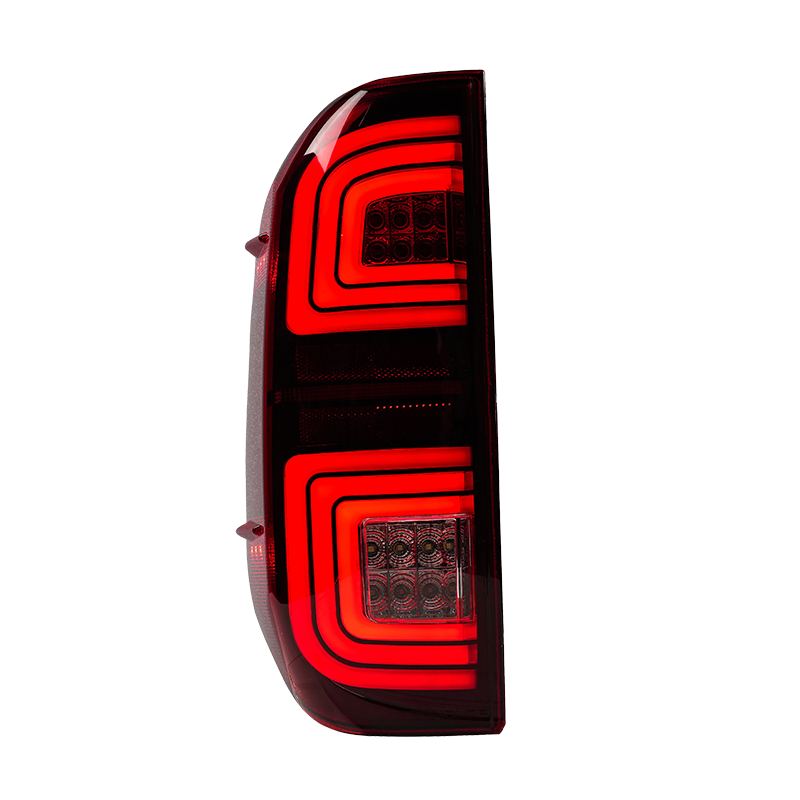
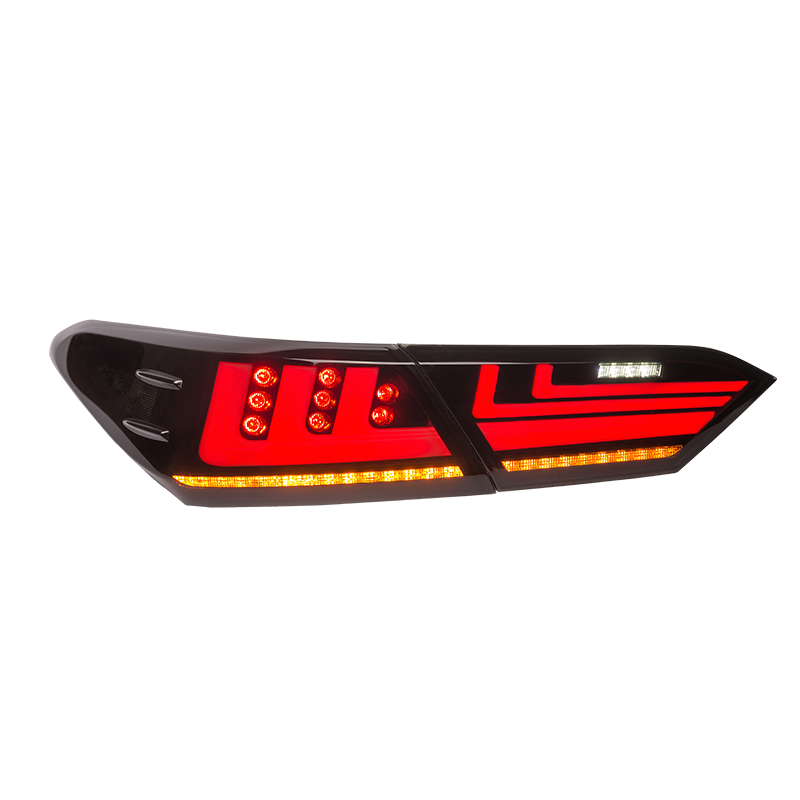
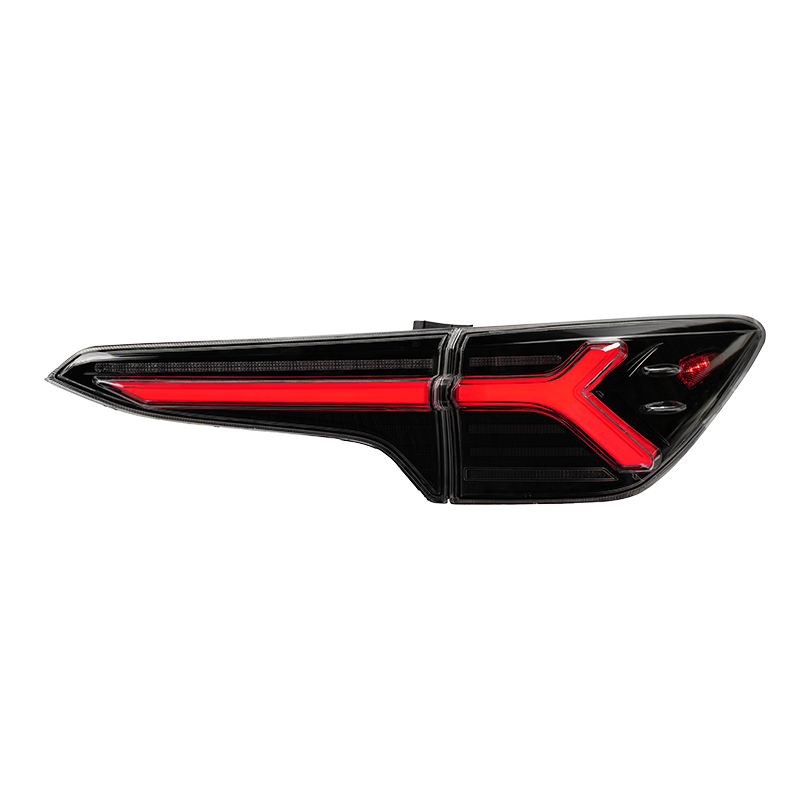
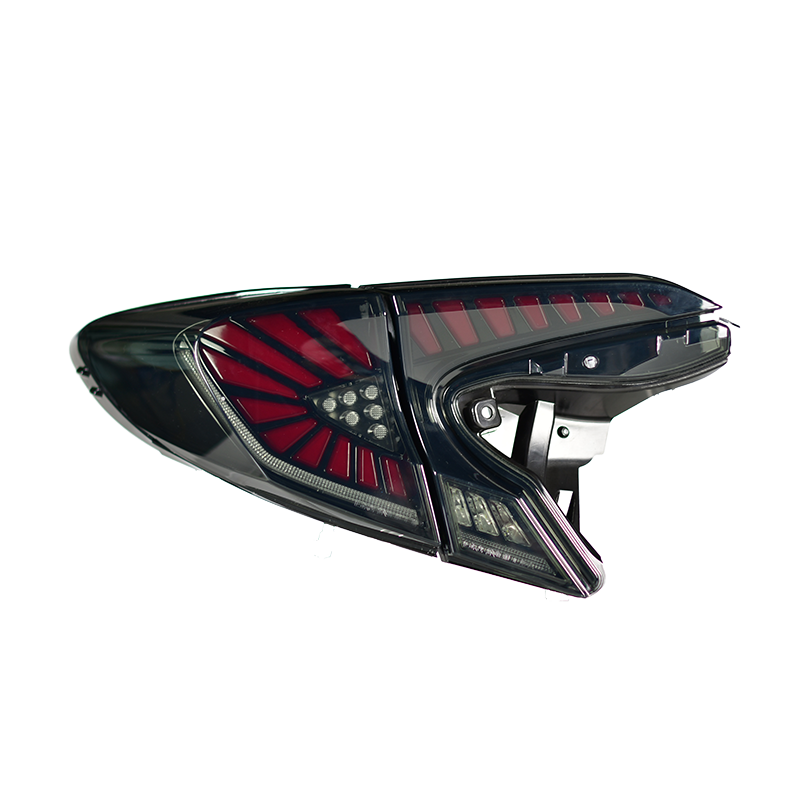
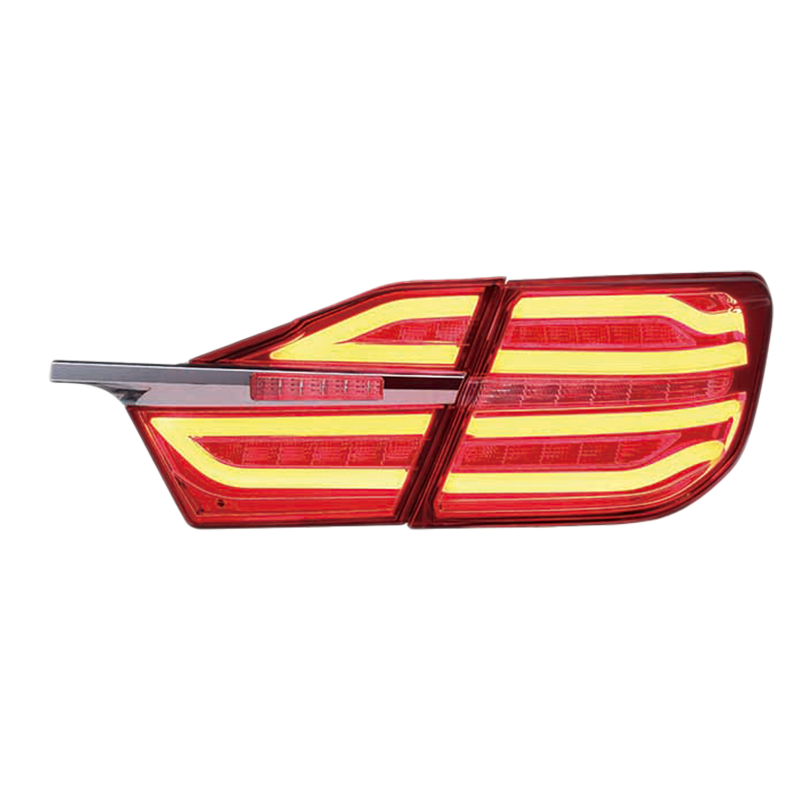
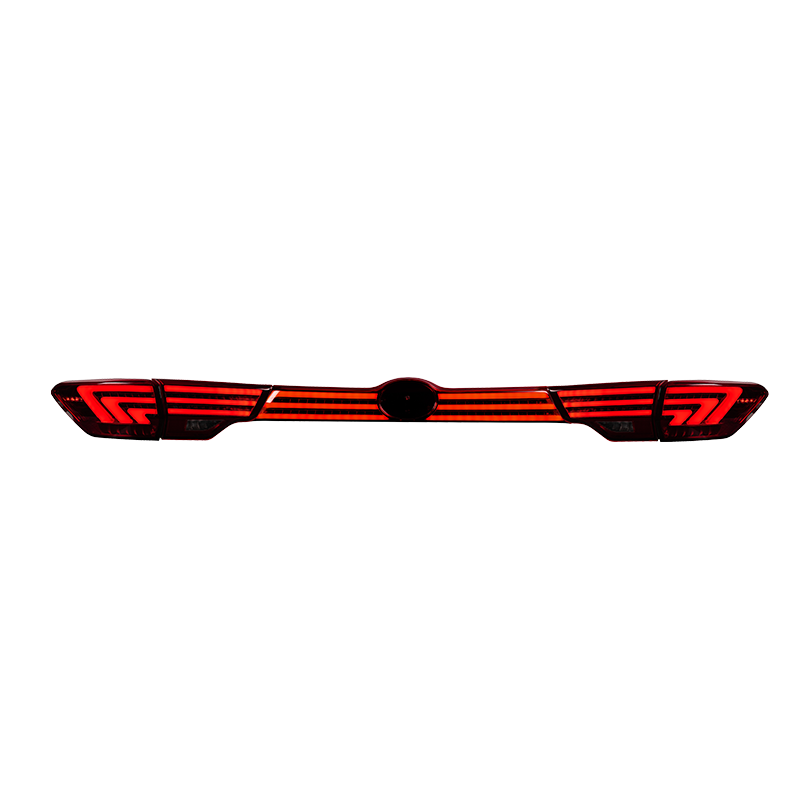
Across the evolving landscape of vehicle design, Dark Tail Lights have become a defining feature of rear-end styling. Their muted tones, restrained surfaces, and controlled transparency shape the identity of many modern vehicles. As this trend expands, suppliers face rising expectations for uniform appearance, stable tint, and long-lasting clarity. Discussions surrounding these components now extend beyond simple aesthetics, touching on material behavior, production discipline, visual precision, and collaborative approaches within the supply chain. In this environment, Taizhou Baozhiwei Vehicle Industry Co.,Ltd. appears naturally as one of the many contributors observing how the field continues to refine expectations for quality and visual stability.
The stylistic role of rear lighting has changed significantly over time. Instead of serving solely as functional components, these lighting units have become integrated elements of exterior design. Dark Tail Lights add a sense of cohesion by blending with body panels more seamlessly than traditional bright lenses. Designers use them to maintain a unified rear profile, allowing the lines of the vehicle to remain uninterrupted.
This shift has increased the importance of aesthetic precision. With darker lenses, even slight variations in tone or surface clarity become more noticeable. A design that relies on low-contrast transitions between the lens and surrounding surfaces demands predictable visual results. Manufacturers, therefore, expect suppliers to uphold stable appearance standards throughout extended production cycles.
At the same time, vehicle owners now view the rear lighting assembly as a stylistic indicator in its own right. When people assess vehicle appearance, they often pay close attention to the rear profile, where Dark Tail Lights contribute to the overall impression. Because of this, consistency has moved from an internal technical requirement to a highly visible aspect of product quality.
Color and clarity may seem like small details, but they shape how a product looks, how it performs, and how well different parts fit together.
Design Harmony
A vehicle's rear lights need to share the same tint.
If one side looks slightly different, the whole setup feels off.
Even small shifts in shade can break the clean, unified appearance designers aim for.
Visual Trust
Drivers read signals by instinct.
When transparency changes, the light can look weaker or uneven.
The lamp might still function, but the uneven look gives people a sense that something isn't quite right.
Manufacturing Reliability
Automakers now treat exterior lighting as part of the car's visual identity.
They expect every production batch to match.
Suppliers who can't maintain consistent color and clarity may struggle to support long-term production.
A stable dark tint depends on how well suppliers control raw materials, molding conditions, and surface finishing.
Many color issues begin much earlier in the process than most people realize.
Suppliers look for base materials that don't change color easily when heated.
If the tint reacts strongly to temperature, color shift becomes unavoidable.
They pay close attention to:
Each detail affects how the final lens looks in sunlight, indoor lighting, or angled reflections.
To keep the dark tone consistent, tinting materials must be evenly dispersed in the molten resin.
A Dark Tail Lights Supplier may rely on:
Even tiny clusters can turn into visible blotches once the part cools.
Color consistency is closely tied to molding conditions.
Pressure, flow, and cooling rates can all push the final shade lighter or darker.
Typical checks include:
A slower cooling step can deepen the color; faster cooling can make it unexpectedly lighter.
Many teams now simulate how light interacts with tinted surfaces before production begins.
Engineers tune elements such as:
This helps keep the tint stable without dimming the actual light output.
Transparency is influenced by surface smoothness, internal flow, and how well different layers bond together.
Flow lines inside the lens can scatter light and cause cloudy patches.
To avoid this, suppliers adjust:
Poor flow creates tiny stress points that interrupt clarity.
Any small scratch or texture on the mold appears clearly on the finished lens.
Process engineers often manage:
These actions protect the transparent outer surface.
Some dark tail lamps use multi-layer structures.
If the layers don't fuse well, small air pockets can get trapped.
These pockets scatter light and break the clean, clear look.
Extra coatings are added to keep the lens clear over time.
These coatings help with:
Environmental resistance
Protection from micro-scratches
Keeping the surface smooth
Their purpose isn't to change the appearance, but to preserve the clarity achieved during production.
Quality control no longer happens only at the end of production.
It now runs through every stage, from raw materials to final checks.
Each step helps catch issues early and keeps the final appearance predictable.
| Production Stage | Typical Checks | Contribution to Stability |
|---|---|---|
| Raw Material Intake | Shade uniformity, moisture condition | Prevents tint fluctuation |
| Pre-Molding Prep | Mixing homogeneity, blending temperature | Avoids uneven pigmentation |
| Molding Output | Tone consistency, lens clarity, flow marks | Ensures predictable appearance |
| Post-Cure Handling | Surface flatness, micro-scratch detection | Maintains transparency |
| Final Inspection | Pair matching, symmetry of tone | Supports vehicle assembly alignment |
Color drift seldom comes from one major error.
More often, it's the result of several small variations building up over time.
Component Pairing Requirements
Left and right lamps must look the same.
Even a subtle shift in production can become obvious once both units are placed side by side.
Design Compatibility
Automakers expect the same color tone throughout long production runs.
A Dark Tail Lights Supplier needs to reproduce the same shade consistently so replacement parts still match the original installation.
Signaling Uniformity
The tint does not change the basic lighting function, but inconsistent color can alter how people interpret the signal's brightness and shape.
Storage and Handling Conditions
Color drift may also appear during cooling, storage, or packaging.
Because of this, suppliers include handling guidelines to protect the finished parts from avoidable variation.
Transparency affects both how well the lamp works and how users feel about its quality.
Optical Reliability
Even with a dark outer layer, the lens has to let the signal pass through clearly.
Any internal haze weakens this effect and reduces the intended sharpness.
Longevity of Visual Quality
Clarity should stay stable over time.
If clouding or haze shows up too early, the lamp looks old even if it is still mechanically fine.
Consumer Confidence
People often judge a product by how clean and clear the lens appears.
Stable transparency helps reassure users that the lamp is well-made.
Integration With Modern Lighting Layouts
Rear lights increasingly use wide, continuous light-guide designs.
Any transparency difference stands out more under these layouts, so consistent clarity is now essential.
The industry is placing more weight on the relationship between appearance and technical performance.
Tail lamps are now both a styling feature and a functional part.
Because of this, automakers accept far less visual variation.
New coating technologies provide smoother surfaces and better resistance to wear.
These coatings help maintain clarity and keep the tint stable through long-term use.
More suppliers use optical modeling to predict how tint interacts with internal lighting paths before physical production begins.
Through simulation, engineers can refine:
This early adjustment minimizes variations in both color and transparency.
Repeatability has become a core performance metric.
Tightly controlled processes help reduce variation, even under changing production conditions.
Ongoing improvements show a shared commitment to consistent appearance and reliable performance.
Standardized Workflows
Clear and repeatable procedures limit human variation and create a stable baseline for tint and clarity.
Enhanced Material Handling
Suppliers keep refining how materials are dried, stored, and blended.
Better handling helps reduce chemical shifts that could affect the final appearance.
Collaborative Development
Automakers and suppliers now work together more closely.
This alignment helps define realistic expectations for long-term visual stability.
Long-Horizon Planning
Suppliers develop production methods that remain consistent even when models change.
This allows different product lines to maintain similar tint levels and transparency over time.
Dark Tail Lights play a significant role in the evolving identity of modern vehicles. Their appeal relies on controlled color tone, clear surfaces, and stable long-term behavior. As expectations rise, the position of the Dark Tail Lights Supplier becomes increasingly important in shaping consistent rear lighting assemblies. Through improved material selection, refined production management, structured inspection routines, and ongoing collaboration with manufacturers, suppliers contribute to the broader goal of creating lighting components that remain visually dependable throughout their lifespan. The steady refinement seen across the industry reflects a shared commitment to maintaining uniform appearance, a perspective that aligns naturally with the evolving contributions of Taizhou Baozhiwei Vehicle Industry Co.,Ltd. as part of a wider network of participants engaged in shaping the future of visually stable lighting components.
We are a modern headlight manufacturer that integrates R&D, design, production and sales. We mainly produce headlamps, taillights, daytime running lights and other automotive lighting products.
Add: No.3 Shiyang Road, Ningxi Town, Huangyan District, Taizhou City, Zhejiang Province, China
Tel: +86-13105675552 / +86-15606586299
Fax: +86-576-89161556
E-mail: [email protected]
Copyright © Taizhou Baozhiwei Vehicle Industry Co.,Ltd. All Rights Reserved.

 English
 русский
 Español