Call us

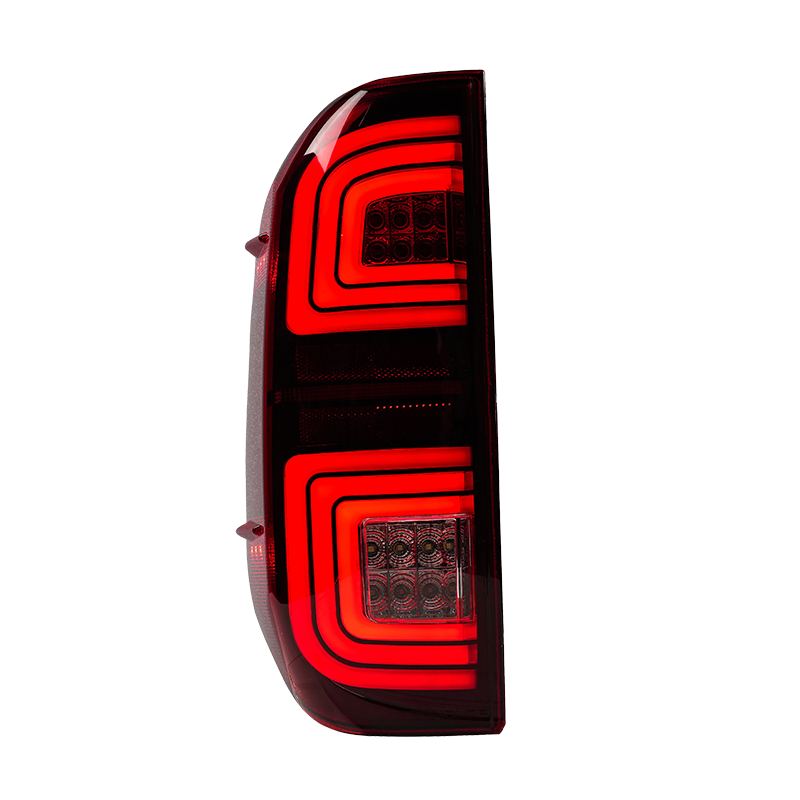
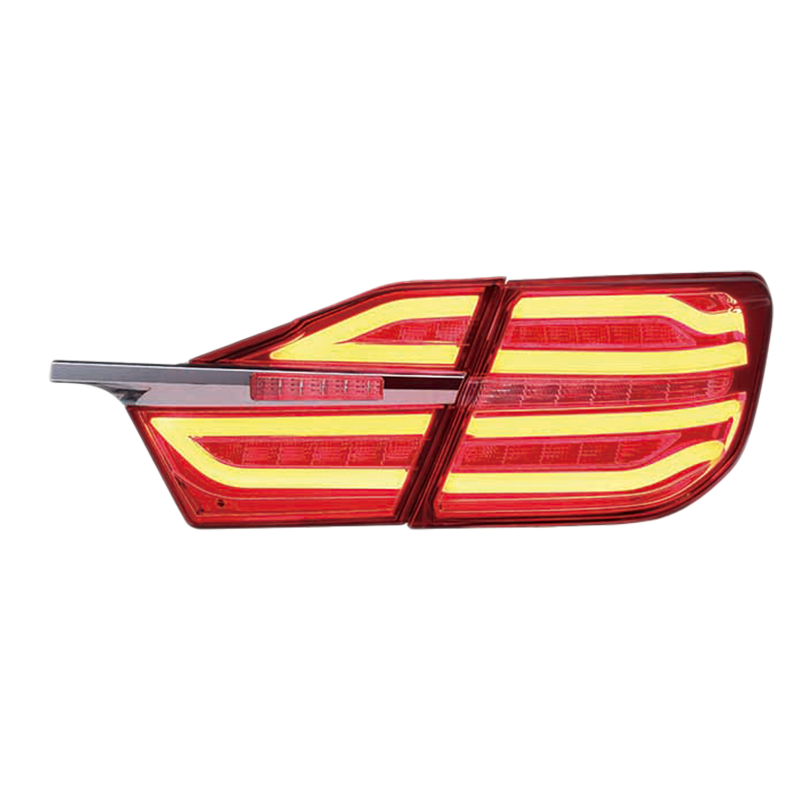
Pickup Truck Tail Lights sit at the rear of the vehicle and handle several important jobs. They light up when brakes are applied, flash during turns, and stay on as running lights to show the truck is there in dim conditions or bad weather. These signals help drivers behind judge speed, distance, and direction, making roads safer for everyone sharing them.
On pickup trucks, tail lights often mount on the cab corners, bed sides, or tailgate. They need to hold up against road bumps, dust kicked up from tires, rain or car washes, and occasional knocks when loading gear. In manufacturing settings, facilities that produce these components—such as Pickup Truck Tail Lights Factory operations—focus on building assemblies that balance durability, clear signaling, and fit with truck body shapes.
Traditional tail lights rely on incandescent or halogen bulbs. Inside each bulb, a thin wire filament heats up when electricity runs through it, glowing to create light. The bulb screws or clips into a socket in the housing, and a red lens or reflector directs the glow backward. Often, one bulb or a small group covers multiple jobs—brake, turn, and running—by using different filaments or separate bulbs.
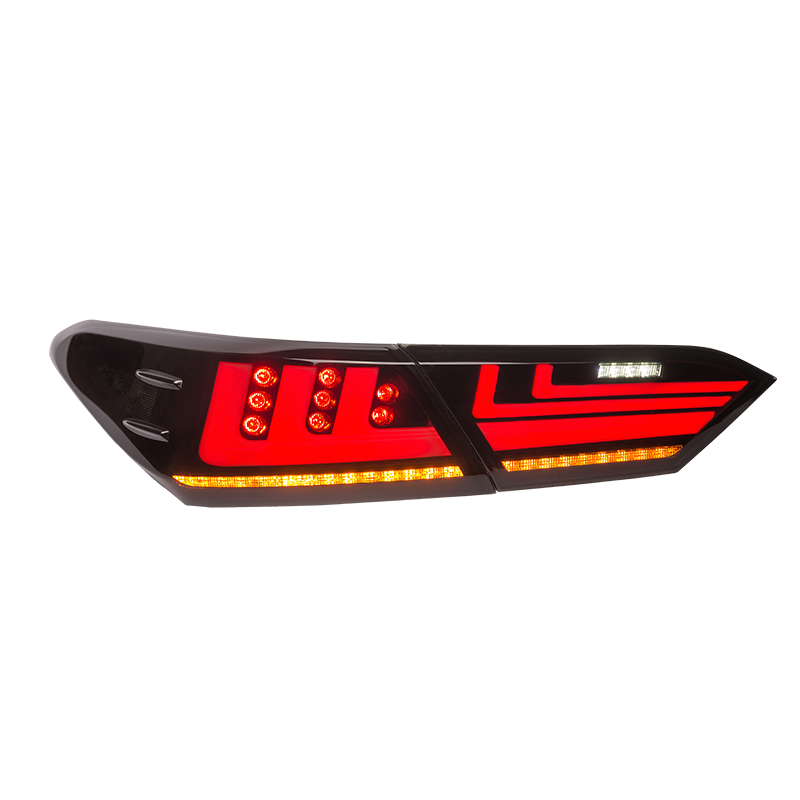
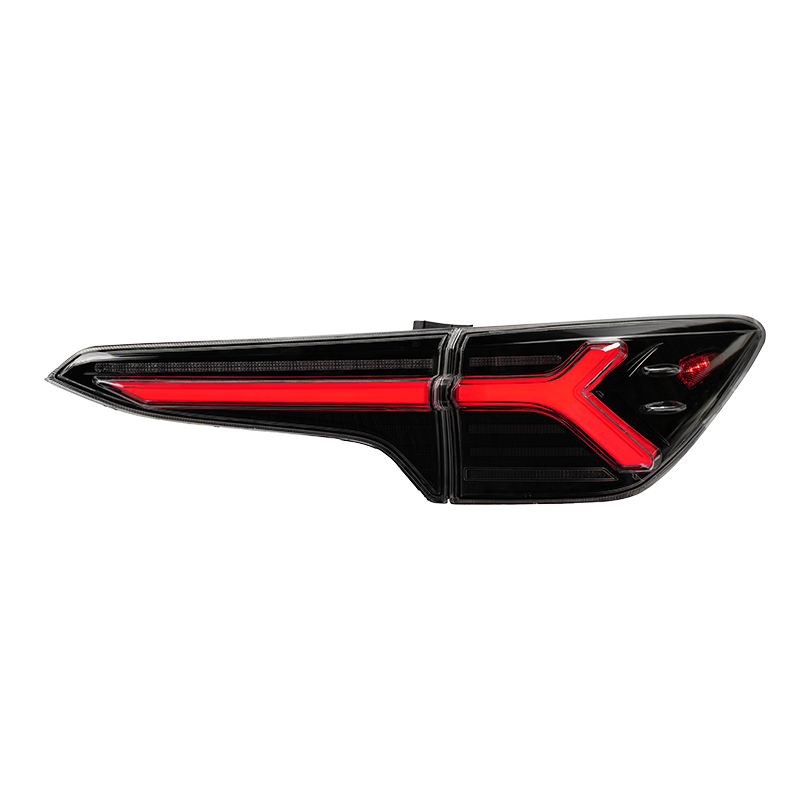
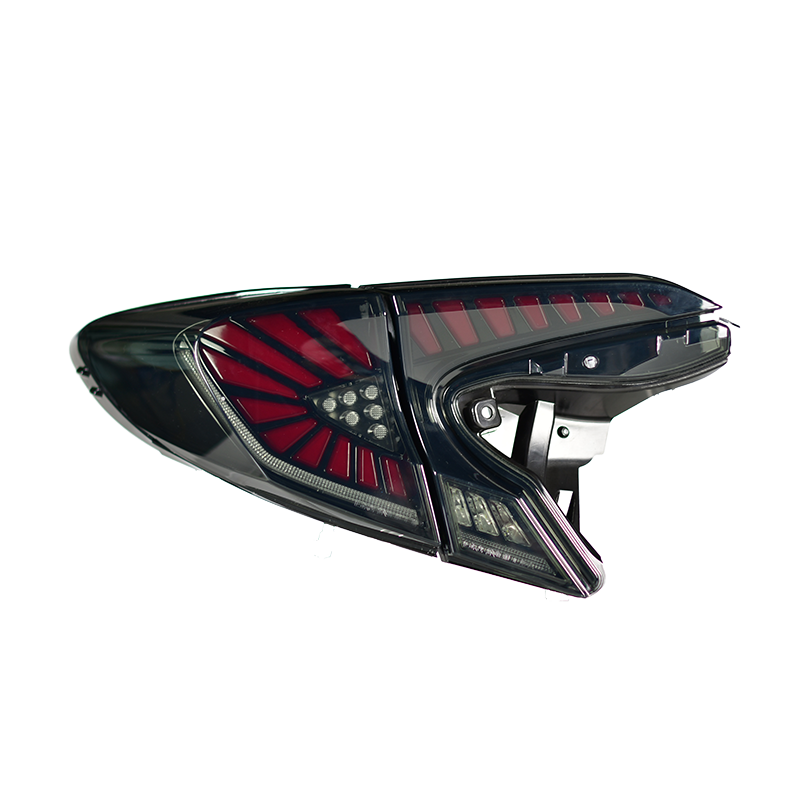
LED tail lights work differently. Light comes from small diodes arranged on a circuit board inside the housing. When current flows the right way through the diode, it emits light directly. Several diodes usually work together to fill the lens area evenly. Separate groups of diodes often handle brake, turn, and running functions.
The main difference in how light is made comes down to this: traditional bulbs create light by heating a filament to a high temperature, while LEDs turn electricity into light through a semiconductor process that wastes far less energy as heat.
Traditional tail light assemblies use a fairly straightforward setup. A socket holds the bulb, a shiny reflector behind it bounces light forward, and a thick plastic or glass lens with built-in patterns spreads the glow. Access for bulb changes usually comes from behind the housing—through a door in the bed wall or tailgate panel.
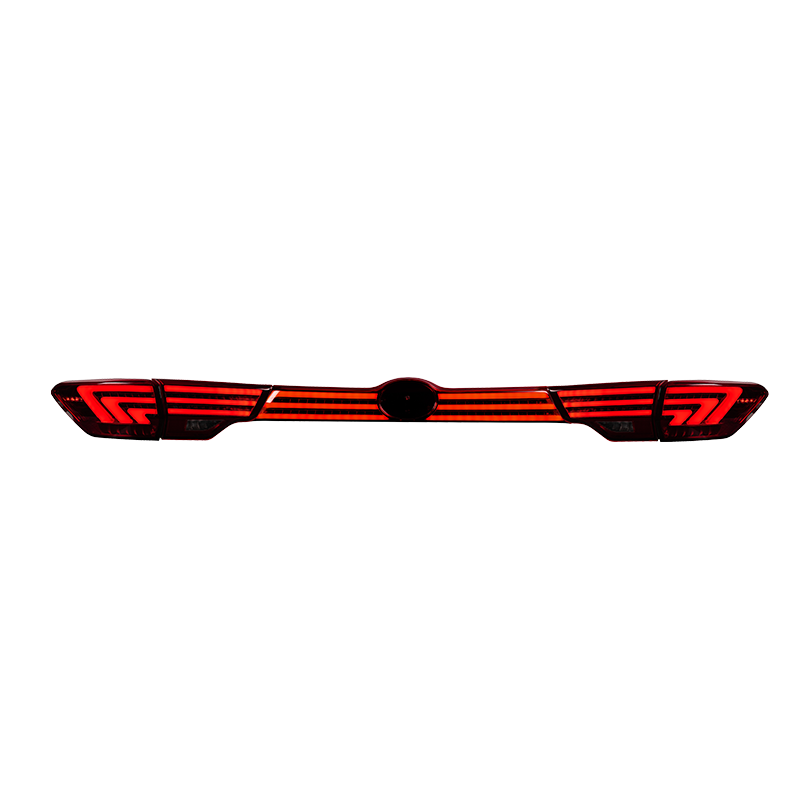
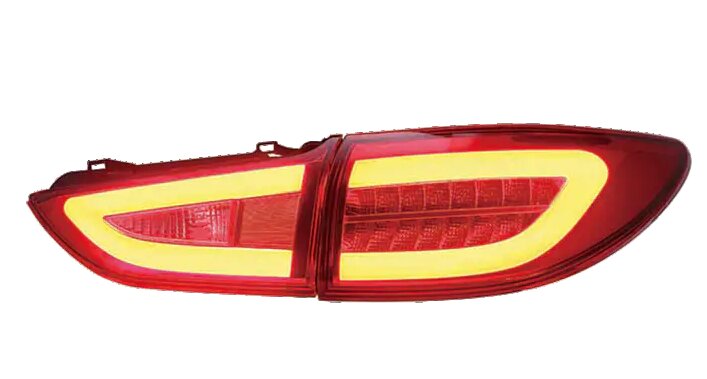
LED assemblies take a more flat, integrated approach. The circuit board sits close to the lens, with diodes placed in rows or patterns that match the shape needed. Reflectors play a smaller role or disappear in some designs, replaced by diffusing layers or lens textures that spread light without hot spots. The housing tends to seal more tightly since there is no need for frequent bulb access.
Weight stays close between the two in most cases, though LED versions often avoid heavy glass bulbs and metal sockets. Size and mounting points match factory specifications so they bolt up the same way. Some LED designs allow slightly thinner profiles or smoother curves that follow modern truck body lines more closely.
Light from traditional bulbs has a warm tone and builds up gradually as the filament warms. The glow spreads through the reflector and lens, sometimes showing slight unevenness if the bulb ages or the reflector dulls.
LED light appears sharper and closer to neutral white before passing through the red lens. It reaches full brightness right away. Diode arrangement and lens diffusion control whether the light looks even across the whole surface or shows faint individual points.
Power use differs noticeably. Traditional bulbs pull more current because a lot of energy turns into heat instead of light. LEDs need less current to produce similar visible output, easing the load on the truck's wiring and charging system.
Heat follows the same pattern. Traditional bulbs warm the inside of the housing during long use. LEDs generate much less warmth, mostly at the diode itself, which spreads through the board or small cooling paths.
Durability under truck conditions varies. Traditional bulbs face filament wear from constant shaking on rough roads and temperature swings. LEDs have no fragile filament and handle vibration and on-off cycles better in most situations.
Here is a quick side-by-side look at some key characteristics:
Traditional tail lights
LED tail lights
Response time matters on the road. Traditional bulbs take a short moment to reach full glow when the brake pedal is pressed or the turn signal activates. LEDs light up in a fraction of that time, so brake lights and signals appear quicker to drivers behind.
Visibility changes with conditions. At night or in low light, both types work well when clean and aimed right. In rain, fog, or heavy dust, the sharper LED output sometimes cuts through haze a bit more clearly, though dark lens tints can reduce effectiveness for either type.
Signaling stays reliable when brightness and contrast remain strong. LED setups often keep light even across the lens, helping avoid dark corners. Traditional designs may show dim spots if a bulb weakens or the reflector loses shine.
Taizhou Baozhiwei Vehicle Industry Co.,Ltd. represents one example of facilities working on these lighting components for pickup trucks.
Production starts with lens molding in both cases. Traditional lenses use injection molding with prismatic patterns built in to direct light. LED lenses need tighter control over diffusion and sealing to spread diode light evenly.
Assembly steps differ. Traditional lines involve placing bulbs, attaching sockets, securing reflectors, and wiring connections. LED lines center on mounting circuit boards, soldering diodes in place, aligning them precisely, and connecting harnesses.
Quality checks cover similar ground: brightness testing, color match, vibration shake tests, and water spray to check seals. Traditional bulbs allow easy swaps during trials. LED boards require careful voltage simulation and load matching.
Materials reflect the light source. Traditional assemblies use metal sockets, glass bulbs, and chrome-plated reflectors. LED versions include circuit boards, solder joints, and sometimes thermal pads or small heatsinks.
Replacing parts in traditional tail lights stays simple for most owners. Access the housing from inside the truck bed or tailgate, twist out the socket, pull the old bulb, and push in a new one. The process usually takes a few minutes with basic tools—no special equipment needed. Bulbs cost little, and many drivers keep spares in the glove box.
LED upgrades follow two main paths. Some owners swap in LED bulbs designed to fit the same sockets as traditional ones. These drop-in replacements work without major changes, though they sometimes need small resistors added to the circuit to stop the turn signals from blinking too fast. The other option involves replacing the entire tail light housing with a full LED assembly. These bolt into the same mounting holes and often plug straight into the factory wiring harness. In some cases, a short adapter or slight wiring tweak becomes necessary.
Maintenance needs reflect how each type fails. Traditional setups typically show clear signs when something goes wrong—one brake light dark, a turn signal that stays solid instead of flashing, or running lights that dim gradually. Troubleshooting starts with checking the bulb, then the socket contacts, fuse, or ground connection. Replacement happens one bulb at a time.
LED issues look different. A section of the lens might go dim, flicker, or fail completely while other functions stay working. Diagnosis involves testing voltage at the connector, checking for loose grounds under the truck, or inspecting the circuit board for damage. Full housing replacement becomes more common than fixing individual diodes, since opening the sealed unit risks moisture problems.
Both types benefit from regular cleaning—removing road grime from the lens keeps light output strong. Moisture inside the housing signals a seal failure; traditional designs sometimes vent to reduce fogging, while LED housings rely more on airtight construction.
AspectTraditional Tail LightsLED Tail LightsBulb/Housing ReplacementSingle bulb swap; quick and inexpensiveDrop-in bulb or full housing; resistors sometimes needed for bulbsTools NeededBasic hand tools; no special equipmentBasic tools for housing swap; possible wiring toolsCommon Failure SignsOne function fails (e.g., brake dark)Section dims, flickers, or entire panel failsTroubleshooting FocusBulb, socket, fuse, groundVoltage, ground, circuit board integrityReplacement FrequencyMore frequent due to filament wearLess frequent; longer overall service lifeSealing ApproachOften vented to manage condensationMostly sealed; minimal venting
| Aspect | Traditional Tail Lights | LED Tail Lights |
|---|---|---|
| Bulb/Housing Replacement | Single bulb swap; quick and inexpensive | Drop-in bulb or full housing; resistors sometimes needed for bulbs |
| Tools Needed | Basic hand tools; no special equipment | Basic tools for housing swap; possible wiring tools |
| Common Failure Signs | One function fails (e.g., brake dark) | Section dims, flickers, or entire panel fails |
| Troubleshooting Focus | Bulb, socket, fuse, ground | Voltage, ground, circuit board integrity |
| Replacement Frequency | More frequent due to filament wear | Less frequent; longer overall service life |
| Sealing Approach | Often vented to manage condensation | Mostly sealed; minimal venting |
Traditional bulbs use more electrical power to produce the same visible light. Much of the energy turns into heat rather than illumination, placing extra demand on the truck's alternator and battery during long drives with lights on. This added load becomes more noticeable when towing or running other accessories.
LED tail lights draw far less current for comparable brightness. The reduced demand eases strain on the charging system, especially in trucks with heavy electrical setups or during extended idling.
Disposal follows different paths. Traditional bulbs contain a small filament and glass envelope—simple materials that most places handle through standard waste streams. LEDs last longer, so they need replacing less often, but the circuit board contains electronic components that belong in recycling programs designed for circuit boards and small electronics.
The lower power use of LEDs can indirectly influence fuel consumption in vehicles with high electrical loads, though the effect stays small compared to engine or drivetrain factors.
LED tail lights appear frequently in newer pickup truck models, both in personal use and commercial fleets. Many manufacturers include them as standard equipment on mid-level and higher trims, while base models may still use traditional bulbs.
Owners of older trucks often choose LED upgrades for longer intervals between replacements and a cleaner, more modern look. Commercial applications—delivery trucks, work trucks, or farm vehicles—lean toward options that reduce downtime from bulb changes and handle rough conditions well.
Personal trucks show more variety in preferences. Some drivers pick assemblies with clear lenses for a classic appearance, while others go for darker or smoked finishes that blend with body color during the day.
Fleet operators focus on consistency across vehicles and lower maintenance costs over time. LED designs help in those scenarios by cutting replacement frequency and electrical load.
Manufacturers consider several practical points when choosing between traditional and LED approaches. Tooling for lens molding and housing construction stays similar, but LED designs require precise circuit board placement and diode alignment. Assembly lines need equipment for soldering and testing electronic components instead of simple bulb insertion.
Quality control steps include checking light spread, color consistency, and resistance to vibration or water. LED assemblies demand tighter tolerances to avoid uneven brightness or early failures at solder joints.
Owners weigh factors based on how they use the truck. Daily drivers or highway commuters may value the quicker response and lower power draw. Off-road or heavy-haul users often prioritize vibration resistance and sealed construction. Cost enters the picture too—traditional bulbs remain inexpensive to replace, while full LED housings carry a higher upfront price but need attention less often.
Installation ease matters for owners who do their own work. Bulb swaps stay quick and tool-free in most cases. Full LED housing changes require more steps but match factory fitment closely.
LED technology keeps moving forward with smaller diodes that fit into tighter spaces and more efficient light conversion. Better thermal paths allow higher output without added bulk. Some newer designs explore adaptive features where brightness adjusts slightly based on conditions, though these stay limited in basic tail light applications.
Integration with vehicle electronics grows gradually. Diagnostic signals can alert the driver to a failing section, or lighting patterns can tie into other systems like hazard warnings or reverse functions.
In Pickup Truck Tail Lights Factory settings, production adapts with automated placement of diodes, improved sealing techniques, and more detailed optical testing. These steps support reliable performance while keeping assembly consistent across large runs.
The comparison between LED and traditional Pickup Truck Tail Lights comes down to real-world differences in how they work, hold up, and fit into daily driving. Traditional designs offer simplicity and familiarity. LED versions bring faster response, lower power needs, and better resistance to certain stresses. Both continue to meet the core requirements of signaling and visibility, with choices shaped by usage patterns, maintenance habits, and manufacturing realities.
We are a modern headlight manufacturer that integrates R&D, design, production and sales. We mainly produce headlamps, taillights, daytime running lights and other automotive lighting products.
Add: No.3 Shiyang Road, Ningxi Town, Huangyan District, Taizhou City, Zhejiang Province, China
Tel: +86-13105675552 / +86-15606586299
Fax: +86-576-89161556
E-mail: [email protected]
Copyright © Taizhou Baozhiwei Vehicle Industry Co.,Ltd. All Rights Reserved.

 English
 русский
 Español