Call us

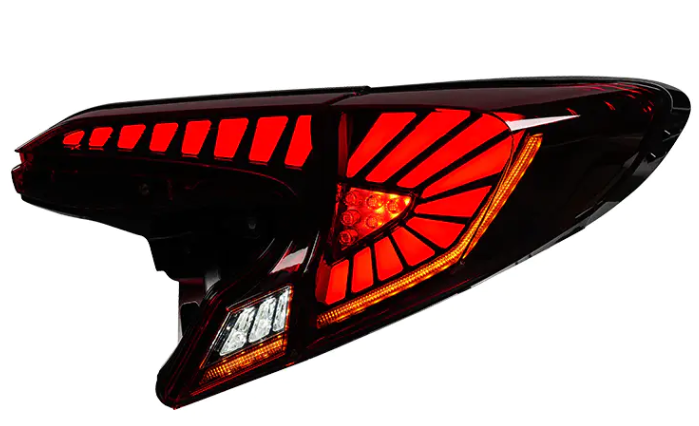
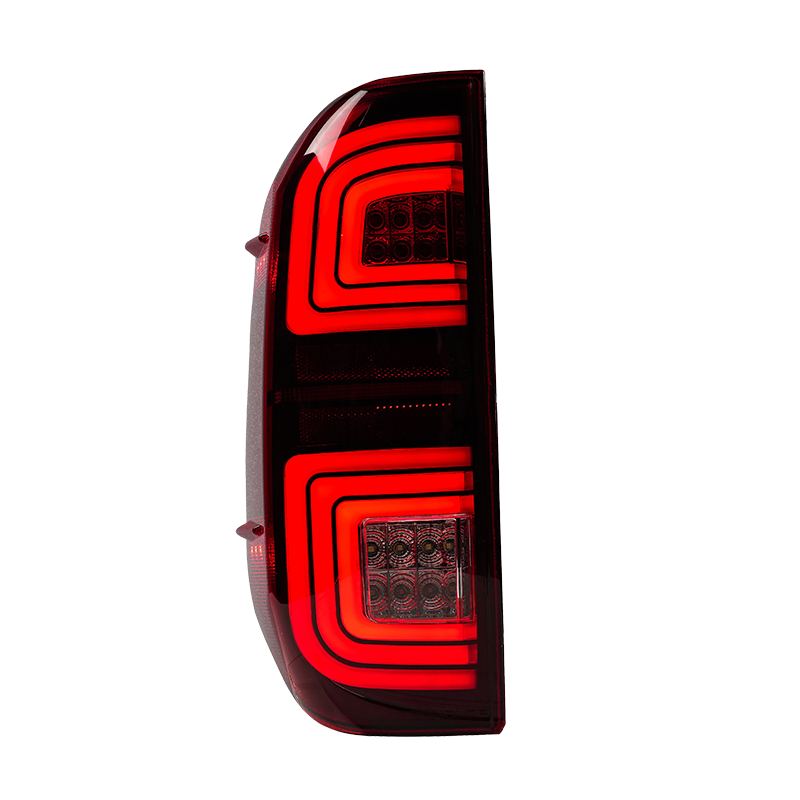
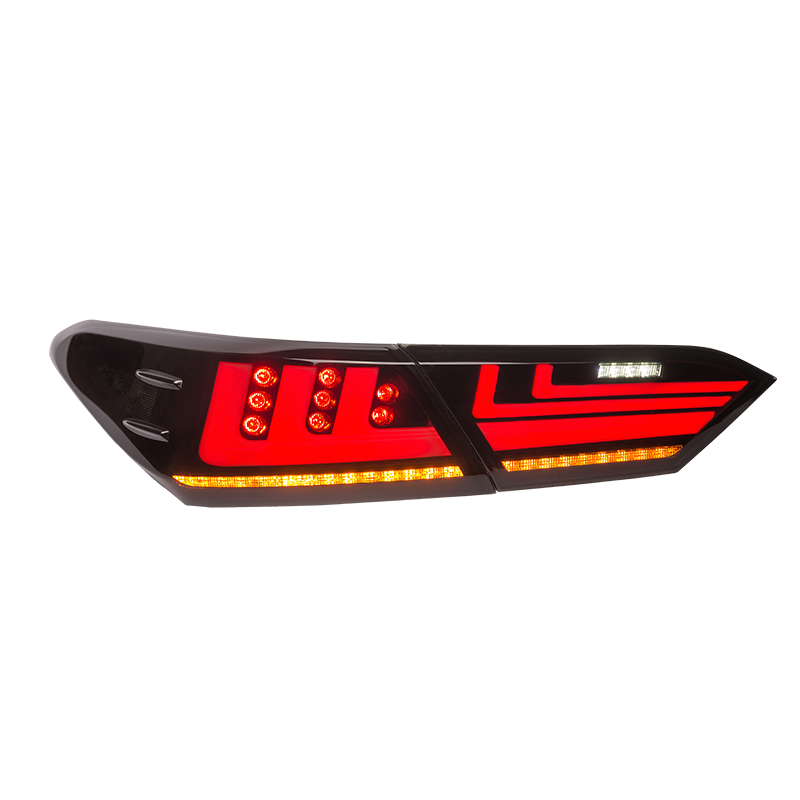
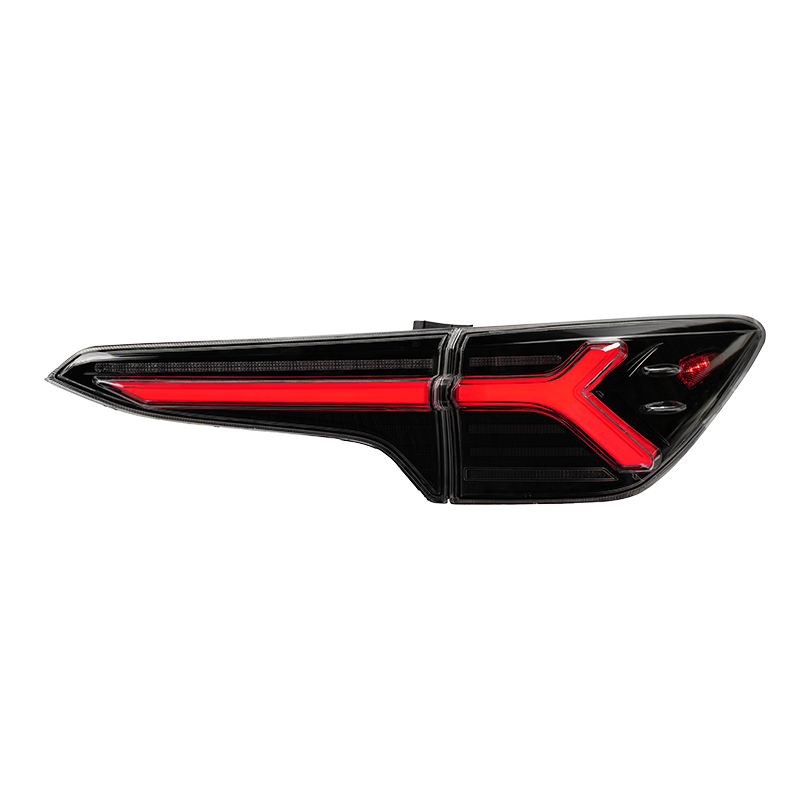
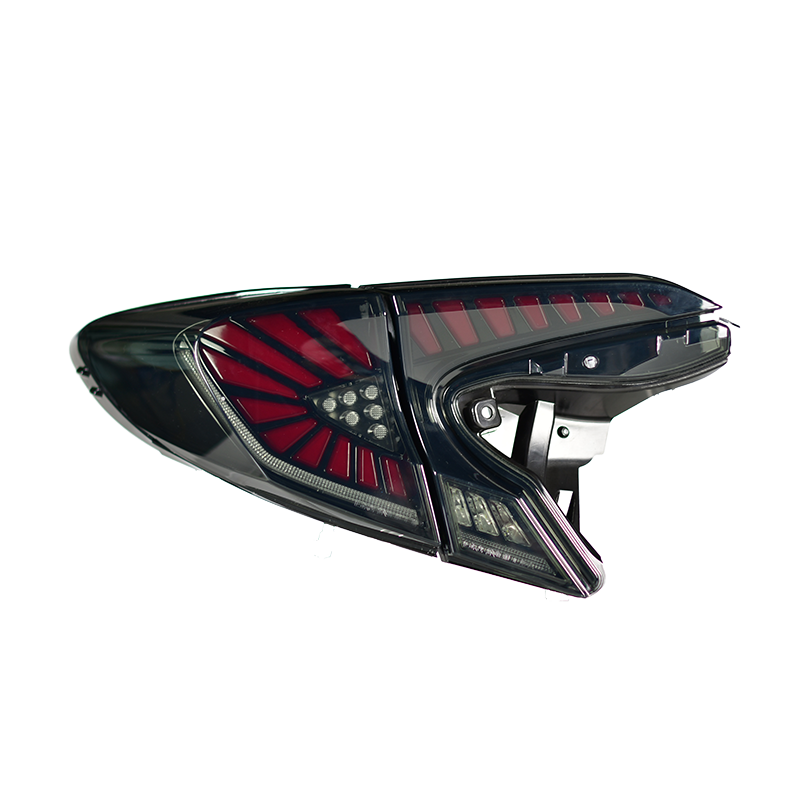
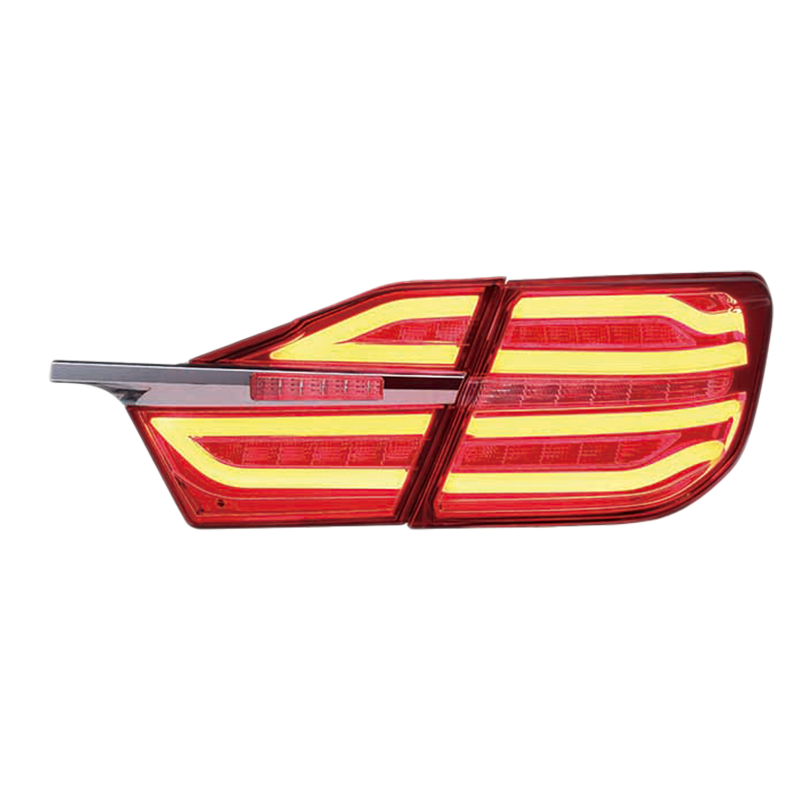
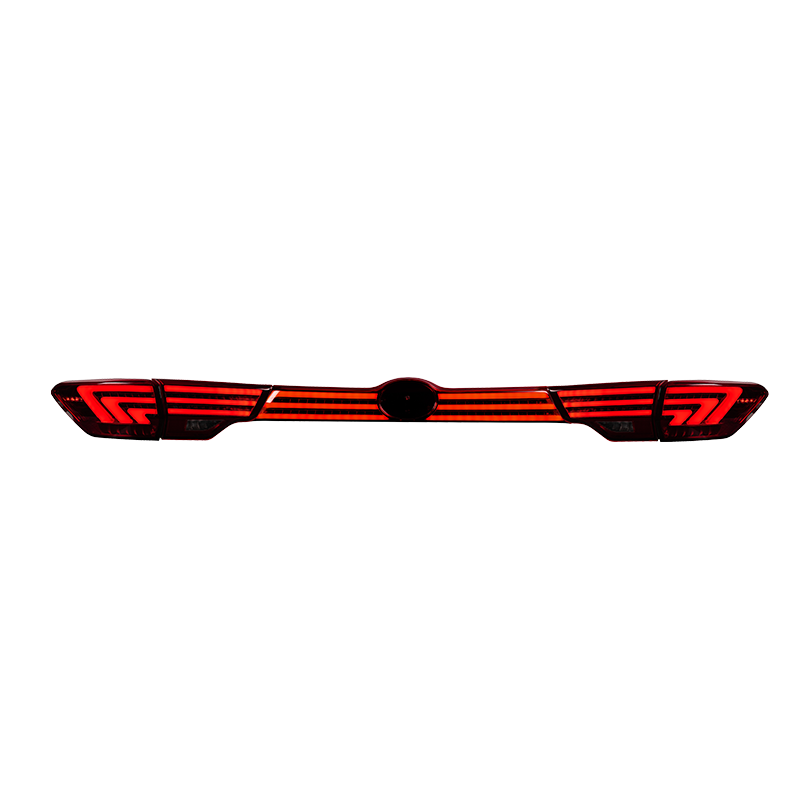
Car Led Tail Lights form an important part of the lighting system on today's vehicles. They use small light-emitting diodes to create clear signals at the rear of the car. Over time, vehicle lighting has moved away from older bulb styles toward these LED setups because they turn on quickly and use energy in a steady way.
These lights help other drivers see the vehicle more easily and understand what it plans to do, such as slowing down or changing direction. This improves everyday road awareness. From the view of users and a Car Led Tail Lights Supplier, the focus stays on making designs that fit real driving needs while keeping things reliable and straightforward.
How Is the Internal Structure of Car Led Tail Lights Designed
The outer lens shell covers the light and protects the parts inside from road debris and weather. Inside, LED modules sit in careful patterns so the light spreads evenly. Reflectors help direct the beams where they need to go without wasting energy.
Wiring connects everything to the vehicle so the lights respond right away. The overall structure supports steady performance and keeps the light looking consistent from different angles.
How Do Car Led Tail Lights Produce Light Through Electrical Energy
When power reaches the LEDs, the semiconductor material inside turns that energy into visible light. Different sections light up depending on the signal — for braking, turning, or just showing the car's position.
Compared with older systems, these respond almost instantly. The light stays steady even after many uses because the design handles repeated on-and-off cycles well.
How Is Light Distributed Inside Car Led Tail Lights
The lens shape plays a key role in spreading the light across the right areas. Inside, reflectors arrange the brightness so no spots look too dim or overly bright. The setup balances direct beams with softer spread to make the signals easy to notice from behind.
This careful distribution supports clear rear visibility in different situations.
How Do Car Led Tail Lights Communicate Driving Intent on the Road
When the driver presses the brake, the lights shine brighter to show the car is slowing. Turn signals flash to let others know a direction change is coming. At night, the position lights stay on at a lower level so the vehicle stays visible.
All these functions work together with the rest of the car's lighting to create smooth communication on the road.
The outer lens often uses tough plastic materials that stand up to impacts and sunlight. Some lenses receive a light tint that affects both the look and how clearly the light passes through. These choices help the lights resist moisture, dust, and temperature shifts while keeping good light transmission.
The right materials keep the balance between style and daily function.
How Does the Electrical System Support Car Led Tail Lights Operation
The lights connect to the vehicle's power supply through a control module that manages the signals. This setup protects against sudden voltage changes and keeps everything working smoothly with the rest of the car's electrical network.
Proper connections ensure reliable operation without extra strain.
How Is Heat Managed Inside Car Led Tail Lights During Operation
LEDs create some heat when they stay on for longer periods. The internal design includes space and materials that help move this heat away naturally. The lens and housing respond to temperature changes without affecting performance much.
Good heat balance supports steady operation over time.
How Do Environmental Conditions Affect Car Led Tail Lights Performance
Sunlight, rain, and road dust can gradually influence the outer surface. Strong sealing helps keep moisture out, while the lens shape reduces how much dust settles and stays.
Everyday road conditions test the durability of the outer parts, so the design considers these factors from the start.
How Should Car Led Tail Lights Be Installed for Stable Performance
Correct alignment with the vehicle's rear body keeps the lights pointing properly. Secure mounting reduces vibration during driving, and the electrical plugs match the car's system.
Installation accuracy directly affects how well the lights perform and how long they last.
How Does Maintenance Influence the Condition of Car Led Tail Lights
Gentle cleaning with soft cloths and mild soap helps protect the lens. Avoiding strong chemicals prevents damage to the surface. Checking the lights regularly for any buildup or small issues keeps them clear.
Simple care habits make a noticeable difference in keeping the lights working well.
Here is a quick overview of common factors that affect daily use:
| Aspect | Typical Influence | Simple Handling Tip |
|---|---|---|
| Lens Surface | Dust and sunlight exposure | Wipe gently with clean water |
| Heat Build-up | Long drives in warm weather | Allow natural cooling periods |
| Electrical Links | Vibration from rough roads | Check connections during service |
| Light Spread | Angle after heavy loads | Verify alignment occasionally |
Many Car Led Tail Lights use a darker outer lens for a clean appearance. The tint still allows enough light through for clear signals in daylight and at night. This design choice fits both style preferences and practical visibility needs.
The balance keeps the lights noticeable without drawing too much attention when off.
After driving for months or even a couple of years, many owners notice that the lens on their Car Led Tail Lights starts to look a bit different. A light haze can form on the surface from constant sunlight, and small scratches or marks sometimes appear from road debris or car washes. The light coming through might feel slightly less uniform than when the lights were brand new, and the once-smooth plastic can develop a tiny bit of texture. These changes usually happen very gradually and rarely cause the lights to stop working properly. A simple routine of wiping them down with a soft cloth and mild soap every few weeks can slow these effects and help the lights keep a cleaner appearance for a longer time.
The way each Car Led Tail Lights unit is put together during production makes a real difference in how it performs on the road. When the materials are mixed and shaped evenly, and the LED modules sit in exactly the right spots, the lights tend to work more smoothly from day one. Small differences in assembly can lead to loose connections or uneven brightness later on. That's why a careful Car Led Tail Lights Supplier focuses on steady processes and quality checks at every step. This attention helps create sets of lights that feel dependable and behave similarly even after thousands of miles of normal driving.
Car Led Tail Lights play a quiet but important role in letting other drivers know what your vehicle is about to do. When you press the brake pedal, the lights brighten up right away so the car behind you has time to react. Turn signals flash clearly to show you're planning to change lanes or make a turn. Even the softer position lights stay on at night to help others see the full shape of your car from a distance. Because these signals are quick and easy to understand, they reduce confusion in traffic and add a layer of everyday awareness on the road. Everything works together so the messages feel natural instead of surprising.
In rainy, snowy, or dusty areas, the seals around the lights get a real workout, and the outer surface needs to shed water and dirt without much effort.
Understanding these differences helps drivers take better care of their lights depending on where they drive most often.
Several everyday things affect how well Car Led Tail Lights hold up over time. The materials used in the lens and housing react to repeated sun, rain, and temperature changes. Steady electrical supply from the car prevents extra stress on the LEDs. How well the surface resists scratches and fading also matters. On top of that, simple maintenance habits like regular cleaning and occasional checks make a bigger difference than most people expect. When all these pieces line up, the lights tend to stay clear and functional for a good long while.
Designers keep working on ways to make Car Led Tail Lights easier to live with. Newer versions often focus on lenses that are simpler to clean and more resistant to everyday wear. The light patterns inside continue to improve so brightness feels even from different angles. There is also more attention on materials that handle heat and weather without changing appearance too quickly. Overall, the direction leans toward a nice balance between a clean, modern look and practical performance that fits real driving life.
What you do day to day has a surprising effect on how long your Car Led Tail Lights last. Aggressive washing with rough sponges or strong cleaners can scratch the lens faster. Parking too close to other cars or brushing against bushes adds small marks over time. On the other hand, taking a minute to rinse off road dirt after a long trip and checking that the lights are still firmly in place helps protect them. Even small habits, like avoiding heavy loads that press against the rear, add up and can extend the useful life of the lights noticeably.
The internal build of the lights, the conditions they face outside, and how owners use and care for them are all connected. A solid structure with good heat flow and strong seals handles sun, rain, and road vibration much better when paired with gentle cleaning and proper installation. When these three areas support each other, the lights stay brighter, clearer, and more reliable through normal daily driving. Many practical and well-balanced options in the market come from experienced makers like Taizhou Baozhiwei Vehicle Industry Co.,Ltd. that pay close attention to these real-life connections.
We are a modern headlight manufacturer that integrates R&D, design, production and sales. We mainly produce headlamps, taillights, daytime running lights and other automotive lighting products.
Add: No.3 Shiyang Road, Ningxi Town, Huangyan District, Taizhou City, Zhejiang Province, China
Tel: +86-13105675552 / +86-15606586299
Fax: +86-576-89161556
E-mail: [email protected]
Copyright © Taizhou Baozhiwei Vehicle Industry Co.,Ltd. All Rights Reserved.

 English
 русский
 Español