Call us

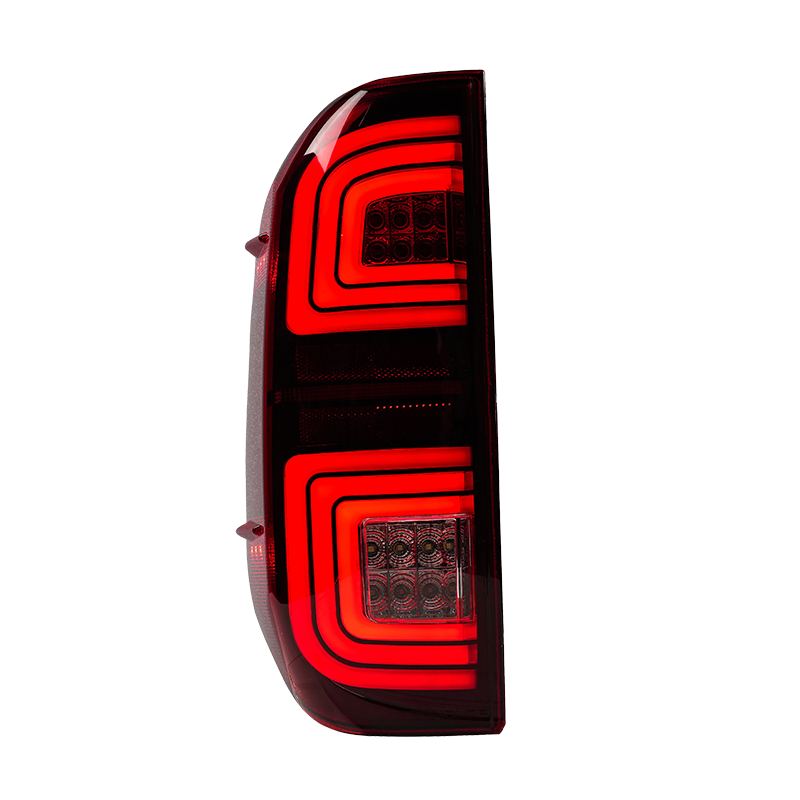
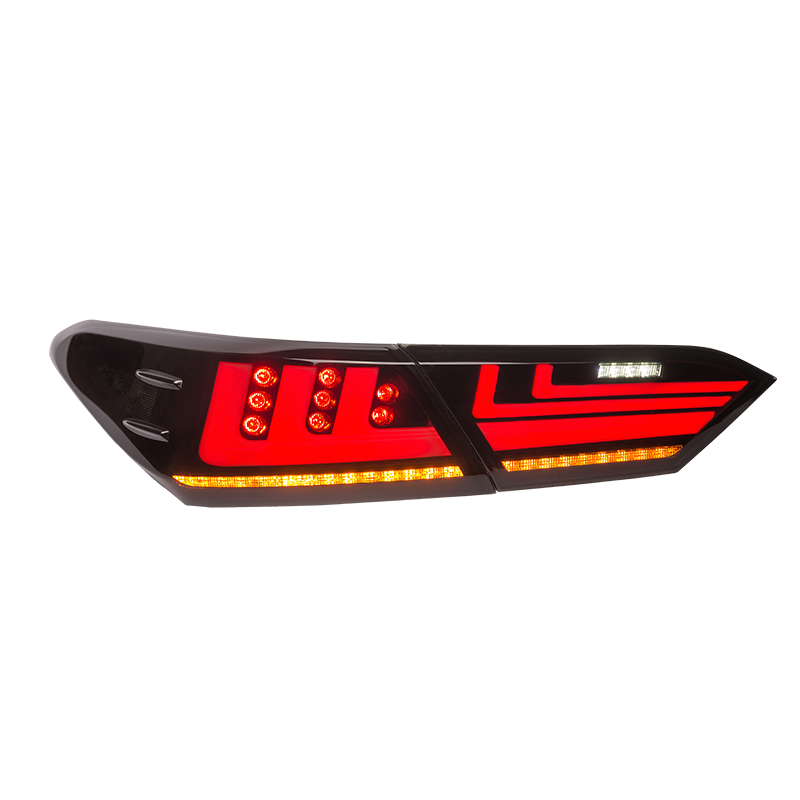
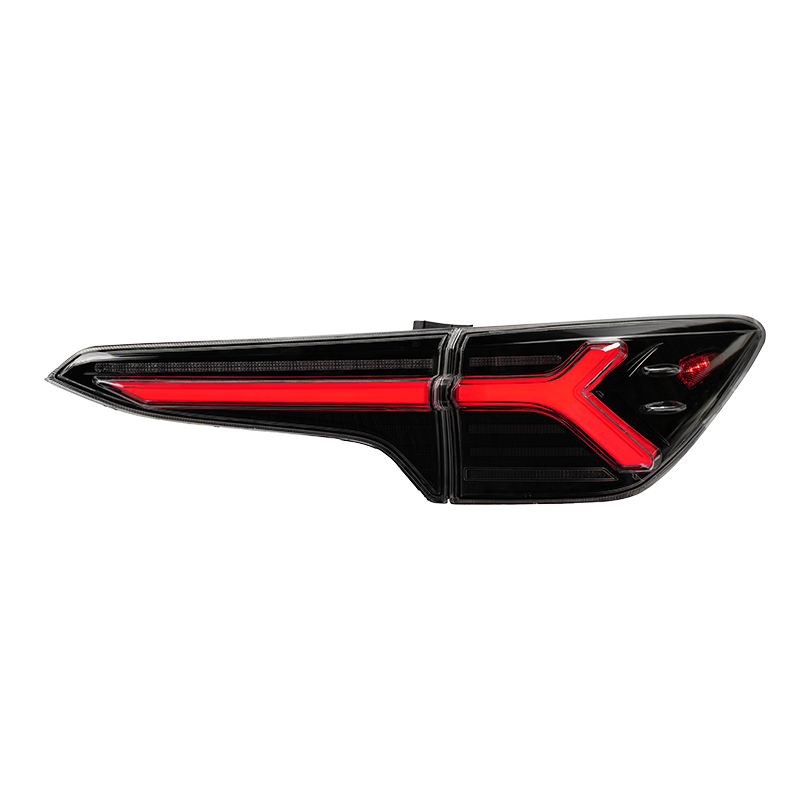
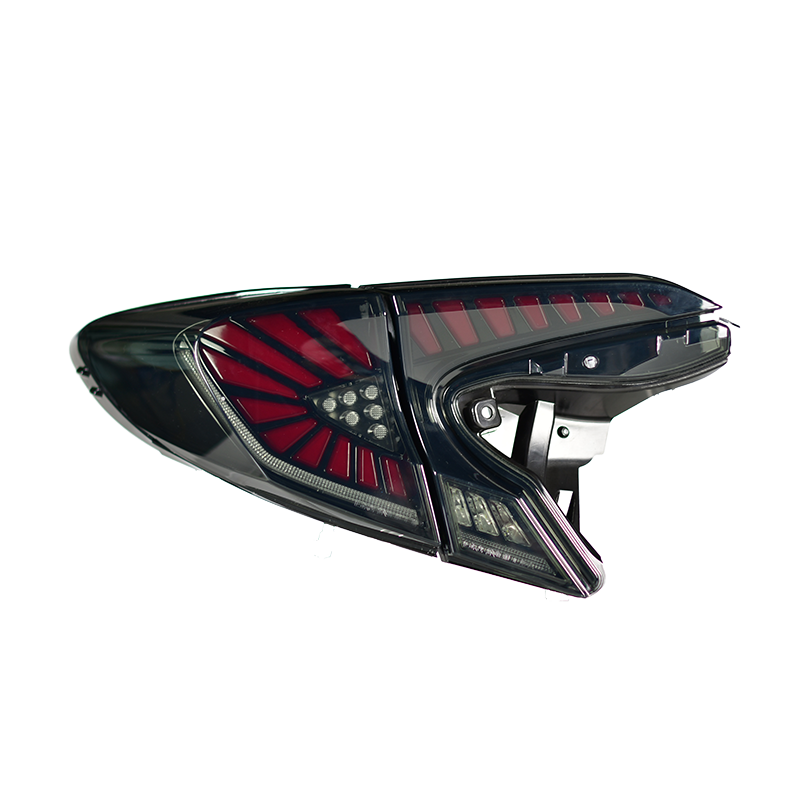
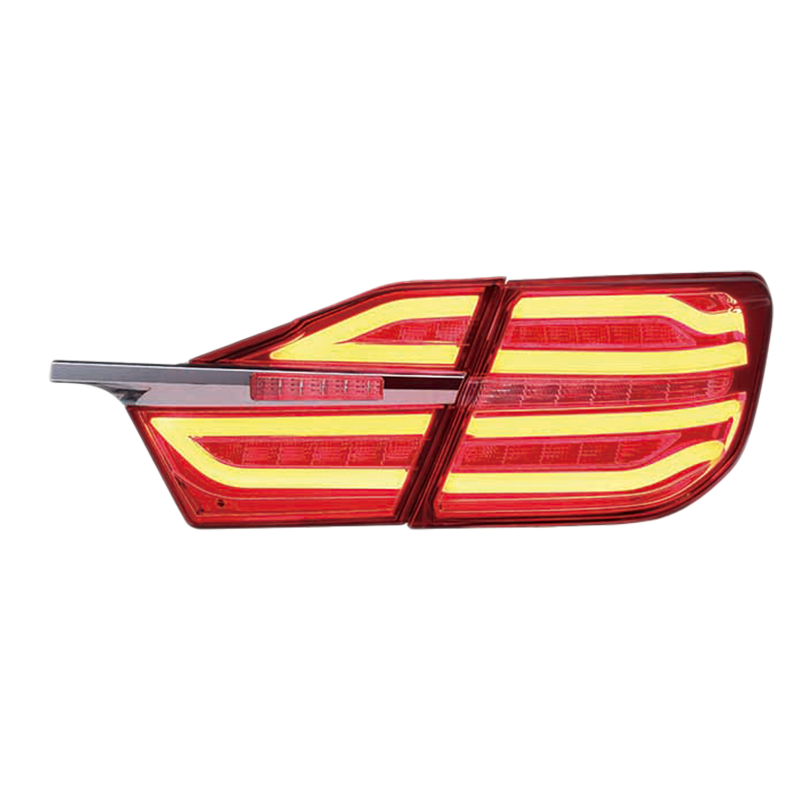
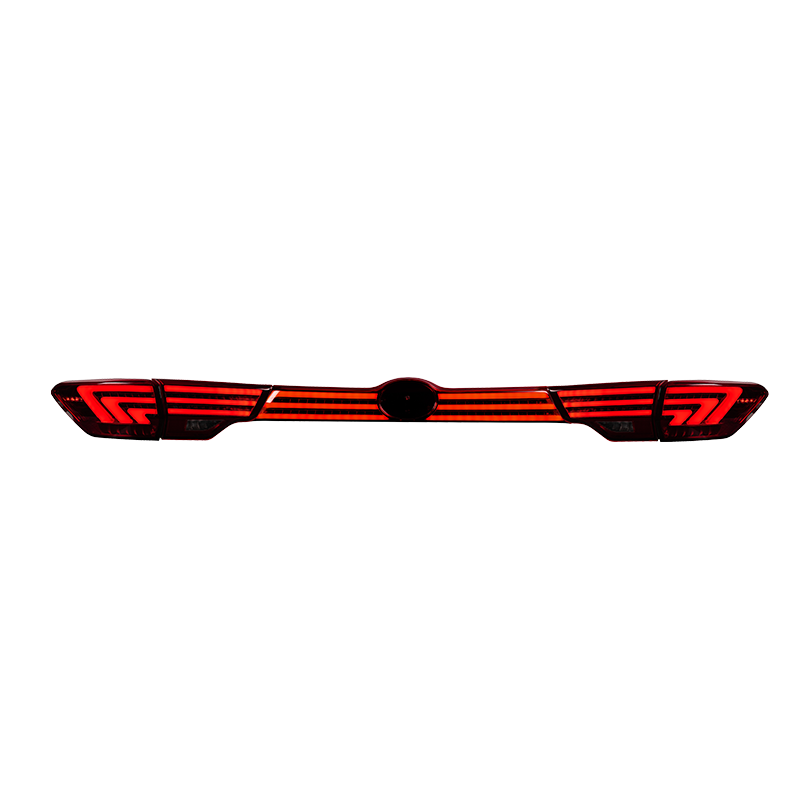
A rear lighting surface that starts to look cloudy or slightly faded can change the overall impression of a vehicle, even when everything else is well maintained. Many car owners notice that washing alone does not always bring back the original clarity, especially when the outer layer has already been exposed to sun, dust, and road film over time. Maintaining Car Led Tail Lights requires more than surface rinsing, since the goal is not only to remove dirt but also to preserve transparency and prevent gradual dulling. When the lens begins to lose its clean appearance, uncertainty often appears about whether it needs polishing, special cleaners, or simple washing. The correct approach depends on understanding how the surface reacts to environment exposure and how gentle maintenance can slow down further change while restoring clarity when needed.
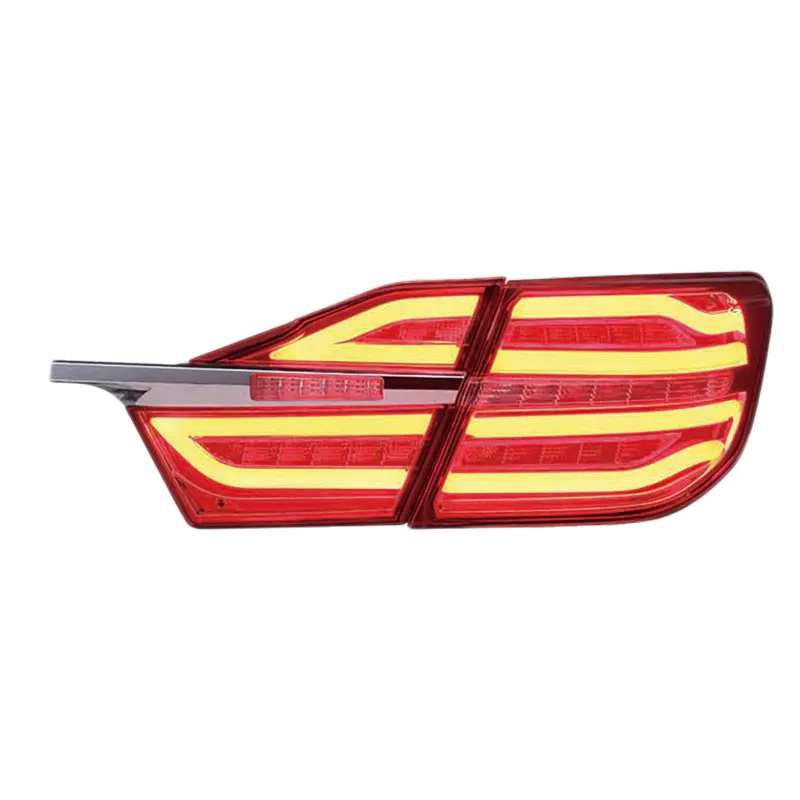
The outer lens is continuously exposed to environmental elements during driving. Even when the vehicle is not in use, sunlight and airborne particles can slowly affect the surface.
Common influences include:
These factors work slowly, and the effect becomes noticeable over time rather than immediately.
Basic washing removes loose dirt but does not always address bonded film or mild oxidation on the surface. This is why the lens may still appear slightly hazy after cleaning the rest of the vehicle.
A more complete approach usually involves:
Using suitable tools reduces the chance of surface damage and helps maintain clarity during maintenance.
| Item | Purpose |
|---|---|
| Microfiber cloth | Soft wiping without scratching |
| Mild car shampoo | Breaks down dirt gently |
| Plastic-safe cleaner | Helps remove film residue |
| Spray bottle | Controls application amount |
| Soft drying cloth | Prevents water marks |
| Plastic polish | Helps reduce mild haze |
| Protective coating | Supports surface resistance |
Each item plays a specific role in maintaining a smooth and controlled cleaning process.
A calm and shaded area makes cleaning easier and helps prevent cleaning solutions from drying too quickly.
Recommended preparation steps:
The first step focuses on removing loose particles before any wiping begins. This reduces the chance of scratching during cleaning.
Basic sequence:
Controlled and steady movement is more effective than strong pressure.
The surface can develop fine marks if dirt is dragged across it. Using clean cloth sections and gentle motion reduces this risk.
Helpful habits:
Some residue may not remove immediately after the first wash. Instead of increasing pressure, repeating a gentle cleaning cycle is more effective.
Approach:
If the lens still looks slightly cloudy after cleaning, light restoration may help improve transparency. This applies mainly to surface-level haze rather than deeper damage.
Restoration steps:
In many cases, mild haze responds well to careful cleaning and light polishing. The key is avoiding excessive pressure or repeated aggressive treatment.
Important considerations:
Light surface marks may reduce slightly with careful treatment, but deeper scratches are not always removable through basic maintenance. At that stage, evaluation becomes more important than repeated polishing.
After cleaning and restoration, protection helps slow down new surface changes caused by environment exposure.
Common protection options:
These treatments create a barrier that helps maintain clarity longer.
Regular light maintenance prevents buildup from becoming difficult to remove later. Small actions performed consistently are more effective than occasional intensive cleaning.
Helpful routine habits:
Some common cleaning habits may unintentionally affect the surface condition.
Avoid:
Each of these can gradually affect transparency and smoothness.
Even when the surface looks clean, excessive pressure can still create fine marks that become visible later under light reflection. Gentle movement helps preserve surface quality.
Mild cleaners are safer, since stronger chemicals may affect surface clarity.
Polishing is useful only for light haze, not for deep structural damage.
Only if it contains trapped dirt or is not clean before use.
Yes, repeated exposure can gradually change surface clarity.
Yes, it helps prevent water marks and residue buildup.
It helps maintain clarity and slow down future surface changes.
Yes, without protection and routine care, it may gradually reappear.
Light marks may improve, but deeper scratches are usually permanent.
Yes, consistent light maintenance helps preserve clarity over time.
Maintaining clear rear lighting surfaces depends on consistent care, proper cleaning technique, and suitable protection methods. When each stage is handled carefully, the lens stays more resistant to haze, fading, and surface wear. Over time, this approach helps preserve both appearance and function without requiring intensive restoration. For users exploring lighting components or maintenance solutions, Taizhou Baozhiwei Vehicle Industry Co., Ltd. can support further product-related needs, especially when planning long-term vehicle care improvements or replacements.
We are a modern headlight manufacturer that integrates R&D, design, production and sales. We mainly produce headlamps, taillights, daytime running lights and other automotive lighting products.
Add: No.3 Shiyang Road, Ningxi Town, Huangyan District, Taizhou City, Zhejiang Province, China
Tel: +86-13105675552 / +86-15606586299
Fax: +86-576-89161556
E-mail: [email protected]
Copyright © Taizhou Baozhiwei Vehicle Industry Co.,Ltd. All Rights Reserved.

 English
 русский
 Español