Call us

Developing aftermarket lighting for an electric vehicle is not simply a matter of copying the original lamp and making it fit. The assembly has to work with the vehicle's electrical system, communicate with its control modules, manage heat, and meet the lighting requirements of the destination market. The exterior design can make the job harder still, particularly on EVs with narrow headlights or full-width rear light bars.
For suppliers, these requirements can turn a seemingly straightforward replacement project into a demanding engineering task.
Working With EV Electrical Systems
Electric vehicles use high-voltage batteries for propulsion, but exterior lights are generally powered by a low-voltage network supplied through a DC-DC converter. An aftermarket lamp must be designed for that network.
The operating voltage is only one part of the specification. Connector type, pin assignment, current consumption, and communication with the body control module all need to match the vehicle. Some EVs monitor individual lighting circuits, so a replacement with different electrical characteristics may cause flickering or trigger a fault message.
Suppliers need vehicle-specific wiring information before finalizing a design. Testing the assembly on the intended vehicle is also important; a lamp that powers up correctly on a workbench may behave differently once connected to the vehicle electronics.
Controlling Heat Inside Compact LED Housings
LEDs use less power than many traditional light sources, but they still produce heat at the semiconductor junction. If that heat builds up, light output can decline and components may wear out sooner.
Space is often limited inside modern EV lamp housings. Several lighting functions and their driver electronics may have to share a relatively small enclosure. Headlights need to manage heat from low beams, high beams, and daytime running lights, while tail lights must account for multiple LED modules operating close together.
The design team needs to consider LED placement, heat-sink size, material selection, thermal paths, and housing ventilation. Testing under sustained operating conditions can reveal hot spots that are easy to miss during short functional checks.
Getting Vehicle Electronics to Recognize the Replacement
On newer EVs, lighting functions can be tied closely to the vehicle's electronic systems. Automatic headlights, adaptive lighting, welcome animations, sequential indicators, and fault monitoring may all depend on signals from control modules.
Communication can involve CAN, LIN, or manufacturer-specific protocols. A replacement lamp therefore has to do more than reproduce the original unit's appearance.
Common problems include incorrect responses to vehicle commands, diagnostic errors caused by different current consumption, and functions that require specific software settings. Left and right assemblies must also work together, particularly when turn signals or animated lighting effects are involved.
Bench tests are useful during development, but they cannot reproduce every vehicle condition. Testing on the actual vehicle platform helps expose communication problems that might otherwise appear only after installation.
Matching the Vehicle's Design Without Compromising Fit
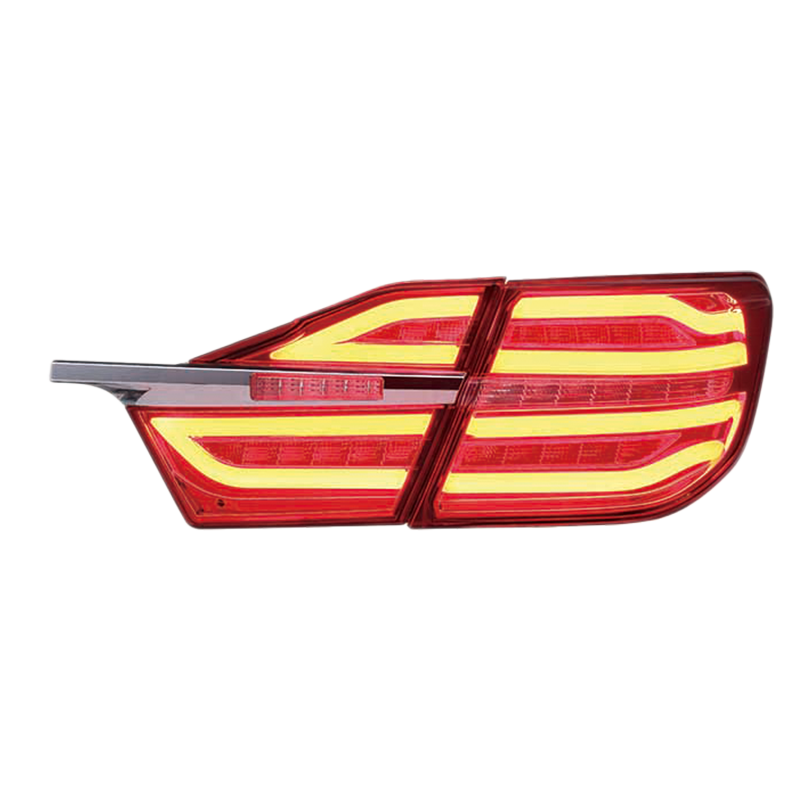
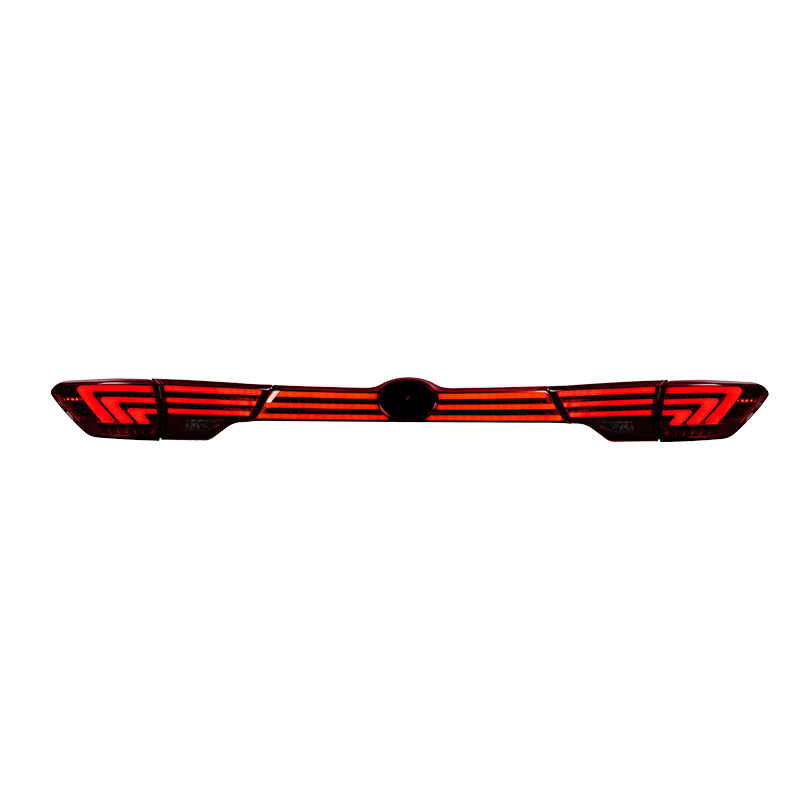
EV lighting has become a prominent part of exterior styling. Some models use slim headlights with integrated daytime running lights; others have rear light bars that stretch across much of the tailgate. The internal optics and housing shapes can be quite different from those of conventional vehicles.
Aftermarket suppliers have to reproduce the required appearance while keeping the optical layout and mounting geometry accurate. A small dimensional error can leave uneven gaps around the body panels or put the lamp out of position.
Development usually involves measuring the original assembly, creating digital models, building prototypes, and checking fit on the vehicle. Lens shape, transparency, light distribution, and space for wiring and cooling components all need attention. On tightly integrated exterior designs, even the clearance around the housing can become a design constraint.
Meeting Market-Specific Lighting Rules
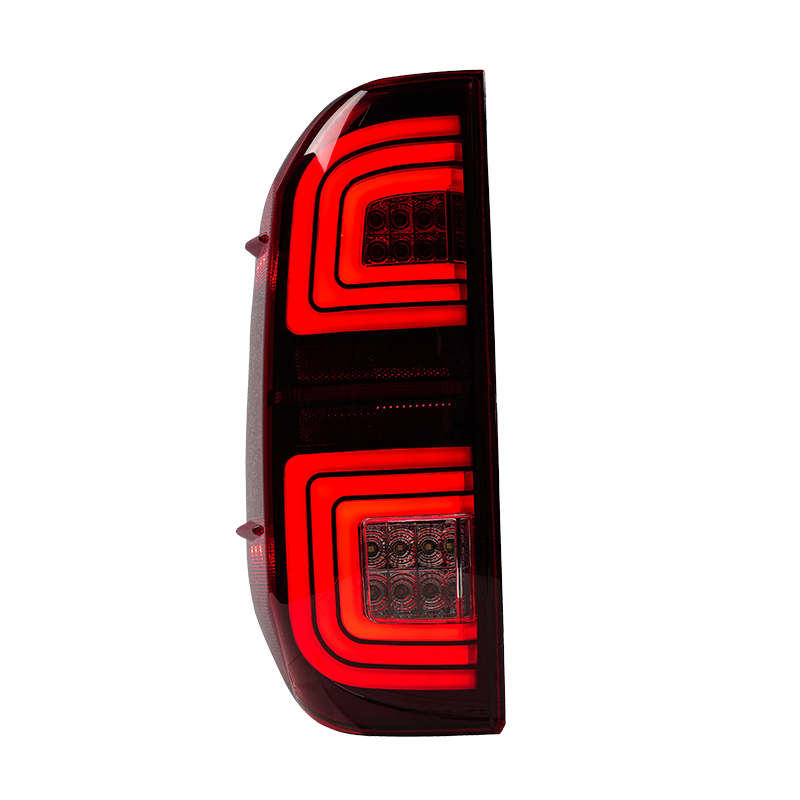
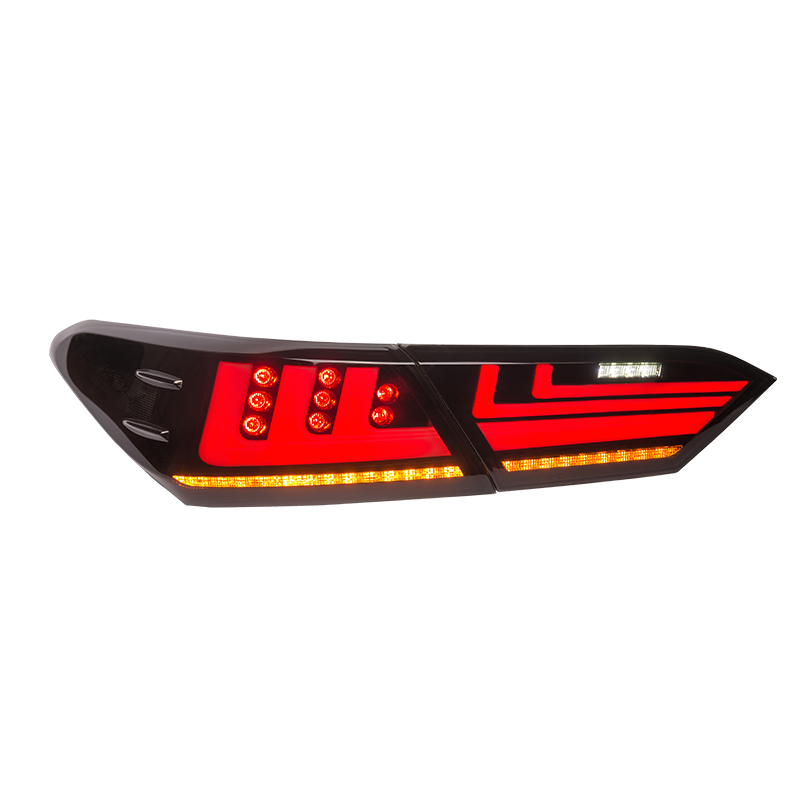
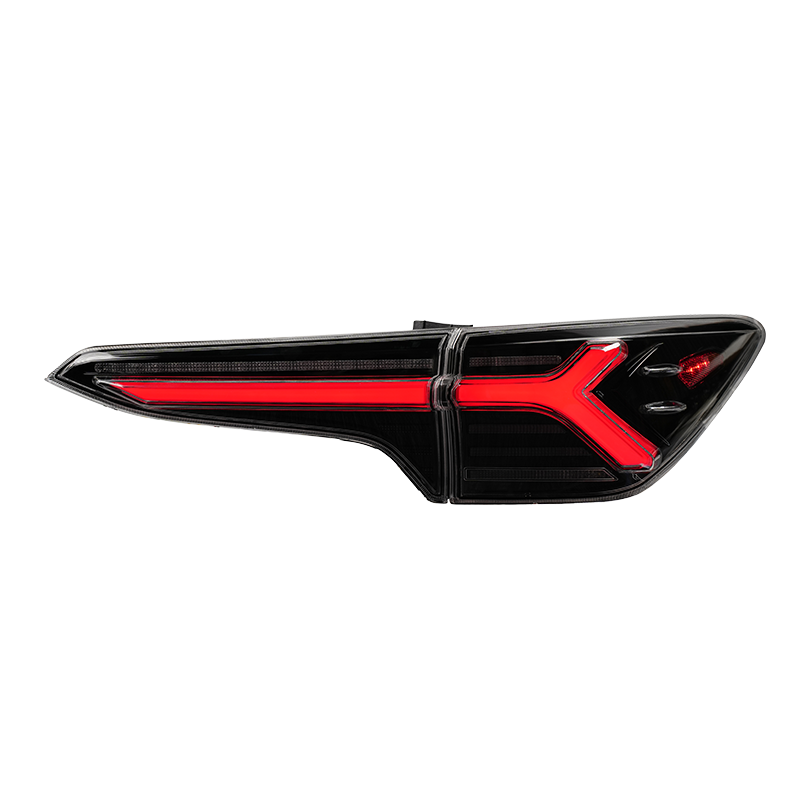
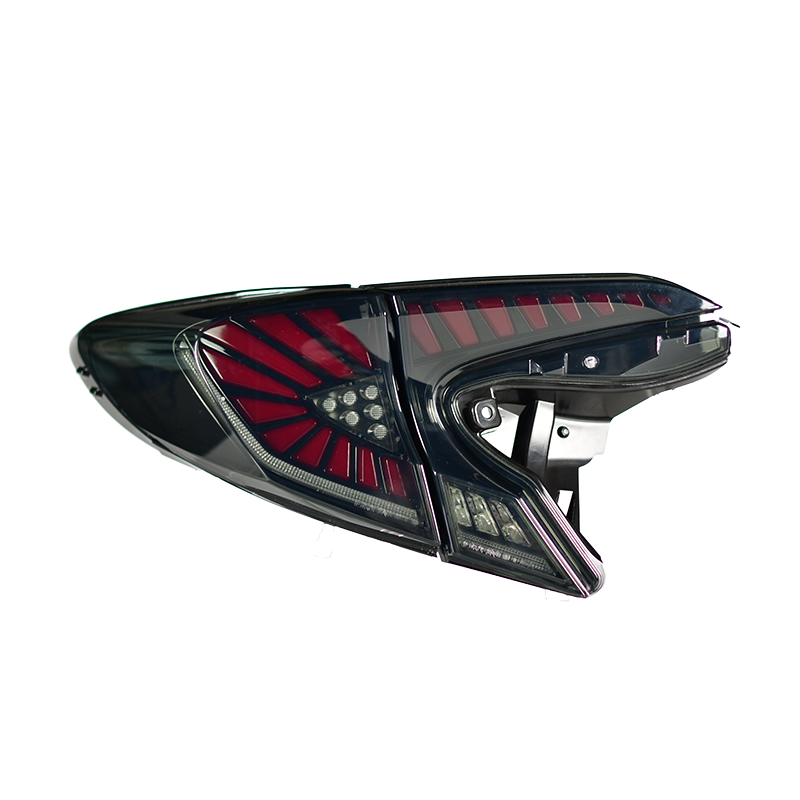
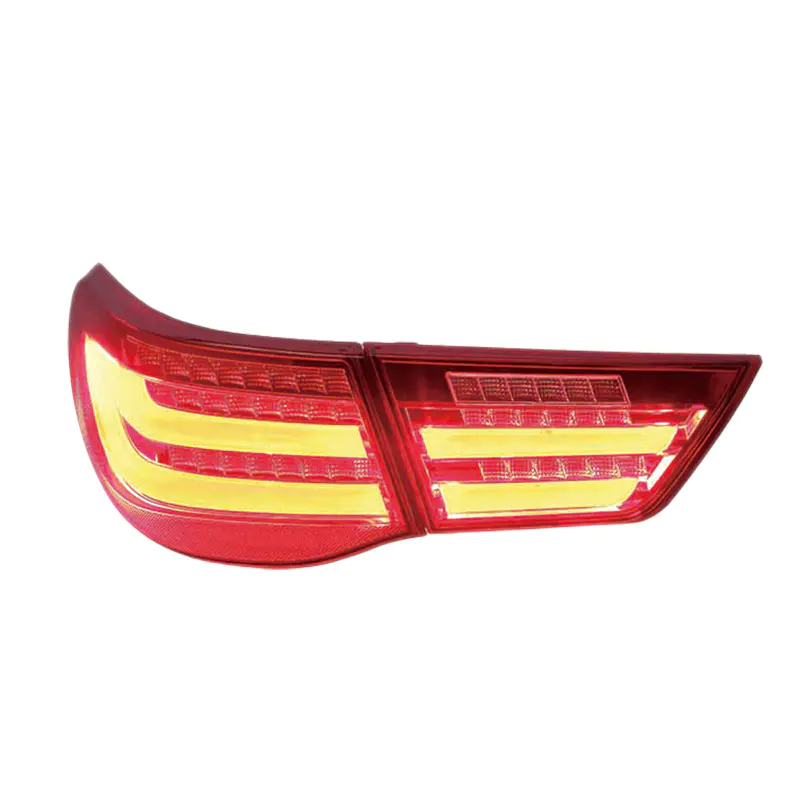
Headlights Tail Lights are safety components, not decorative accessories. Their output, color, position, and signaling behavior are regulated, with requirements varying between markets.
A headlight must illuminate the road without creating excessive glare. Rear lamps must make the vehicle visible and communicate braking and turning intentions clearly. Changes to the lens tint or optical structure can affect light transmission, even when the finished product looks close to the original.
Suppliers should check beam patterns, intensity, color, visibility angles, and applicable approval markings. European and North American approval systems, for example, are not interchangeable in every application. A product intended for one market should not be assumed compliant in another.
Headlight and Tail Light Development: Where the Priorities Differ
Both assemblies require accurate fitment and reliable electrical operation, but the engineering work is not identical.
| Development area | Headlights | Tail lights |
|---|---|---|
| Optical performance | Beam pattern, road illumination, glare control | Visibility, signaling, and light distribution |
| Thermal management | Heat from LEDs and drivers during extended operation | Heat from compact LED modules and control electronics |
| Electrical functions | Dimming, adaptive lighting, and vehicle controls | Brake, turn, tail, and reverse-light functions |
| Styling | Front-end integration and distinctive light signatures | Rear body integration and connected light designs |
| Compliance | Beam and photometric requirements | Signal visibility, color, and photometric requirements |
| Installation | Optical alignment and mounting position | Housing fit, sealing, and body-panel alignment |
These differences affect the testing process. A headlight needs particular attention to beam alignment and glare, while rear assemblies require careful checks of signal visibility and each individual lighting function.
Protecting the Assembly From Weather and Vibration
Exterior lamps are exposed to rain, humidity, dust, road vibration, sunlight, and temperature changes. A weak seal can let moisture into the housing, leading to condensation, corrosion, or electrical problems. Repeated heating and cooling can also stress the joint between the lens and housing.
Suppliers should examine the sealing materials, housing strength, connector protection, and ventilation arrangement. Depending on the product, validation may include water-ingress tests, temperature cycling, vibration testing, and UV exposure.
Condensation needs to be assessed carefully. Temporary fogging and actual water ingress are not necessarily the same problem, so inspection should follow the relevant design requirements and test procedures.
Allow Time for Vehicle-Specific Testing
A reliable development process begins with identifying the exact vehicle application. Model year, platform, trim, and regional version can all affect the lamp's dimensions and electrical requirements. Getting these details wrong at the start can lead to repeated prototype changes later.
Once the application is confirmed, the prototype needs mechanical, optical, thermal, electrical, and environmental testing. Production checks matter too. Incoming materials, assembly quality, connector installation, and final lighting functions should be inspected consistently across batches.
Working with experienced lighting manufacturers and qualified testing laboratories can help catch problems before products reach distributors and repair shops.
The EV market brings new opportunities for aftermarket lighting, but the engineering requirements are more involved than a simple housing replacement. Electrical compatibility, heat control, vehicle communication, optical performance, and regulatory approval all have to be considered together. A lamp that looks right but fails any one of these checks is not ready for the aftermarket.
We are a modern headlight manufacturer that integrates R&D, design, production and sales. We mainly produce headlamps, taillights, daytime running lights and other automotive lighting products.
Add: No.3 Shiyang Road, Ningxi Town, Huangyan District, Taizhou City, Zhejiang Province, China
Tel: +86-13105675552 / +86-15606586299
Fax: +86-576-89161556
E-mail: [email protected]
Copyright © Taizhou Baozhiwei Vehicle Industry Co.,Ltd. All Rights Reserved.

 English
 русский
 Español