Call us

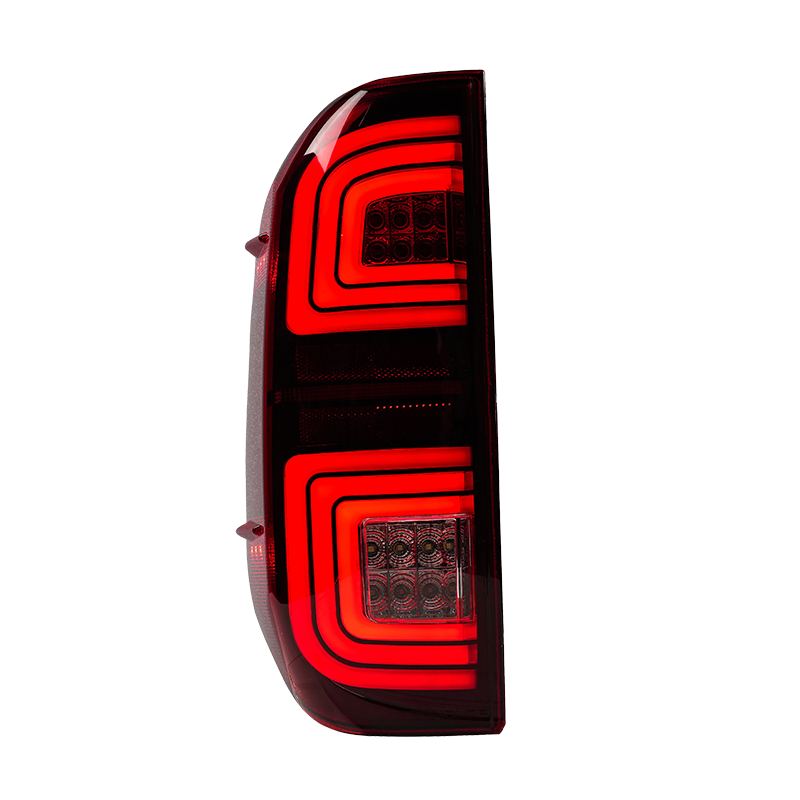
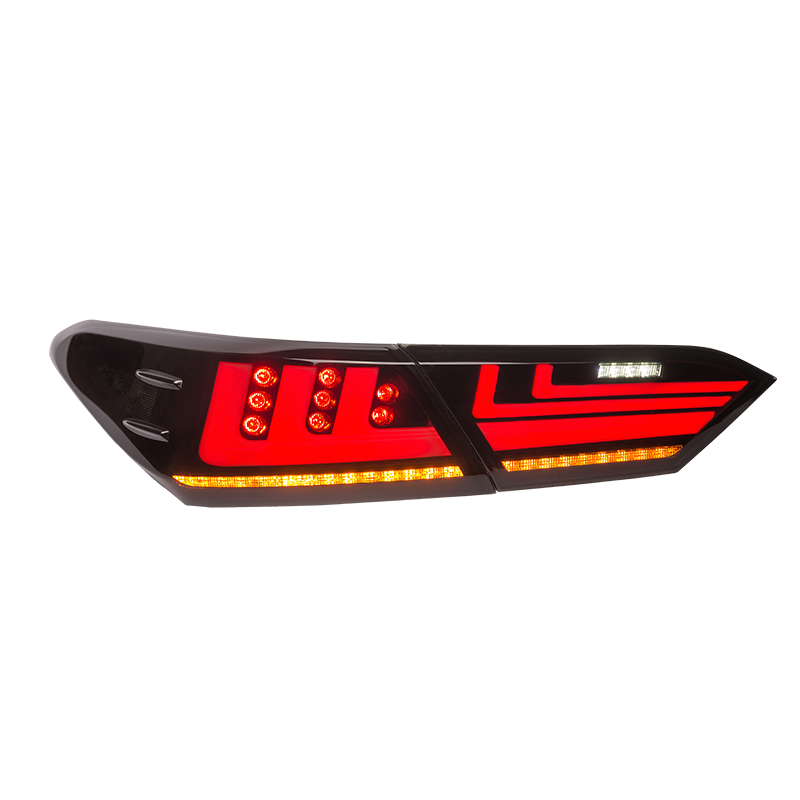
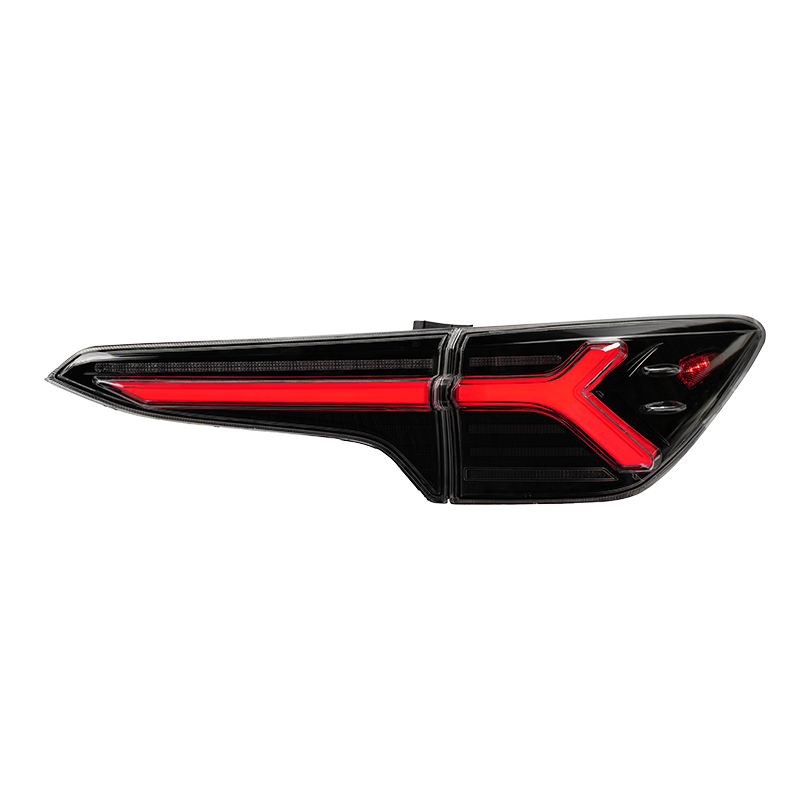
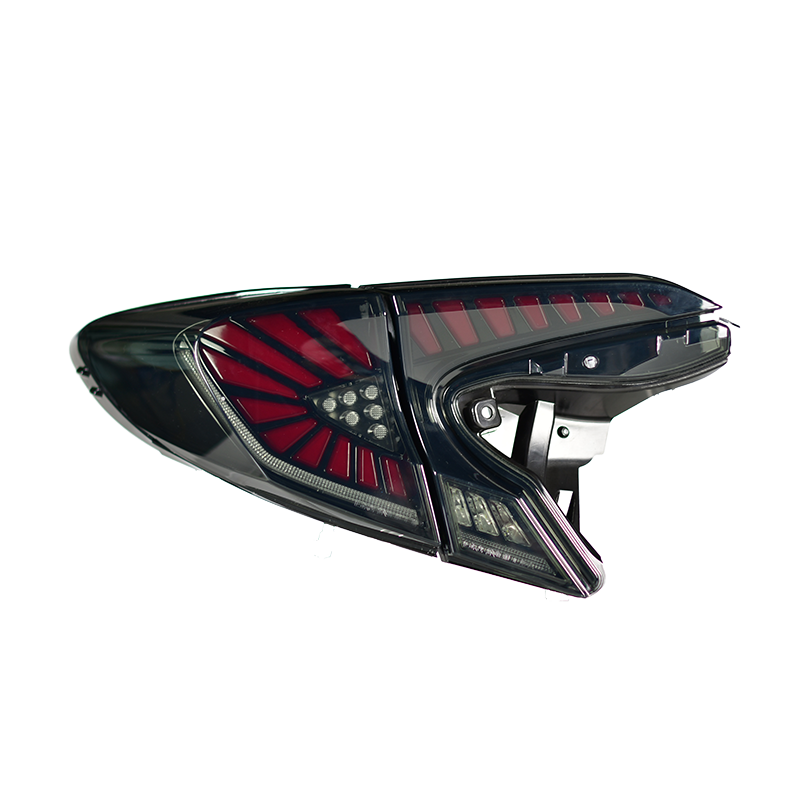
One tail light out, the other working fine — it looks like a simple bulb replacement until you realize there is no bulb to swap. LED tail light failures do not follow the same rules as halogen systems, and the single-side failure pattern that sends many vehicle owners searching for answers is actually one of the more revealing diagnostic scenarios in automotive lighting. Unlike traditional bulbs, Multi Function LED Tail Lights use integrated modules, shared drivers, and sealed housings that change both how they fail and what the repair options realistically look like.
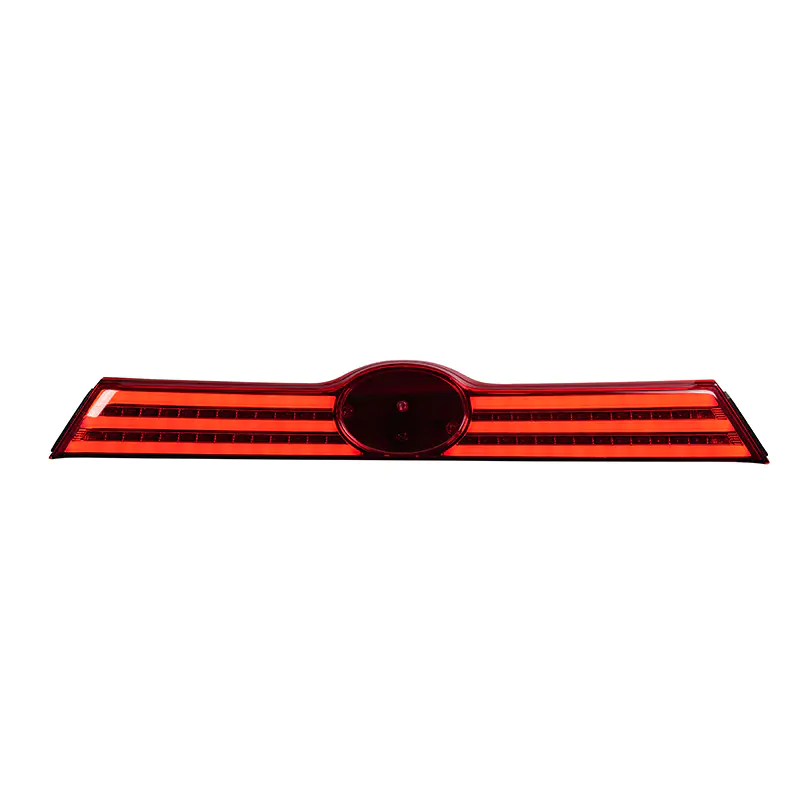
In a conventional halogen tail light, single-side failure almost always means one thing: the bulb filament has burned out. Swap the bulb, done. LED systems are more complex. The light source is an array of diodes mounted on a circuit board, driven by a control module, and connected through a wiring harness that may share circuits with multiple functions — brake light, turn signal, running light, and reverse light.
When one side of a set of car LED tail lights stops working, the failure could be in any of these layers:
Understanding which layer the fault sits in changes the diagnostic approach completely.
The fuse is the fastest thing to check and often the most overlooked. Tail light circuits are typically protected by a dedicated fuse in the main fuse box, sometimes supplemented by a secondary fuse in the body control module circuit. A blown fuse on one side can produce exactly the single-side failure pattern being described.
Steps to follow:
If the replacement fuse blows again immediately or shortly after, the problem is a short circuit somewhere in the system, not the fuse itself.
The wiring harness connection at the tail light assembly is exposed to temperature cycling, vibration, and in many vehicles, moisture from road spray or trunk water intrusion. Connector pins corrode over time, and that corrosion increases resistance until the circuit can no longer carry enough current to operate the LED module reliably.
How to inspect the connector:
A clean connector that was previously corroded may restore function — but if the corrosion was severe, the connector itself may need replacement.
Ground faults are a frequently underestimated source of lighting problems in vehicles, particularly on older vehicles or those that have been through body repairs. Each tail light assembly typically has a dedicated ground point where a wire connects to the vehicle's chassis. If that ground connection is loose, corroded, or broken, the circuit cannot complete and the light will not function — even if the fuse, wiring, and LED module are all intact.
To check the ground:
Grounding problems are disproportionately common in the rear of the vehicle because that area accumulates road contamination and is subject to flex from hatch or trunk lid movement.
If the fuse, connectors, and ground connection are all confirmed to be in good condition, the fault likely lies inside the tail light assembly itself. Car LED tail lights use integrated modules where the LEDs, driver circuitry, and sometimes the lens are combined into a sealed unit. Unlike halogen assemblies, these are not designed for component-level repair in the field.
Signs that the LED module has failed internally:
If the module has failed, the practical options narrow to either repairing the assembly through a specialist or replacing the housing entirely.
Water inside a tail light housing is a serious problem. Even small amounts of condensation can cause corrosion on the LED circuit board, short circuit paths between driver components, and accelerated failure of the silicone seals that protect internal connections. The failure may not be immediately obvious — the light might work intermittently at first before stopping entirely.
Inspect the housing for:
For vehicles in high-humidity regions, near coastal areas, or subject to regular washing, Waterproof LED Tail Lights with properly sealed housings and robust gaskets significantly reduce the risk of moisture-related failure. A housing that was not designed with adequate sealing will continue to fail repeatedly even after repair.
Modern vehicles manage lighting functions through a body control module or similar electronic control unit. On these vehicles, a single-side tail light failure may not be a hardware fault at all — it may be a software fault, a calibration error, or a fault code stored in the module that prevents the circuit from activating.
Symptoms that suggest a control system issue:
Diagnosing a control system fault requires an OBD-II scanner capable of reading body control module codes. This is beyond simple DIY repair for most vehicle owners and typically requires a workshop visit.
| Fault Source | Symptoms | DIY Accessible? | Typical Resolution |
|---|---|---|---|
| Blown fuse | Complete failure of one side | Yes | Replace fuse with correct rating |
| Corroded connector | Intermittent or no function | Yes | Clean or replace connector |
| Ground fault | One side completely dead | Yes | Clean and resecure ground point |
| Wiring break | Persistent no-function | Partial | Locate and repair broken wire |
| Internal LED module failure | Partial or complete failure | Limited | Replace tail light assembly |
| Moisture intrusion | Intermittent, corrosion visible | Limited | Replace sealed housing |
| BCM or control fault | Unpredictable behavior, dash warning | No | Scan and repair at workshop |
This is the question most people reach after going through the diagnostic steps. LED tail light assemblies are sealed, integrated units. Component-level repair — replacing individual LEDs, reflowing solder joints, replacing the driver board — is possible but requires skills and equipment that most vehicle owners and even many general repair shops do not have.
The practical reality is that in many cases:
For vehicles where the original equipment tail lights are expensive OEM LED Tail Lights, the repair-versus-replace calculation may favor repair through a specialist. For standard production vehicles, replacement is often the more cost-effective path.
Replacement tail light assemblies fall into two categories. OEM LED Tail Lights are manufactured to the same specifications as the original equipment, using the same connector configurations, mounting points, and control module compatibility. Aftermarket assemblies vary in quality, may require wiring adaptation, and may not be fully compatible with the vehicle's control system.
For fleet operators, automotive businesses, or anyone replacing assemblies on multiple vehicles, working with a supplier who can provide OEM-compatible specifications matters more than price per unit. An assembly that triggers a dashboard fault code, fails to communicate correctly with the body control module, or requires custom wiring is not a cost saving — it is a problem that costs time to resolve.
Single-side failure is also an opportunity to address design weaknesses in the original housing. Custom Car LED Tail Lights designed with improved sealing, more robust LED drivers, and higher-grade connector systems can reduce the likelihood of the same fault occurring again. For vehicles operating in harsh environments — off-road use, coastal areas, high-humidity climates — upgrading to a housing with enhanced waterproofing at replacement time makes practical sense.
Features worth looking for in a replacement assembly:
LED tail lights are more durable than halogen equivalents in normal use, but they are not immune to environmental damage. A few habits reduce the likelihood of premature failure:
When a single side of a car's LED tail lights stops working, the diagnostic path is more involved than a simple bulb check — but it is also more systematic than it might initially appear. Working through the fuse, connector, ground, and module conditions in sequence identifies the fault layer clearly and informs a rational repair-versus-replace decision. For automotive businesses, distributors, and fleet operators who regularly encounter LED tail light failures across multiple vehicles, having access to a reliable supply of replacement assemblies matters as much as the diagnostic knowledge. Taizhou Baozhiwei Vehicle Industry Co.,Ltd. manufactures Car LED Tail Lights including OEM-compatible assemblies, Custom Car LED Tail Lights, and Waterproof LED Tail Lights for a range of vehicle types and configurations, working with buyers on specifications, compatibility requirements, and volume supply. If you are evaluating replacement tail light options or sourcing assemblies for a fleet or workshop operation, reaching out to their team is a practical starting point.
We are a modern headlight manufacturer that integrates R&D, design, production and sales. We mainly produce headlamps, taillights, daytime running lights and other automotive lighting products.
Add: No.3 Shiyang Road, Ningxi Town, Huangyan District, Taizhou City, Zhejiang Province, China
Tel: +86-13105675552 / +86-15606586299
Fax: +86-576-89161556
E-mail: [email protected]
Copyright © Taizhou Baozhiwei Vehicle Industry Co.,Ltd. All Rights Reserved.

 English
 русский
 Español