Call us

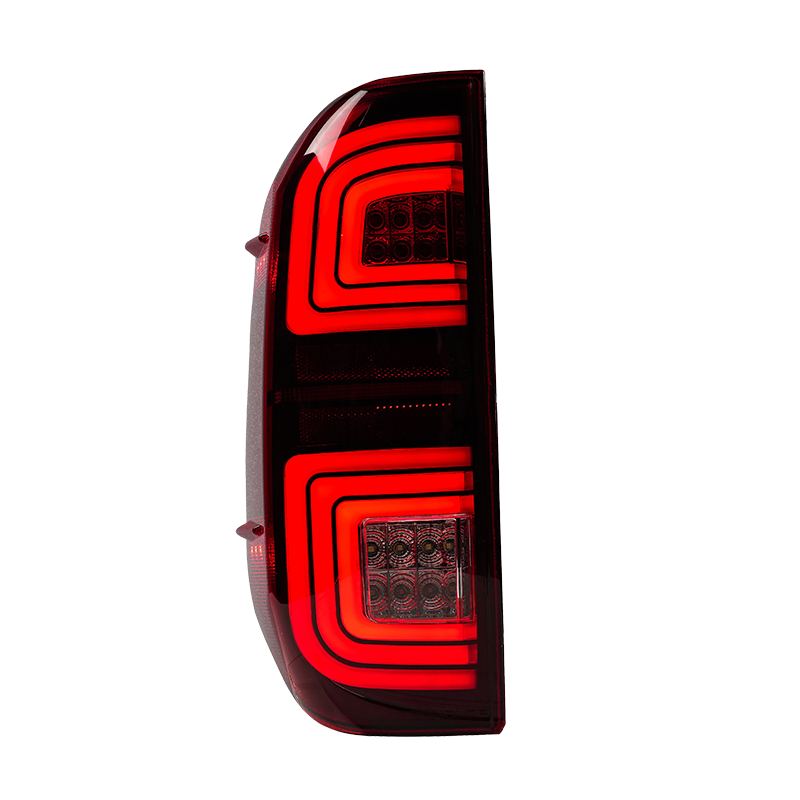
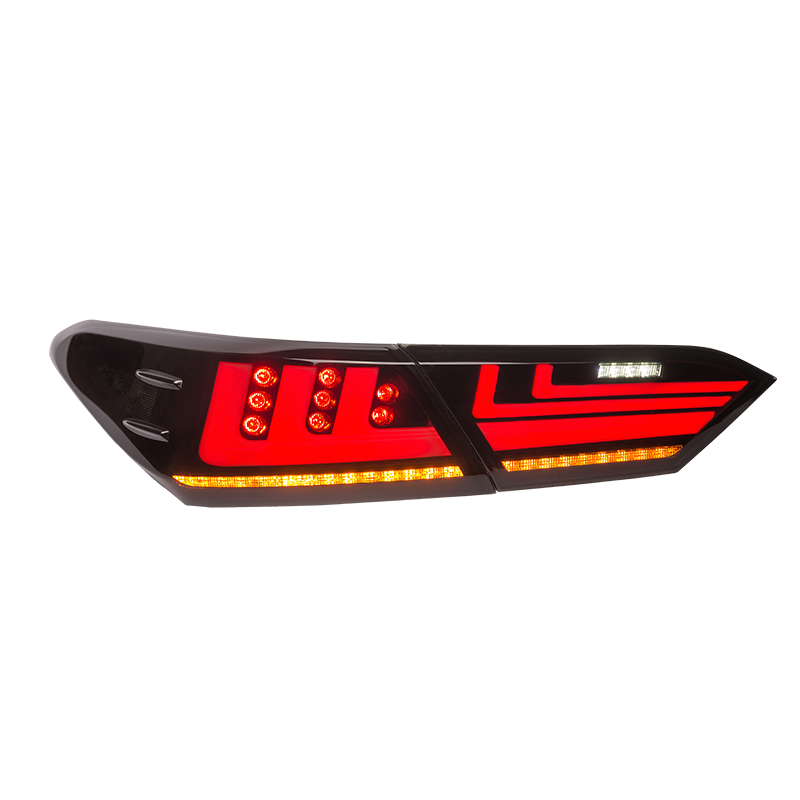
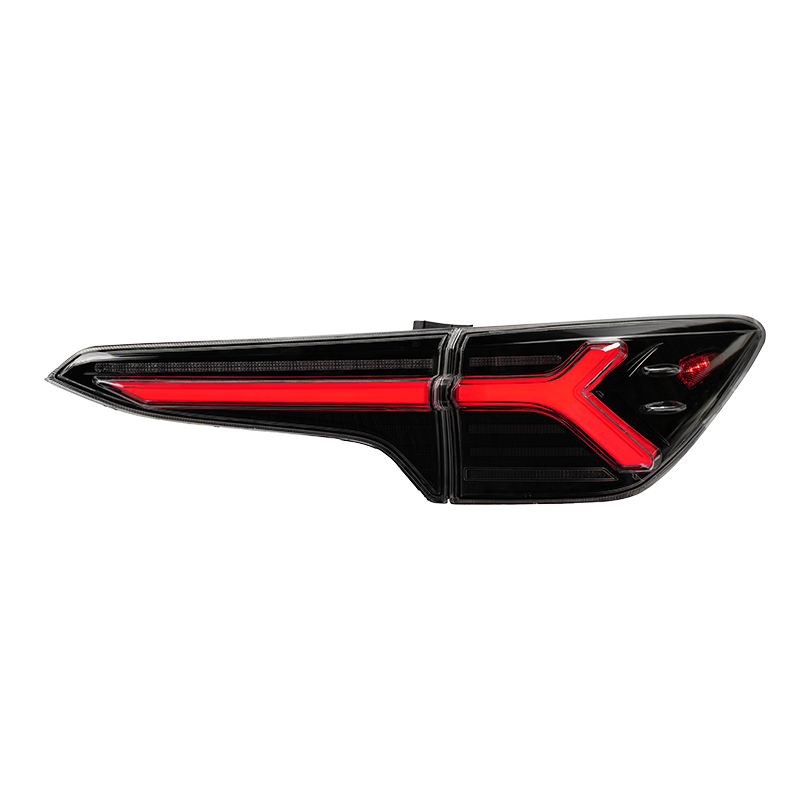
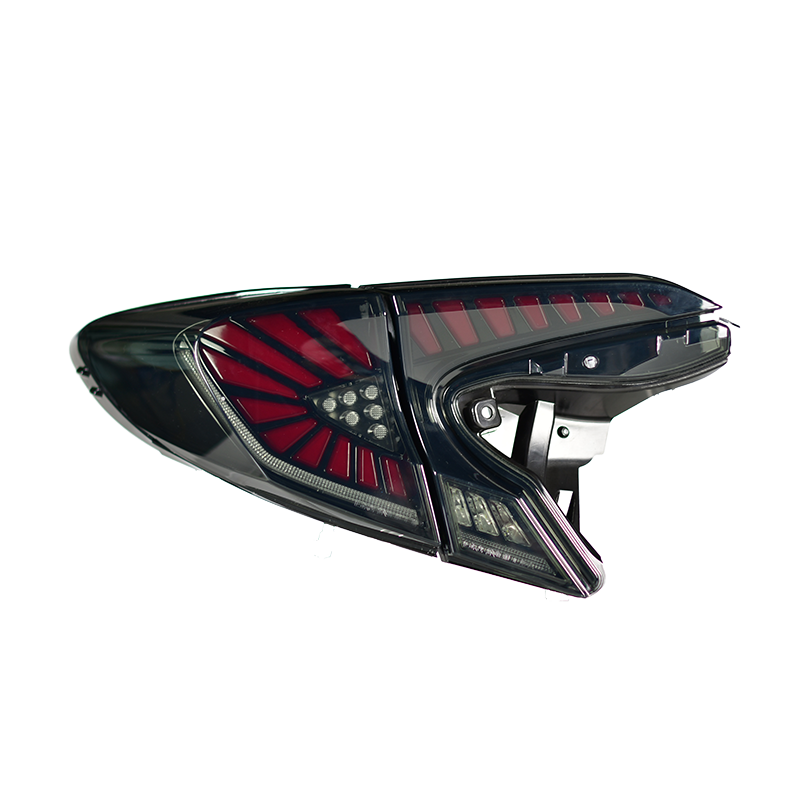
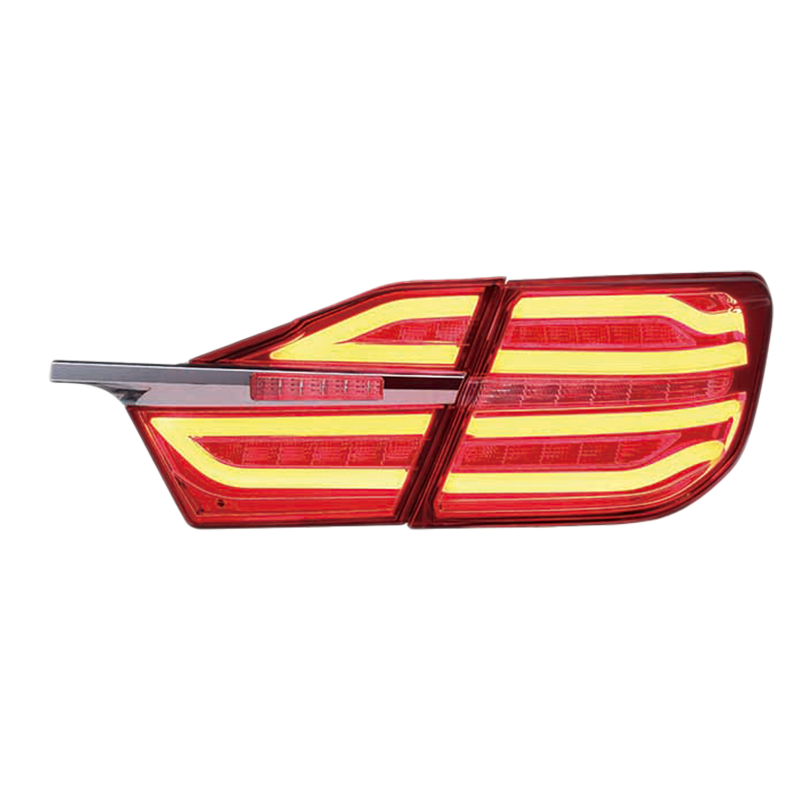
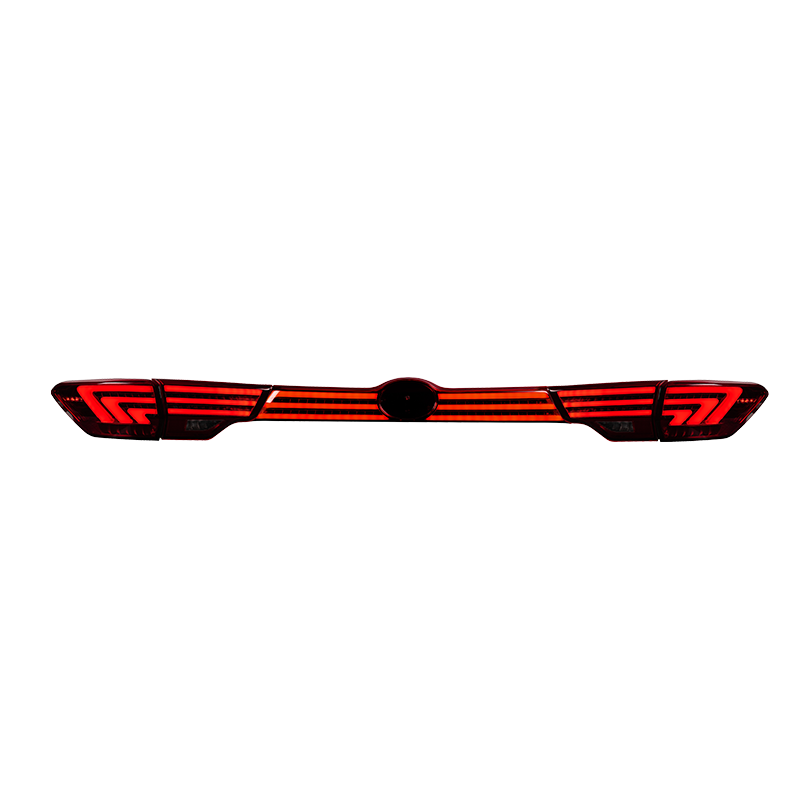
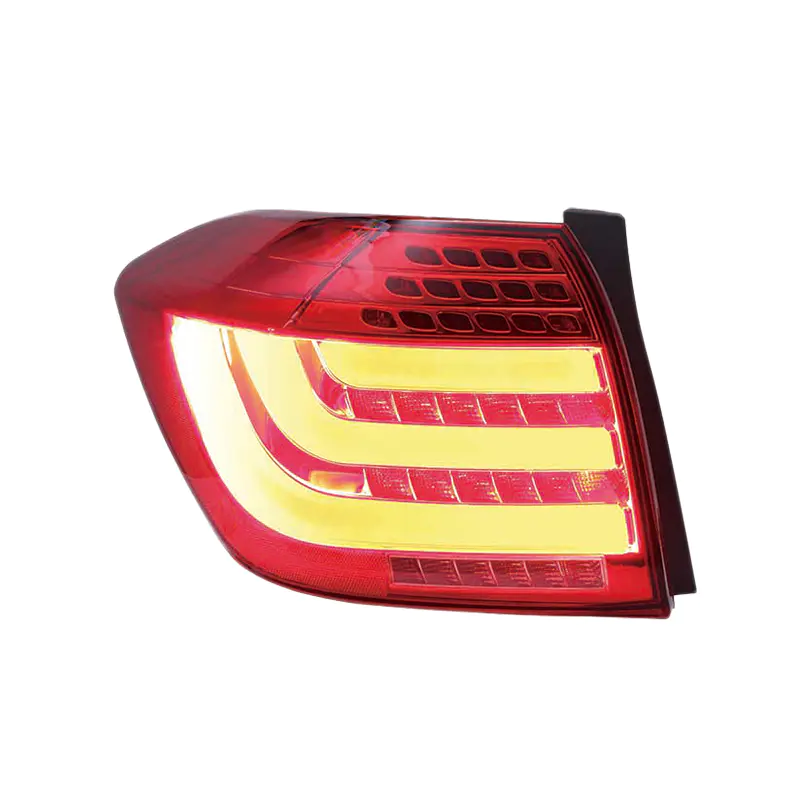
When the rear lamps start to look dim, uneven, or slow to respond, it is easy to wonder whether the problem is simple grime or a real fault. That question becomes more common after driving through rain, dust, or road spray. Many owners also notice that Car Led Tail Lights can look weak even when the unit still works, which makes a careful check more useful than a rushed replacement.
Rear lighting does not usually change in one sudden step. In many cases, the look of the lamp shifts little by little, so the eye adjusts before the owner notices.
Common causes include:
A dim appearance does not always mean the light source has failed. A layer on the outside can reduce visible output and make the whole rear unit seem weaker than it really is.
Spend a minute looking at the car from a short distance, then again from farther away.
Check for:
If the look changes with viewing angle or after wiping the lens, the problem may be outside the unit rather than inside it.
A simple visual check can save time and reduce guesswork. Start with the easiest points and move inward only when needed.
Look for dust, water spots, road film, and cloudiness. If the outside is dirty, the light may still function normally but look weak from behind the car.
Compare the left and right lamps under the same lighting condition. A small difference can point to dirt on one side, while a large difference may suggest an internal issue.
Turn on the parking lights, then press the brake. If the output stays steady but looks dull, surface contamination is more likely. If the lamp changes suddenly, wiring or the light unit may be involved.
Fog inside the cover is a warning sign. A dry outer lens with moisture inside can make the lamp look cloudy and can also affect electrical behavior over time.
When Car Led Tail Lights appear dull, the cause is often a layer on the lens rather than a failed emitter. Light still leaves the unit, but the path becomes less clear.
Surface issues can create these effects:
Haze can come from age, weather, or a thin layer of grime that is not easy to notice at a glance. Moisture can create a similar look, even when the internal light source is still working.
| Sign You Notice | More Likely Surface Issue | More Likely Internal Issue |
|---|---|---|
| Light Looks Dull but Steady | Yes | No |
| One Section Stays Dark | No | Yes |
| Output Changes After Cleaning | Yes | No |
| Flicker While Driving | No | Yes |
| Cloudy Outer Cover | Yes | Sometimes |
| Clean Lens but Weak Light | No | Yes |
Such an overview cannot take the place of a full assessment, but it offers a practical point to begin before moving on to more detailed inspection.
A real fault often shows up as a behavior problem, not only an appearance problem.
Look for:
These signs matter because they suggest the problem is not only on the surface. If the lens is clean and the output is still unstable, the internal side of the system deserves more attention.
Some clues point to a deeper concern:
At that stage, the issue may be inside the circuit, the connector, or the lamp unit itself.
Not every rear lighting problem comes from the lamp body. A weak connection can create symptoms that look very similar to a failed light source.
Typical wiring related causes include:
A wiring issue can make the light dim, flicker, or fail only under certain conditions. That is why cleaning the lens alone may not fix every problem.
Watch how the lamp behaves in different situations.
This kind of observation can save time before any part is removed.
A careful owner can learn a lot with a simple routine. No advanced skill is needed for the early steps.
The goal is not to force a diagnosis too early. The goal is to see whether the symptom changes after cleaning and basic observation.
Cleaning is a strong candidate when:
Use a soft cloth and a mild cleaner that is safe for automotive plastic. Harsh materials can scratch the lens and make the light appear weaker later.
At that point, replacement or deeper repair may be a better path than repeated cleaning.
Replacement should stay on the table when the same symptom returns after a proper check. A temporary change can be caused by dirt, but a repeated problem usually needs more attention.
Consider replacement if:
A replacement choice should come after the lens, the connector, and the visible housing have all been checked. That sequence helps avoid removing a part that is still usable.
Use this simple path when you are unsure:
This approach keeps the problem small until the evidence says otherwise.
A few habits make future checks easier.
Avoid rough cleaning tools that can haze the cover
Small upkeep helps you spot change early. It also makes it easier to tell whether the problem is a simple outside layer or a deeper issue inside the lamp.
If the lens stays clear but the output keeps dropping, the next step is to inspect the connector, the housing, and the lamp behavior under repeated use. That process gives a clearer picture than replacing parts by guesswork. It also helps you decide whether the issue belongs to the surface, the wiring, or the light unit itself. If you want a stable path from diagnosis to replacement, Taizhou Baozhiwei Vehicle Industry Co.,Ltd. can be a useful contact point when you are ready to move from checking to action.
We are a modern headlight manufacturer that integrates R&D, design, production and sales. We mainly produce headlamps, taillights, daytime running lights and other automotive lighting products.
Add: No.3 Shiyang Road, Ningxi Town, Huangyan District, Taizhou City, Zhejiang Province, China
Tel: +86-13105675552 / +86-15606586299
Fax: +86-576-89161556
E-mail: [email protected]
Copyright © Taizhou Baozhiwei Vehicle Industry Co.,Ltd. All Rights Reserved.

 English
 русский
 Español