Call us

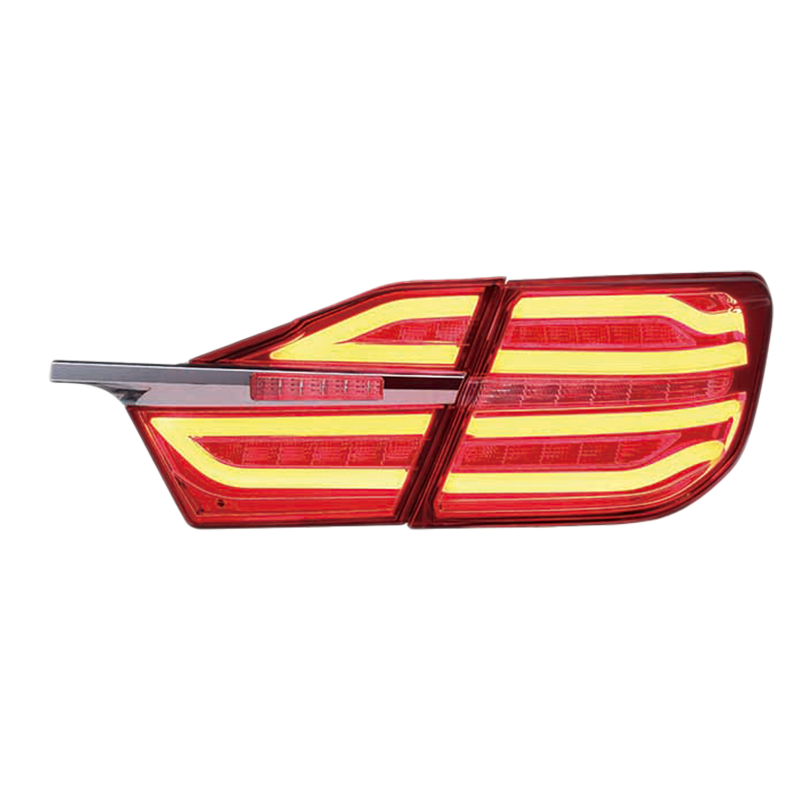
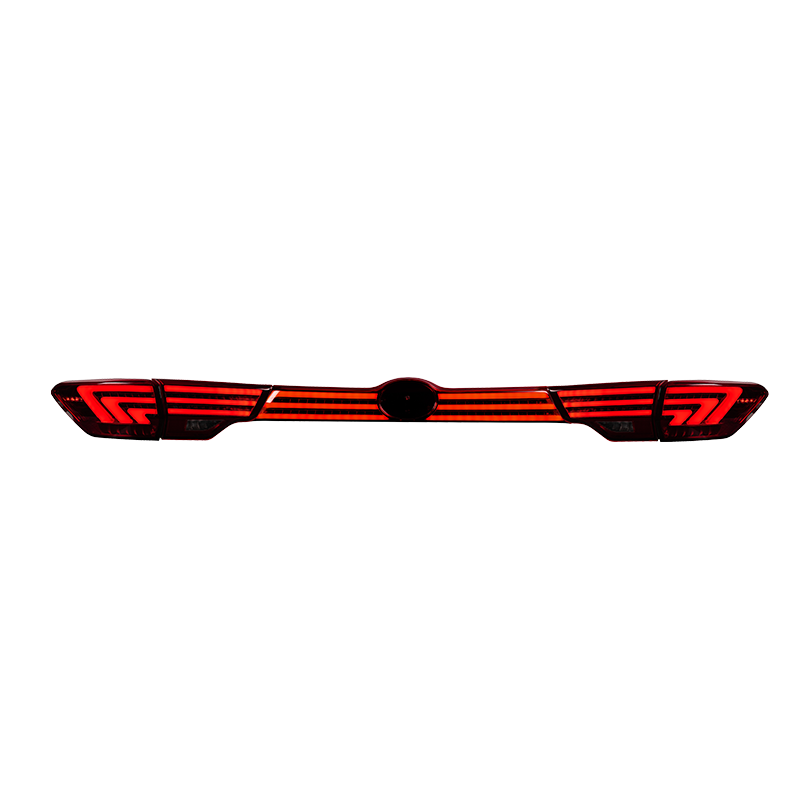
 The shift toward darker rear lighting has grown alongside modern car styling. Drivers today like a more unified, contemporary look, and darker tail lights fit right into that trend. Companies like Taizhou Baozhiwei Vehicle Industry Co., Ltd. operate where aesthetics, engineering, and regulations all meet. This is where darker lighting solutions are designed, tested, and refined.
Darkened rear assemblies show up in both the aftermarket and factory-equipped cars. They change how vehicles look on the road. While the trend is often driven by style, the reality behind these systems is more complex. Safety, function, and material science all play a big role. Anyone involved in automotive design, engineering, or regulation needs to understand these factors to see how lighting evolves over time.
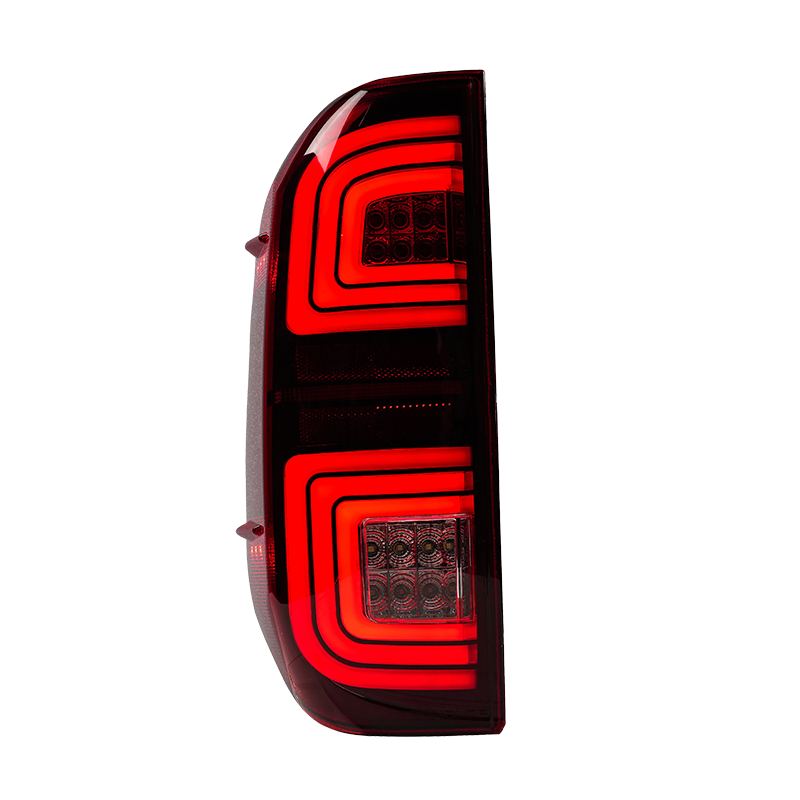
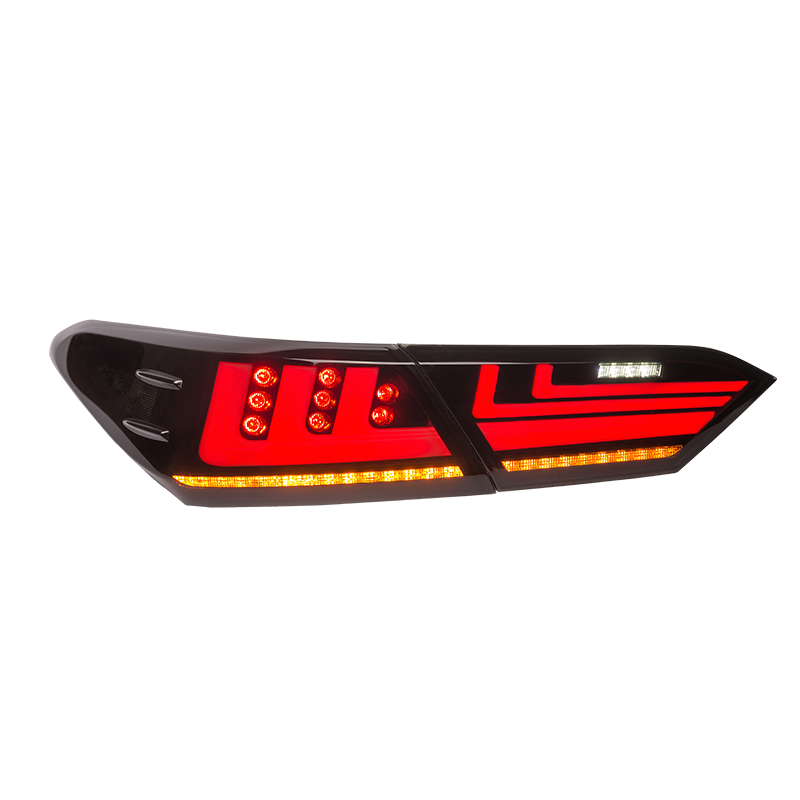
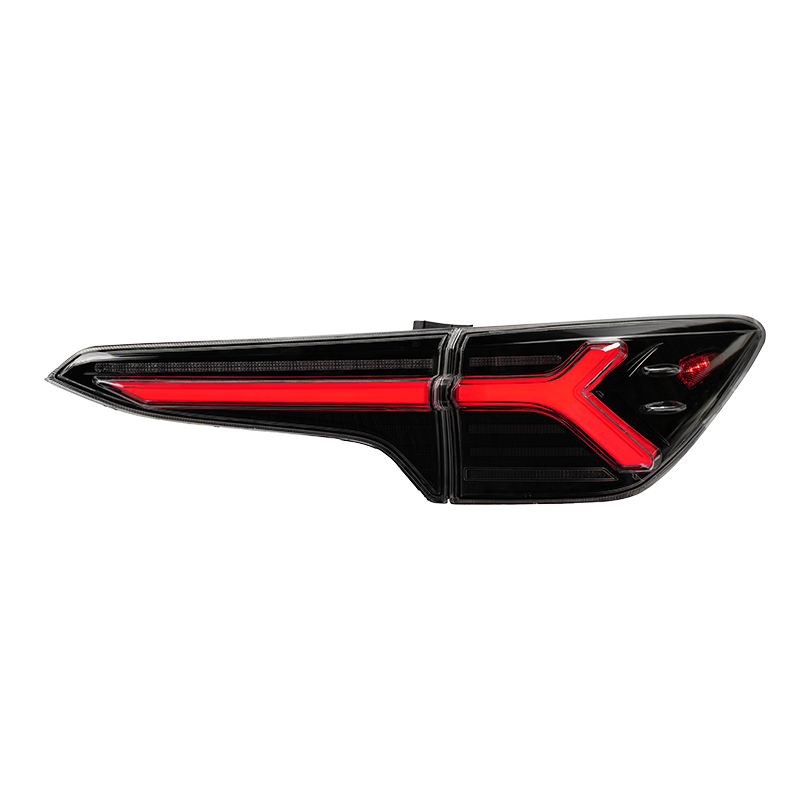
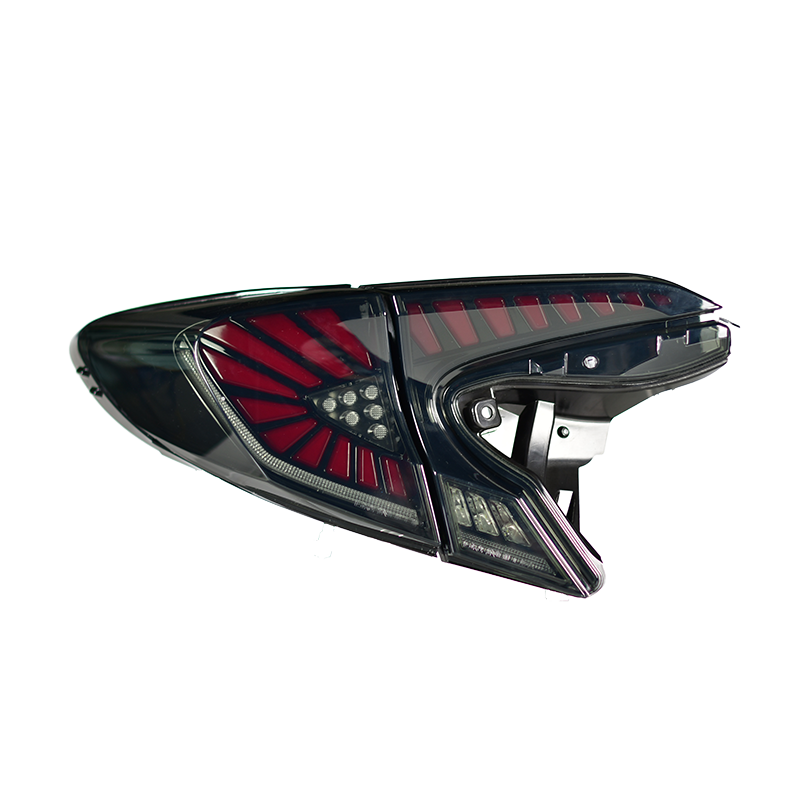
Dark tail lights started as a niche modification but are now widely accepted. Many people like the subtle, coordinated look, especially with black accents, smoked trims, or monochrome exteriors. Automakers are now including darker lamp designs in new models or optional styling packages. But darker rear assemblies don't just look different—they change how light leaves the lamp. Since tail lights are meant to communicate with other drivers, changes in brightness, color, and diffusion can affect reaction times and road predictability.
This trend has pushed the whole supply chain to adapt, from material prep to molding, optical design, and quality control. Meeting both performance and style has become a key challenge.
Automotive lighting is evolving fast. LED modules, smart signal systems, and unique styling elements are now the norm. Tail lights aren't just safety devices—they're part of a car's identity. Horizontal strips, 3D optics, and sculpted lenses help make each model recognizable.
Dark finishes have naturally followed these trends. In places like North America, Europe, and East Asia, customization culture is booming. Aftermarket mods often come with sport packages, off-road trims, or performance accents, pushing rear lights toward darker styles.
Many car owners and independent modifiers want tail lights that match current style trends. The aftermarket has grown to offer darkened assemblies of all quality levels. Some use professionally molded, UV-stabilized lenses. Others rely on thin tint films applied over factory lights.
While this growth increases choice, it also creates challenges. Optical performance, reliability, and legal compliance can vary a lot. Regulators are paying close attention to these differences.
Suppliers now have to handle high demand while meeting safety standards. Darker lenses naturally reduce light transmission, so advanced optical design, brighter LEDs, and better diffusion are critical. Manufacturers invest in materials, photometric testing, and long-term durability studies to meet both aesthetic and engineering needs.
Many people assume all dark tail lights are illegal or unsafe. That's not true. Properly engineered darker lights can meet regulations. Problems occur when modifications reduce visibility below allowed limits or change the color of the light.
For instance, a lightly smoked lens that keeps the right color and brightness may be fully legal. But a heavy tint film over a factory lamp can block too much light and fail compliance.
Suppliers increasingly provide photometric test reports, spectroradiometric charts, or certification labels. These help distributors, installers, and inspectors confirm performance. Controlled testing ensures darker designs don't compromise mandatory safety standards.
Dark rear assemblies change how light interacts with the lamp. Designers need to consider several optical factors.
Darker lenses reduce light transmission, sometimes by 10–60%, depending on pigment or film thickness. Engineers compensate by:
LEDs produce directional, focused beams. Dark covers can cause:
Suppliers use micro-structured optics, frosted layers, and multi-angle diffusers to solve these issues.
Visibility drops the most in:
Darker lenses generally perform worse in these conditions unless the optics are carefully tuned.
Suppliers check:
Testing ensures the darker look doesn't compromise safety.
Comparison of Key Optical Factors Before and After Switching to Dark Tail Lights
| Factor | Standard Tail Lights | Dark Tail Lights (Well-Engineered) | Dark Tail Lights (Low-Quality) |
|---|---|---|---|
| Light Transmission | High | Medium but controlled | Low, inconsistent |
| LED Diffusion | Uniform | Tuned for darker lens | Hotspots common |
| Visibility in Fog/Rain | Strong | Slightly reduced but acceptable | Significantly reduced |
| Chromaticity Accuracy | Stable | Stable with correct materials | Distorted toward brown/dull red |
| UV Resistance | High | High with coatings | Prone to discoloration |
| Compliance Reliability | Consistent | Requires testing | High failure rate |
Rear lamp lenses are usually made from a couple of common plastics:
When making dark lenses, pigments are often mixed directly into the resin so that the color stays consistent over time and doesn't fade unevenly.
Pigments have to:
Inorganic pigments are generally preferred because they're more durable. Organic dyes, on the other hand, tend to break down faster.
Rear lamps are exposed to a lot of sunlight every day, and the LEDs inside also produce heat while they're running. Dark pigments in the lens absorb even more heat than clear ones, which can lead to a bunch of issues if the lens isn't designed properly. Without the right UV and heat stabilizers, the plastic can start to show problems over time. You might see the lens slowly turning yellow, or the shape warping slightly. It can even become brittle, making it easier to crack if it's hit or stressed. Tiny surface cracks can also appear, which not only affect how the lamp looks but can reduce its overall strength and clarity.
Because of this, engineers and suppliers spend a lot of time making sure the plastic can handle both the heat from the sun and the heat generated by the LEDs inside the lamp. Proper additives and stabilizers are mixed into the resin, and testing is done under simulated sunlight and high temperatures to make sure the lenses stay clear and strong over the years.
A lot of people try aftermarket tint films to get that dark, stylish look. The problem is, those films usually don't last as long as factory-tinted lenses. They can peel, bubble, or crack after some time, especially when exposed to heat and sunlight. That can make the lens look uneven, reduce clarity, and even affect how the light is transmitted.
Lenses that are tinted directly in the factory, or have the pigment integrated into the resin or coatings during production, generally hold up much better. They keep their color, stay clear, and perform more reliably over time. So while aftermarket films can be a quick and cheap option, integrally tinted or factory-coated lenses are almost always a better choice if you want long-term durability and consistent optical performance.
High-tonnage injection molding machines are used to shape the lenses. The temperature and resin mix are closely controlled. It's important that the pigment is evenly distributed so the color looks consistent across the whole lens.
Engineers simulate how light travels inside the lens and adjust things like:
This helps ensure that even with a darker lens, the light output still meets requirements.
Modern coating lines apply:
The coatings are cured with UV or heat to make them more durable.
Suppliers usually test for:
Suppliers are constantly improving their processes, for example:
These innovations make it possible to combine stylish dark looks with reliable performance and long-term safety.
Brake lights rely on contrast and brightness to signal intentions clearly. Dark lenses change both of these, even when designed carefully. Studies show that drivers react faster when brake lights stand out clearly from the background. Darkened lenses absorb more light, reducing contrast, which can slow recognition.
The effect is most noticeable during the day. In bright sunlight, heavily tinted lenses can make brake lights look faint or washed out. Engineers try to compensate with better optics and brighter LEDs, but the safety margin is smaller than with standard lenses.
Fog, rain, or snow scatters light, making it harder to see. If the lens is dark and already absorbs some light, the signal can appear weaker from a distance. Since rear lights communicate with other drivers, this reduced visibility can be a real safety concern.
At night, darker lenses usually perform fine because the surrounding darkness increases contrast. But low-quality dark lenses, especially those made from films or uneven coatings, may cause uneven lighting, which can confuse other drivers.
Regulations specify exact colors because drivers depend on them to distinguish between brake, tail, and turn signals. Poorly formulated pigments can shift toward brown or maroon, reducing visibility and slowing reaction times. In high-speed traffic, even a small delay can increase the risk of accidents.
Many regions check brake light brightness and color during inspections. Cars with very dark modifications can fail and may need lenses or films replaced. Insurance reports in some markets also note cases where non-compliant dark rear lights contributed to accidents. This has made regulators stricter in some areas.
Switching to darker rear assemblies isn't just about looks. Vehicle owners need to think about compatibility, maintenance, safety, and how well the setup will hold up over time.
Modern cars often use LED modules with built-in drivers, CAN-bus monitoring, and load detection systems. Adding darker lenses can reduce perceived brightness, which might trigger warnings or error messages. Some vehicles can adjust automatically using pulse-width modulation, while others may need recalibration. Knowing how your car's electrical system responds helps avoid surprises like dashboard alerts or uneven dimming.
Not all dark tail lights are made the same. High-quality assemblies go through photometric testing and use integrally tinted materials that keep clarity intact. Cheaper options—like peel-on tint films—can bubble, fade, or distort the light pattern, especially if applied in dusty or humid conditions, or if the adhesive doesn't handle heat well.
Consumers should check:
A well-engineered product will look good without compromising safety.
Dark housings show scratches more easily than clear ones. Using rough cloths or abrasive cleaners can damage coatings, causing haze. Once small scratches form, light scatters more and the lamp may look cloudy.
Recommended care includes:
All rear lamps face temperature changes, which can let moisture build up inside. On dark lenses, condensation is more noticeable, so drivers often see fogging sooner. High-quality assemblies use strong seals, breathable membranes, and drainage pathways to prevent chronic moisture problems.
Changing factory lighting may void certain warranties. Some automakers specify that aftermarket modifications affecting required lighting aren't covered. Always check warranty terms, especially on new vehicles or models with integrated LED systems, where replacements can be expensive.
The popularity of darker rear assemblies gets different reactions from designers, engineers, safety researchers, and inspectors. Each sees the trend differently, and together they shape how the industry responds.
Designers like the visual consistency darker housings provide. Tail lights are part of a car's identity, and darker lenses can make the transition between lit and unlit areas look smoother, enhancing the car's shape. But they also know that darker designs require close teamwork with engineers to make sure signals remain clear.
Engineers deal with the toughest challenges. Dark lenses absorb more light, creating thermal stress and reducing optical margins. They need advanced reflector designs and precise simulations to make sure the lights work under all conditions. Good engineering is key to making darker designs both stylish and safe.
Safety experts focus on how drivers react. Dark housings can slow response times for following drivers, especially in busy city traffic. Well-engineered products can reduce the risk, but cutting light output for style always carries some caution.
Inspectors often see problems with heavily tinted films or off-brand units that don't meet color requirements. Non-compliant installations can complicate enforcement and accident investigations. Some countries have campaigns to limit unsafe aftermarket mods, making the distinction between safe and unsafe darker designs clearer.
Suppliers feel pressure to balance style, compliance, and durability. They're investing in environmental chambers, spectrometers, and photometric tunnels to keep up with trends. As styling evolves, the focus may shift from pure dark aesthetics to materials that achieve a darker look without compromising performance.
More automakers are including darker lenses in factory trims. These units are fully tested, compliant, and paired with optimized LEDs and coatings. Over time, this may reduce the need for aftermarket darkening as consumers favor factory reliability.
Future tail lights might adjust brightness depending on conditions. Smart modules could even communicate with nearby vehicles, turning tail lamps from passive indicators into active safety tools.
Research is producing polymers that look dark when off but transmit more light when on. New pigments, nano coatings, and directional optics can let tail lights appear nearly black from the outside while keeping brightness high.
Suppliers are exploring recyclable materials, solvent-free coatings, and energy-efficient production. Bio-based plastics and low-impact pigments may maintain performance while reducing environmental footprint.
As darker designs become more common, regulators may update standards. This could include new brightness ranges for LEDs, stricter testing for tinted assemblies, and clearer rules separating safe style mods from unsafe ones.
The move toward darker rear assemblies reflects bigger changes in car design, consumer taste, and manufacturing technology. They look good, but owners and engineers need to consider optics, durability, electrical compatibility, and regulations. Safety always comes first, and careful engineering is critical when light transmission is reduced.
Suppliers, including companies like Taizhou Baozhiwei Vehicle Industry Co., Ltd., are refining materials and production methods to balance style with performance. Automakers are integrating these housings into new models, and researchers are developing lighting technologies that keep visibility high without sacrificing design. In the end, well-informed consumers, skilled engineers, and vigilant regulators all play a part in making sure darker rear lighting grows in a responsible, safe way.
We are a modern headlight manufacturer that integrates R&D, design, production and sales. We mainly produce headlamps, taillights, daytime running lights and other automotive lighting products.
Add: No.3 Shiyang Road, Ningxi Town, Huangyan District, Taizhou City, Zhejiang Province, China
Tel: +86-13105675552 / +86-15606586299
Fax: +86-576-89161556
E-mail: [email protected]
Copyright © Taizhou Baozhiwei Vehicle Industry Co.,Ltd. All Rights Reserved.

 English
 русский
 Español