Call us

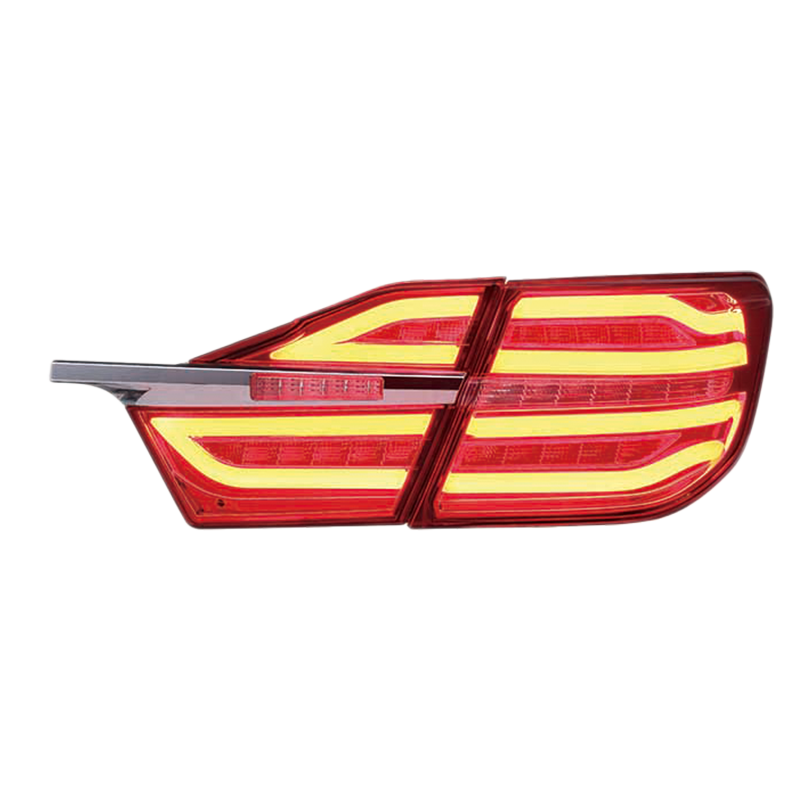
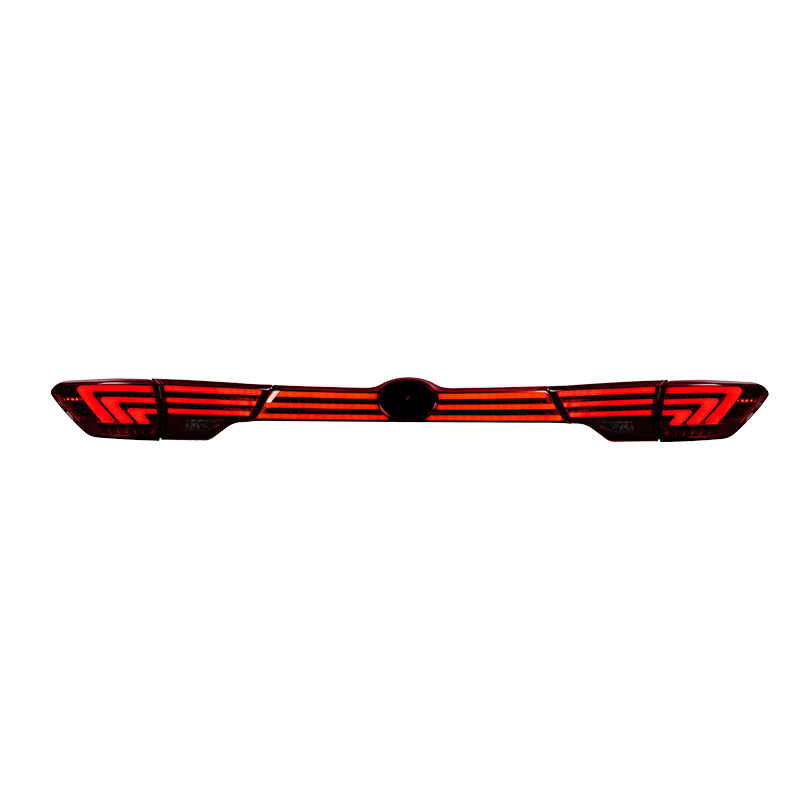
You walk up to your car on a damp morning and see fog inside the tail lamp. Maybe it rained last night, maybe you just came through a car wash, maybe it's been sitting outside through a temperature swing. Either way—cloudy lens, little water droplets. Most people assume the lamp is leaking. Sometimes it is. Often it isn't.
Temporary fogging happens because of temperature and humidity changes. Normal stuff. But persistent moisture or actual water sloshing around inside the housing? That's worth a closer look. Could be a sealing issue, a ventilation problem, or something structurally wrong.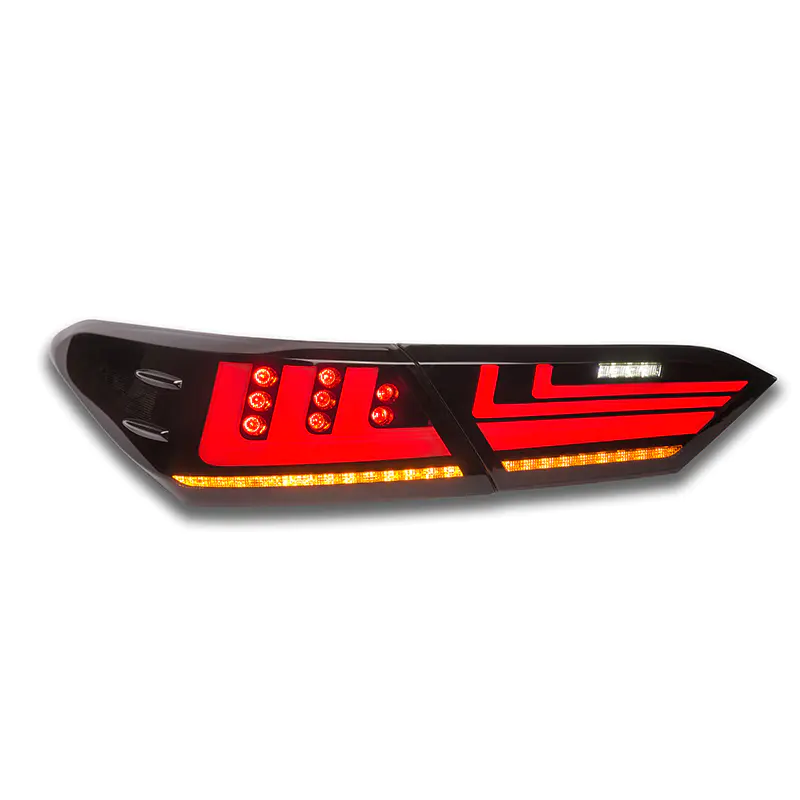
Temperature Changes Cause Condensation
Air holds water vapor. When moist air inside a tail lamp hits a surface colder than its dew point, vapor turns into droplets. Same process that fogs up your windows in winter.
Tail lamps go through constant temperature swings. Internal components warm up during operation. The lens cools fast when the vehicle is parked outside or hit by rain. Moisture can show up on the inside of the lens even when the assembly is working exactly as designed.
Light mist that fades as temperatures stabilize? Usually fine. How much moisture, how long it sticks around, what the manufacturer says—those determine whether you need to dig deeper.
Why Vehicle Tail Lamps Need Ventilation
Many modern tail lamps have ventilation openings or pressure-equalization features. These manage pressure changes as internal air warms and cools. Air expands when heated. Contracts when cooled. Internal pressure shifts. A properly designed vent system handles that while limiting liquid water and contaminants entering.
Ventilation also lets moisture vapor escape over time. But block a vent with dirt, mud, wax, debris—moisture stays inside longer than expected. Sealing ventilation openings to stop fogging? Not a real fix. It interferes with pressure equalization and creates other problems. Keep the intended ventilation clear. Follow the manufacturer's maintenance recommendations.
Common Causes of Excessive Condensation
Persistent condensation can point to a problem with the lamp assembly, its installation, or environmental protection.
Common causes:
Identify the actual cause. Replacing a gasket won't fix a cracked lens. Cleaning a vent won't correct a damaged housing. Proper inspection determines the right repair.
How to Distinguish Normal Fogging From a Defect
The carmaker's manual probably has something to say about it. Not all manuals are helpful, but it's a start. Some manufacturers provide specific guidance on acceptable condensation levels.
| Observation | Possible cause | Recommended action |
|---|---|---|
| Light mist after rain or temperature changes | Temporary condensation | Monitor whether it clears |
| Fogging disappears as the lamp warms | Normal moisture evaporation | Follow the vehicle manual |
| Condensation repeatedly persists | Ventilation or sealing problem | Arrange an inspection |
| Large droplets or standing water | Significant moisture ingress | Have the assembly checked promptly |
| Visible cracks, corrosion, or flickering lights | Physical or electrical damage | Seek professional assessment |
Standing water, recurring heavy moisture, intermittent lighting—don't dismiss those as normal fogging. They're not.
Practical Ways to Prevent and Resolve Condensation
Light, temporary fogging? The moisture may disappear naturally as the temperature stabilizes. Persistent condensation? Closer examination needed.
Inspect the lens and housing for cracks, impact marks, loose fasteners, visible gaps. Check that designed ventilation openings aren't obstructed. Follow manufacturer instructions. If the lamp was recently removed or replaced, verify it's seated correctly and seals and connectors are installed properly.
Electrical symptoms deserve attention too. Corrosion, flickering, intermittent operation—moisture may have reached electrical contacts. Water accumulated inside the housing? Arrange an inspection before damage spreads.
Don't drill holes. Don't apply unapproved sealants. Don't use excessive heat to dry the assembly. Those methods damage materials, interfere with ventilation, compromise water resistance. A cracked housing or failed bonded joint may need replacement or a manufacturer-approved repair. Simple as that.
How Automotive Manufacturers Reduce Condensation Problems
Condensation control starts during product design and continues through manufacturing and quality inspection. Housing geometry, lens materials, bonding methods, gasket compression, vent placement—they all influence how a tail lamp manages moisture.
Manufacturers can evaluate performance through temperature cycling, humidity exposure, water spray testing. Applicable ingress protection tests assess resistance to water and contaminants under defined conditions. Production quality checks verify vent installation, sealing surfaces, bonding consistency, assembly accuracy. These controls catch defects before the product reaches the vehicle manufacturer or end user.
For buyers sourcing a vehicle tail lamp, useful questions: How is the housing sealed? How is pressure equalization managed? What environmental testing does the supplier perform? Documented quality procedures and traceability add evidence of manufacturing consistency.
Keep Your Vehicle Tail Lamp Clear and Reliable
Condensation forms when moist air inside a tail lamp hits a surface below the air's dew point. Brief fogging can be normal. Persistent droplets, standing water, visible damage, electrical problems—those may indicate a genuine defect.
Understanding the cause helps vehicle owners decide when monitoring is enough and when to call a professional. For manufacturers and suppliers, reliable sealing, appropriate ventilation, thorough environmental testing—essential for maintaining lighting performance through changing weather. A tail lamp that fogs up now and then is normal. One that holds water, flickers, or shows cracks is trying to tell you something.
We are a modern headlight manufacturer that integrates R&D, design, production and sales. We mainly produce headlamps, taillights, daytime running lights and other automotive lighting products.
Add: No.3 Shiyang Road, Ningxi Town, Huangyan District, Taizhou City, Zhejiang Province, China
Tel: +86-13105675552 / +86-15606586299
Fax: +86-576-89161556
E-mail: [email protected]
Copyright © Taizhou Baozhiwei Vehicle Industry Co.,Ltd. All Rights Reserved.

 English
 русский
 Español