Call us

Anyone standing behind a new electric vehicle at a stoplight has probably noticed the tail lights doing more than just flashing red. A thin light bar might trace the entire width of the trunk, animations might sweep across during a lock or unlock sequence, and the whole assembly might sit flush with body panels in a way that older cars rarely managed. None of that happens by accident, and none of it happens late in the design process anymore.
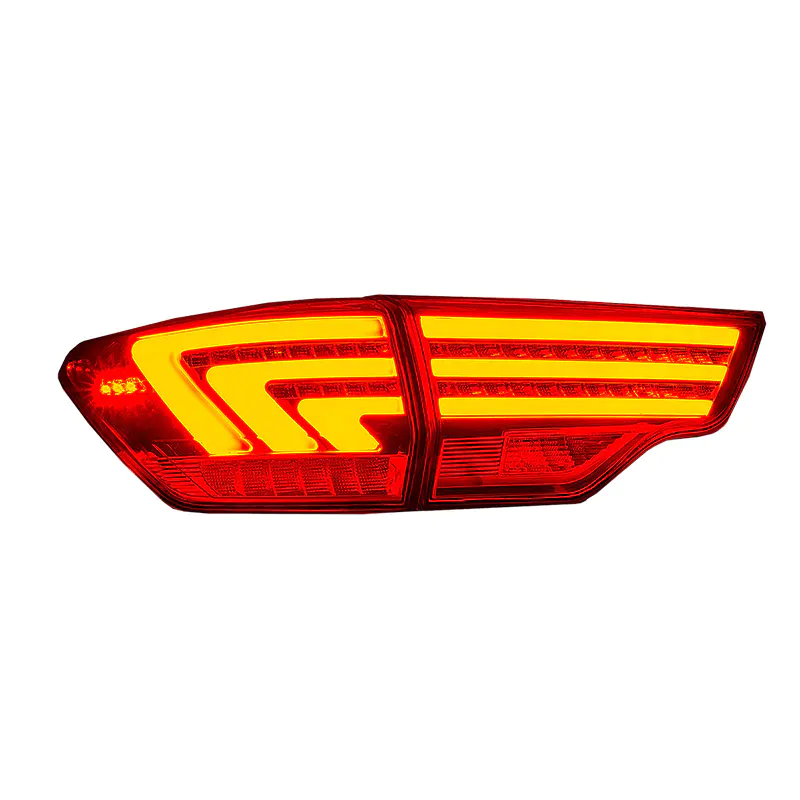
Tail lights used to arrive near the end of a vehicle project, bolted onto a body that was already mostly finished. On many new platforms today, especially electric ones, the lighting conversation starts much earlier, alongside decisions about battery packaging, body panel shape, and the vehicle's electronic architecture. That shift changes how suppliers think about everything from housing shape to waterproofing to how the lamp talks to the rest of the car.
Electric platforms free designers from packaging around an engine, exhaust system, and fuel tank at the rear of the car. That freedom shows up directly in how much room stylists have to reshape the back end, and tail lights end up caught in the middle of that reshaping.
A lighting assembly built for a traditional sedan rear end might not translate well onto a vehicle where the whole tailgate curves differently or where a body-wide light bar has become part of the brand's visual signature.
| Vehicle Platform Change | Likely Lighting Requirement |
|---|---|
| New rear body layout | Housing shaped to match unfamiliar curves |
| Simplified exterior styling | Cleaner, less cluttered lighting integration |
| Connected electronic systems | Closer coordination with vehicle software |
| Different body proportions | Mounting arrangements that flex to fit |
| Software-defined features | Lighting behavior that can update or vary |
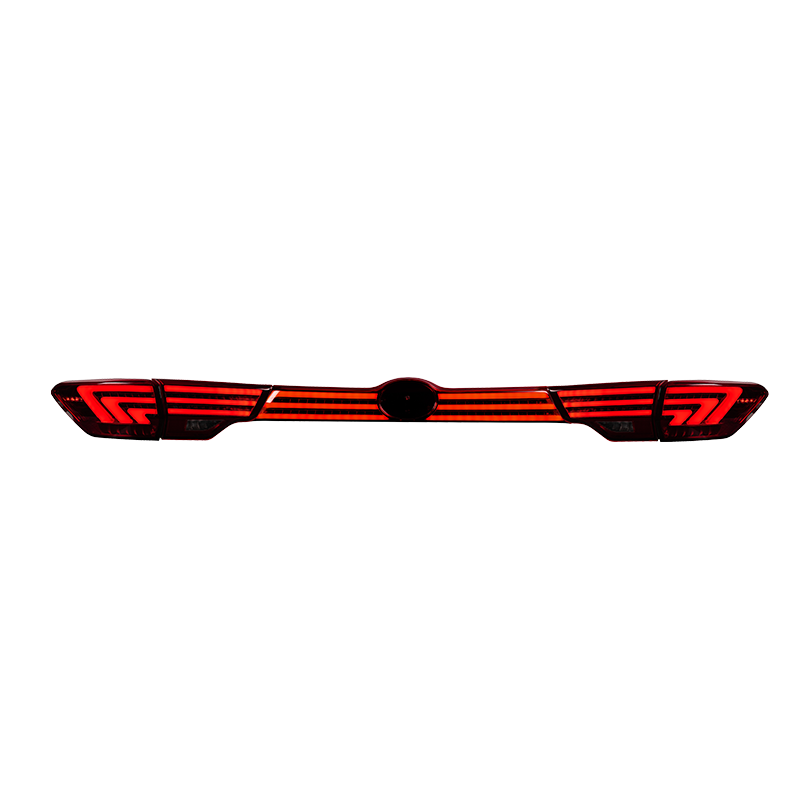
The rear light cluster is also doing double duty as a styling element now, not just a functional part bolted onto the back panel. Some designs stretch the light across the entire rear width so it reads as one continuous line rather than two separate lamps sitting on either side of a badge.
That kind of integration means stylists and lighting engineers end up in the same conversation much earlier than they used to. A lamp that fit nicely on one platform might need real changes the moment the body structure, mounting position, or wiring layout shifts on the next model, even within the same manufacturer's lineup.
The vehicle platform quietly dictates a lot about where a tail light can actually go. Wiring routes, control units, body panel seams, and mounting brackets are all decided as part of the platform itself, and the lamp has to fit inside whatever boundaries that creates.
A shift in the rear body structure, even a modest one, can ripple through the lamp's shape, how it bolts on, where the wiring harness runs, and how much physical space is left to work with.
Manufacturers increasingly build several models off shared platform architecture, which means a lighting supplier might need one design family that flexes across multiple vehicle shapes rather than starting from a blank sheet every time.
A few areas tend to carry most of that flexibility:
This matters most to manufacturers running multiple models off one shared platform strategy. The lighting family can keep its core engineering intact while still adjusting enough to fit each vehicle's particular rear-end geometry.
A tail light's shape genuinely changes how the back of a car reads to someone standing behind it. Stretch a light across the full width of the trunk, and the car suddenly looks wider. Layer several light elements at different depths, and the rear end picks up a sense of dimension it wouldn't otherwise have.
Those styling choices work their way straight into engineering decisions, since the internal LEDs, light guides, reflective surfaces, and protective lens all have to be arranged to deliver whatever visual effect the stylist actually sketched.
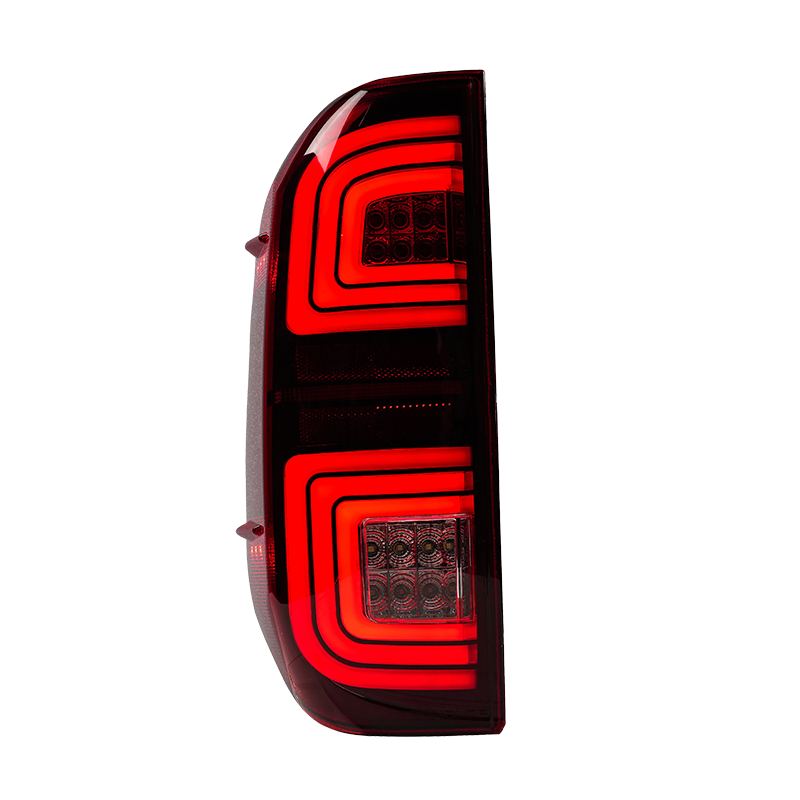
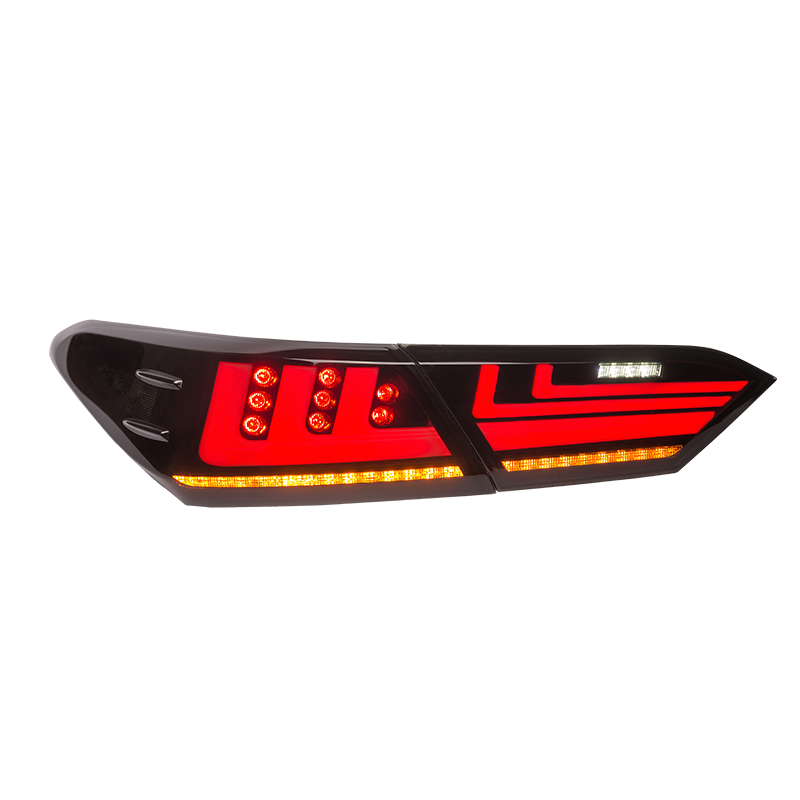
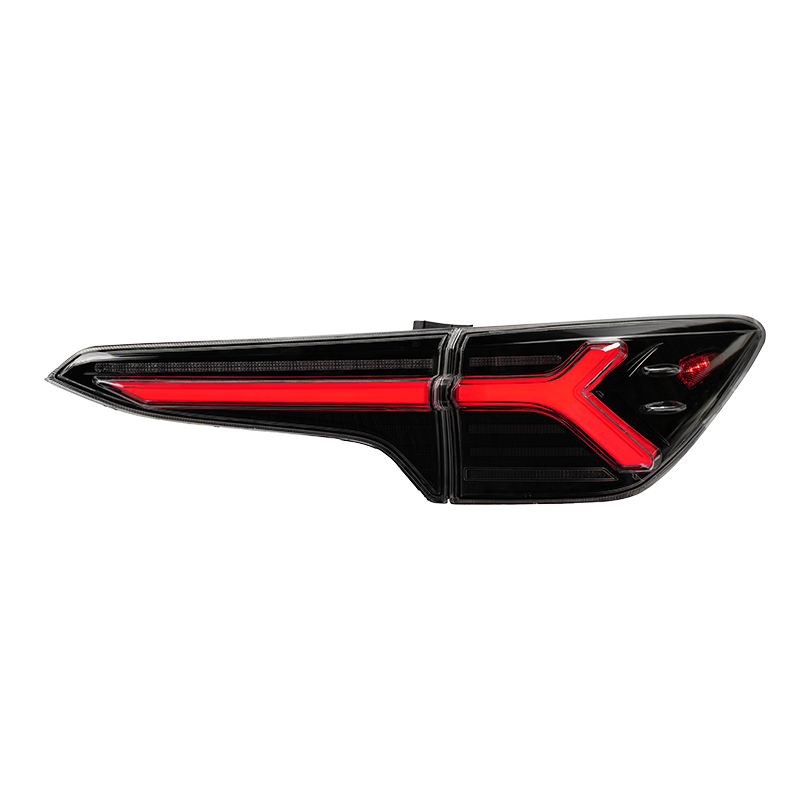
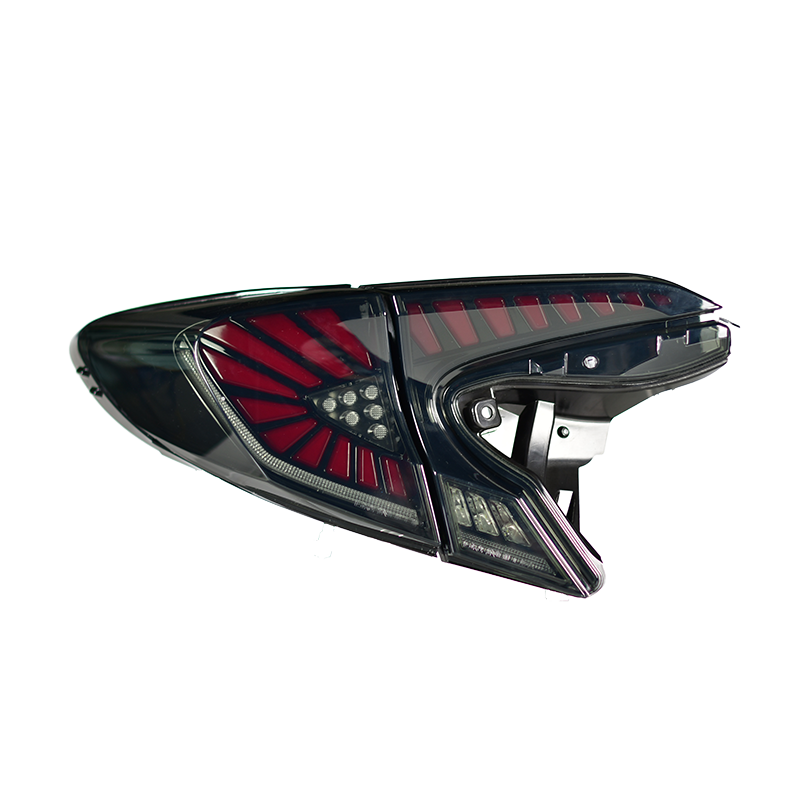
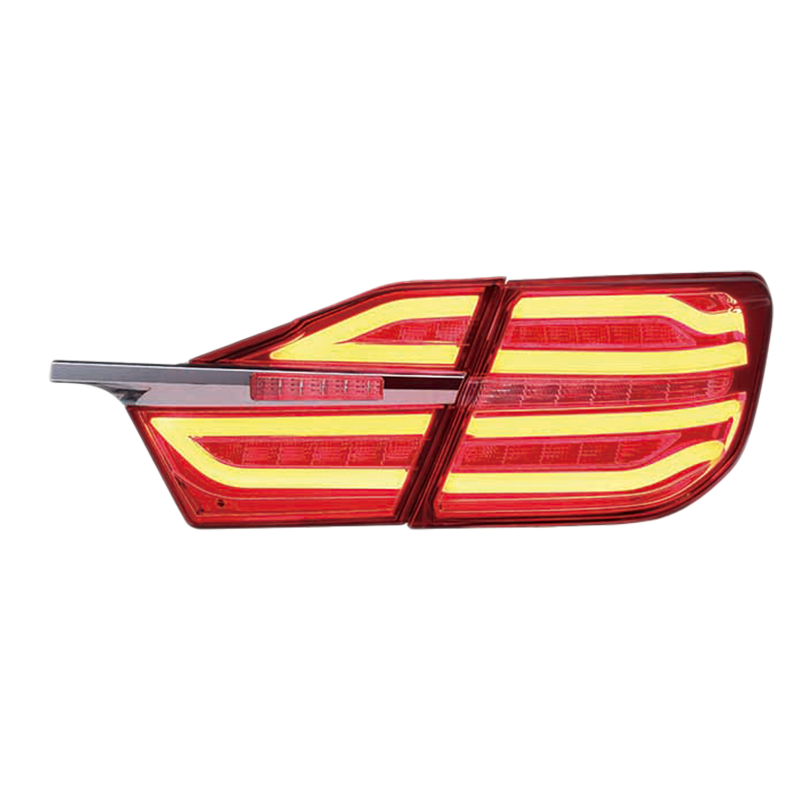
A Custom Car Led Tail Lights approach fits here because it starts from the vehicle's own rear-end shape rather than pulling a lamp off a shelf and hoping it fits reasonably well.
| Design Consideration | What Integration Actually Requires |
|---|---|
| Lamp shape | Following the body's contours closely |
| Light distribution | Keeping the visual effect even across the lamp |
| Mounting structure | Fitting whatever installation space is available |
| Lens design | Supporting the intended look without distortion |
| Wiring arrangement | Working cleanly within the vehicle's existing layout |
None of this can ignore the fact that the lamp still has to survive daily driving. Rain, road grit, temperature swings between a summer parking lot and a winter morning, and the general vibration of driving on real roads all put pressure on housing and sealing choices.
A lamp that looks striking on a design render still needs a structure that can handle actual weather and actual potholes, which is why styling teams, electronics engineers, and manufacturing specialists increasingly work through these decisions together rather than passing a finished sketch down the line.
Cars carry far more electronics now than they did even a decade ago, and tail lights have been pulled into that trend. A rear lamp might now handle several signaling roles at once, and software can influence exactly when and how certain lighting sequences play out, like a welcome animation when someone approaches with the key fob in their pocket.
This pulls lighting suppliers into a different kind of conversation than they used to have. Communication protocols, control logic, wiring architecture, and how the lamp reports its own condition back to the vehicle's diagnostic system all become part of the development process alongside the physical design.
| Intelligent Lighting Direction | What Developers Need to Consider |
|---|---|
| Electronic control | Working correctly with the vehicle's control units |
| Coordinated behavior | Consistent operation alongside other vehicle functions |
| Flexible functions | Supporting variations across different trims or models |
| Diagnostic reporting | Making it easier to spot a fault early |
| Software interaction | Cooperating cleanly with the vehicle's control software |
Not every vehicle needs an elaborate lighting sequence, and plenty of practical vehicles still run on straightforward switching logic without any of this complexity. What matters is that the option exists now, and it exists because the tail light has become part of the vehicle's broader electronic environment rather than a standalone bulb wired to a switch.
A tail light sits right where a car throws up the most road spray, catches the heaviest rain, and gets blasted by a pressure washer at least once during its life. None of that is forgiving toward a poorly sealed housing.
Moisture creeping into the assembly can affect the electronics inside and can also fog up the lens or discolor internal surfaces over time, which is exactly the kind of thing a customer notices and complains about.
A Waterproof LED Tail Lights design has to treat the housing, lens, seals, connectors, and assembly joints as one connected system rather than a checklist of separate parts.
| Area | What Needs Attention |
|---|---|
| Housing | Shielding the electronics inside from the elements |
| Lens connection | Controlling exactly where moisture might sneak in |
| Sealing areas | Keeping the whole enclosure genuinely closed |
| Electrical connectors | Protected against water intrusion at every joint |
| Assembly seams | Handled consistently during manufacturing |
Where the lamp sits on a particular platform can change what it's actually exposed to. A mounting position tucked slightly higher or lower, or angled differently than a previous model, can shift how much direct spray or standing water the lamp deals with during normal driving.
For OEM work, this means sealing decisions belong in the early design phase, not something bolted on after the housing shape has already been locked in. Even a well-designed seal only works if the assembly line actually applies it consistently, batch after batch, which brings manufacturing discipline into the same conversation as the engineering drawing.
As lighting gets pulled deeper into vehicle electronics, the working relationship between automakers and their lighting suppliers has to shift too. A Tail Light Manufacturer today is rarely just delivering a finished lamp housing; they're often coordinating mechanical fit, optical appearance, electronic compatibility, sealing, wiring, and repeatable assembly all at once.
That kind of scope tends to push communication earlier in the development timeline, since a change made on the automaker's side, even something as small as shifting a mounting bracket by a few millimeters, can ripple through the supplier's design in ways that are much cheaper to fix early than late.
| Development Area | What the Supplier Needs to Track |
|---|---|
| Mechanical design | How the lamp mounts onto the actual body structure |
| Optical design | The visual appearance and light spread the stylist wants |
| Electronics | Compatibility with the vehicle's control systems |
| Sealing | Matching whatever environmental exposure applies |
| Manufacturing | A production process that repeats reliably |
| Quality inspection | Catching inconsistency before it reaches the vehicle |
A small body panel adjustment on the automaker's end might quietly shift a mounting point on the supplier's end. An electronic architecture change might mean rethinking the internal wiring harness layout. Suppliers who can absorb these changes without derailing their own production schedule tend to fit more smoothly into a platform's overall timeline.
This doesn't mean every supplier handles every piece of this in-house. Some projects lean on straightforward component supply, others move toward deeper customization work, and some follow full OEM or ODM arrangements depending on what the automaker actually needs from that particular relationship.
Customization used to mean tweaking a lens color or adjusting a shape late in the process, almost as an afterthought once the engineering was already locked down. That's shifting toward customization decisions happening much earlier, woven into the platform's development rather than tacked onto the end of it.
A Custom Car Led Tail Lights project might touch the outer shape, the internal light arrangement, the lens finish, the mounting structure, or the electronic configuration, depending entirely on what the specific vehicle actually calls for.
The vehicle's intended use tends to drive which of these areas gets the most attention. A passenger car aimed at daily commuting might lean hardest into matching the body's styling lines cleanly. A work truck might care more about durability and straightforward field replacement than about a dramatic light signature. A performance-oriented model might chase a distinctive rear appearance that sets it apart visually from a more mainstream trim.
Smoked-out Headlights and Taillights offer a good example of how a purely visual preference reshapes engineering decisions elsewhere in the lamp. Darkening the lens changes how much light actually makes it through, so the internal LED arrangement often needs adjusting to keep the lamp meeting its intended brightness and signaling function despite the tinted cover sitting in front of it.
The design process ends up looking less like picking a color from a swatch and more like a chain of connected decisions: understand the body structure, figure out the available mounting space, build the housing around that space, arrange the internal lighting elements to hit the visual target, then coordinate the electronics and production process around all of it.
Vehicle platforms keep getting more adaptable, which is good news for lighting suppliers in terms of opportunity, but it also demands a more flexible way of working than simply designing one lamp per vehicle from scratch.
A Tail Light Manufacturer juggling several platforms at once needs a development process that can absorb changes in body shape, mounting position, visual styling, and electronic requirements without starting over every single time.
Reusing design concepts helps, but wholesale copy-paste rarely works cleanly, since every vehicle body brings its own space constraints, its own mounting geometry, and its own styling intentions. A more workable approach separates what genuinely needs to stay consistent from what has to flex from project to project.
| What Tends to Stay Consistent | What Tends to Flex Per Vehicle |
|---|---|
| Core production process | Outer housing shape |
| General electronic approach | Mounting arrangement |
| Inspection workflow | Lens appearance and finish |
| Material selection process | Internal lighting layout |
| Quality management method | Vehicle-specific wiring and configuration |
This kind of structured flexibility supports closer cooperation between automakers and suppliers as platforms evolve, and it changes the underlying question suppliers get asked. It's no longer just "does this lamp work on this one car." It's closer to "can this design family stretch across the next few related models without turning every one of them into a from-scratch engineering project."
As electric platforms keep blending exterior styling with deeper electronic integration, tail lights are settling into a role much closer to the vehicle's core systems than they used to occupy. Getting that right now means treating physical fit, visual coordination, weather protection, electronic communication, and manufacturing consistency as pieces of one connected development process, not a checklist to work through one item at a time.
We are a modern headlight manufacturer that integrates R&D, design, production and sales. We mainly produce headlamps, taillights, daytime running lights and other automotive lighting products.
Add: No.3 Shiyang Road, Ningxi Town, Huangyan District, Taizhou City, Zhejiang Province, China
Tel: +86-13105675552 / +86-15606586299
Fax: +86-576-89161556
E-mail: [email protected]
Copyright © Taizhou Baozhiwei Vehicle Industry Co.,Ltd. All Rights Reserved.

 English
 русский
 Español