Call us

Vehicle lighting has to do two jobs at once, and both matter equally. It helps the driver actually see the road ahead, while also letting other drivers recognize where the vehicle is, which way it's heading, and whether it's braking.
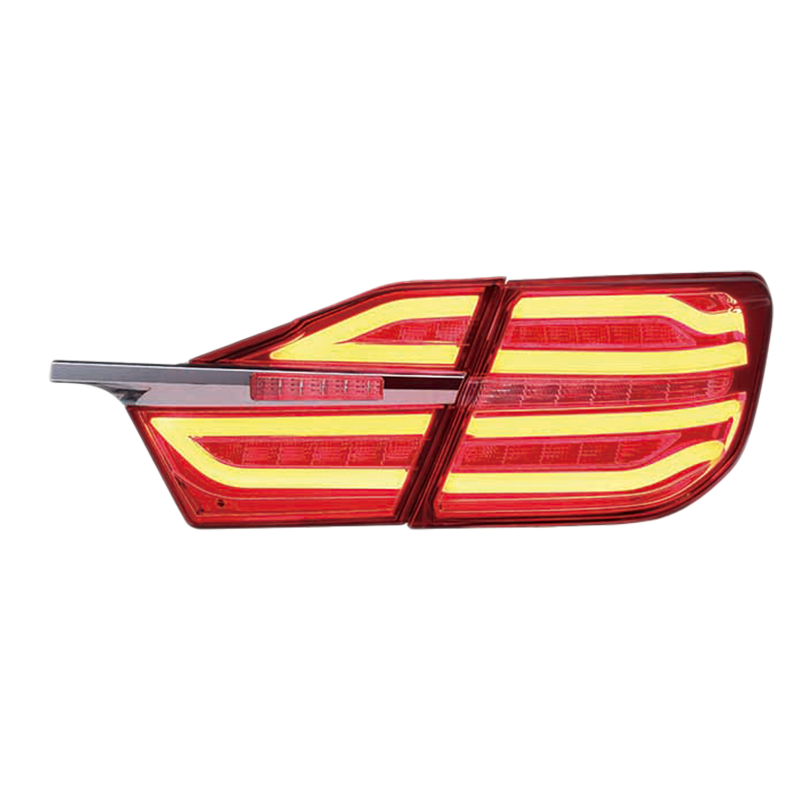
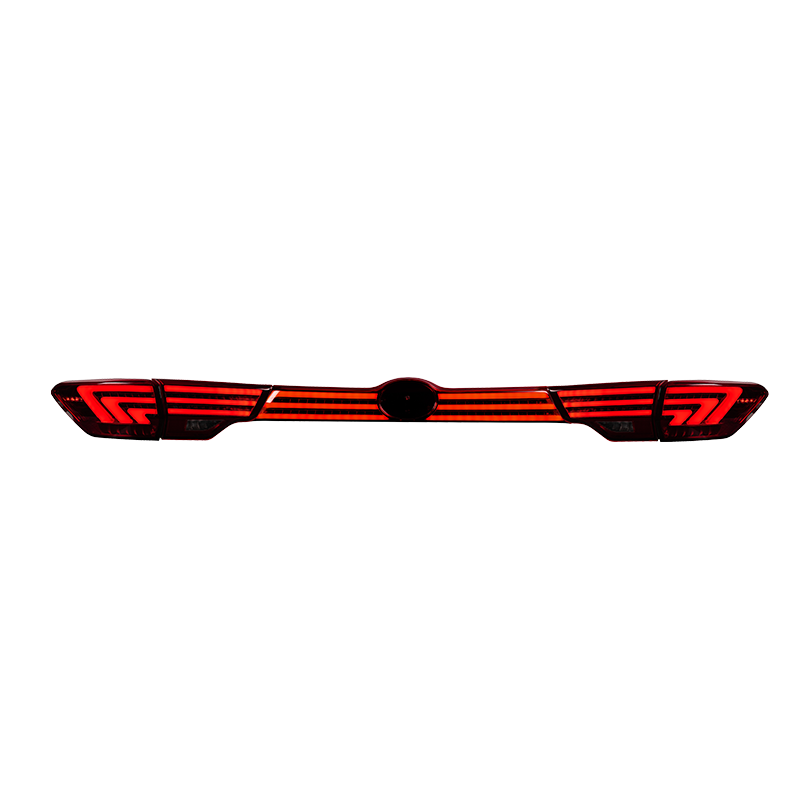
Smoked headlights and taillights change how these areas look by adding a darker visual treatment over them. That can give a car a more personalized look in a driveway, but it also raises a practical question: how does a darker appearance change the light that actually reaches other drivers?
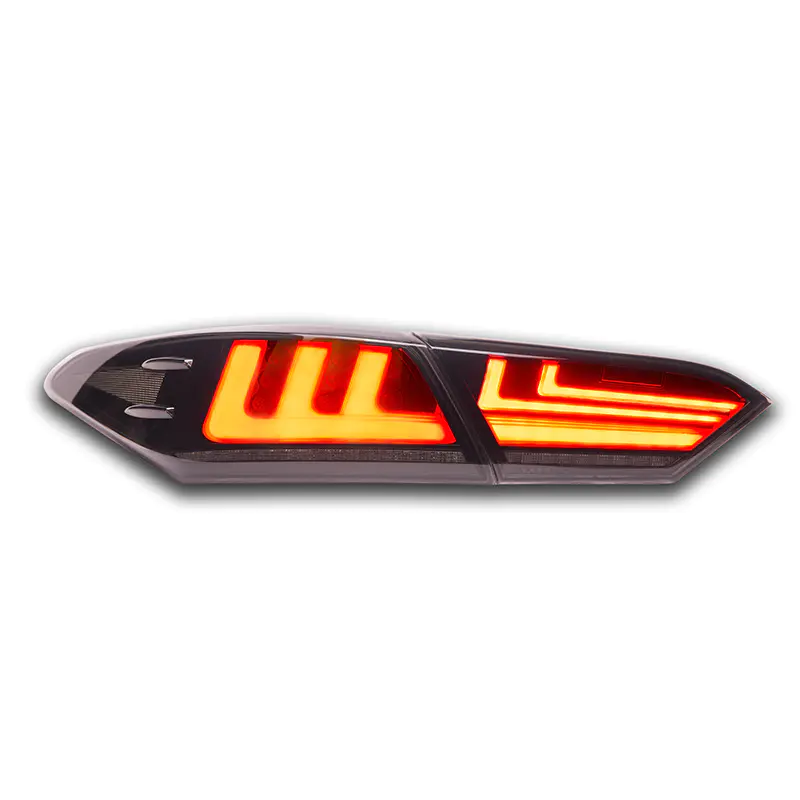
The answer depends on how the smoked treatment was made and how the lighting assembly underneath it was designed. Shade, covering material, lamp structure, and the relationship between the light source and the outer surfa ce all play into the final result.
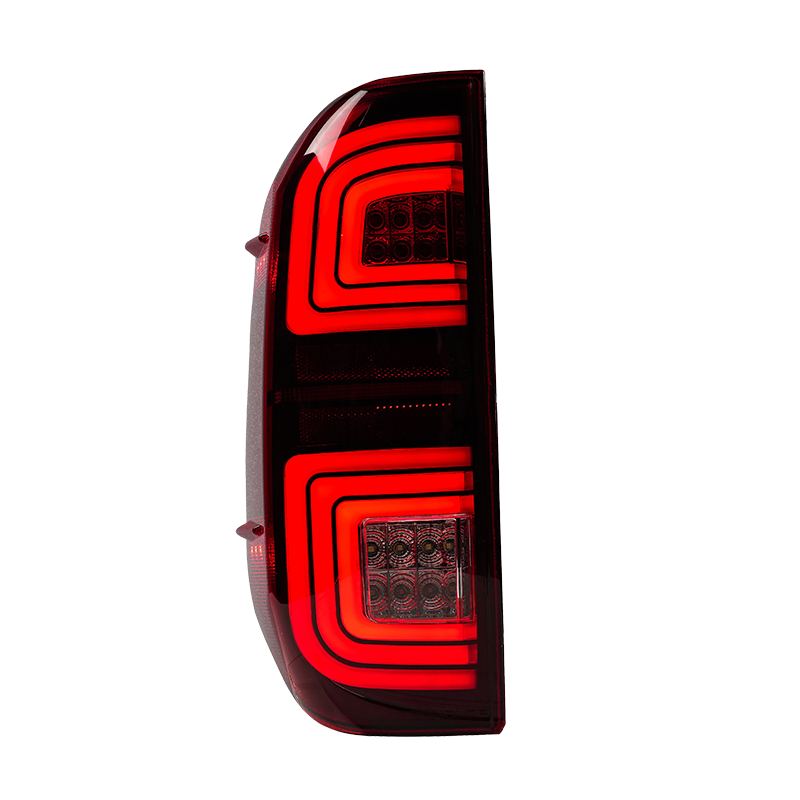
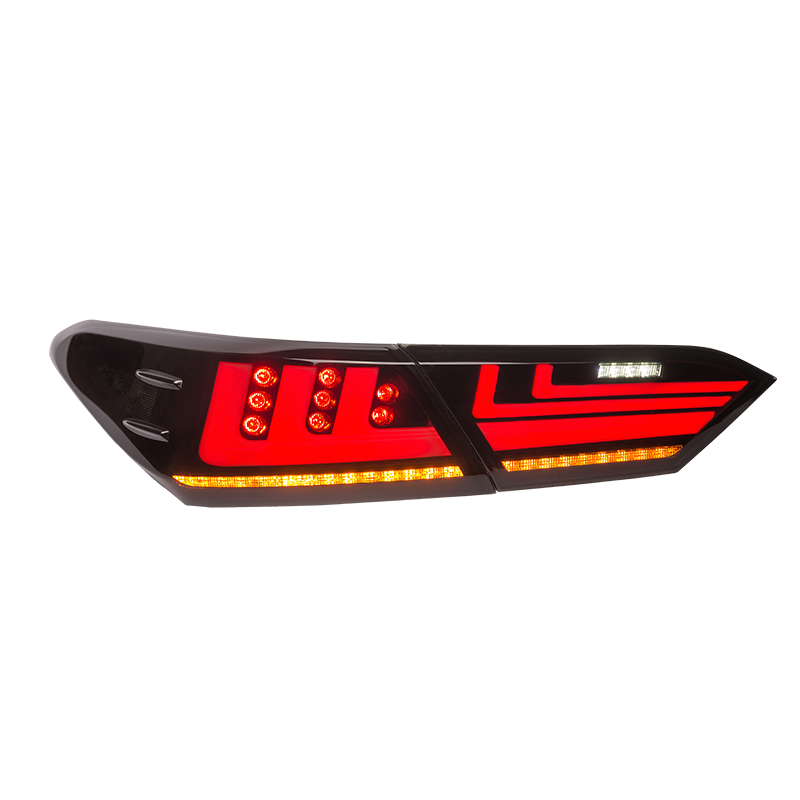
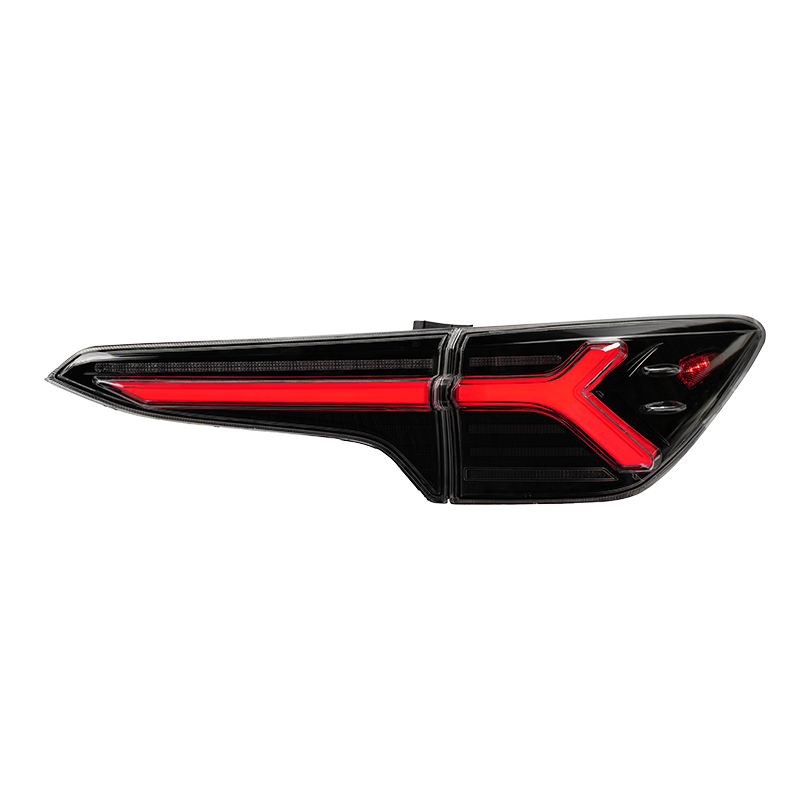
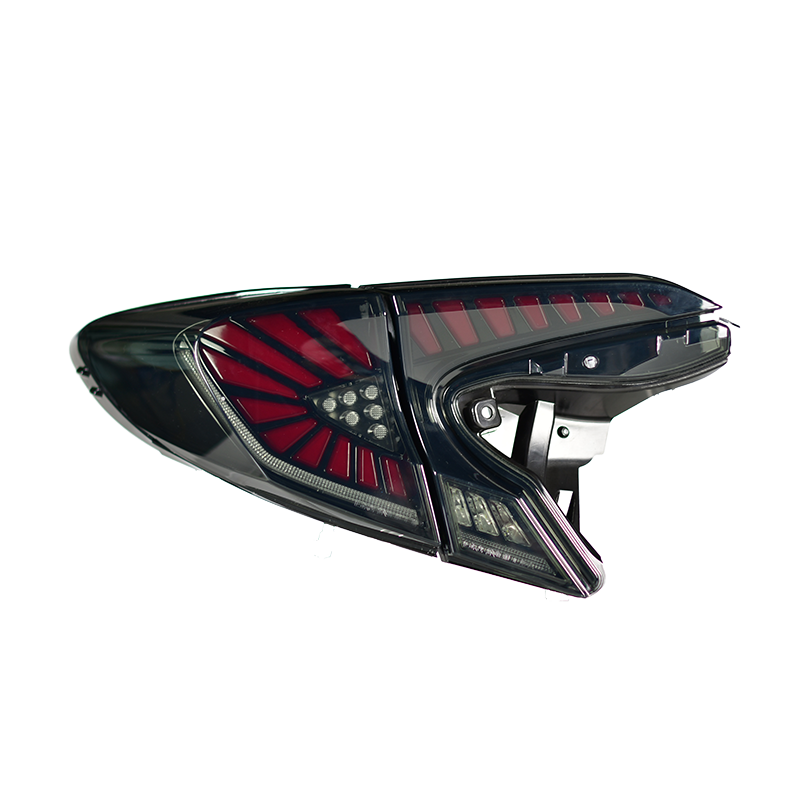
That makes smoked lighting more than a styling choice made at a body shop. For manufacturers, installers, and vehicle owners alike, visibility needs to stay part of the conversation around products like Custom Car Led Tail Lights or Smoked-out Headlights and Tail Lights, not an afterthought once the look is decided.
A smoked light simply looks darker than a clear or lightly tinted lighting surface. That darker look can come from the outer lens material itself, a coating applied over it, a film layered on top, or some other design treatment, depending on the specific product.
When the outer surface gets darker, less light tends to pass through it toward the road. How much visible light actually makes it out depends on the relationship between that treatment and the lighting assembly it's sitting on top of.
| Design Factor | Possible Effect on Visibility |
|---|---|
| Lens appearance | Changes how bright the lamp looks |
| Smoked treatment | Can affect how much light passes outward |
| Light source | Determines the illumination produced inside |
| Lens construction | Affects how light spreads out |
| Surface condition | Can change how the emitted light looks over time |
A darker appearance doesn't automatically make a lamp unsuitable for road use. What matters is the complete lighting design, including how the light source, lens, and outer treatment actually work together once installed.
The same basic idea applies to headlights and taillights alike, even though their jobs differ. Because the functions aren't identical, the effect of a smoked treatment needs to get weighed differently depending on which lamp it's applied to, and a design built mainly for visual customization shouldn't get evaluated separately from whether it still does its lighting job on the road.
Headlights exist to light up the area in front of the vehicle as it moves. Their usefulness comes down to both how much light gets produced and how that light spreads across the road ahead.
Adding a smoked appearance can reduce how much light passes through the outer surface. A darker treatment might look understated when the lamp is switched off in a parking lot, but the actual lighting function only shows itself once the lamp is turned on and working.
That relationship plays out across a few design elements.
| Headlight Element | Practical Consideration |
|---|---|
| Light source | Provides the illumination itself |
| Outer lens | Protects and shapes the light |
| Smoked finish | Changes how the lamp looks visually |
| Reflective interior | Helps direct light where it's needed |
| Installation position | Shapes the area that actually gets lit |
Because of all this, a smoked headlight is worth thinking of as a complete assembly rather than just a dark-colored cover on a stock lamp. The design needs to let the lighting function stay visible under normal driving conditions, which matters even more when a vehicle gets driven in low light or in weather that's already cutting down on visibility.
Vehicle owners should also check local rules before installing modified lighting on a car meant for public roads. Requirements vary by location, and a product marketed for customization doesn't automatically clear every local requirement just because it bolts onto the vehicle.
Taillights pass along information that matters to the drivers behind a vehicle, and that role doesn't go away just because the lamp looks different.
They mark where the rear of the vehicle sits and signal braking or turning. Because those signals depend on other drivers actually recognizing them in time, the lamp's appearance shouldn't get judged purely on styling grounds.
Smoked-out Headlights and Tail Lights create a darker rear look when a vehicle is parked or the lamps sit unlit. Once the lights turn on, though, the emitted light still has to stay visible enough to do its job on the road.
Several parts of the design shape how that plays out.
| Taillight Feature | Visibility Consideration |
|---|---|
| LED light source | Produces the visible signal |
| Lens surface | Shapes the outward appearance |
| Smoked treatment | Changes how the assembly looks |
| Light distribution | Helps drivers behind recognize the signal |
| Lamp position | Affects how easily the signal gets seen |
A well-thought-out design accounts for how the lamp looks both switched off and actively operating. That distinction matters because a dark lens can look dramatic in daylight and still behave quite differently once the light source inside actually switches on, so manufacturers of Custom Car Led Tail Lights can weigh styling against illumination during development rather than treating the smoked look as separate from how the lamp performs.
LED lighting shows up a lot in customized vehicle lighting because several light sources can fit into a compact assembly without much wasted space. That gives designers more room to work with different visual patterns, and it means the outer lens and internal light arrangement need to get considered together rather than as separate design problems.
A smoked lens changes how an LED lamp looks when it's off. Once the LEDs switch on, the internal arrangement becomes more noticeable, since the light now has to push through that outer surface to reach anyone looking at the car.
| LED Design Area | Relationship With Smoked Appearance |
|---|---|
| Light placement | Shapes the visible pattern |
| Internal arrangement | Affects how the lamp looks once active |
| Lens design | Changes the final visual result |
| Signal layout | Helps keep different lighting functions distinct |
| Outer finish | Creates the smoked visual character |
The upside of LED-based customization isn't really about the light source alone. Designers can shape the lamp's form, place illuminated sections deliberately, and control how the outer surface looks, all together, which can produce a distinctive result while keeping the lighting functions easy to read at a glance.
For Custom Car Led Tail Lights, that combination matters when an owner wants a personalized look without turning the lighting system into something purely decorative that stops doing its job.
Vehicle lights sit outside the passenger compartment full time, so they're exposed to whatever conditions the car drives through. Rain, road spray, dust, regular washing, and swings in temperature all affect the environment around a lighting assembly, which makes enclosure design a real consideration for anything meant for everyday road use.
Waterproof LED Tail Lights are built with that outdoor exposure in mind. Their construction helps keep internal components protected during normal outdoor use, assuming the product gets installed and maintained the way it's meant to be.
| Environmental Factor | Lighting Consideration |
|---|---|
| Rain | Outer protection needs to limit water getting in |
| Road spray | Rear lighting often meets moving water directly |
| Dust | Sealing helps keep internal areas clean |
| Vehicle washing | The assembly may face direct water contact |
| Temperature changes | Materials need to handle shifting conditions |
Water protection and light visibility are related, but they're not the same thing. A lamp can look fine on the outside while still needing careful attention to its enclosure and how it was installed, since moisture in the wrong spot can affect internal components and gradually change the visible lighting.
Keeping the outer surface in decent condition also helps smoked lighting products specifically. Dirt, scratches, or damage can change how the lamp looks and may cut into how clearly the emitted light comes through.
A smoked lighting product deserves a look from both a visual angle and a practical one. The lamp needs to stay clearly identifiable while operating, and the installation should suit both the vehicle and whatever local road rules apply, rather than assuming a product works for public roads just because it bolts onto the car without issue.
A practical check might include:
A lamp's condition doesn't stay fixed once it's installed. Dirt, moisture, physical damage, or gradual changes to the smoked surface can affect how it looks and sometimes how it functions, so a regular visual check helps catch these issues before they turn into something more noticeable on the road.
For Waterproof LED Tail Lights, checking the outer housing and installation area can also help spot early signs of damage or moisture getting in where it shouldn't. For Smoked-out Headlights and Tail Lights generally, the balance between styling and visibility deserves a place in the decision any time the vehicle gets driven in public traffic, since a smoked finish changes how a car looks but the lighting underneath still has to communicate clearly during everyday driving.
We are a modern headlight manufacturer that integrates R&D, design, production and sales. We mainly produce headlamps, taillights, daytime running lights and other automotive lighting products.
Add: No.3 Shiyang Road, Ningxi Town, Huangyan District, Taizhou City, Zhejiang Province, China
Tel: +86-13105675552 / +86-15606586299
Fax: +86-576-89161556
E-mail: [email protected]
Copyright © Taizhou Baozhiwei Vehicle Industry Co.,Ltd. All Rights Reserved.

 English
 русский
 Español