Call us

Car lighting has become part of vehicle styling as well as a genuinely practical part of road communication that other drivers depend on. Drivers may want a rear lighting design that gives the vehicle a more individual appearance, but the light still needs to remain easy for other road users to recognize at a glance, especially in poor weather or fading light.
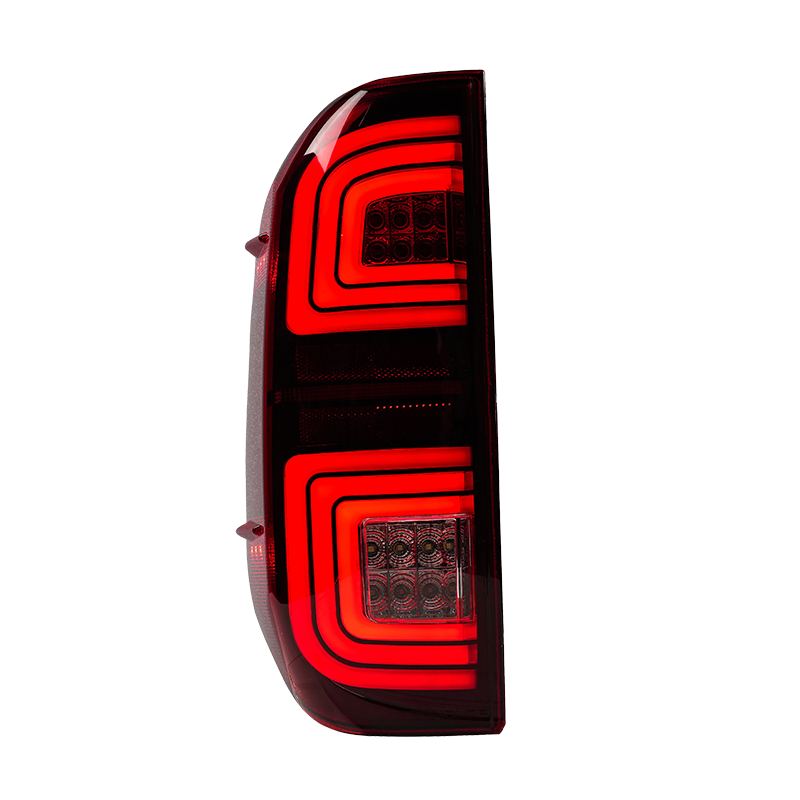
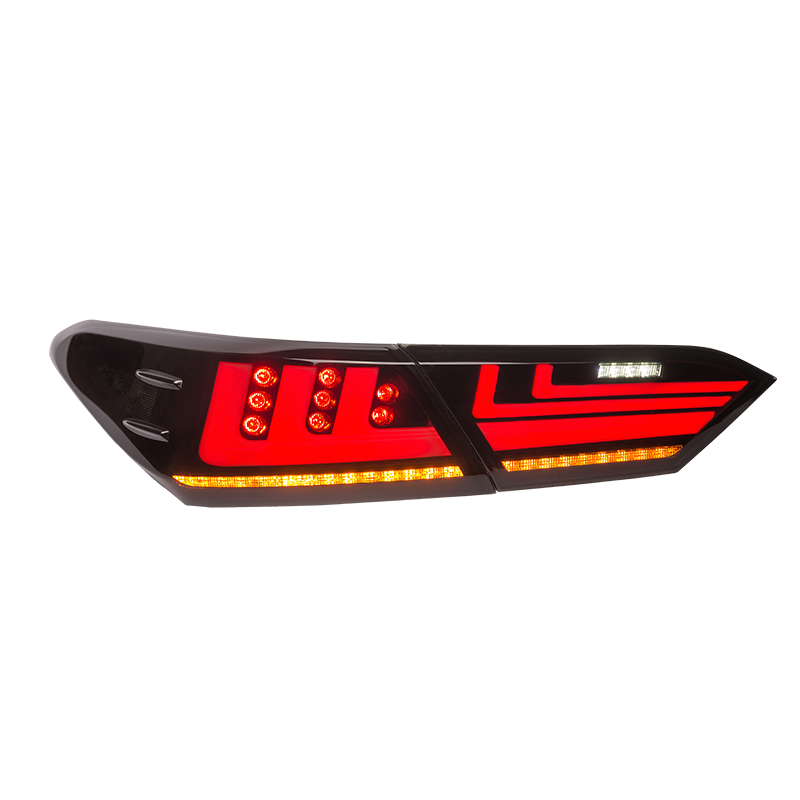
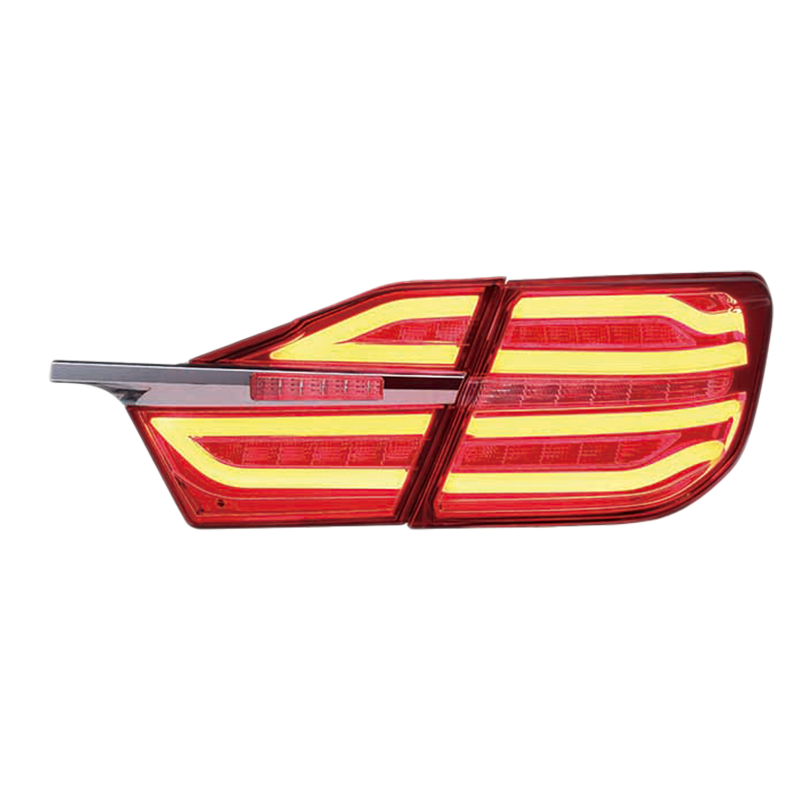
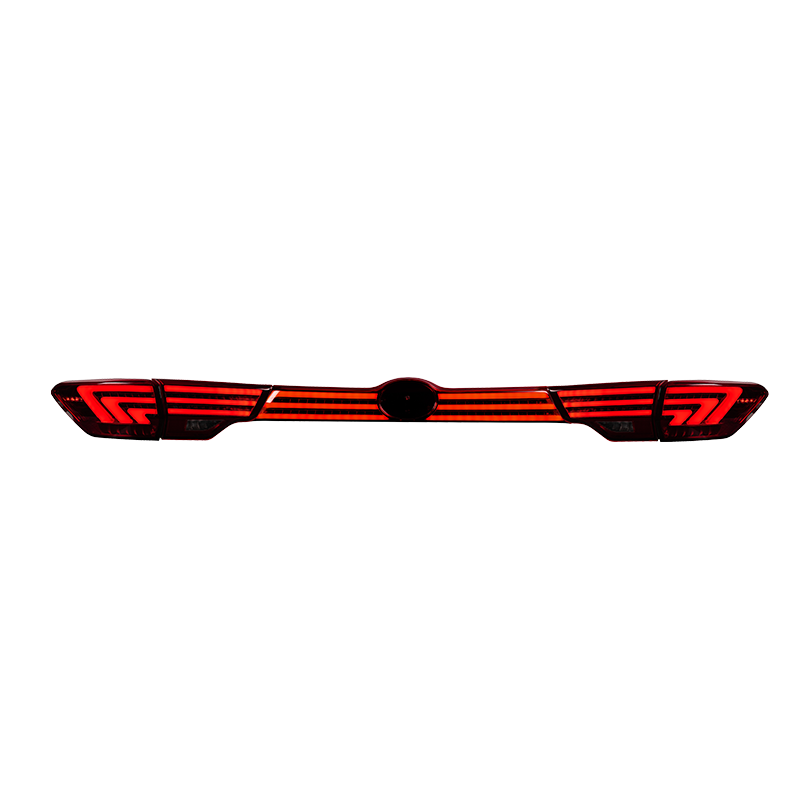
This creates a genuinely interesting design challenge for Custom Car LED Tail Lights. A darker housing, revised internal layout, or smoked appearance can change how the lamp looks when it's not illuminated, sitting parked in a driveway. Once the light turns on, though, the important question becomes how clearly the intended lighting pattern can still be seen from behind.
The relationship between appearance and visibility depends on a lot more than the outer lens alone. Internal light placement, surface treatment, viewing angle, surrounding bodywork, and the visual contrast between the illuminated and unlit parts all contribute to the final result drivers actually notice on the road.
A tail light genuinely has two visual states worth thinking through separately. It has an appearance when the vehicle is parked and the lights are off, and a completely different appearance once the lighting functions are active and working.
These two states need to work together, not fight each other for attention.
A dark or smoked housing can create a genuinely different visual impression when the lamp is off, sitting quietly in a parking lot. It may make the rear of the vehicle appear more integrated overall, or it may change the contrast between the lamp and bodywork in ways owners actually notice. When the lamp is illuminated, though, the light source needs to remain visually distinguishable from the surrounding housing, not lost in it.
This means designers can't judge a tail light only from a static appearance sitting still in a showroom.
Several elements may affect this balance at once.
| Design Element | Effect on Visual Experience |
|---|---|
| Housing appearance | Changes the lamp's look when unlit |
| Internal light arrangement | Shapes the illuminated pattern |
| Lens treatment | Influences how the lamp is perceived |
| Light contrast | Helps distinguish active functions |
| Viewing angle | Changes how the lamp appears from different positions |
| Surrounding bodywork | Affects visual separation |
A design that looks cohesive while the vehicle sits parked may behave quite differently when viewed from behind at a distance, or from an angle while merging onto a highway. For this reason, styling decisions need consideration together with the actual lighting effect, not as two separate design exercises handled by different people.
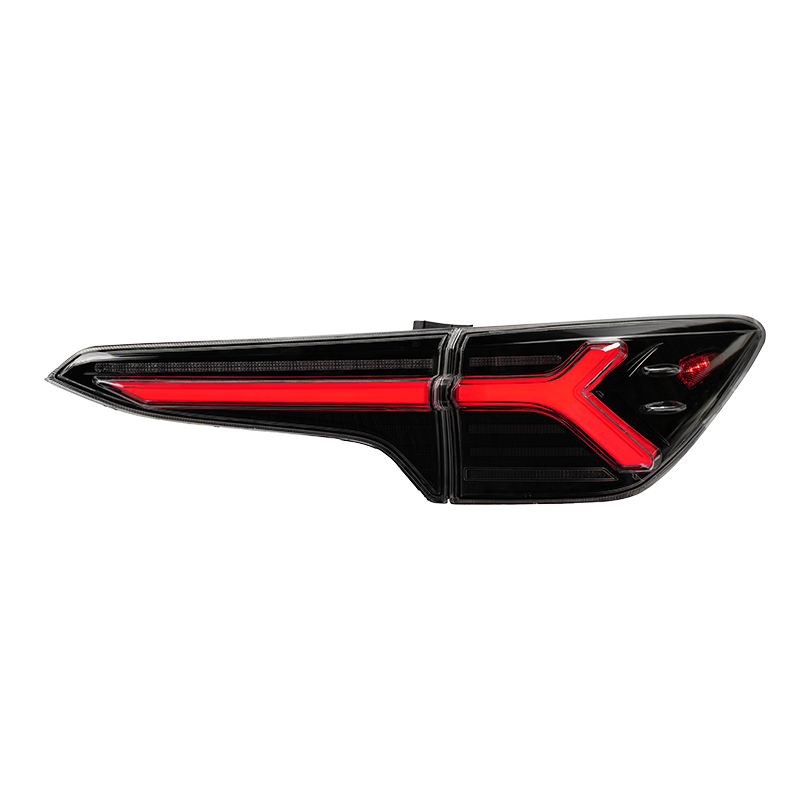
The smoked appearance has a genuinely strong effect on the visual character of a vehicle, more than a lot of buyers expect going in. It can make the lamp look darker when it's not illuminated, and it can create a stronger contrast with certain body colors sitting nearby.
The visual effect doesn't stop the moment the light turns on, though. The relationship between the dark housing and the illuminated area becomes part of the overall appearance from that point forward. If the active light pattern stays clearly separated from the darker background, the lamp can retain a recognizable visual structure even at night.
This is where Smoked-out Headlights and Taillights require genuinely careful design consideration before production begins.
The smoked treatment can change how much of the internal structure is visually apparent from the outside. A housing that appears almost uniform when unlit may reveal a genuinely different pattern once the lighting functions actually switch on.
Designers can therefore consider the contrast between several elements at once.
The aim isn't simply making a lamp darker for its own sake. It's creating a visual relationship in which the styling treatment and active lighting remain genuinely distinguishable from each other, day or night.
The final effect can also depend a great deal on the vehicle itself. Body color, rear panel shape, bumper design, and surrounding trim can all change how the lamp actually gets perceived once it's mounted and running.
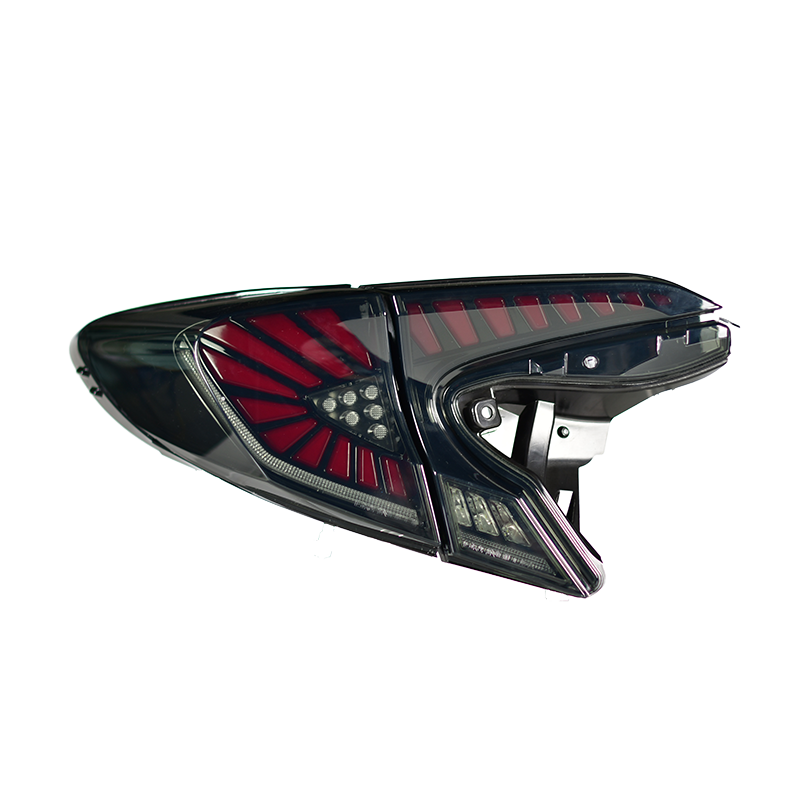
The internal arrangement of a tail light helps determine what people actually see when the lamp is operating on the road. Two lamps with similar outer shapes can create genuinely different visual impressions if their internal light elements are arranged differently underneath that shared shell.
A continuous illuminated area produces a genuinely different effect from separated sections spaced apart. Lines, curves, clusters, and other visual forms can give the rear of the vehicle a distinct character that owners pick specifically for that reason.
The challenge is making the pattern recognizable without letting decorative elements overwhelm the lighting function itself, the part that actually matters for safety.
Internal layout can influence several things worth tracking during design.
This is particularly relevant for customized products built to a specific request. A customer may ask for a distinctive internal pattern that stands out from stock parts, but the pattern still needs to communicate the intended lighting function clearly to anyone behind the car. A design can be visually unusual without making the active sections difficult to distinguish in traffic.
For a Custom Car LED Tail Lights project, the internal arrangement should therefore get reviewed together with the outer styling, not sequenced as separate steps. Changing one can genuinely affect the visual balance of the other in ways that only show up once both are finished.
A vehicle is rarely viewed directly from behind at all times out on the road, even though that's often the only angle considered during early design work. Other road users may approach from an angle, pass the vehicle on a highway, or see it while changing lanes in traffic.
This makes viewing angle a genuinely important part of tail light design that's easy to overlook.
A lighting pattern that appears clear from one position may look narrower or less distinct from another position entirely. The shape of the lamp, surrounding bodywork, lens surface, and internal light arrangement can all influence this shift as the viewing angle changes.
Designers can examine the lamp from several common viewpoints, rather than relying on one straight-on view that doesn't reflect how drivers actually see it.
| Viewing Situation | Design Question |
|---|---|
| Direct rear view | Is the lighting pattern clearly visible? |
| Slight side angle | Does the active area remain recognizable? |
| Wider angle | Does surrounding bodywork affect visibility? |
| Different vehicle heights | Does the visual pattern remain distinct? |
| Unlit condition | Does the styling still match the vehicle? |
This type of review is genuinely useful for customized tail lights, because changes to the housing or internal layout may alter how the lamp looks from different directions in ways nobody anticipated at the sketch stage.
A smoked finish can make this consideration even more noticeable than usual. The darker unlit surface may visually recede into the bodywork, while the active light still needs to remain clearly separated once illuminated at dusk.
Contrast is one of the main factors shaping how a tail light actually gets perceived by someone glancing at it from a car length back. A dark housing changes the relationship between the lamp and its surroundings in a real way. Depending on the vehicle body color and lamp design, the smoked surface may blend into the rear panel almost completely, or it may create a noticeable dark accent that stands apart.
When the lighting is active, though, the contrast changes again entirely.
The illuminated sections become the focus of attention, while the smoked areas form a darker background around them. This can create a genuinely clear visual pattern when the internal layout has been planned around that contrast from the start, rather than added as an afterthought.
The effect shouldn't get judged only by how dark the housing appears sitting on a shelf, though. A darker appearance can make small differences in the internal lighting pattern a lot more noticeable once lit. If several sections sit visually close together, their relationship may need careful consideration, so the active functions remain genuinely understandable at a glance.
This is why styling treatment and lighting layout shouldn't get developed as completely separate decisions handled by different teams. The finish can influence how the light pattern gets perceived, while the light pattern can determine whether the finish actually looks balanced once the lamp is operating for real.
The housing provides the outer visual frame for the entire lighting system sitting inside it. Its shape determines how the lamp sits within the rear bodywork and how much space is actually available for internal elements to work with.
A larger housing may provide more freedom for different visual arrangements to play out. A compact housing may require a genuinely more concentrated design that makes every millimeter count.
The relationship with the vehicle body matters a great deal here too. A lamp can look quite different depending on whether it follows the body line closely, sits within a recessed area, or extends visually across a larger section of the rear panel.
For custom applications, designers may need to consider several factors together.
These considerations help prevent the tail light from looking like an isolated accessory bolted on as an afterthought. Instead, the lamp can become part of the overall rear design while still retaining recognizable lighting functions drivers rely on.
Smoked styling is often considered as a visual treatment on its own, rather than a complete design system working with everything else. In practice, though, it interacts constantly with the shape of the lamp, the internal elements sitting inside it, and the way the vehicle actually gets viewed out on the street.
The same smoked appearance can therefore produce genuinely different results on different vehicles parked side by side. A large rear lamp with broad illuminated sections may create a genuinely different visual relationship from a compact lamp with narrow light elements packed close together. The body color can also change how strongly the dark housing actually stands out against the rest of the car.
When Smoked-out Headlights and Taillights get considered as part of a customized design, it can be genuinely useful to examine both the parked appearance and the illuminated appearance side by side, not just one or the other.
The design review can include several checks worth running through.
This approach keeps the styling discussion genuinely connected to the actual use of the lamp on the road, rather than treating it as a purely aesthetic exercise. It also helps avoid a fairly common design problem: making the housing the main visual focus while giving too little attention to what happens once the light is actually operating at night.
For a Tail Light Manufacturer, custom lighting work involves translating a visual request into a product that genuinely works with a particular vehicle and its intended lighting functions, not just a rendering that looks good in a pitch deck.
The manufacturer may need to evaluate the outer housing, internal arrangement, surface treatment, mounting area, and visual effect as one connected design, rather than a checklist of separate parts. A customer may ask for a darker appearance, a different internal pattern, or a stronger visual connection with the vehicle's existing styling. Each request can genuinely affect another part of the product in ways worth tracing through.
Production planning also needs to account for these relationships carefully. A change to the housing can require changes to internal placement down the line. A revised internal pattern can affect how the active lighting appears through the outer surface once installed. A new surface treatment can alter the contrast between illuminated and unlit areas in ways that only show up on the finished part.
This is why custom development benefits from reviewing the product in several states, rather than looking at only one finished image and calling it done.
A practical review may compare several design states side by side.
| Design State | What to Observe |
|---|---|
| Lamp unlit | Housing shape and styling |
| Lamp active | Light pattern and visual separation |
| Direct rear view | Overall recognition |
| Angled view | Changes in perceived pattern |
| Installed on vehicle | Relationship with surrounding bodywork |
The same thinking applies when developing different versions for aftermarket applications sold across a range of vehicles. A design that works visually on one rear body shape may need real adjustments when the available space or surrounding surfaces change on a different model.
Balancing style and visibility is therefore less about choosing between appearance and function as if they're opposites. It's about designing the housing, internal light arrangement, smoked treatment, and viewing experience so they genuinely work together as one system.
When Custom Car LED Tail Lights are developed this way, styling choices can be assessed alongside light recognition throughout the process, rather than checked only after the visual design has already been locked in and it's too late to adjust.
We are a modern headlight manufacturer that integrates R&D, design, production and sales. We mainly produce headlamps, taillights, daytime running lights and other automotive lighting products.
Add: No.3 Shiyang Road, Ningxi Town, Huangyan District, Taizhou City, Zhejiang Province, China
Tel: +86-13105675552 / +86-15606586299
Fax: +86-576-89161556
E-mail: [email protected]
Copyright © Taizhou Baozhiwei Vehicle Industry Co.,Ltd. All Rights Reserved.

 English
 русский
 Español