Call us

Rear visibility depends on genuinely more than the brightness of a vehicle's lamps sitting at the back. Drivers behind a car need to recognize braking, turning, and the vehicle's position through changing road conditions and viewing angles that shift constantly during a drive.
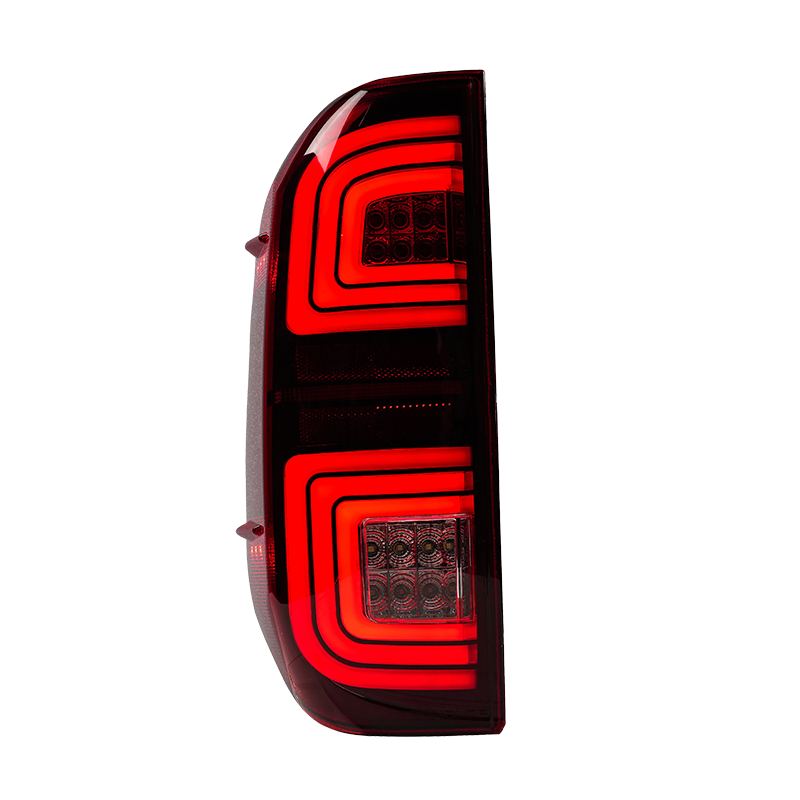
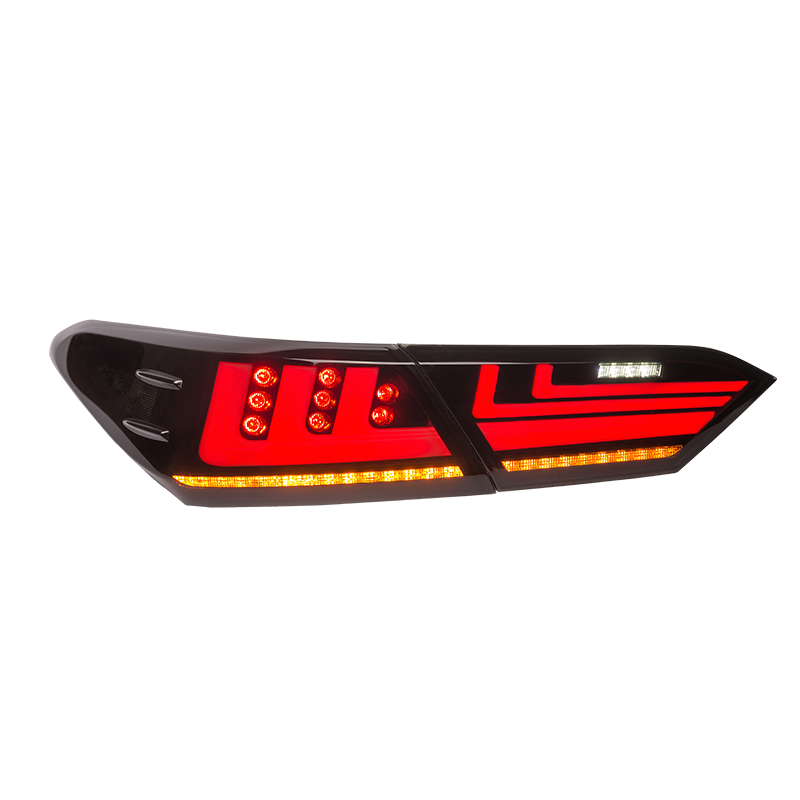
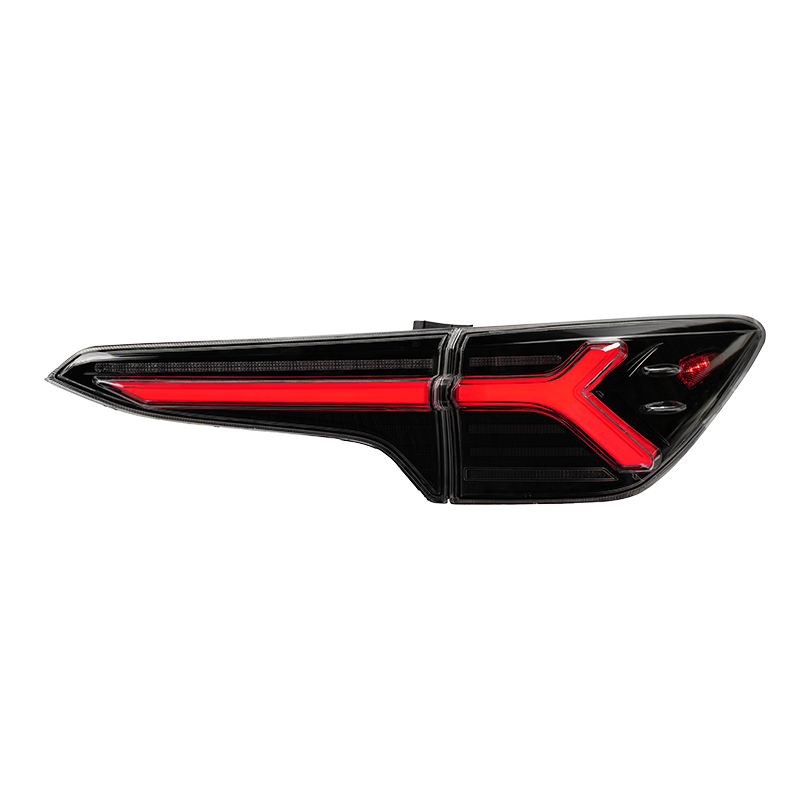
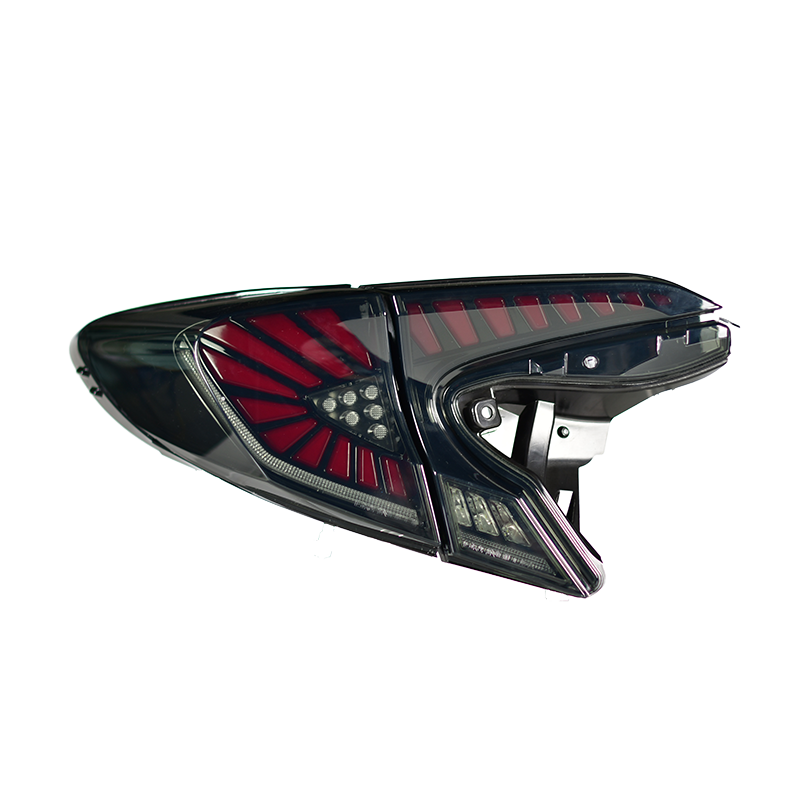
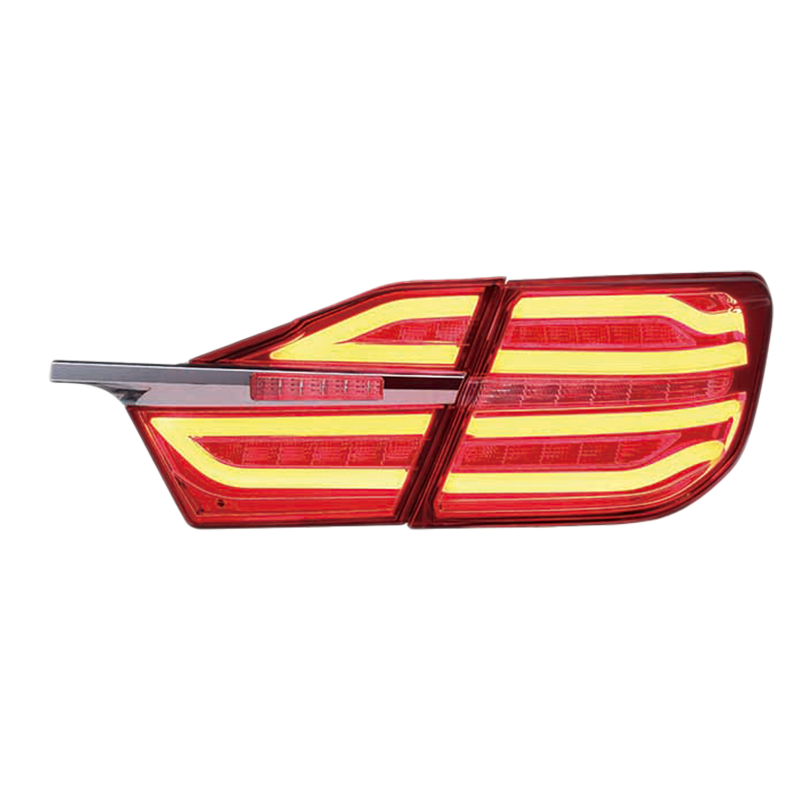
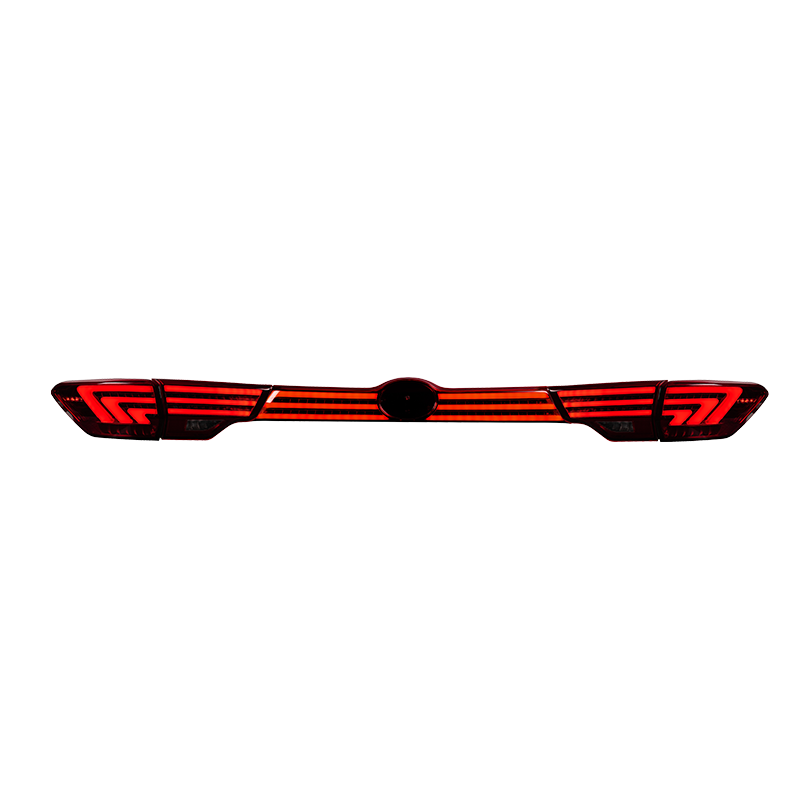
This is where Custom Car LED Tail Lights can play a genuinely important role in daily driving safety. Their housing shape, light arrangement, lens design, mounting position, and surrounding vehicle structure all affect how rear lighting gets seen from behind on a busy road.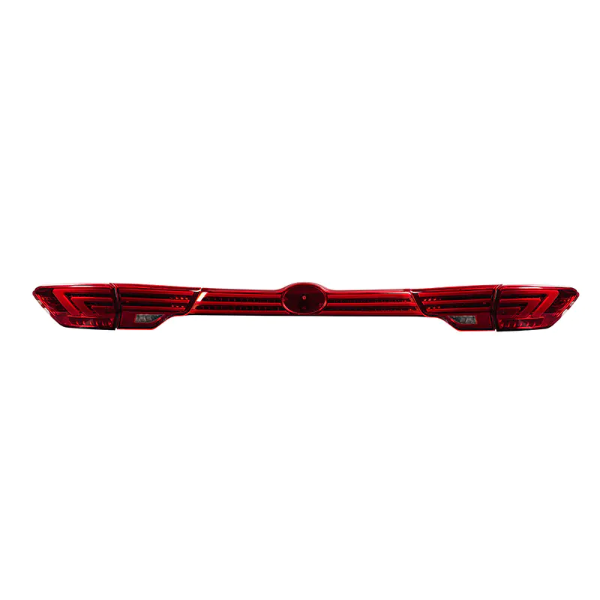
For manufacturers, achieving the desired appearance and lighting arrangement also involves careful control during production runs. Components may require shaped surfaces, mounting features, openings, and other details that need suitable machining and finishing processes applied correctly.
A Precision CNC Lathe can be part of this manufacturing process when selected components require controlled turning operations. Its role isn't creating visibility directly through the light itself, but helping produce parts that fit the intended lighting structure and vehicle design.
The outer shape of a tail light influences how its lighting area appears from different positions behind the vehicle on the road. A lamp with a narrow or highly curved housing may present a genuinely different visual pattern from a wider assembly mounted on the same car.
Designers therefore need to consider how the light will get viewed when the vehicle isn't directly ahead of another driver. A driver approaching from an angle should still be able to recognize the relevant lighting signal, when the design and local regulations allow for that viewing area.
| Design Area | Relationship With Visibility |
|---|---|
| Housing shape | Defines the overall lighting area |
| Lens surface | Influences how the light is presented |
| Mounting position | Determines the relationship with the vehicle body |
| Light arrangement | Helps separate different rear signals |
| Outer contour | Affects visibility from different angles |
The shape also affects how the light assembly fits against the vehicle body it's mounted to. Poorly matched surfaces can create uneven gaps or positioning problems that change the intended appearance of the rear section entirely.
Custom designs can make these considerations a lot more involved, because the lamp may get developed around a particular body shape, rather than a general replacement form sold across many models.
LEDs give designers genuine flexibility when arranging rear lighting across a housing. Instead of treating the lamp as one single glowing area, different sections can get organized for different functions happening at different moments.
Brake lighting, turn signals, and rear position lighting can use separate visual areas within the same assembly. The arrangement needs to remain genuinely understandable when several functions are active at the same time during a lane change.
| Lighting Function | Visual Role |
|---|---|
| Brake signal | Communicates deceleration |
| Turn signal | Indicates directional intent |
| Position lighting | Marks vehicle presence and width |
| Combined activation | Requires clear visual separation |
The physical spacing between lighting sections also affects how the rear assembly gets perceived by the driver behind. If different signals visually blend together on the housing, the driver behind the vehicle may have a lot more difficulty identifying what the vehicle is actually communicating.
A carefully planned layout can create clearer visual separation, without relying only on increasing light output to compensate. For a custom tail light, the available housing space can influence this arrangement quite a bit.
The manufacturer needs to balance the desired appearance with the space available for lighting components, wiring, mounting features, and protective surfaces all packed into one housing.
The lens is the visible outer surface of many tail light assemblies sitting on the back of a car. Its shape and finish influence how the lighting area appears from outside the vehicle, whether parked or moving.
A curved lens can form part of the overall styling, while also affecting the visual spread of the light coming through it. Surface transitions need to match the surrounding housing, so that the completed assembly has a genuinely controlled appearance from every angle.
| Lens Consideration | Manufacturing Relevance |
|---|---|
| Curvature | Affects light spread and styling |
| Surface finish | Influences clarity and appearance |
| Transition to housing | Requires matched fit |
| Material behavior | Determines suitable production method |
Manufacturing these surfaces can involve different production methods, depending on the material and component structure involved. Some parts may require machining before they get assembled with other components in the housing.
A High-Precision CNC Lathe can be genuinely useful for suitable round or rotational components involved in tail light production. This may include certain mounting parts, rings, inserts, or other components where controlled turning helps prepare the required shape accurately.
The machine itself doesn't determine the lighting pattern seen from behind. Instead, it supports the production of physical parts that must work within the larger tail light assembly as a whole.
A tail light needs to remain correctly positioned within its housing throughout the vehicle's life. Mounting parts, inserts, spacers, and other supporting components can influence how the assembly sits against the vehicle body over time.
Small differences in these parts can genuinely affect assembly quality down the line. A component that doesn't sit properly may create an uneven relationship between the lamp and its housing, visible from the outside.
| Machining Consideration | Possible Production Role |
|---|---|
| Cutting tool | Shapes the workpiece surface |
| Cutting speed | Influences the cutting process |
| Feed rate | Affects tool movement across the material |
| Cooling | Helps manage heat during machining |
| Workholding | Keeps the component positioned during cutting |
Machining conditions therefore matter, even when the final goal is simply rear visibility on the road. Tool selection, cutting speed, feed rate, cooling, and workpiece condition can all influence the surface and shape produced during turning.
These factors need consideration together rather than separately during production planning. Changing one process condition can affect how the tool interacts with the material and how the finished component fits into the next production stage.
A tail light housing does a lot more than simply protect internal components from weather. Its shape creates the physical boundary around the lighting area and connects the assembly with the vehicle body surrounding it.
The housing may include mounting points, grooves, openings, and internal support features tucked inside. These details can determine how the lamp gets positioned and how its visible surface sits within the rear bodywork it's attached to.
| Housing Feature | Functional Purpose |
|---|---|
| Mounting points | Secures the assembly to the body |
| Grooves | Guides component placement |
| Openings | Allows wiring and airflow |
| Internal supports | Maintains structural stability |
Custom designs often require these features to follow a particular body contour specific to that model. This makes manufacturing coordination genuinely important, because the housing, mounting components, and lighting elements need to work together as one system.
A High Precision CNC Lathe may support the production of selected cylindrical components used within such assemblies. When the required component geometry suits turning, controlled tool movement can help produce the physical features needed for assembly work later.
The manufacturing process should always match the actual material and component requirements at hand. Not every tail light part needs turning, and CNC machining is only one possible production method within a larger manufacturing workflow.
Cutting tools interact directly with the material during machining, shaping it as they pass. Their shape, condition, and intended application influence how material gets removed from a workpiece sitting in the chuck.
For tail light-related components, the required surface may depend on whether the part will remain visible, fit against another component, or serve as an internal support hidden from view. A suitable tool helps the manufacturer approach these different surfaces according to their actual purpose.
| Tool Application | Typical Role |
|---|---|
| Rough removal | Clears bulk material quickly |
| Finishing pass | Refines final surface appearance |
| Fit-critical surfaces | Requires consistent tool condition |
| Internal supports | Less demanding surface requirements |
A tool intended for rough material removal may not get handled the same way as one used for a later finishing operation on the same part. Tool wear also deserves genuine attention throughout a production run.
As a tool changes through repeated use, the resulting surface can change as well over hundreds of parts. This can become noticeable when a machined component needs to fit against another part or maintain a particular appearance for the finished product.
Manufacturers can therefore inspect tooling as part of routine production control, rather than viewing it as a separate concern from the final assembly.
Cutting speed and feed rate affect the way a tool moves through a workpiece during machining. Their relationship with the material, tool, and machining operation can influence the resulting surface and production behavior significantly.
A suitable cutting speed allows the process to operate according to the characteristics of the material and tool involved. Feed rate affects how quickly the tool advances along the surface being shaped.
| Setting | What It Depends On |
|---|---|
| Cutting speed | Material and tool combination |
| Feed rate | Desired surface and operation type |
| Both together | Overall process stability |
These settings can't get separated from the rest of the machining process happening around them. A change in material, tool geometry, workpiece shape, or required surface can change how the operation should get approached entirely.
For parts used around a custom tail light assembly, the goal is producing components that match their intended role in the housing. A mounting ring may have genuinely different machining needs from a decorative trim component or an internal support piece.
Manufacturers can therefore develop machining conditions around the individual component, instead of applying the same approach to every part regardless of its final job.
Machining creates friction and heat as the tool interacts with the workpiece spinning in the lathe. Cooling methods can help manage the conditions around the cutting area, when the material and process genuinely require them for stability.
The role of cooling is connected with tool condition, surface behavior, and the overall machining process happening in that moment. Excessive heat can affect the cutting environment, while an unsuitable cooling approach may create its own handling or production concerns worth avoiding.
| Material Type | Cooling Consideration |
|---|---|
| Metal components | May need heat management during turning |
| Engineering plastic | Requires different thermal handling |
| Mixed production runs | Needs approach matched to each material |
Different materials also respond quite differently to machining conditions applied to them. A component intended for a tail light may get produced from metal, engineering plastic, or another suitable material, and each material can require a genuinely different production approach.
For this reason, cooling should get selected as part of the complete machining setup rather than an afterthought. It shouldn't be treated as an isolated production step disconnected from everything else.
A controlled process helps manufacturers maintain the intended condition of machined components before they move into assembly with other parts.
Machining conditions influence how a tool interacts with the workpiece throughout the cutting operation. They can affect surface appearance, dimensional behavior, tool wear, and the way a finished component moves into the next assembly stage down the line.
Workholding is another genuinely important factor worth checking carefully. If a component isn't held appropriately during machining, movement can interfere with the intended cutting path the tool is meant to follow.
| Fit Factor | Assembly Impact |
|---|---|
| Workholding stability | Prevents movement during cutting |
| Raw material condition | Affects processing ease |
| Surface consistency | Supports predictable fit |
| Dimensional accuracy | Ensures proper assembly alignment |
The condition of the raw material also matters quite a bit before machining even starts. Surface condition, shape, and material behavior can influence how easily the component can get processed on the lathe.
For manufacturers producing parts used in custom tail lights, these factors need consideration alongside the assembly requirements from the housing design. A component may be small, but its position can affect how the larger lamp housing comes together as a whole.
This is where a Precision CNC Lathe can support suitable component production for these applications. When the part design matches a turning process, the machine can get incorporated into a controlled workflow alongside inspection, cleaning, and assembly steps.
Rear visibility and appearance are genuinely connected through the physical arrangement of the lamp on the vehicle. A housing that sits unevenly against the vehicle can change the visual relationship between the tail light and surrounding bodywork noticeably.
Mounting components help maintain this relationship over the life of the part. Rings, sleeves, spacers, and other parts may need to sit correctly, so that the completed assembly remains in its intended position without shifting.
Machined surfaces can contribute to this fit, when the component requires a turned form as part of its design. The manufacturing process should consider how the part will interact with adjacent surfaces, rather than focusing only on the individual component in isolation.
This is also genuinely relevant for custom designs, because the surrounding vehicle body may have its own contours specific to that model. The tail light needs to follow those contours without creating unnecessary gaps or awkward transitions visible from the outside.
A well-coordinated assembly allows the lighting layout, lens, housing, and mounting structure to function as one physical product rather than separate pieces loosely connected.
Some vehicle owners choose darker rear lighting designs for a particular visual effect they want on their car. A smoked appearance can change how the lamp looks when it's not illuminated and may also affect the visual contrast between the lamp and the surrounding body.
The important consideration here is that appearance changes shouldn't get treated separately from lighting function itself. The visible signal still needs to remain appropriate for its intended use and comply with applicable local requirements on the road.
| Design Element | Balance Needed |
|---|---|
| Lens tint | Style versus signal visibility |
| Housing color | Appearance versus recognition |
| Internal lighting | Compensating for reduced transmission |
| Regulatory compliance | Meeting local visibility standards |
For manufacturers, this means considering lens treatment, housing design, internal lighting arrangement, and surrounding surfaces together as one decision. Custom Car LED Tail Lights can therefore involve a balance between styling choices and the practical need for recognizable rear signals other drivers depend on.
The design process needs to account for how the assembly looks both when illuminated at night and when it's simply parked during the day.
Manufacturing inspection can help identify issues before the completed tail light reaches the installation stage on a vehicle. Each component should get checked according to its intended function, rather than judged only by appearance on a bench.
Machined parts can be inspected for surface condition and assembly fit before moving forward. Housing components can be checked for damage or unwanted deformation that occurred during handling. Lenses can be reviewed for surface problems that could affect their appearance once mounted.
| Inspection Step | Purpose |
|---|---|
| Machined component check | Confirms surface and fit quality |
| Mounting surface review | Verifies connection points |
| Lens and housing examination | Identifies visible defects |
| Lighting section confirmation | Ensures correct positioning |
| Functional testing | Validates intended operation |
| Final product inspection | Catches issues before packaging |
The lighting arrangement also needs examination as a complete assembly rather than individual pieces. Components should remain correctly positioned, and the different rear signals should be genuinely distinguishable according to the intended design worked out earlier.
These steps connect machining, assembly, and lighting performance, instead of treating them as unrelated production activities happening in separate silos.
Custom tail lights often involve a lot more than changing the outer appearance of an existing lamp on the shelf. The design may require new mounting components, decorative elements, housing features, or supporting parts built from scratch.
CNC machining can become genuinely useful when a component needs a controlled turned shape or a particular surface produced through a repeatable process across many units. A High-Precision CNC Lathe can get incorporated where its capabilities match the component's production needs precisely.
| Development Factor | Machining Relevance |
|---|---|
| Component geometry | Determines if turning suits the part |
| Material selection | Guides tool and cooling choices |
| Production volume | Affects process repeatability needs |
| Assembly requirements | Shapes dimensional tolerances |
The machining process still needs planning around the material and part structure involved in that specific design. Tool selection, cutting speed, feed rate, cooling, workholding, and inspection all influence how the operation actually behaves on the shop floor.
The relationship between machining and rear visibility is indirect but genuinely important to the finished product. Machining helps create physical components, while those components help establish the position, structure, and appearance of the completed tail light mounted on the car.
This connection gives manufacturers another way to approach custom lighting development from a practical angle. Instead of considering the lamp only as an electronic lighting product, they can also examine the housing, mounting structure, machined parts, and assembly process as genuinely connected elements working toward the same result.
We are a modern headlight manufacturer that integrates R&D, design, production and sales. We mainly produce headlamps, taillights, daytime running lights and other automotive lighting products.
Add: No.3 Shiyang Road, Ningxi Town, Huangyan District, Taizhou City, Zhejiang Province, China
Tel: +86-13105675552 / +86-15606586299
Fax: +86-576-89161556
E-mail: [email protected]
Copyright © Taizhou Baozhiwei Vehicle Industry Co.,Ltd. All Rights Reserved.

 English
 русский
 Español