Call us

A customer drops off their sedan at a body shop wanting a set of custom tail lights installed before the weekend car meet. The lights arrived from an online order looking nearly identical to the vehicle's original units in the photos, but once the installer opens the box, the mounting tabs sit in slightly different positions than the factory light, and one of the connector pins doesn't line up with the harness at all. What seemed like a straightforward swap turns into an afternoon of troubleshooting, all because a detail in vehicle compatibility got overlooked somewhere between design and manufacturing.
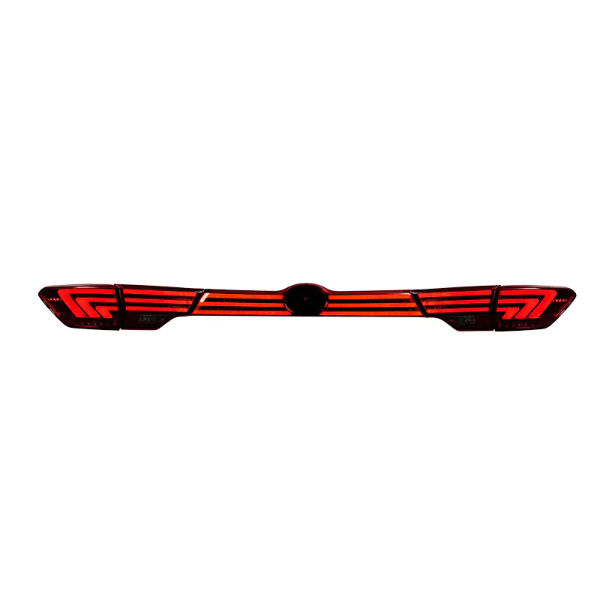
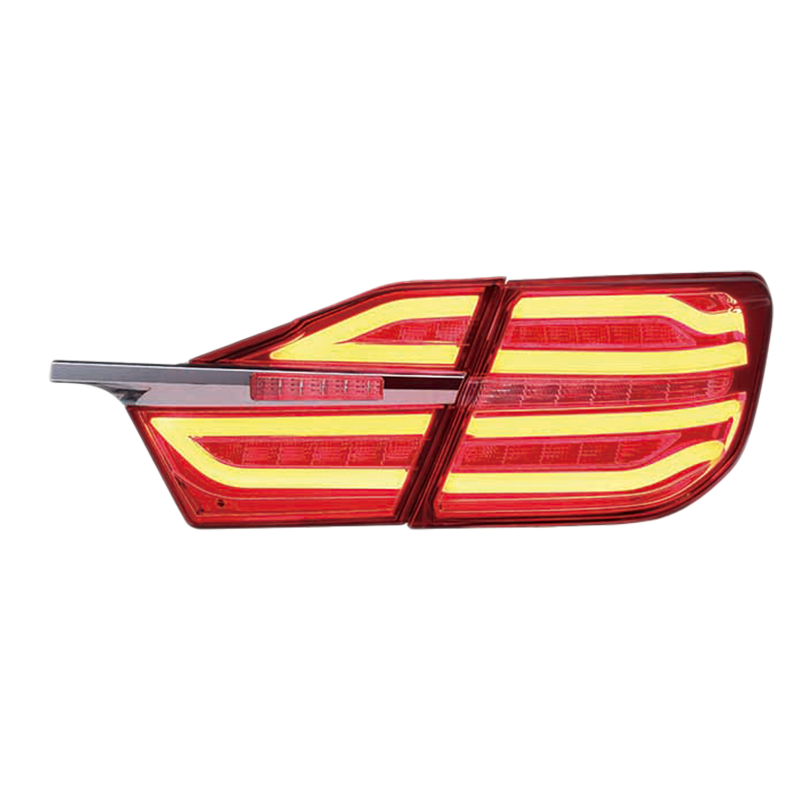
Vehicle compatibility is one of the main issues an aftermarket lighting product needs to address. A tail light may look suitable from the outside but still create problems if its mounting points, housing shape, or connection arrangement doesn't match the intended vehicle closely enough.
A Tail Light Manufacturer needs to understand the vehicle application before deciding how the lamp should be developed. This includes examining the available installation area and the relationship between the lamp and nearby body panels. The rear design of a vehicle can leave limited space for a replacement light, especially when the aftermarket product uses a different internal layout than the original.
Compatibility involves several areas working together.
| Compatibility Area | Design Consideration |
|---|---|
| Housing shape | Needs to fit the available rear space |
| Mounting position | Should correspond with the vehicle structure |
| Connector arrangement | Needs to suit the intended installation |
| Lamp size | Must work within the surrounding body area |
| Light position | Should remain suitable for the vehicle layout |
| Exterior styling | Needs to match the intended appearance |
Aftermarket development can get more complicated when one product is expected to serve several related vehicle versions at once. Small differences between versions may require changes to the housing or mounting arrangement, which is exactly why vehicle information needs to be part of product planning well before production ever begins.
Aftermarket buyers often compare products through a mix of practical and visual requirements. They may look at the lighting arrangement, housing appearance, installation approach, material choices, and compatibility with a particular vehicle, sometimes weighing all of these at once rather than picking just one priority.
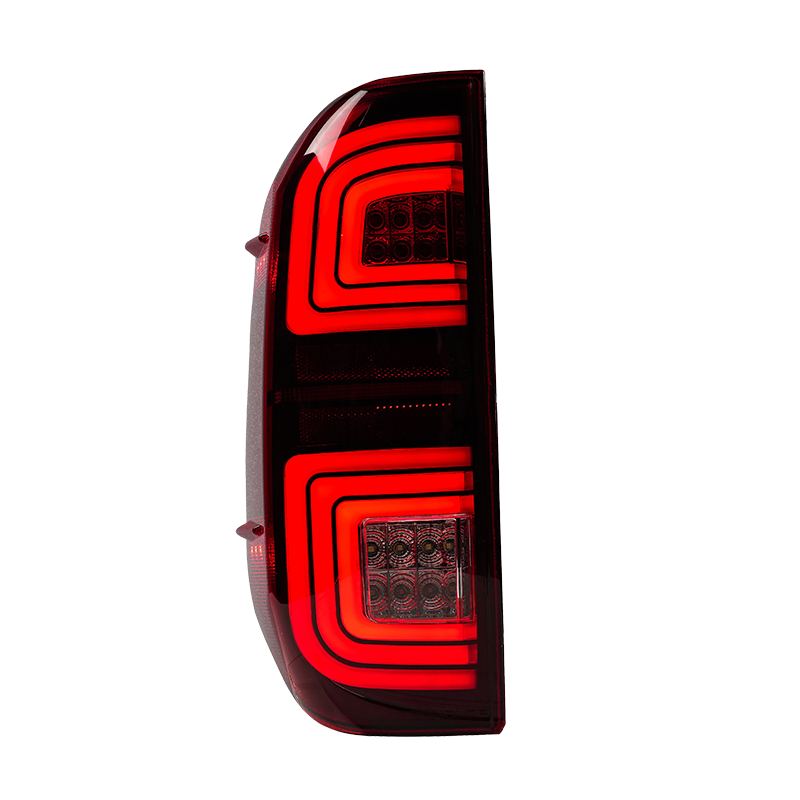
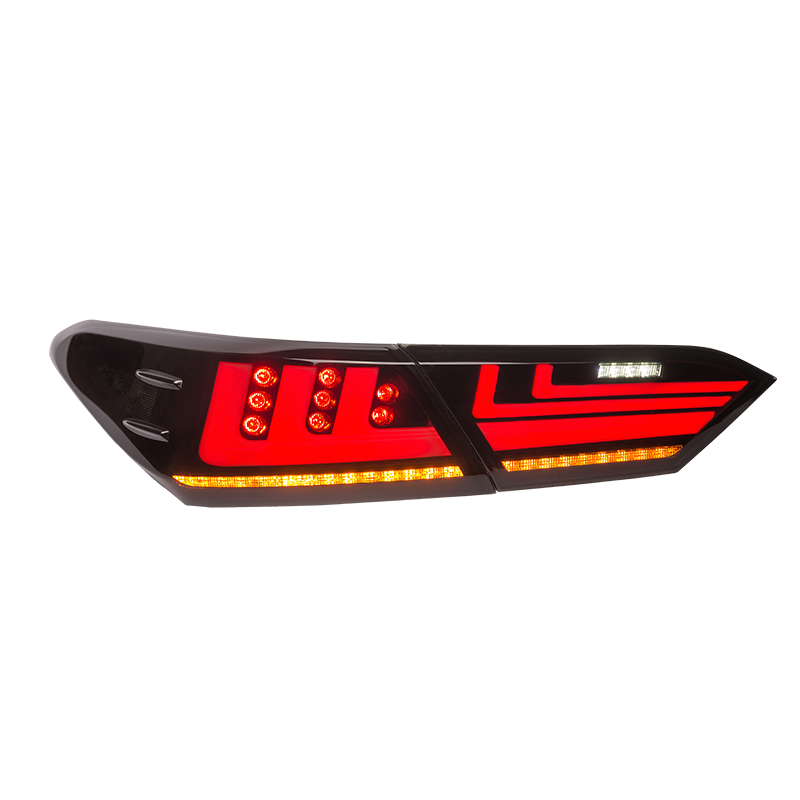
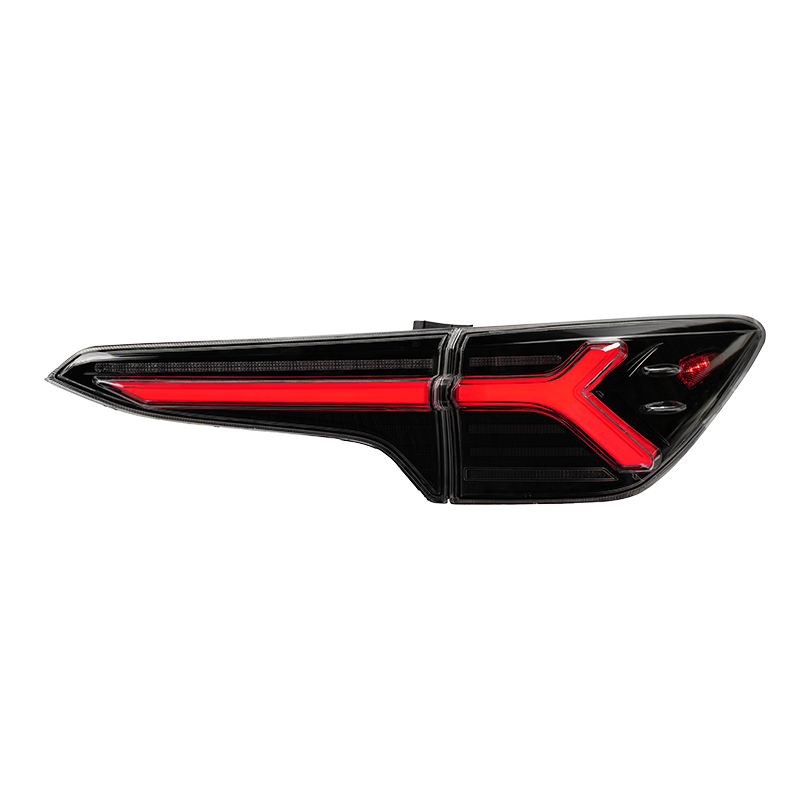
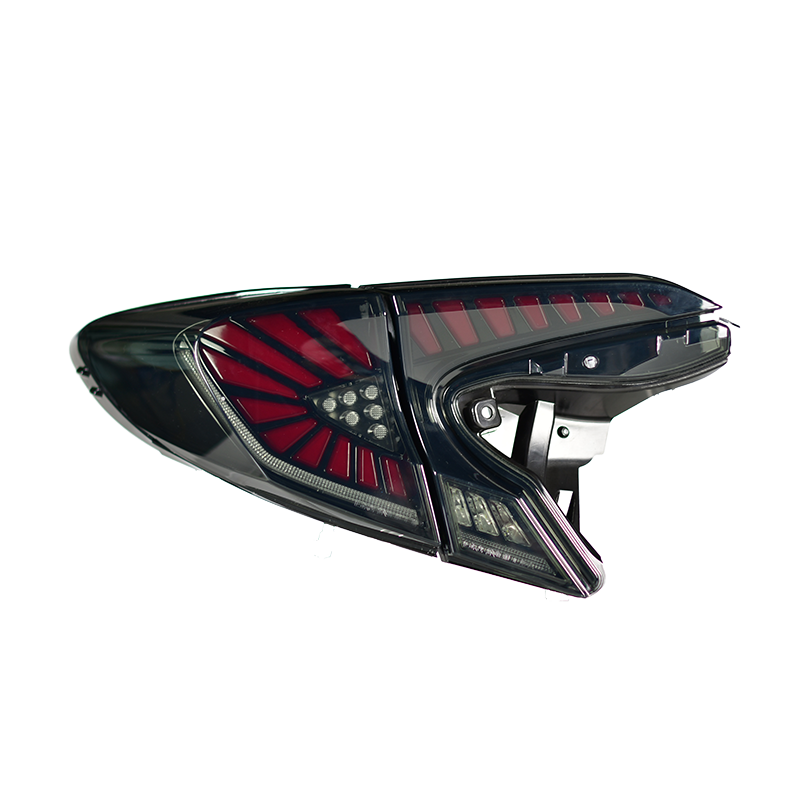
A manufacturer needs to translate these expectations into clear product specifications. For Custom Car LED Tail Lights, specifications can describe the intended vehicle application, housing style, lighting functions, connection method, and exterior finish. The goal is making product requirements clear enough for development, production, inspection, and later sales activities to all work from the same understanding.
A product specification typically covers:
Clear specifications also reduce misunderstandings between buyers and production teams. A buyer may focus mainly on how the lamp looks, while the manufacturer needs to consider whether that appearance can actually be produced within the available housing space. Turning a visual request into a workable product requires attention to both appearance and physical compatibility at the same time, not one after the other.
Lighting design isn't only about making a lamp look different from stock. The internal arrangement also affects how the finished product appears when viewed from different angles around the vehicle.
An aftermarket lamp may use a different arrangement of light areas, shapes, or visual elements while still being designed for the same general vehicle position as the original. For a Custom Car LED Tail Lights product, the manufacturer needs to balance the requested styling with the space actually available inside the housing.
The appearance of the lamp when switched off matters too. A buyer may want a clean or dark appearance during the day, while the lighting elements still need to create a clear visual pattern once operating at night.
This raises several design questions along the way.
| Design Question | Why It Matters |
|---|---|
| Where should lighting elements sit? | Influences the visual pattern |
| How should the housing be shaped? | Affects the exterior appearance |
| How should the lens look? | Changes the lamp's visual character |
| How will the lamp appear from different angles? | Influences overall vehicle styling |
| How should different lighting functions relate? | Helps maintain a clear layout |
The manufacturer needs to treat the lamp as a complete visual system rather than handling each lighting element separately. A change to one area can affect the appearance of the surrounding areas in ways that aren't always obvious until the parts are assembled together.
Vehicle lighting stays exposed to changing outdoor conditions day after day, so the housing needs to be designed with that environmental exposure in mind from the start rather than as an afterthought.
For Waterproof LED Tail Lights, the relationship between the outer housing, lens, seals, connections, and assembly process becomes genuinely important. Water resistance isn't simply a feature that gets added at the end of development. The housing structure needs to account for how different parts meet and how the completed lamp will actually be assembled on the line.
This influences product design in several ways. The connection between the lens and housing needs careful consideration. Areas where components meet also need appropriate attention during both assembly and inspection.
A manufacturer typically examines:
These considerations become particularly relevant for aftermarket products because replacement parts may end up installed in vehicles used across many different environments and climates. The product needs to be designed with its intended application in mind rather than treating environmental exposure as some separate issue tacked on later.
Exterior appearance carries a strong influence on aftermarket demand. Some vehicle owners want lighting products that create a darker or more customized appearance while still maintaining a connection with the vehicle's original styling underneath.
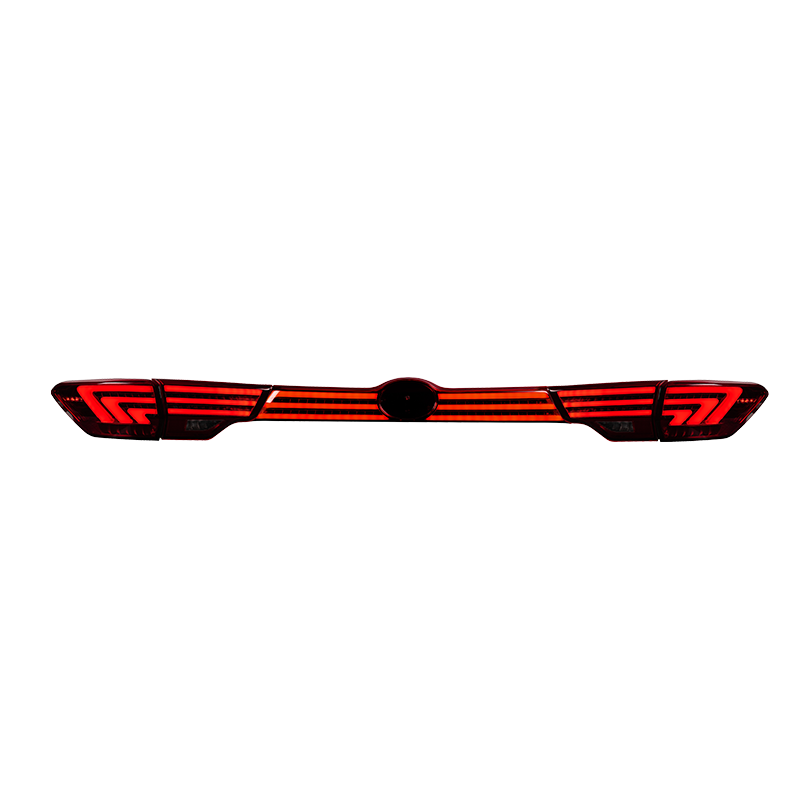
Smoked-out Headlights and Tail Lights represent one example of this aftermarket preference. The darker appearance can involve the lens, housing, internal surfaces, or other visual elements depending on how the product is designed. A manufacturer needs to consider how the chosen finish interacts with the lighting layout underneath it.
A darker appearance when the lamp isn't operating creates a different visual impression from the same product once its lighting functions are active. This means styling decisions need consideration alongside the internal lighting arrangement, not separately from it.
| Styling Element | Possible Design Focus |
|---|---|
| Lens appearance | Changes the visible exterior surface |
| Housing finish | Influences the lamp's overall character |
| Internal layout | Affects the appearance behind the lens |
| Lighting pattern | Shapes the visual effect when active |
| Vehicle body relationship | Helps the lamp fit the overall exterior |
Aftermarket styling also varies by customer group. Some buyers prefer a subtle change, while others want a more noticeable visual difference from the factory look. A manufacturer may need to develop several appearance options while keeping the underlying vehicle application consistent across all of them.
Aftermarket products can involve different order patterns compared to standard vehicle components. One project may call for a relatively stable production arrangement, while another may involve several vehicle applications or appearance variations running at the same time.
A Tail Light Manufacturer needs to consider these differences when preparing production. Changes in housing design, lens appearance, internal lighting layout, or mounting structure can all affect how a product moves through manufacturing.
Production planning typically involves:
This process helps separate design changes from production assumptions. A buyer may request a different housing appearance without changing the intended vehicle application at all. Another buyer may require a different mounting arrangement because the product is intended for a different vehicle version entirely. These are genuinely different types of changes and need to be handled accordingly rather than lumped together. A clear production plan makes it easier to manage these variations without mixing up different product requirements along the way.
Vehicle designs vary between model versions, body styles, and equipment configurations, sometimes in ways that aren't obvious until parts actually get installed. An aftermarket product developed for one application may therefore need adjustment before it can serve another version of the same basic vehicle.
The changes don't always involve the entire lamp. Sometimes the housing shape needs adjustment. In other cases, the mounting structure, connector arrangement, lens appearance, or internal layout may differ instead.
This makes product development considerably more manageable when manufacturers separate the areas that can change from the areas that need to stay consistent.
| Possible Change | Production Implication |
|---|---|
| Housing shape | May require a different outer structure |
| Mounting points | Can affect installation compatibility |
| Lens finish | Changes the exterior appearance |
| Internal lighting layout | May alter the visible lighting pattern |
| Connection arrangement | Needs to match the intended application |
This approach also makes communication with buyers considerably clearer. Instead of treating every request as a completely new product from scratch, the manufacturer can identify exactly which part of the design needs to change. That distinction helps control unnecessary development work that would otherwise pile up.
Quality inspection needs to cover both physical construction and the intended product appearance together. A lamp may have the correct general shape but still require attention if the lens doesn't fit properly, the housing shows visible inconsistencies, or the lighting arrangement differs from the approved design in some way.
For Waterproof LED Tail Lights, inspection pays particular attention to housing connections and sealing areas. For Custom Car LED Tail Lights, the appearance and layout need checking against the agreed design closely.
Inspection typically covers several areas at once.
| Inspection Area | What It Helps Check |
|---|---|
| Housing | Shape and visible condition |
| Lens | Fit and appearance |
| Mounting structure | Compatibility with the intended application |
| Lighting layout | Correct arrangement of visual elements |
| Connections | Suitability for the specified installation |
| Surface finish | Consistency with the approved appearance |
| Assembly | Whether components are properly positioned |
Inspection is especially useful when aftermarket products get produced in different versions side by side. A clear comparison between the approved design and the production result helps catch changes before products move further into distribution and reach installers. This becomes particularly useful when several appearance options share similar housings, since a structured inspection process helps keep those variations properly separated.
Aftermarket lighting often begins with appearance in mind, but the final product still needs to work within the physical conditions of the intended vehicle. A darker lens, a new internal lighting pattern, or a revised housing can change the appearance considerably, yet each change needs to stay connected to the actual vehicle application underneath.
For a Tail Light Manufacturer, this means design decisions need to happen across several areas simultaneously rather than one at a time in isolation. Vehicle compatibility influences the housing. The housing influences the internal arrangement. The internal arrangement affects the visual pattern. The exterior finish changes how the lamp appears once installed on the vehicle. These relationships make aftermarket development genuinely different from simply changing the look of an existing lamp on paper.
Manufacturers also need to manage several customer requirements within the same general product category at once. One buyer may focus purely on replacement compatibility. Another may want a custom appearance above all else. Another may be interested in Smoked-out Headlights and Tail Lights as part of a wider exterior styling project spanning the whole vehicle. The production process needs to distinguish these requirements clearly rather than treating every order the same way.
When vehicle application, specifications, lighting design, environmental considerations, styling changes, production planning, and inspection all get considered together, aftermarket tail light development becomes considerably easier to organize around the actual needs of each application — much like the customer whose weekend plans depended on a mounting tab that should have matched in the first place.
We are a modern headlight manufacturer that integrates R&D, design, production and sales. We mainly produce headlamps, taillights, daytime running lights and other automotive lighting products.
Add: No.3 Shiyang Road, Ningxi Town, Huangyan District, Taizhou City, Zhejiang Province, China
Tel: +86-13105675552 / +86-15606586299
Fax: +86-576-89161556
E-mail: [email protected]
Copyright © Taizhou Baozhiwei Vehicle Industry Co.,Ltd. All Rights Reserved.

 English
 русский
 Español