Call us

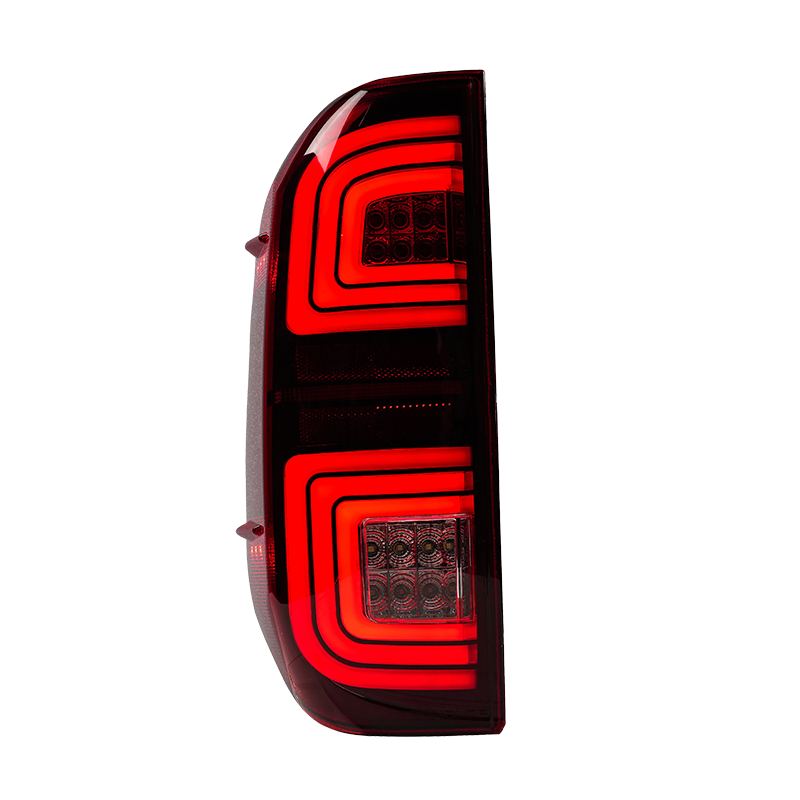
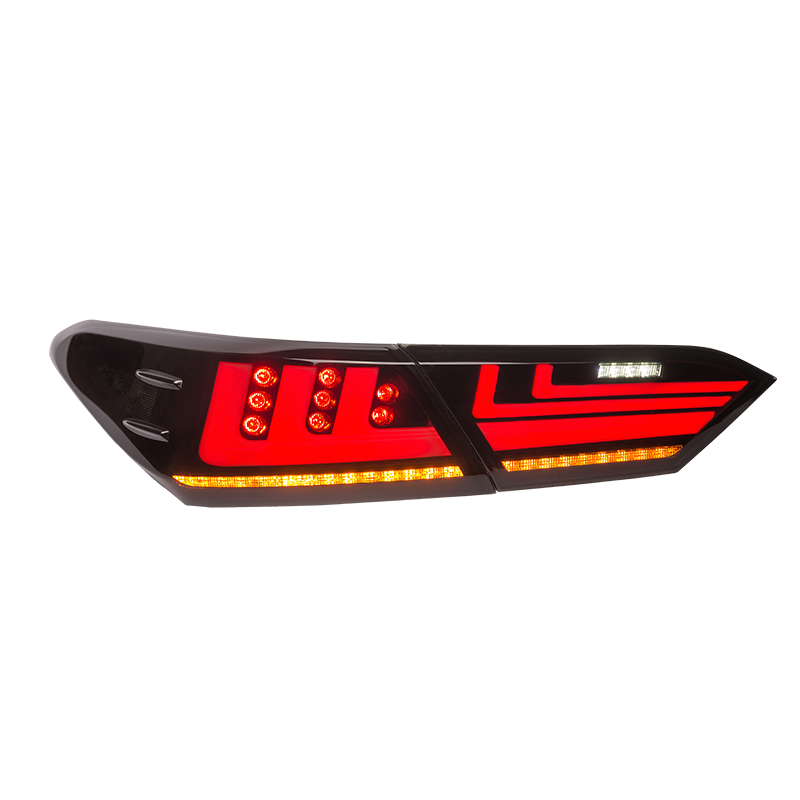
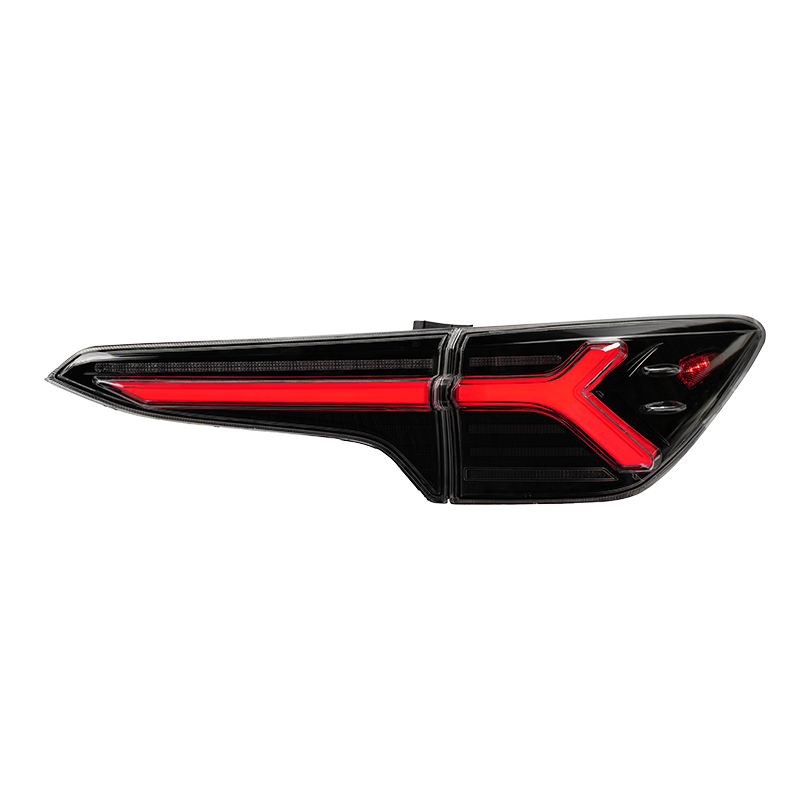
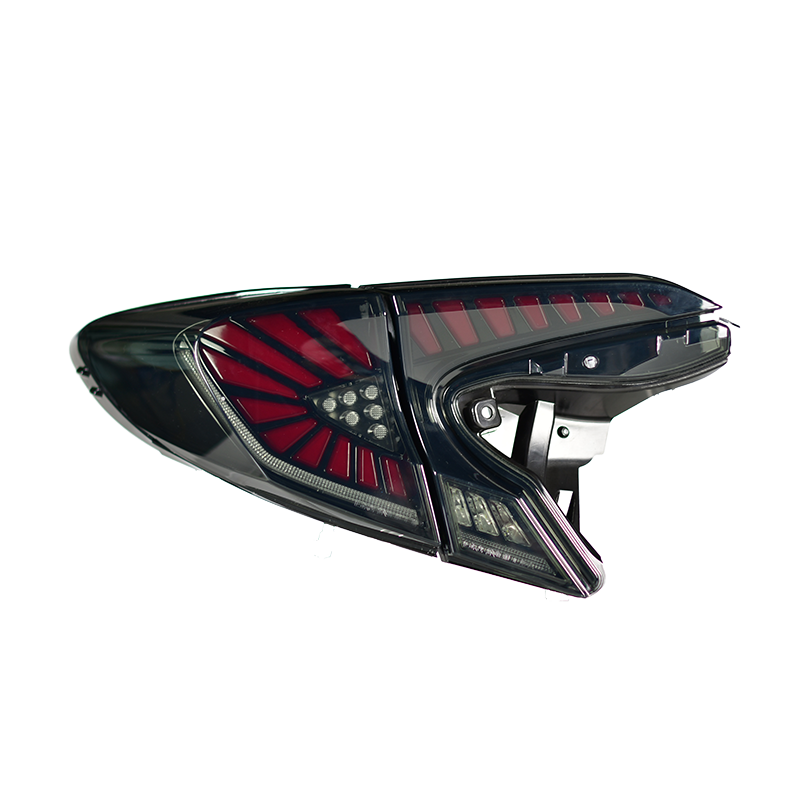
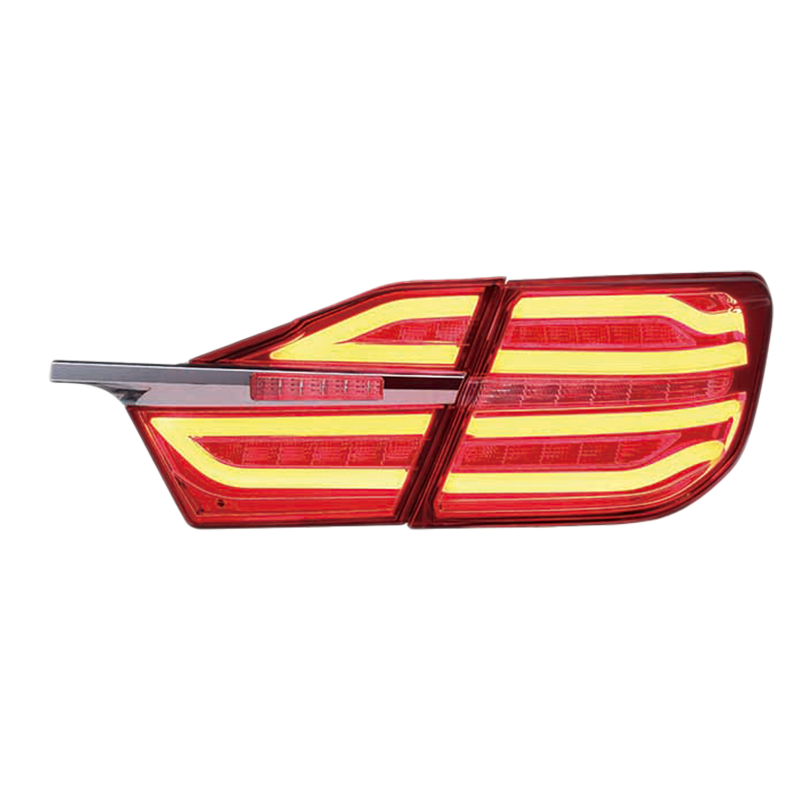
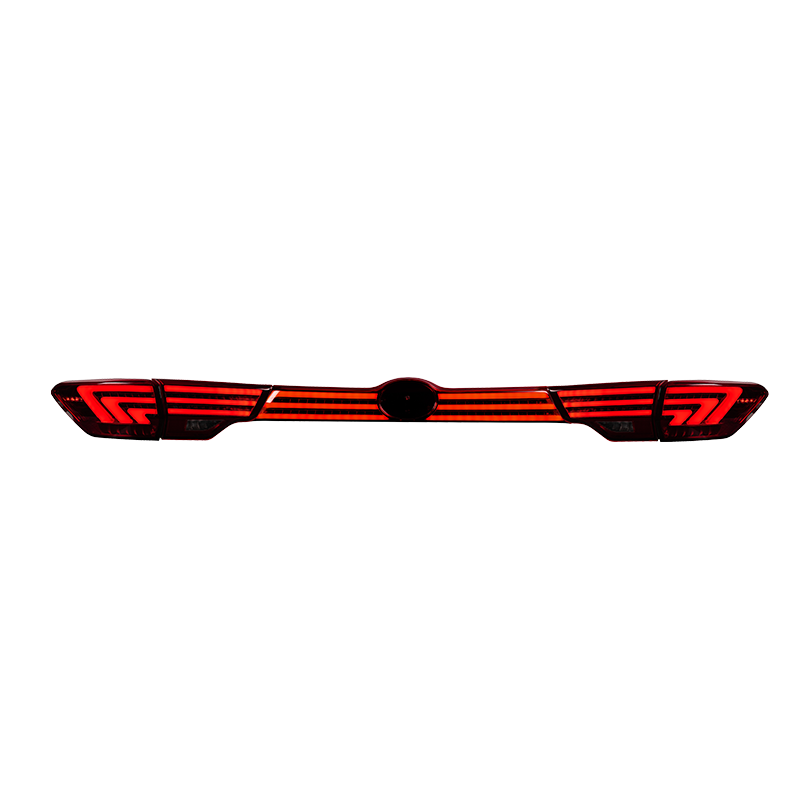
A driver pulling up behind a car with heavily smoked tail lights at dusk, squinting to figure out whether the brake lights are actually on, is running into exactly the tension this topic revolves around. Vehicle customization often begins with appearance. A small change to lighting can alter how a vehicle looks on the road and how its exterior design gets perceived by everyone passing by. Darker lenses, smoked finishes, and coordinated lighting details can create a genuinely different visual character without changing the overall shape of the vehicle underneath.
However, vehicle lighting also carries a genuinely important functional role that shouldn't get overlooked in pursuit of looks. Headlights help illuminate the road ahead, while tail lights, brake lights, and turn signals help other road users understand what the vehicle is actually doing in the moment.
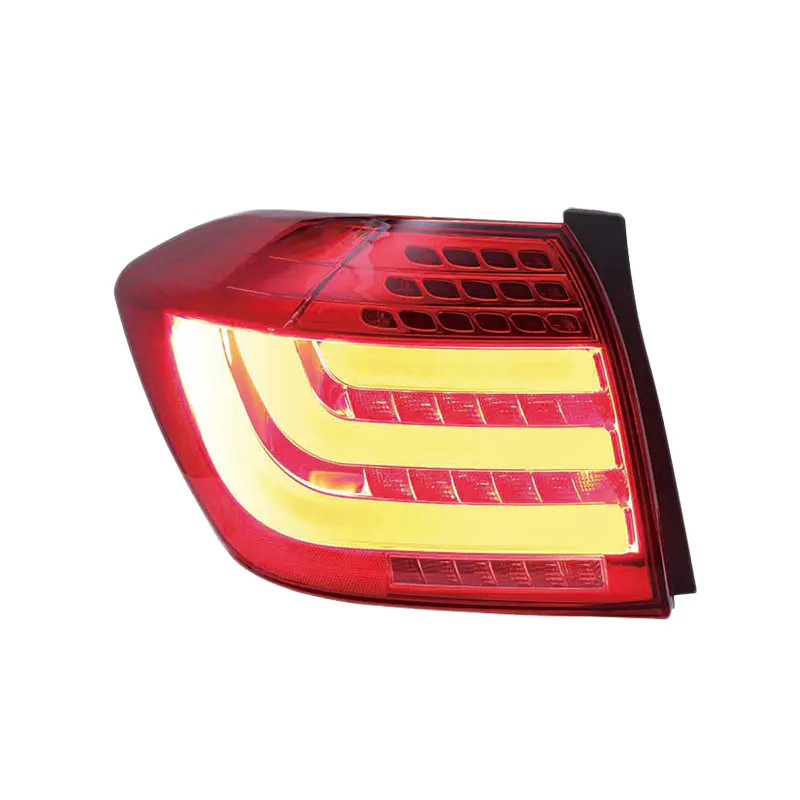
This creates a real balance between appearance and visibility that every modification has to reckon with.
Tinting tail lights and headlights can change the visual appearance of a vehicle, but the effect should always get considered alongside lighting function and local vehicle regulations. A darker appearance doesn't automatically mean a lighting system is unsuitable, yet excessive tinting or an inappropriate modification may reduce how clearly a light can be seen from a reasonable distance.
For vehicle owners, installers, and a tail light manufacturer, the challenge is treating appearance and visibility as connected parts of the design, rather than separate concerns handled by different people at different stages.
Vehicle lights are communication tools just as much as design elements, even if they don't always get treated that way.
A driver behind another vehicle may rely entirely on its tail lights to recognize braking or a change in direction happening ahead. Drivers approaching from the opposite direction depend on headlights to understand the vehicle's position and movement on a dark road.
This means the appearance of a lamp shouldn't get considered in isolation from its function.
A customization that changes the outer appearance while preserving the intended lighting function can create a genuinely more balanced result. A modification that noticeably reduces light visibility can create a genuinely different, and riskier, situation on the road.
| Lighting Area | Main Function | Design Consideration |
|---|---|---|
| Headlights | Illuminate the road ahead | Appearance should not interfere with useful illumination |
| Tail lights | Show vehicle presence and position | Visibility should remain clear |
| Brake lights | Indicate slowing or stopping | Signal recognition matters |
| Turn signals | Communicate direction changes | Color and visibility should remain appropriate |
| Rear lighting | Support vehicle recognition | Appearance should work with functional lighting |
The visual design may attract attention at a car meet or on the street, but the functional purpose remains just as important once the vehicle's actually moving through traffic.
This is why responsible customization begins with understanding the lighting role of each component before reaching for tint film or a darker housing.
Smoke headlights and taillights generally refers to lighting components or finishes that create a darker visual appearance than stock equipment provides.
The effect can range from a subtle smoked look barely noticeable in daylight to a much darker appearance that stands out immediately. Different products may achieve that visual effect through genuinely different design approaches, which matters more than people often assume.
The important point is that a smoked appearance doesn't describe one single construction method across every product on the market.
A darker lens, a tinted surface film, or a purpose-designed lighting assembly can all produce different results despite looking similar side by side. Their effect on light transmission can also vary considerably from one approach to the next.
For vehicle owners, this means appearance alone isn't enough when evaluating a product before purchase.
The lighting assembly should get considered as a complete unit, not judged by tint depth alone.
Factors may include:
A purpose-designed lighting assembly may approach appearance and function as part of the same design process from the start, engineered together rather than one bolted onto the other. A surface modification applied without considering the original lighting system may have a genuinely different effect on how the light actually performs once installed.
Tinting can give a vehicle a genuinely more coordinated exterior appearance when it's done thoughtfully.
Dark lighting surfaces can work well with darker body colors, contrasting trim, or other exterior styling choices already present on the vehicle. Some owners prefer a subtle smoked effect that's barely noticeable, while others look for a more dramatic visual change that makes a statement.
The appearance ultimately depends on the relationship between the lighting unit and the rest of the vehicle's design.
A useful customization approach considers the entire exterior rather than the lights in isolation. For example, a darker tail light may visually connect with dark window trim or other exterior details already on the car. A matching headlight appearance can make the front and rear designs feel a lot more consistent as a whole.
The visual effect can be influenced by several elements working together.
| Design Element | Possible Visual Effect |
|---|---|
| Lens color | Changes the apparent brightness and tone |
| Housing design | Influences the overall shape |
| Vehicle body color | Changes how the lighting appears against the body |
| Trim details | Can reinforce a coordinated appearance |
| Lighting layout | Affects how the lamp looks when illuminated |
The goal isn't simply making a light darker for the sake of it. Good customization considers how the lighting looks both when switched off sitting in a driveway and when actually operating on the road at night.
Appearance and visibility don't always have to conflict with each other, despite how it sometimes gets framed.
The key is understanding that lighting products get designed around specific functions from the ground up. A styling change shouldn't automatically get treated as harmless simply because the lamp still technically illuminates when switched on.
A darker lens can alter the way light appears from different viewing angles around the vehicle. It can also change how clearly a signal gets recognized in different surroundings, whether that's a sunny afternoon or a rainy night.
This matters particularly for rear lighting, where the stakes tend to be higher.
A brake signal needs to be recognizable to a following driver with enough time to react. A turn signal needs to communicate direction clearly to traffic around the vehicle. A vehicle's rear lighting also needs to remain visible under changing road and weather conditions that shift throughout a drive.
The same principle applies just as much to headlights up front.
Headlights aren't only decorative components sitting on the grille. Their purpose includes providing useful illumination and helping other road users recognize the vehicle approaching or passing.
For this reason, vehicle owners should avoid assuming a darker appearance automatically provides an acceptable result once installed.
The actual lighting performance and applicable legal requirements should get checked before modification, not after the fact when a ticket shows up.
The vehicle's original lighting system should get considered carefully before any customization begins.
Owners can look at the type of lamp, its purpose, and the way it's currently visible from different positions around the vehicle before deciding what to change.
Local laws are genuinely important here too, more than people sometimes realize until it's too late.
Lighting requirements can vary considerably by location. Rules may cover light color, visibility, brightness, placement, or modifications to original equipment, and these details differ from one jurisdiction to the next.
A customization that's acceptable in one area may not be permitted in another, even a short drive away.
Before choosing tinting tail lights and headlights, owners can consider:
These questions help shift the focus from appearance alone toward practical vehicle use on real roads. A responsible modification should remain compatible with normal driving conditions, not just look good parked in a garage under good lighting.
A tail light manufacturer has to consider a lot more than just the visual appearance of a lamp sitting on a shelf.
The lighting assembly needs to work as part of a complete vehicle system, not as a standalone accessory. Lens design, housing structure, light distribution, and exterior styling all interact with each other in ways that affect the finished product.
Manufacturers may develop different appearance options while maintaining close attention to the intended function of the lamp throughout development. This can involve designing the appearance directly into the lighting assembly, rather than relying only on an aftermarket surface treatment applied later.
A manufacturer may consider several areas during product development:
This approach allows appearance to become part of the product design from the beginning, rather than an afterthought bolted on once engineering's finished.
For buyers, product information can therefore prove genuinely useful when comparing different lighting options side by side. A clear description of intended use, vehicle compatibility, and compliance information can make the selection process a lot easier to navigate.
Headlights and tail lights perform genuinely different functions, so they shouldn't automatically get treated as identical customization projects with the same rules applying equally.
Headlights are designed to illuminate the area ahead of the vehicle for the driver's benefit. Tail lights primarily help communicate vehicle presence and driver actions to traffic following behind.
Because their purposes differ, the consequences of reduced visibility can also differ quite a bit between the two.
| Lighting Component | Main Concern |
|---|---|
| Headlights | Useful road illumination and recognition |
| Tail lights | Rear visibility and vehicle presence |
| Brake lights | Clear recognition of braking |
| Turn signals | Clear communication of direction |
| Rear reflectors | Recognition when lighting conditions change |
A modification that looks acceptable on an unlit vehicle parked at the curb may appear genuinely different once the lights are actually operating in traffic.
This is why evaluation should include both conditions, not just one convenient snapshot.
Owners can observe the vehicle from appropriate viewing positions and consider whether the lighting remains easy to recognize under realistic conditions. Professional inspection may also be appropriate when there's uncertainty about compliance or functional performance that a quick glance won't resolve.
Lighting doesn't operate in a controlled environment like a showroom floor.
Vehicles get used during daylight, at night, in rain, in fog, and in areas with genuinely different levels of surrounding light throughout a normal week. A modification that seems visually subtle in a garage under fluorescent lights may appear quite different once it's actually outdoors.
Environmental conditions can affect how easily a light gets noticed by others sharing the road.
Rain can create reflections that scatter light unpredictably. Fog can reduce contrast considerably. Bright daylight can make some lighting signals harder to distinguish against a washed-out background.
These conditions make visibility a genuinely important consideration when changing lighting appearance, rather than an afterthought.
Vehicle owners should think through normal driving conditions, rather than judging a modification only under ideal circumstances in a driveway. The same principle applies to smoke headlights and taillights just as much. A smoked appearance should get evaluated as part of real vehicle use on actual roads, not simply as an exterior styling feature admired at a standstill.
Buyers can compare products by looking well beyond color and surface appearance alone.
The construction of the lighting component matters quite a bit. So does the intended application it was designed around.
A purpose-designed lighting assembly may offer a genuinely different experience from a simple surface treatment slapped on afterward. The two options shouldn't get assumed to have identical effects just because they look similar in photos.
Useful comparison points include the following.
| Comparison Area | Question to Ask |
|---|---|
| Appearance | Does the finish match the vehicle design? |
| Visibility | Is the light clearly recognizable when operating? |
| Compatibility | Is the product intended for the vehicle application? |
| Installation | Can it be installed without creating unnecessary problems? |
| Maintenance | Can the lighting unit remain accessible for inspection? |
| Compliance | Does it meet applicable local requirements? |
| Durability | Is the construction suitable for normal vehicle use? |
The product should fit both the vehicle and the owner's intended use, rather than getting chosen on looks alone from a catalog photo. A darker appearance may be genuinely attractive, but it shouldn't be the only selection criterion driving the purchase.
Installation can influence the final result more than people expect going in.
A lighting component that's incorrectly positioned, poorly connected, or unsuitable for the vehicle may not operate as intended once it's actually on the road. This matters particularly when replacing an original lighting assembly entirely rather than adding a film or coating.
The installation should preserve the intended position and function of the lamp throughout the process. Connections should be secure, and the finished assembly shouldn't create avoidable problems with vehicle operation down the line.
For surface tinting or other appearance modifications, the application should also get handled carefully from start to finish.
An uneven finish can affect appearance in ways that are hard to fix later. Poor application can create maintenance problems or make future inspection genuinely more difficult for whoever works on the vehicle next.
Professional installation may be appropriate when the modification involves vehicle lighting systems directly or when local regulations are unclear to the owner.
The purpose of customization is changing the vehicle's appearance while keeping it suitable for normal road use, not just for looking good parked at a meet.
The most useful approach is treating styling as part of a complete lighting design, rather than a separate layer applied afterward.
A vehicle can have a darker, coordinated appearance without making lighting function an afterthought in the process. Designers, owners, installers, and manufacturers can consider the relationship between:
This approach gives tinting tail lights and headlights a genuinely broader context to work within.
The question isn't simply whether a smoked appearance looks attractive parked in a driveway. It's whether the selected design remains suitable when the vehicle is actually operating on the road among other drivers.
For smoke headlights and taillights, the same principle applies just as directly. Appearance can be part of customization, while visibility remains a genuinely important functional consideration throughout.
For a tail light manufacturer, this balance can influence product development, housing design, lens appearance, and the way lighting functions get integrated into the finished assembly from the start.
When style and function get considered together, vehicle lighting customization becomes more than a change in color or surface appearance. It becomes a design decision connected with how the vehicle looks, communicates, and operates in everyday driving conditions on real roads.
We are a modern headlight manufacturer that integrates R&D, design, production and sales. We mainly produce headlamps, taillights, daytime running lights and other automotive lighting products.
Add: No.3 Shiyang Road, Ningxi Town, Huangyan District, Taizhou City, Zhejiang Province, China
Tel: +86-13105675552 / +86-15606586299
Fax: +86-576-89161556
E-mail: [email protected]
Copyright © Taizhou Baozhiwei Vehicle Industry Co.,Ltd. All Rights Reserved.

 English
 русский
 Español