Call us

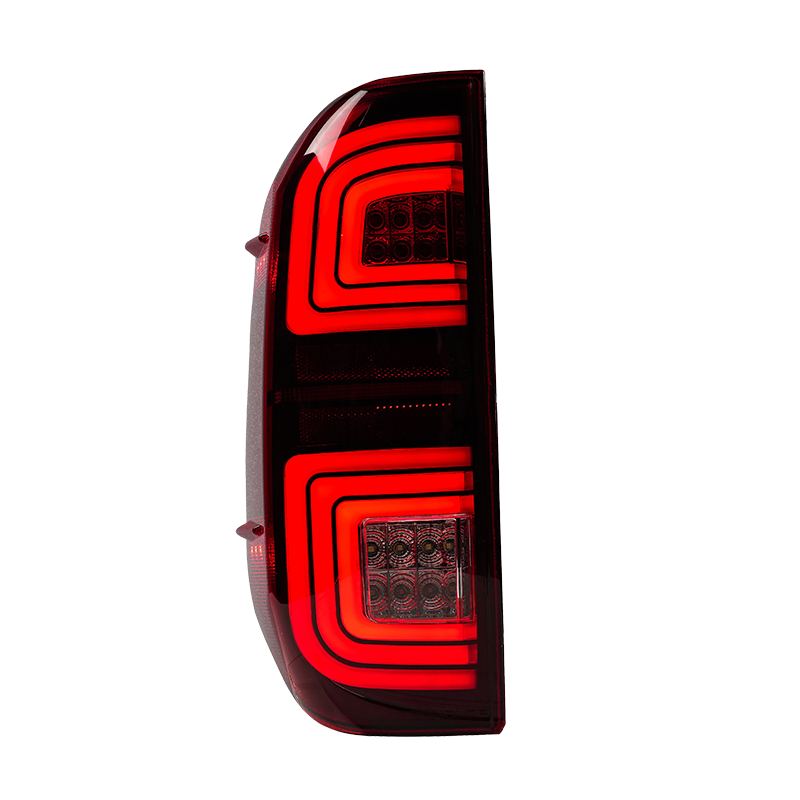
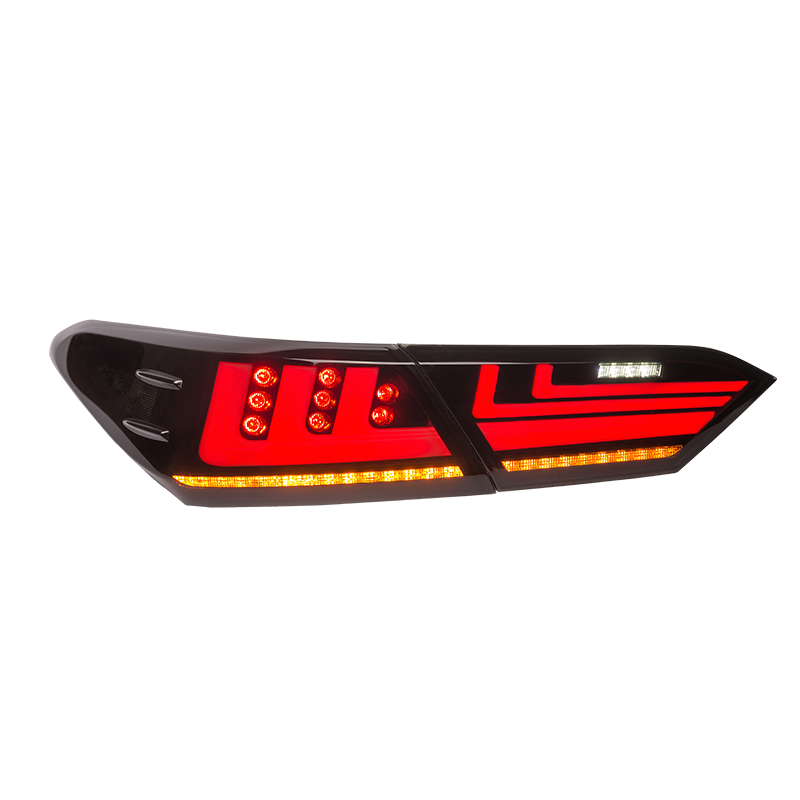
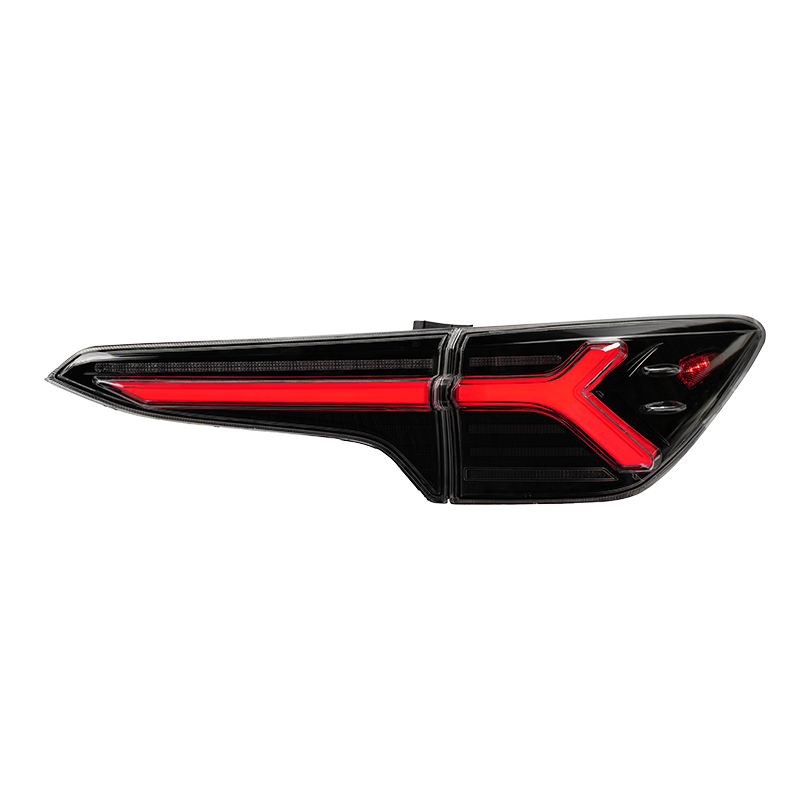
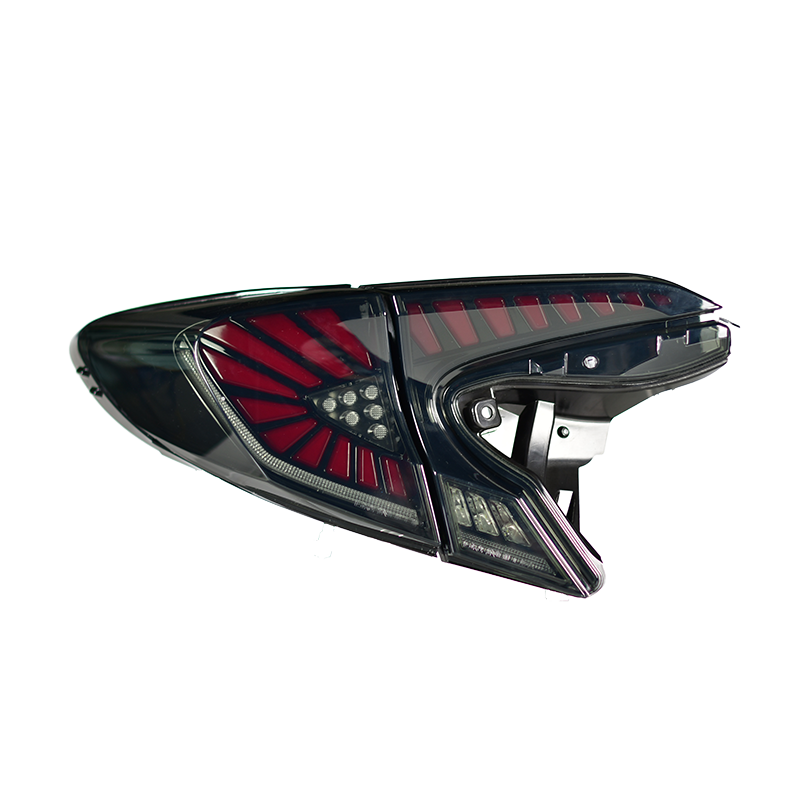
A car sitting in a driveway with a carefully chosen body kit, aftermarket wheels, and a redone interior can still look somehow unfinished the moment someone notices the lighting doesn't match the rest of the build. A vehicle can have every other detail dialed in and still look off when the lighting doesn't match the overall style. For many customizers, the real challenge is finding a darker lighting appearance without making the vehicle harder to see or less suitable for actual road use. This is where Smoke Headlights and Taillights start attracting attention on forums and at local meets alike.
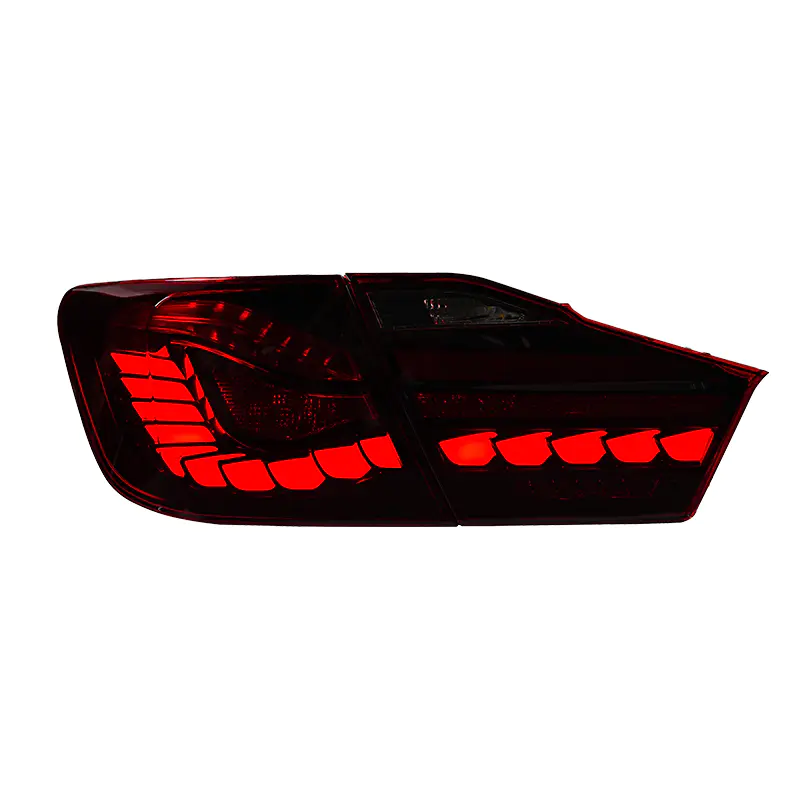
Tinted lighting can genuinely change the visual character of a vehicle with a relatively small exterior modification. Headlights and taillights aren't purely decorative components, though, no matter how much they contribute to a build's overall look. They're part of the vehicle's signaling and visibility system, doing real work every time someone hits the road after dark. Any change to their appearance needs consideration alongside light output, visibility, installation, maintenance, and local requirements — not just how good it looks in photos.
For vehicle customizers, the practical question isn't simply how dark a light should look sitting in the garage. It's how the styling choice can fit the vehicle while preserving its intended lighting function once it's actually driving down a dark road.
Lighting is one of those areas where a small visual change can affect the entire appearance of a vehicle sitting in a parking lot. Clear or bright factory lighting often creates a strong contrast with darker body colors, while a smoked appearance can create a much more unified exterior overall.
The appeal usually comes down to visual balance more than anything else. A customized vehicle might include dark wheels, trim, glass, grilles, or body accents already. Smoked lighting can connect these elements together and give the exterior a more consistent appearance from bumper to bumper.
Common reasons for considering smoked lighting include:
The final result depends heavily on the vehicle itself, though. A tint that works well with one design can look genuinely out of place on another car sitting right next to it. That's why customizers often consider the complete exterior rather than treating the lights as some isolated detail tacked on separately.
Tinting Tail Lights and Headlights can alter how a vehicle's front and rear lighting blends with the surrounding bodywork.
At the front, darker headlight styling can make the vehicle appear more understated pulling into a parking spot. At the rear, smoked taillights can create a cleaner connection between the lamp housing, trunk area, bumper, and other dark exterior elements already on the car.
The visual effect varies depending on several factors:
| Vehicle Element | Possible Styling Effect |
|---|---|
| Dark body color | Creates a coordinated appearance |
| Light body color | Creates stronger contrast |
| Dark wheels | Helps connect exterior accents |
| Black trim | Supports a consistent visual theme |
| Sport-inspired styling | Can reinforce a customized appearance |
The material and application method influence the result quite a bit too. A uniform finish generally looks a lot more intentional than uneven coverage that catches the eye for the wrong reasons. Edges and corners deserve real attention here, since visible inconsistencies become more noticeable when the vehicle is viewed from different angles under changing light.
Customizers should also consider whether the modification can get removed or replaced later down the road. A reversible approach can prove useful for owners who change their vehicle styling over time as tastes shift.
Appearance is only one part of this decision, even though it's often the part that gets the most attention up front.
Before selecting a smoked lighting solution, vehicle owners should understand how the modification interacts with the original lighting system underneath. A darker exterior finish can change the visual appearance of the lamp, but the underlying lighting function still needs to remain appropriate for its intended use on the road.
The condition of the original light deserves consideration as well. Older or damaged housings may already have reduced clarity before any modification even happens. Adding a tint or dark finish to a compromised component can create additional concerns that weren't there to begin with.
A basic assessment can include:
This process helps separate styling decisions from safety considerations, which matters more than it might seem at first glance. A customizer shouldn't assume a visually attractive finish is automatically appropriate for road use, just because it looked good in someone else's build photos.
This is one of the more important questions in the whole customization process, and it deserves honest consideration rather than getting glossed over.
Headlights and taillights carry functional roles beyond their appearance. Headlights help illuminate the road and make the vehicle visible to others sharing that same stretch of highway. Taillights and related signals communicate the vehicle's position and intentions to drivers behind it.
A darkened appearance can affect how these lights get perceived, depending on the material, application, lighting design, and viewing conditions on any given night. This is exactly why customizers should avoid treating tinting as purely cosmetic, even though it often gets marketed that way.
The finished component should still provide appropriate visibility for its intended purpose. Local road regulations may also place restrictions on modifications that affect lighting color, brightness, or visibility, and these vary a lot by location. For vehicles used on public roads, checking local requirements before modification is a genuinely practical step worth taking before ordering anything.
A style acceptable for a display vehicle or private setting isn't necessarily appropriate for everyday road use once the sun goes down.
The original lamp assembly provides the foundation for any styling modification that follows, whether people think about it that way or not.
If the housing is clear, intact, and properly maintained, the visual result is generally a lot easier to control during installation. If the surface is cloudy, scratched, cracked, or otherwise damaged, the final appearance may end up less consistent than expected.
The condition of the surrounding components matters too. A carefully modified lamp can look out of place if the nearby trim is faded or damaged from years of sun exposure. Vehicle customization works best when individual changes get considered as part of a larger design, rather than in isolation.
For this reason, customizers may want to inspect:
A clean starting surface also makes the application process a lot easier to manage once work actually begins.
A Tail Light Manufacturer gets involved in producing lighting assemblies and components intended for specific vehicle applications. For customizers, manufacturer information can prove genuinely useful when evaluating compatibility and construction before committing to a purchase.
Different lighting assemblies use different housing designs, mounting arrangements, and surface materials from one vehicle to the next. This means a customization method shouldn't get selected solely because it worked well on someone else's vehicle at a show.
A manufacturer or supplier can provide information about the original component, compatible replacement parts, and the intended installation approach for a specific application.
When evaluating a lighting product, buyers can ask about:
| Area | Question to Consider |
|---|---|
| Compatibility | Is the component suitable for the vehicle? |
| Construction | Is it designed for the intended environment? |
| Installation | Does it fit the original mounting position? |
| Maintenance | Can the surface be cleaned and inspected easily? |
| Styling | Does the finish match the desired appearance? |
| Road use | Does the modified lighting comply with local requirements? |
This type of information helps customizers make decisions based on the actual vehicle in front of them, rather than appearance alone in a catalogue photo.
Installation quality can have a noticeable effect on the finished appearance, more than a lot of first-time customizers expect going in.
A poorly applied film or coating may show wrinkles, bubbles, uneven edges, or inconsistent coverage once it's on the lamp. These problems can make an otherwise well-planned customization look genuinely unfinished, undoing a lot of the effort put into the rest of the build.
Preparation matters a great deal here. The surface should be clean and free from conditions that could interfere with the selected application method. Installers should also understand the shape of the lamp before beginning any work on it.
Curved housings can require more careful handling than relatively flat surfaces. Tight corners and edges may need additional attention that's easy to rush past.
A practical installation plan can include:
The process should also let the installer inspect the finished component under normal lighting conditions, not just in a dim garage. Small flaws that are difficult to notice during installation can become obvious pretty quickly once the vehicle is outside in daylight.
Vehicle customization involves real trade-offs between appearance, function, maintenance, and long-term use, whether or not people think through them ahead of time.
A smoked lighting design can contribute genuinely to a coordinated exterior, but it shouldn't create unnecessary problems for the owner driving the car every day. The vehicle's intended use matters a lot here.
A show-oriented vehicle may get customized differently than a daily commuter that sees regular traffic. A vehicle that regularly travels at night may need more attention to lighting visibility than one used mainly during daytime events on weekends.
The owner's priorities can get considered in a fairly simple way:
| Priority | Customization Consideration |
|---|---|
| Appearance | Choose a finish that matches the exterior |
| Visibility | Avoid unnecessary reduction in useful light |
| Maintenance | Select a surface that can be inspected and cared for |
| Flexibility | Consider whether the modification can be changed |
| Compliance | Check local requirements before road use |
This approach keeps customization genuinely practical. The goal isn't eliminating personal styling choices from the equation. It's making sure those choices actually fit the vehicle's real purpose once it leaves the driveway.
Product selection can influence both appearance and installation quite a bit, more than a quick glance at product photos might suggest.
Buyers should look beyond photographs when comparing different smoked lighting options online. A product might look attractive in an image while being less suitable for a particular vehicle or installation method in practice.
Useful questions include whether the product fits the intended lamp, how it gets installed, how it can be maintained over time, and whether it's designed for the environment the vehicle will actually operate in.
Material quality can influence the finished appearance too. An appropriate product should work with the shape and surface of the lamp, rather than creating unnecessary installation difficulties that weren't anticipated.
Buyers may also want to distinguish between a complete replacement lamp and a surface modification applied to the existing lamp. These approaches can produce genuinely different results and involve different installation considerations along the way.
A replacement assembly may provide a more integrated appearance overall, while a removable tinting approach may offer greater flexibility for owners who want to change the vehicle's style again later on.
The right choice really depends on the vehicle, the desired appearance, and the intended use it'll see day to day.
For customizers considering Smoke Headlights and Taillights, the most useful approach treats lighting as both a design element and a functional vehicle component at the same time. Tinting Tail Lights and Headlights can change the character of an exterior in a meaningful way, but the condition of the original lamps, installation quality, visibility, maintenance needs, and local road requirements all deserve genuine attention throughout the customization process.
We are a modern headlight manufacturer that integrates R&D, design, production and sales. We mainly produce headlamps, taillights, daytime running lights and other automotive lighting products.
Add: No.3 Shiyang Road, Ningxi Town, Huangyan District, Taizhou City, Zhejiang Province, China
Tel: +86-13105675552 / +86-15606586299
Fax: +86-576-89161556
E-mail: [email protected]
Copyright © Taizhou Baozhiwei Vehicle Industry Co.,Ltd. All Rights Reserved.

 English
 русский
 Español