Call us

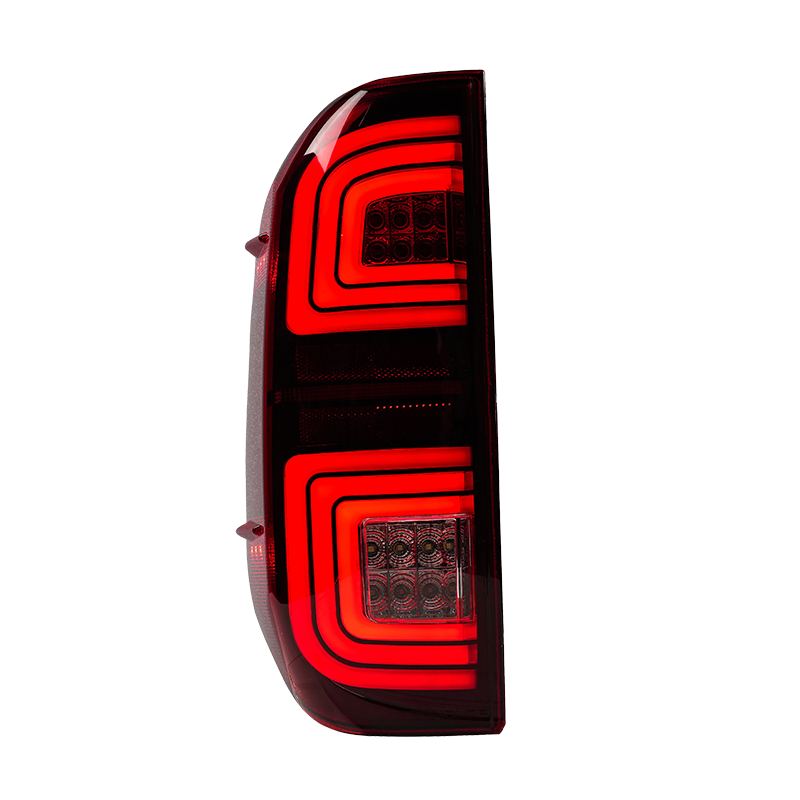
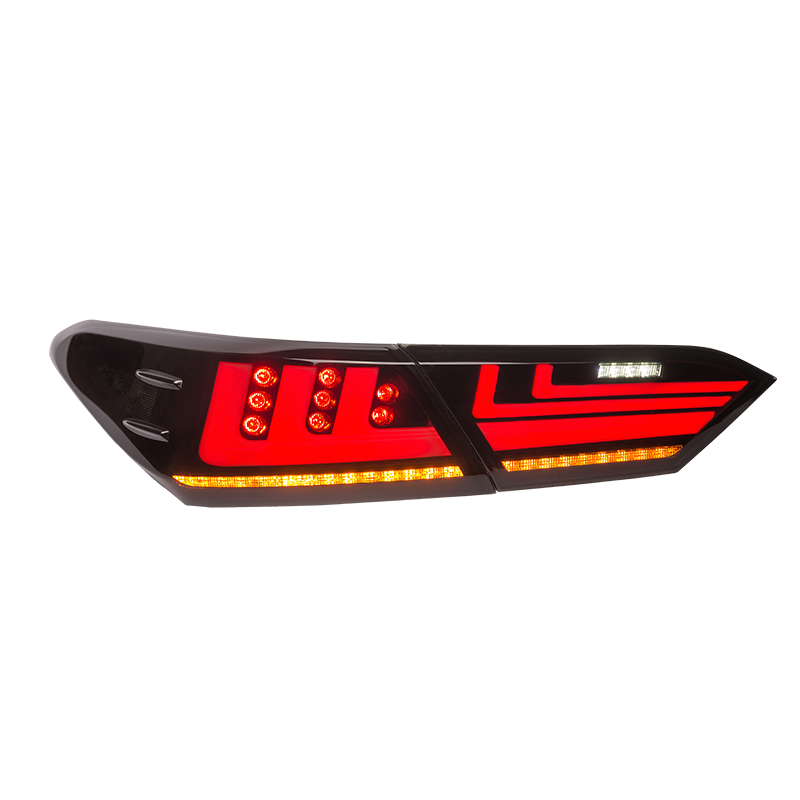
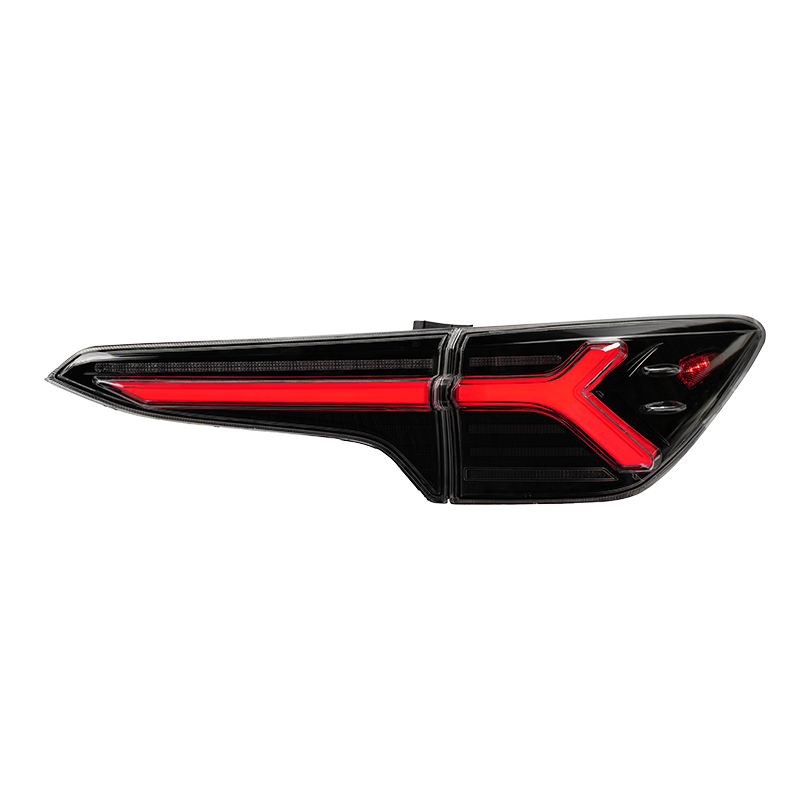
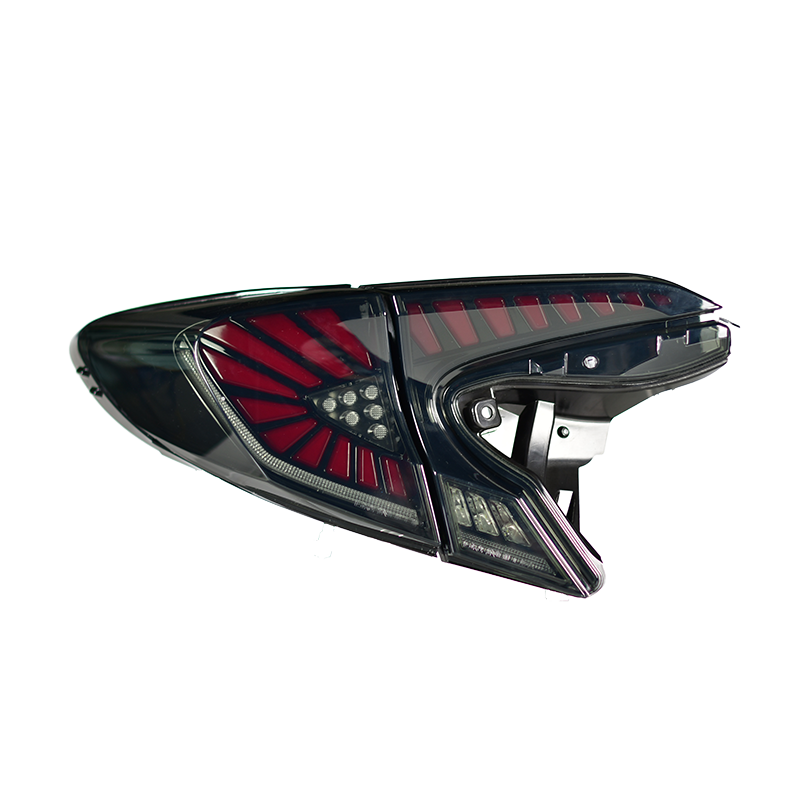
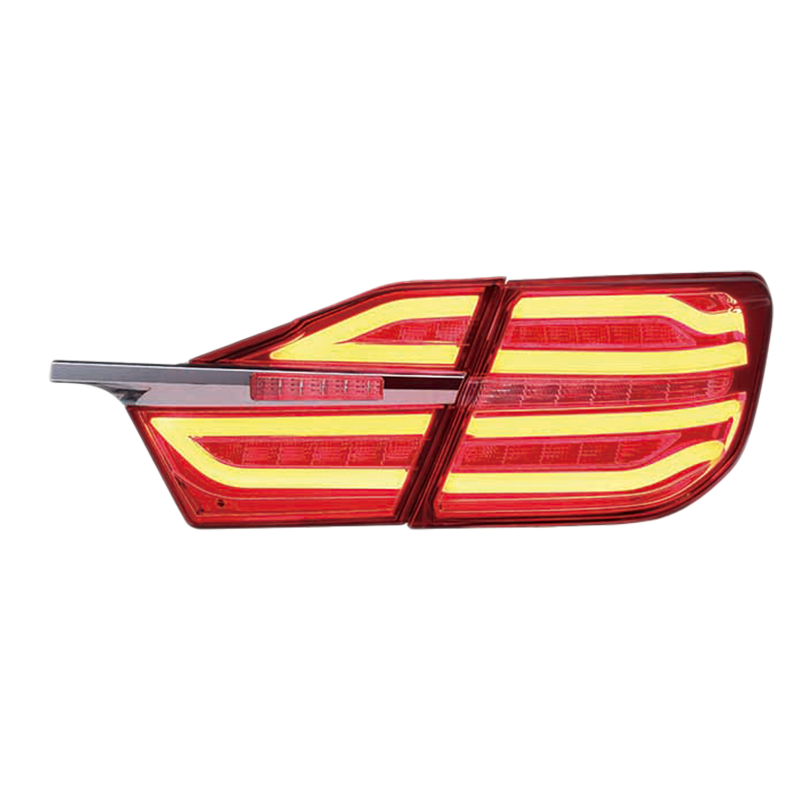
A tail light that's flickering, fogging up, or showing a few dead LEDs creates an immediate question that doesn't have an obvious answer at a glance: is this something a quick repair fixes, or is the unit already past the point where fixing it makes sense at all. Get this judgment wrong in either direction and the cost adds up — paying for a repair on a unit that fails again within months, or replacing an entire assembly when a five-minute connector fix would have solved it. Knowing which symptoms point toward a repair and which ones point toward swapping in something like Custom Car Led Tail Lights instead is what actually saves money and avoids repeat trips to the same problem.
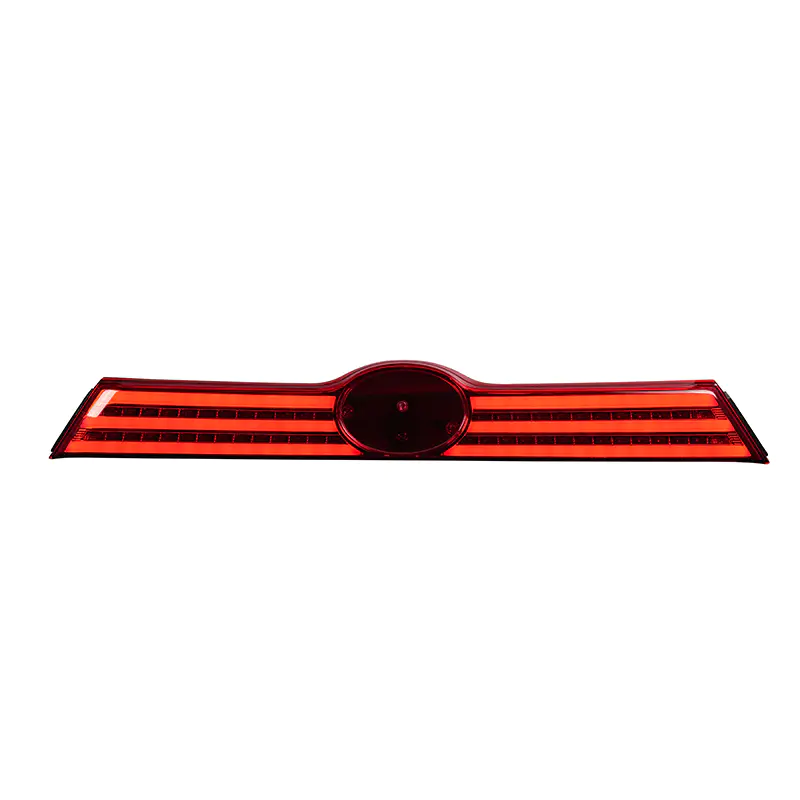
A single dead LED segment, a loose connector, or a blown fuse are electrical issues, but they sit at a very different severity level than a failed driver module or a circuit board that's been damaged by sustained moisture exposure. The first category is often a quick, inexpensive fix. The second category usually signals that the internal electronics have degraded to a point where repair becomes a temporary patch rather than a real solution.
A cracked lens or a chipped housing edge doesn't necessarily compromise the unit's function immediately, but it does compromise the seal that keeps moisture out going forward. A minor crack caught early might be sealed and monitored. A shattered housing or a broken mounting point that no longer holds the unit securely in the body panel is a different problem entirely, since a tail light that isn't seated correctly creates both a function issue and a safety risk on the road.
Fogging inside the housing is usually the first visible sign that the seal has failed somewhere, even before any actual water has pooled inside. Left unaddressed, that fogging typically progresses to actual water intrusion, which then accelerates corrosion on the internal wiring and connector points. Catching this at the fogging stage, before water actually gets in and starts corroding components, makes a real difference in whether the unit can still be saved.
Several common tail light issues respond well to targeted repair rather than full unit replacement.
Each of these issues involves a contained, identifiable point of failure rather than systemic degradation across the unit. Fixing the specific point of failure restores the assembly to full function without the underlying electronics or housing integrity being compromised elsewhere. The repair cost stays low because the work involved is targeted rather than requiring disassembly of the entire unit or sourcing replacement internal components that may not even be available separately.
Certain symptoms indicate that the underlying problem has progressed beyond what a targeted repair can reasonably address.
| Problem | Repair | Replace |
|---|---|---|
| Loose or corroded connector | Yes | |
| Single blown fuse | Yes | |
| Minor seal wear, no water inside yet | Yes | |
| Confirmed water inside housing | Yes | |
| Multiple LED segments failing | Yes | |
| Burned or damaged circuit board | Yes | |
| Cracked or shattered housing | Yes | |
| Reduced brightness affecting visibility | Yes |
A tail light that's dimmer than it should be, or one where the brake function and running light function have become hard to distinguish from each other due to degraded LEDs, genuinely affects how quickly other drivers react to braking or turning. This isn't an abstract concern — reduced rear visibility at night or in poor weather conditions has a direct relationship to following distance and reaction time for the driver behind.
Repairing just enough to get a tail light functioning again, when the underlying degradation is more extensive than the visible symptom suggests, can leave a vehicle running lights that look fine on a quick check but perform below the level needed for genuine nighttime visibility. This is part of why a unit showing multiple failure signs, even if a quick fix temporarily restores some function, often deserves a closer look rather than being considered solved.
A low-cost repair that addresses a symptom without resolving an underlying issue — patching a seal on a housing that's already showing signs of broader degradation, for instance — often leads to a repeat problem within a relatively short time. When that happens, the total cost across two repair attempts plus eventual replacement ends up higher than simply replacing the unit once the first time symptoms suggested it was warranted.
A unit that's needed more than one repair attempt for related symptoms within a short period is generally signaling that the underlying problem wasn't actually resolved the first time. At that point, continuing to chase the same issue with further targeted fixes tends to cost more in cumulative labor and parts than simply replacing the assembly and starting from a known, reliable baseline.
OEM LED Tail Lights are built to match the vehicle's original specifications exactly, which matters for anyone prioritizing a factory appearance, guaranteed fitment, and compatibility with the vehicle's existing wiring and control systems without any adjustment needed. This is generally the more straightforward choice for vehicles still under warranty consideration, or for owners who simply want the replacement to look and function identically to what was originally installed.
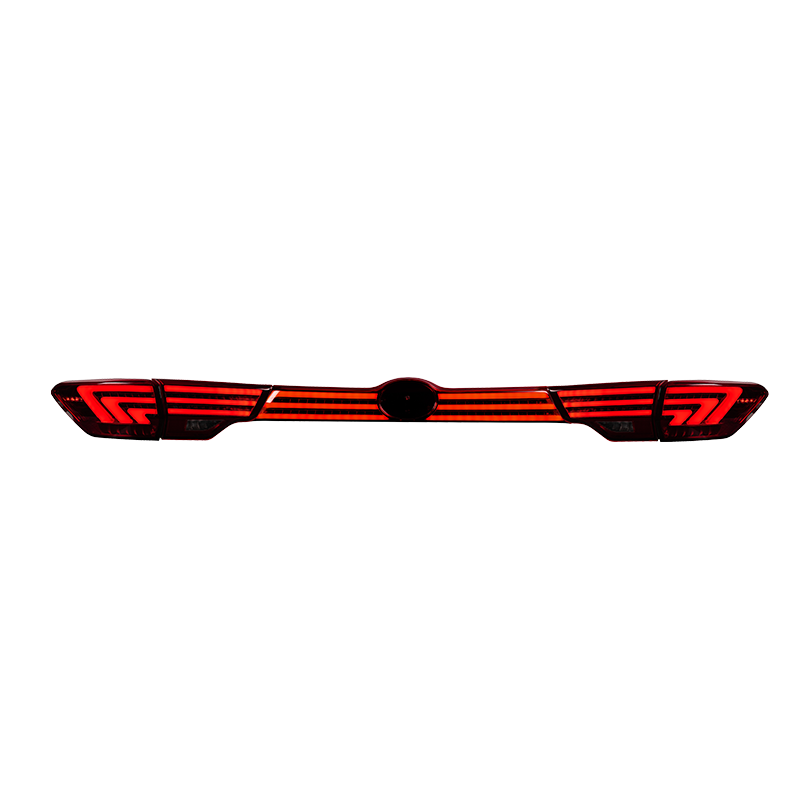
Custom Car Led Tail Lights open up options for appearance changes, different lighting patterns, or features the original equipment didn't include, which appeals to owners replacing a failed unit who are also interested in upgrading the look or function of the vehicle at the same time. Since the unit needs replacing anyway, this is often the point where owners decide to move toward a different style or feature set rather than simply restoring the original appearance.
Given how frequently moisture intrusion drives the original failure in the first place, choosing Waterproof LED Tail Lights for the replacement directly addresses the root cause rather than simply restoring function with a unit equally vulnerable to the same seal degradation over time. This is particularly relevant for anyone replacing a unit that failed due to confirmed water damage, since installing an equivalent unit without improved sealing risks facing the same failure pattern again down the road.
For vehicles where more than one lighting function in the rear assembly is showing wear or inconsistent performance, Multi Function LED Tail Lights that combine brake, turn signal, and running light functions into a single integrated unit can simplify both the replacement decision and future maintenance, since there's one assembly to monitor and service rather than multiple separate components aging at different rates.
Confirming that a replacement unit, whether OEM or custom, matches the vehicle's specific model, year, and trim level avoids the frustration of receiving a unit that doesn't seat correctly in the body panel or doesn't connect properly to the existing wiring harness. This is particularly relevant for custom units, where appearance variations sometimes come with mounting or wiring differences that aren't immediately obvious from product images alone.
A new unit should be checked for proper seal seating against the body panel and secure connector engagement at the time of installation, rather than assumed to be correct simply because it's new. Catching a poor seal at installation, before the vehicle has been exposed to weather conditions, prevents the same moisture intrusion problem from recurring on a brand new unit due to an installation issue rather than a product defect.
A tail light assembly on a vehicle that's been in service for many years has typically endured more cumulative thermal cycling, vibration, and weather exposure than a newer unit, even if the visible symptom looks identical to one on a younger vehicle. Seals and adhesives degrade gradually with age regardless of whether a specific failure has occurred yet, which means a repair on an older unit is working against a baseline that's already somewhat compromised compared to fresh materials. This doesn't rule out repair entirely, but it does shift the odds toward replacement being the more durable long-term choice once a real fault actually appears.
Vehicles regularly exposed to heavy rain, road salt, extreme temperature swings, or rough terrain put more cumulative stress on tail light seals and housings than vehicles driven primarily in milder, more controlled conditions. For owners in this category, choosing a replacement with stronger waterproofing from the outset, rather than simply matching the original specification, often prevents the same failure pattern from recurring within a similarly short timeframe.
Deciding whether to repair or replace a failing tail light comes down to identifying what's actually wrong rather than reacting to the visible symptom alone. A loose connector or a blown fuse rarely justifies full replacement, while confirmed water intrusion, multiple failed LED segments, or a damaged circuit board almost always do, regardless of how tempting a quick patch might seem in the moment. Factoring in the safety implications of reduced rear visibility, being honest about whether a cheap repair is actually solving the problem or just delaying it, and choosing a replacement — whether OEM for exact factory match or a custom, waterproof, or multi-function unit for added durability and features — that matches what actually caused the original failure all lead to a more reliable outcome than treating every tail light problem the same way. Taizhou Baozhiwei Vehicle Industry Co.,Ltd. manufactures a range of LED tail light solutions including OEM-matched, custom, waterproof, and multi-function configurations, supporting vehicle owners, repair technicians, and parts buyers who need a reliable replacement once repair genuinely isn't the right answer anymore.
We are a modern headlight manufacturer that integrates R&D, design, production and sales. We mainly produce headlamps, taillights, daytime running lights and other automotive lighting products.
Add: No.3 Shiyang Road, Ningxi Town, Huangyan District, Taizhou City, Zhejiang Province, China
Tel: +86-13105675552 / +86-15606586299
Fax: +86-576-89161556
E-mail: [email protected]
Copyright © Taizhou Baozhiwei Vehicle Industry Co.,Ltd. All Rights Reserved.

 English
 русский
 Español