Call us

A tail light does more than produce a red glow at the rear of a vehicle sitting in traffic. Its light needs to reach the intended viewing area, remain recognizable from different positions, and create a clear visual signal the moment a vehicle changes speed or direction. The way light distributes across the lamp therefore matters just as much as the light source itself sitting behind the lens.
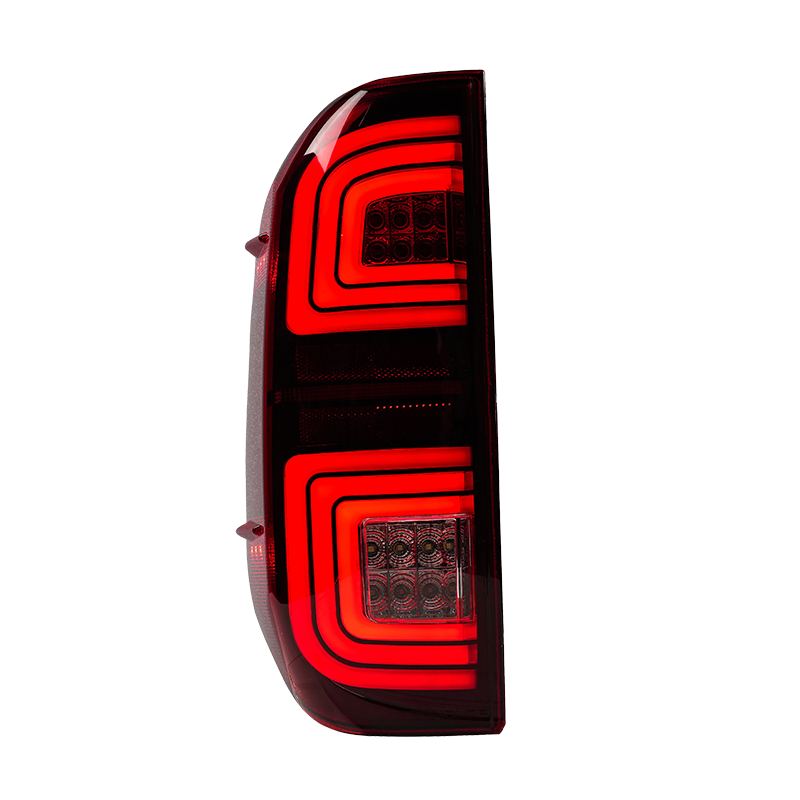
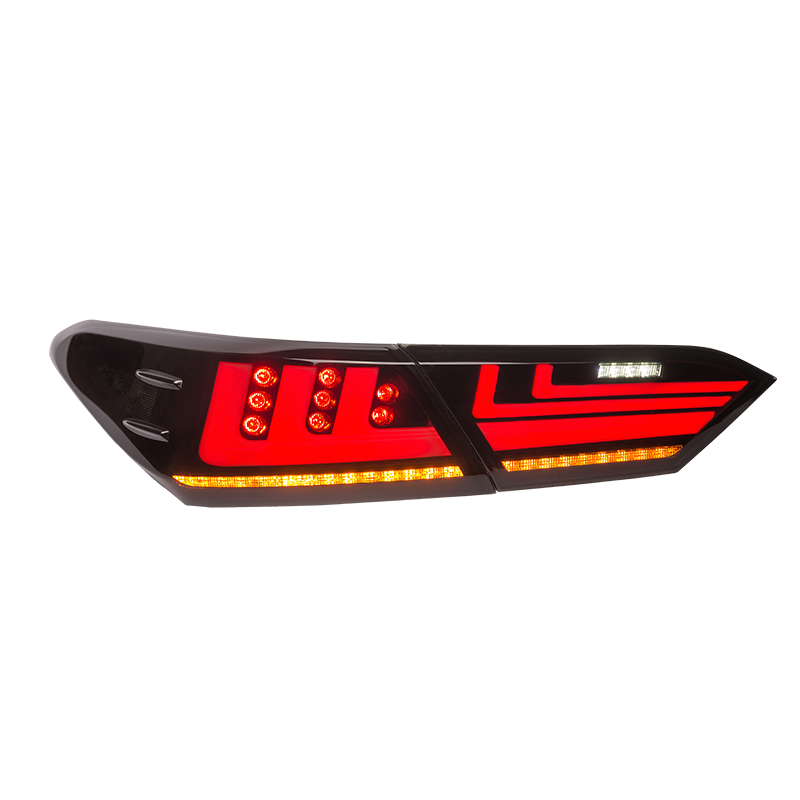
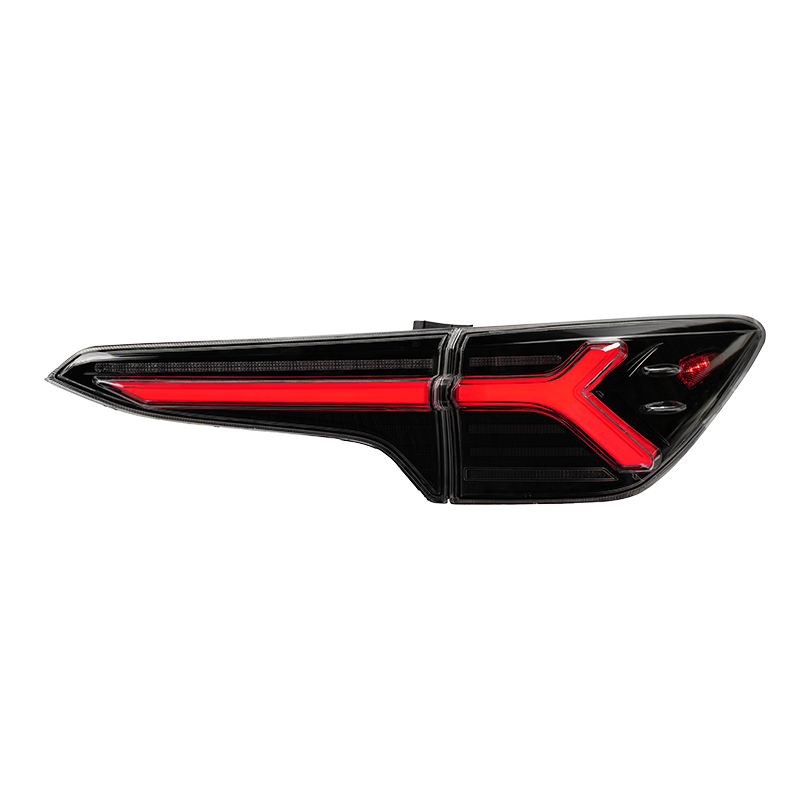
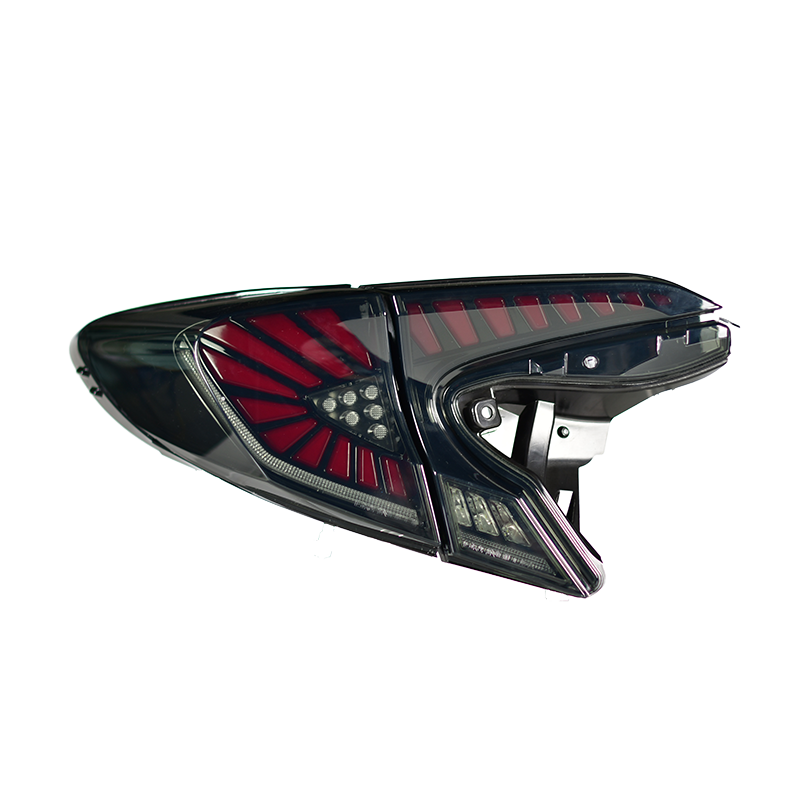
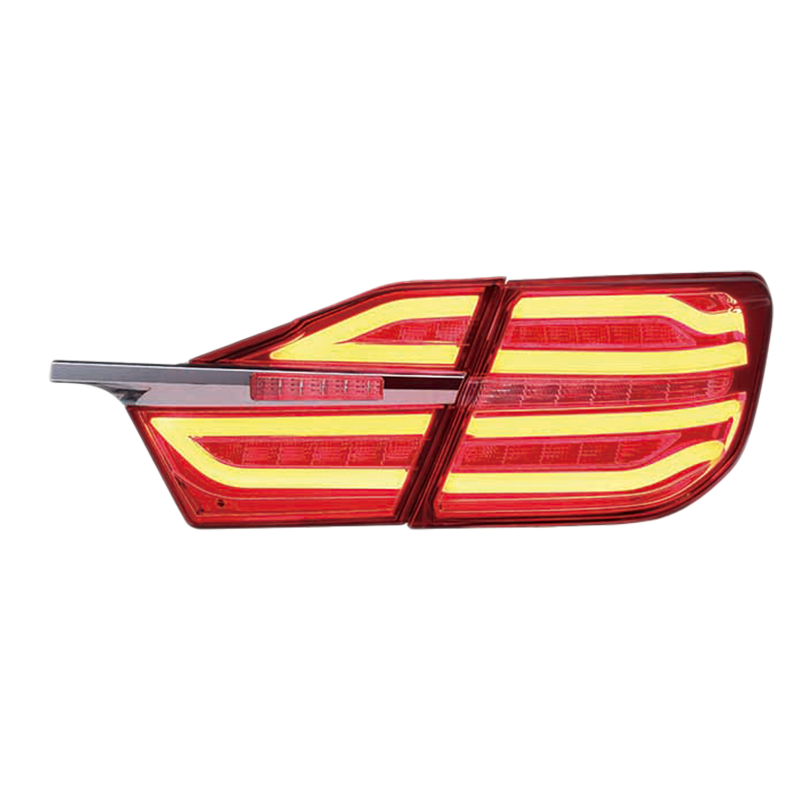
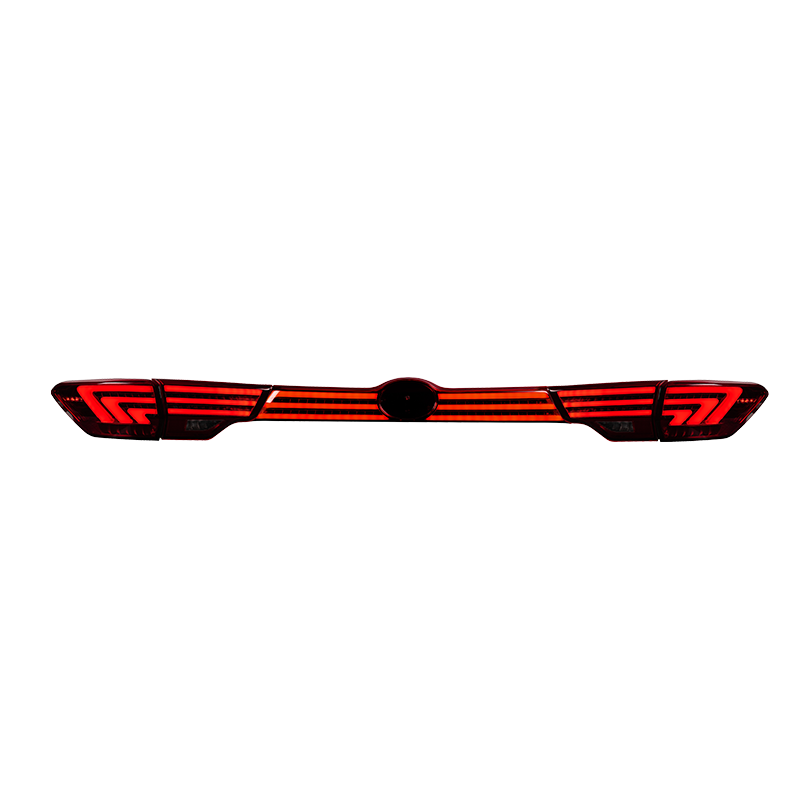
Modern Custom Car LED Tail Lights give designers a lot more freedom to work with LED chips, lenses, reflectors, and internal layouts than older bulb-based designs ever allowed. Instead of treating the lamp as one single bright surface, designers can control how different sections contribute to the final appearance and lighting pattern seen from the road.
This approach makes optical design a genuinely important part of tail light development from the earliest sketches. Chip arrangement, lens shape, internal surfaces, and the distance between components can all influence how light leaves the housing once it's switched on. These details also affect how the lamp looks when viewed from different angles, not just straight on from behind.
Light distribution describes how illumination spreads from the tail light toward the surrounding area around a vehicle. A lamp may look genuinely bright when viewed directly from behind, yet its appearance can change quite a bit once the viewing position moves off to the side.
This is exactly why optical design needs to consider more than just the center of the lamp. The lighting pattern should work with the shape of the housing and the intended viewing directions drivers actually experience on the road.
Several parts contribute to this behavior together.
| Component | Role in Light Distribution |
|---|---|
| LED chips | Produce the initial light |
| Lens | Directs and spreads light |
| Reflective surface | Redirects light within the housing |
| Internal structure | Separates or guides different light areas |
| Outer cover | Influences the final appearance |
The interaction between these parts creates the visible lighting pattern people actually see driving behind a car. Changing one part can affect the way the others behave, sometimes in ways that only show up once the whole assembly gets tested together.
For a Tail Light Manufacturer, this means optical planning needs to happen alongside mechanical and visual design, rather than getting treated as some separate finishing step tacked on at the end.
LED chips are small light sources, but their positions can strongly influence the final appearance of a lamp once it's assembled. The distance between chips, their arrangement, and the way they correspond with the lens can create noticeably different visual effects on the road.
A closely grouped layout can produce a concentrated lighting area that reads as a single bright point. A more distributed arrangement can help create a wider illuminated pattern spreading across the lamp instead.
Designers may arrange chips in rows, curved lines, rings, segmented sections, or geometric patterns depending on the overall design intent. The choice depends heavily on the shape and purpose of the tail light being developed.
A long horizontal lamp, for example, may use a layout that follows the housing shape closely from end to end. A rounded lamp may use a circular or layered arrangement instead to create a more continuous visual pattern around its curve.
Chip placement also affects how evenly the lamp appears when viewed through the outer lens from a passing car. If the relationship between chip positions and lens structure is poorly matched, bright spots or darker areas may become visible in ways that look unintentional.
This matters particularly for Custom Car LED Tail Lights, where the optical pattern often becomes part of the overall exterior design statement a customer is paying for.
An LED chip produces light from a relatively small area, roughly the size of a fingertip in most designs. Without suitable optical control, that light may not spread across the intended section of the lamp in a genuinely useful way once it leaves the chip.
The lens provides a way to guide that light toward where it actually needs to go. Lens shape can influence how light travels through the lamp from source to surface, since curved surfaces, internal patterns, and different surface textures can change the direction and spread of the illumination considerably.
A lens can help create wider light coverage, more even illumination, defined lighting sections, controlled visual boundaries, and a smoother overall appearance across the lamp's surface.
The lens and LED layout need genuine design together, not as two separate afterthoughts. Placing an LED in a suitable position isn't enough on its own if the lens ends up directing its light away from the intended area entirely.
The opposite holds true as well. A carefully designed lens may not produce the intended pattern if the chip arrangement behind it doesn't match its optical structure properly.
This relationship makes lens design a genuinely important part of LED tail light development from the very start of a project.
Some LED tail lights use internal reflective surfaces to redirect light before it ever reaches the outer lens. These surfaces can change the path of light inside the housing and help designers manage areas that would otherwise appear noticeably uneven to a viewer.
The reflective structure can get shaped around the LED layout it's paired with. It may direct light toward a particular section of the lamp or help spread illumination across a much larger area than the chips alone could cover.
The interaction can be understood through a simple sequence: the LED chip produces light, the internal surface redirects it, the lens shapes it further, and the result becomes the visible light pattern a driver sees. Each stage changes how the light actually moves through the assembly.
If the internal structure isn't well matched to the chip and lens working alongside it, part of the emitted light may not contribute effectively to the intended pattern at all. This can create differences in brightness across the lamp that weren't part of the original design intent.
For a manufacturer, testing the complete optical assembly together is therefore a lot more useful than examining the LED chip in isolation on a workbench.
Uneven chip placement can create visible differences across the lamp that catch the eye immediately. One section may appear brighter while another looks noticeably weaker, even when the exact same type of LED gets used throughout the assembly.
This doesn't necessarily mean the LEDs themselves are unsuitable for the job. The issue can come instead from their relationship with the lens, reflector, housing, or neighboring components sitting nearby.
| Optical Condition | Possible Appearance |
|---|---|
| Closely grouped chips | Concentrated light area |
| Widely spaced chips | Visible gaps between light sources |
| Poor lens alignment | Uneven illuminated sections |
| Different internal depths | Changes in perceived brightness |
| Unbalanced layout | Irregular visual pattern |
Designers can reduce these effects by treating chip placement and optical structure as one connected system rather than separate decisions made independently.
This approach proves particularly useful when a lamp has several visual sections working together. Each section may need to maintain a similar appearance while still following the overall shape of the housing it's built into.
The outer shape of a tail light places real physical limits on the optical system tucked inside it. A narrow housing provides a genuinely different design space from a wide or curved housing sitting on a different vehicle.
The available internal area affects where LED chips can actually get placed within the assembly. It also changes how the lens can get shaped and how reflective surfaces can get positioned relative to everything else.
For Custom Car LED Tail Lights, housing shape often stays closely connected with the vehicle's exterior styling as a whole. A curved lamp, for example, may require the optical system to follow the same visual direction as the body panel it sits against.
A flat section, by contrast, may allow a genuinely different arrangement entirely. This means optical design really can't get developed without considering the housing surrounding it from the start.
The mechanical space, LED layout, lens position, and external appearance all need to work together as one unit. When these elements get planned as a single assembly, the lighting pattern can follow the physical form of the lamp a lot more naturally once it's built.
A tail light isn't always viewed from directly behind the vehicle it's mounted on. Other road users may approach from different positions on the highway, and the lamp can appear quite different as the viewing angle changes throughout a normal drive.
This makes angular distribution a genuinely important part of optical design. A lamp may have a strong central appearance while losing visual consistency toward the side, which matters a lot when someone's merging into an adjacent lane.
Designers therefore need to consider how the lens and internal optical structure behave when viewed away from center. A practical design review may consider how the lamp appears from the rear, how the light changes toward the side, whether different sections remain visually clear from an angle, whether the outer lens creates unexpected dark areas, and whether the housing shape itself affects the visible pattern.
The goal isn't simply spreading light in every direction possible without any control. Controlled distribution helps maintain the intended appearance across the relevant viewing area drivers actually encounter on the road.
Water protection stays closely connected with optical consistency because the internal environment of a tail light can affect its components over time, especially through seasons of rain and road spray. Waterproof LED Tail Lights get designed to limit the entry of moisture into the lamp housing from the outset.
A properly protected housing can help keep the LED chips, internal surfaces, and optical components in their intended condition for years of use. The housing usually works as a complete system rather than relying on just one individual part to keep everything dry.
Important areas worth watching include housing joints, lens connections, sealing surfaces, cable entry points, and internal component connections throughout the assembly. Moisture protection also needs to work hand in hand with the optical structure itself.
A housing may contain carefully positioned LEDs and lenses, but changes in the internal environment can still affect how the lamp performs over time if sealing fails somewhere unexpected. For this reason, waterproof design should get considered alongside optical and mechanical construction from day one, not bolted on afterward.
The visible surface of a lens does more than simply protect the internal components from road debris. Its texture and structure can genuinely influence how the light appears from outside the lamp once it's illuminated.
A smooth surface may create a genuinely different visual effect from a patterned surface designed with texture in mind. Internal optical patterns can also break up concentrated light and distribute it across a wider section of the lens.
This proves useful when several LED chips sit placed behind one continuous lens rather than separate covers. The lens can help blend the individual light sources into a more unified appearance that reads as one cohesive glow rather than distinct dots.
It may also create visual separation between different functions within the same housing, like keeping a brake light distinct from a turn signal sharing the same cover. Designers therefore need to consider both the optical behavior and the visual effect of the lens together.
A lamp that contains carefully arranged LED chips can still look uneven if the outer lens doesn't work well with the internal layout sitting behind it.
Many modern tail lights contain separate lighting areas rather than one continuous source glowing uniformly. Different sections may serve different lighting functions, so their optical patterns need to remain visually distinct from each other on the road.
The internal structure can help separate these areas cleanly. A lamp, for example, may use one section for the main rear light and another for a directional signal entirely, sharing the same outer housing while staying functionally separate.
| Lighting Section | Optical Design Consideration |
|---|---|
| Main tail light | Broad and consistent appearance |
| Brake section | Clear change in visual intensity |
| Directional section | Distinct lighting pattern |
| Reverse section | Separate light color and distribution |
The challenge here is keeping these sections visually clear without making the overall lamp look disconnected or patched together. Internal walls, separate lenses, chip placement, and reflective surfaces can all help establish these boundaries cleanly.
This is another area where optical design has a direct effect on the final appearance of the vehicle as a whole, not just the tail light itself.
The distance between LED chips affects how individual light sources interact with the lens and surrounding optical surfaces around them. When chips get placed too far apart for a particular lens structure, visible gaps may appear that weren't intended.
When they get placed too close together instead, the light may become concentrated in a smaller area than the design called for. There's no single layout that fits every tail light coming off a production line.
The appropriate spacing depends on the lamp shape, lens structure, LED characteristics, internal depth, and desired visual pattern the designer's aiming for. Designers may therefore test several arrangements before settling on a layout that genuinely works with the complete housing.
This process matters particularly for custom products, since the available internal space can change quite a bit from one housing design to another depending on the vehicle it's built for.
Customization often changes a lot more than just the outside shape of a lamp sitting on a shelf. A new housing may require a genuinely different LED arrangement, lens profile, internal reflector, or component position entirely.
This creates a real optical design challenge worth taking seriously. A designer can't simply place the same LED board inside every housing and expect the exact same lighting pattern to come out the other side.
The relationship between the chip layout and the surrounding optical parts changes the moment the physical structure changes around it. For Custom Car LED Tail Lights, designers may need to review housing dimensions, LED chip placement, lens geometry, internal reflector structure, lighting section layout, viewing direction, and waterproof construction all together.
These factors help connect the visual design with actual light behavior once the lamp is switched on. Customization can therefore involve a complete optical layout rather than only an exterior styling change slapped onto an existing internal design.
A Tail Light Manufacturer can examine light distribution as part of the complete product development process rather than an afterthought at the end. Looking at the LED chip alone doesn't provide enough information, since the final pattern depends entirely on the assembled optical system working together.
Evaluation can focus on several practical observations worth checking during development. The illuminated surface should get examined for uneven areas, visible gaps, unexpected bright spots, and changes across viewing positions someone might actually stand in.
The relationship between the LED layout and lens should also get reviewed whenever the housing changes between design iterations. Manufacturers can compare different internal arrangements during development and observe how each one changes the visible pattern on the finished lamp.
This type of evaluation connects optical design with actual product appearance in a way that's hard to fake on paper alone. It also helps manufacturers understand how changes to the lens, chip placement, reflector, or housing may affect the complete lamp, rather than only one component in isolation.
As LED tail light designs keep growing more varied across the market, light distribution stays closely connected with chip layout, lens structure, internal optical paths, housing design, and the way the finished lamp actually gets viewed from different positions out on the road.
We are a modern headlight manufacturer that integrates R&D, design, production and sales. We mainly produce headlamps, taillights, daytime running lights and other automotive lighting products.
Add: No.3 Shiyang Road, Ningxi Town, Huangyan District, Taizhou City, Zhejiang Province, China
Tel: +86-13105675552 / +86-15606586299
Fax: +86-576-89161556
E-mail: [email protected]
Copyright © Taizhou Baozhiwei Vehicle Industry Co.,Ltd. All Rights Reserved.

 English
 русский
 Español