Call us

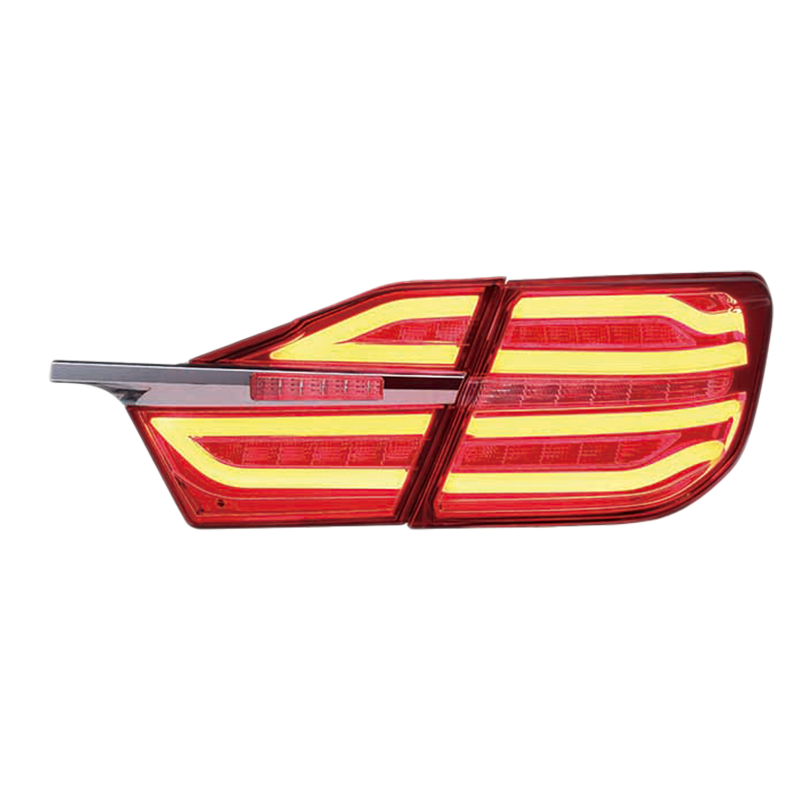
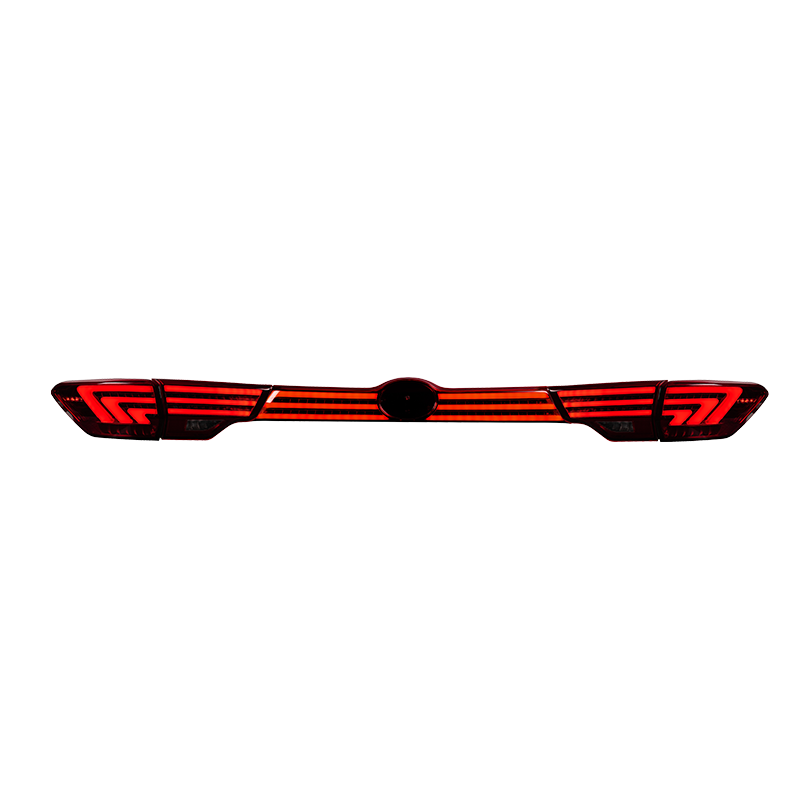
You just put in new Smoke Headlights and Taillights, and something about how your car looks at night feels slightly off. Maybe the beam sits differently than before, or a friend mentions your taillights look uneven from behind. Checking Smoke Headlights and Taillights alignment after a replacement solves exactly this kind of nagging doubt before it turns into a bigger habit you stop noticing. A housing that bolts on cleanly does not always sit at the same angle as the part it replaced, and that small difference changes how the light reaches the road and how visible your car looks to drivers behind you.
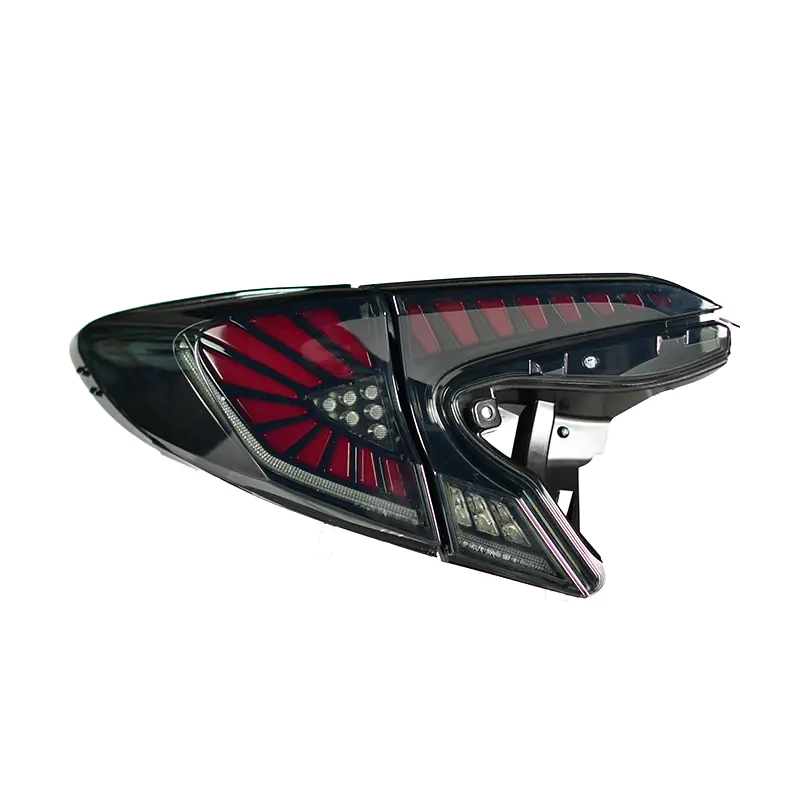
A housing can look flush and still sit a few degrees off from the position of the factory part. This happens more often than drivers expect, especially with aftermarket smoke lens replacements where mounting tabs and bracket depth vary slightly between manufacturers.
The bulbs light up. The panel gaps look reasonable. Everything seems finished.
But finished and correctly aimed are not always the same thing. A beam pattern that sits a touch higher or lower changes how far ahead the road actually lights up, even if nothing looks visibly wrong during a quick glance in the driveway.
An initial inspection right after installation catches obvious mounting problems, loose housings, and beams that point in an odd direction from the moment the new part goes in.
A second check after driving normally for a while is worth doing too. Mounting hardware settles. Vibration from daily roads can shift a housing that seemed snug on install day.
A simple way to think about timing looks like this.
| Stage | What to Look For |
|---|---|
| Right after installation | Housing sits tight, beam points in a reasonable direction |
| After a stretch of regular driving | Any drift caused by road vibration |
| After suspension or body repair work | Lighting position still matches the rest of the car |
| After a bump or minor impact | Whether the housing shifted out of place |
Spacing the checks out this way covers both installation mistakes and the slower changes that build up over ordinary driving.
Drivers usually sense something changed before they can explain exactly what it is.
A beam that used to stretch out ahead now seems to stop closer to the bumper, or it leans harder toward one side of the lane. Curves that used to be visible early now show up later than expected.
Occasional flashing happens for all kinds of reasons and rarely means anything on its own. A pattern of it happening more often since the replacement is a reasonable cue to check the beam angle.
Parking in front of a flat wall or garage door makes this easy to spot. If one beam sits visibly higher or wider than the other, the housings are likely mounted at slightly different angles.
A passenger standing behind the car, or a glance in a rearview mirror while parked, can reveal a taillight that tilts or sits differently than its match on the other side.
Ordinary road use plays a bigger part in this than most drivers assume.
Rough pavement, gravel stretches, speed bumps, and daily vibration all place small amounts of stress on mounted lighting components over time. None of this usually causes dramatic movement, but small shifts are a normal part of driving a vehicle for a long stretch.
A housing is somewhat more likely to move after situations such as:
None of these situations guarantee that alignment has changed. They simply make a follow up check worth the effort.
Many replacements happen because a single headlight or taillight cracked or failed, while the other side stayed original.
That situation actually makes alignment checking more useful, not less.
The original light has already settled into its position over time. The new housing may sit slightly differently because of fresh mounting hardware, a different manufacturing batch, or small tolerance differences between the aftermarket part and the factory original.
A comparison between both sides after installation shows whether the visual balance still holds up. Brightness tends to get all the attention during a swap, while positioning quietly gets overlooked, even though both affect how the lighting performs and how the car looks from outside.
Bolting a housing into place involves more than tightening a few fasteners and connecting a wiring harness.
The order in which mounting points get tightened, how evenly the housing seats against the body panel, and whether the surrounding trim lines up correctly all influence where the final beam ends up pointing.
A few habits tend to reduce problems later:
Skipping these small steps is often what leads a driver back to fiddling with the same housing again a short while later.
Specialized equipment is not needed to catch obvious alignment problems.
Park on level ground facing a flat wall or garage door. Turn the headlights on and compare the height and shape of both beams side by side. Walk around the vehicle and look at it from a few different angles.
For taillights, step back a reasonable distance behind the car and compare both sides for balance and tilt.
Pay attention to the gap between the housing and the surrounding panel as well. An uneven gap on one side sometimes means the housing never fully seated during installation.
This kind of visual review will not replace a proper shop inspection when something seems seriously wrong, but it usually answers whether a closer look is worth pursuing.
Where a headlight or taillight points depends partly on everything mounted around it staying in its intended place.
Repair work nearby can quietly shift that relationship even when nobody touched the lighting itself.
Worth a check after work involving:
Adding a quick lighting check to the end of unrelated repair work is a low effort way to catch a shift before it becomes something the driver adjusts around without noticing.
Alignment does not need constant attention on its own. It fits naturally into maintenance a driver is already doing.
| Maintenance Moment | Why It Works as a Checkpoint |
|---|---|
| Washing the vehicle | Clean housings make small position differences easier to see |
| Preparing for a change in season | Lighting gets used more heavily as conditions shift |
| Tire or suspension service | Ride height and nearby mounting points may have changed |
| Right after a headlight or taillight swap | Confirms the new part settled into a matching position |
| Following a minor bump or contact | Confirms the housing has not shifted out of place |
Folding this into routines that already happen barely adds any extra effort to regular vehicle care.
People adjust to gradual change faster than they realize. Driving the same vehicle for a stretch of time turns a small alignment shift into something that just feels normal. A driver might slow down slightly at night, rely more on streetlights, or avoid certain unfamiliar roads after dark without ever connecting that habit back to the lighting itself. Because the adjustment happens slowly and quietly, the underlying alignment change can sit unnoticed for a long stretch of ordinary driving. Keeping an eye on Smoke Headlights and Taillights alignment is less about treating it as a one time task and more about folding it into habits a driver already has. Checking shortly after installation, taking another look once the car has settled into regular driving, and glancing at the lighting whenever nearby repair work wraps up together build a routine that costs very little time. A housing that looks properly installed can still benefit from this kind of review, and drivers who build the habit early tend to notice problems while they are still small and easy to correct rather than after they have quietly become part of how the car drives every night.
We are a modern headlight manufacturer that integrates R&D, design, production and sales. We mainly produce headlamps, taillights, daytime running lights and other automotive lighting products.
Add: No.3 Shiyang Road, Ningxi Town, Huangyan District, Taizhou City, Zhejiang Province, China
Tel: +86-13105675552 / +86-15606586299
Fax: +86-576-89161556
E-mail: [email protected]
Copyright © Taizhou Baozhiwei Vehicle Industry Co.,Ltd. All Rights Reserved.

 English
 русский
 Español