Call us

Tail lights do more than add a finishing touch to how a vehicle looks parked in a driveway. The way light spreads across the rear of a vehicle can shape how the lighting reads at a glance, how clearly other drivers notice the signals, and how the whole rear end feels once the sun goes down.
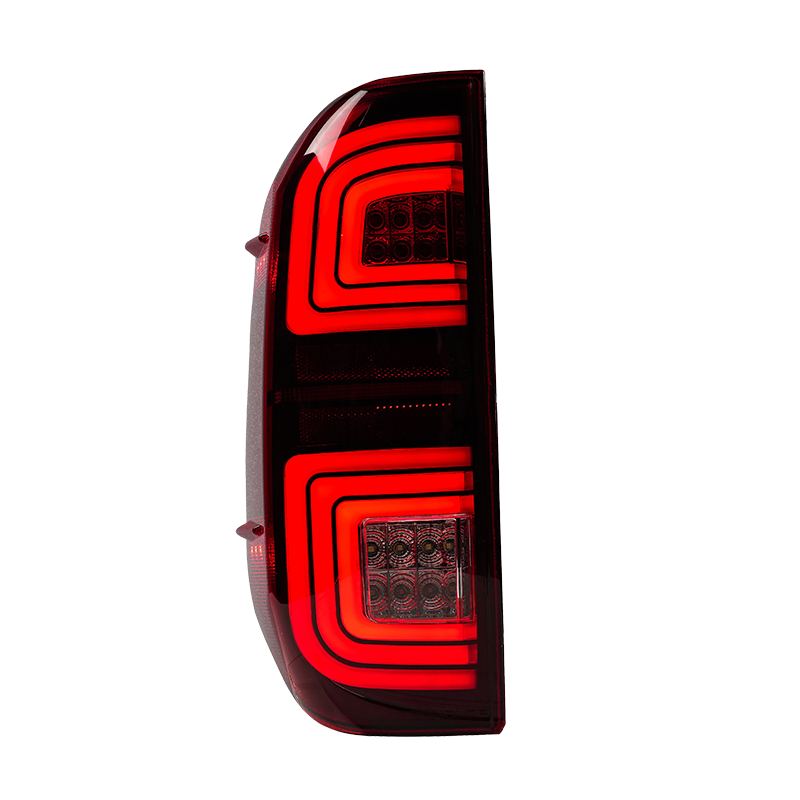
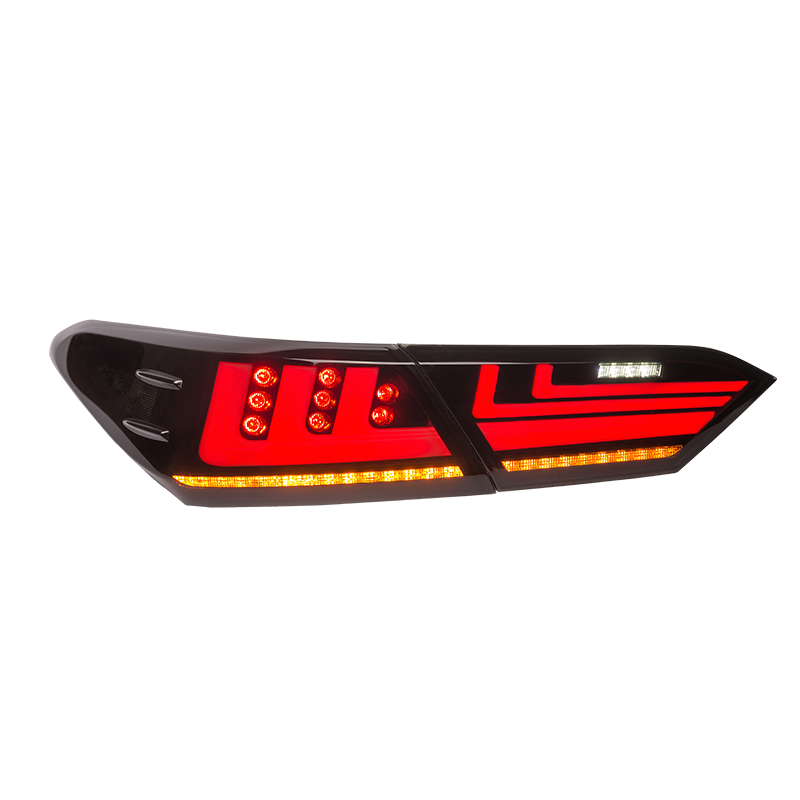
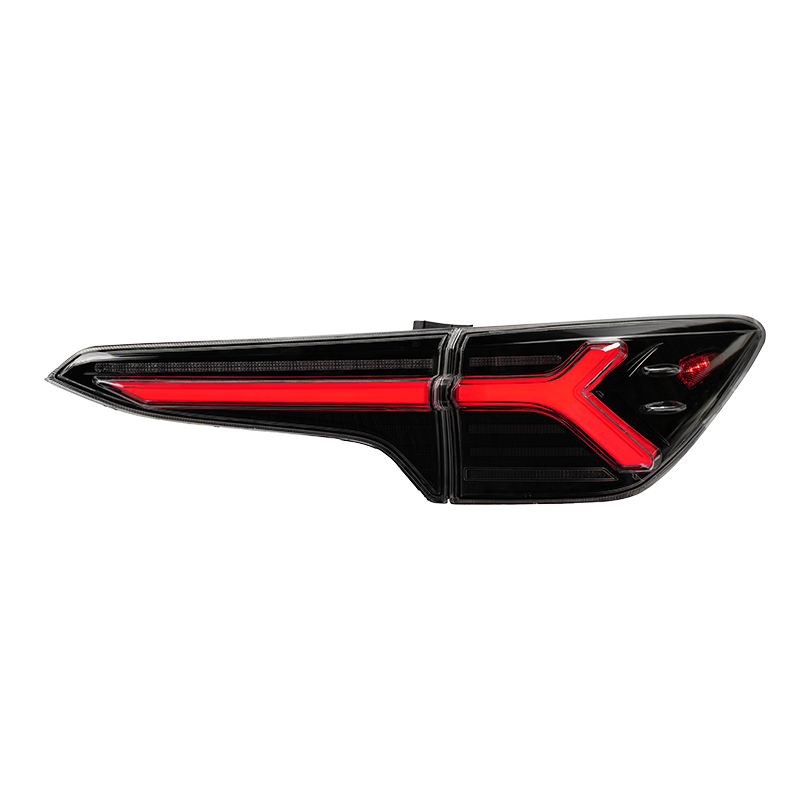
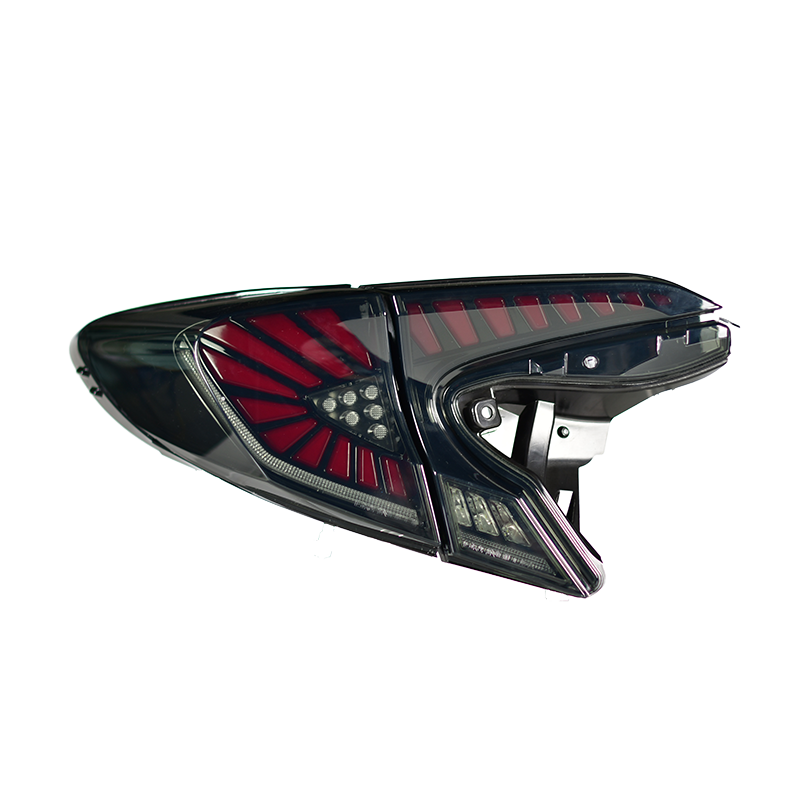
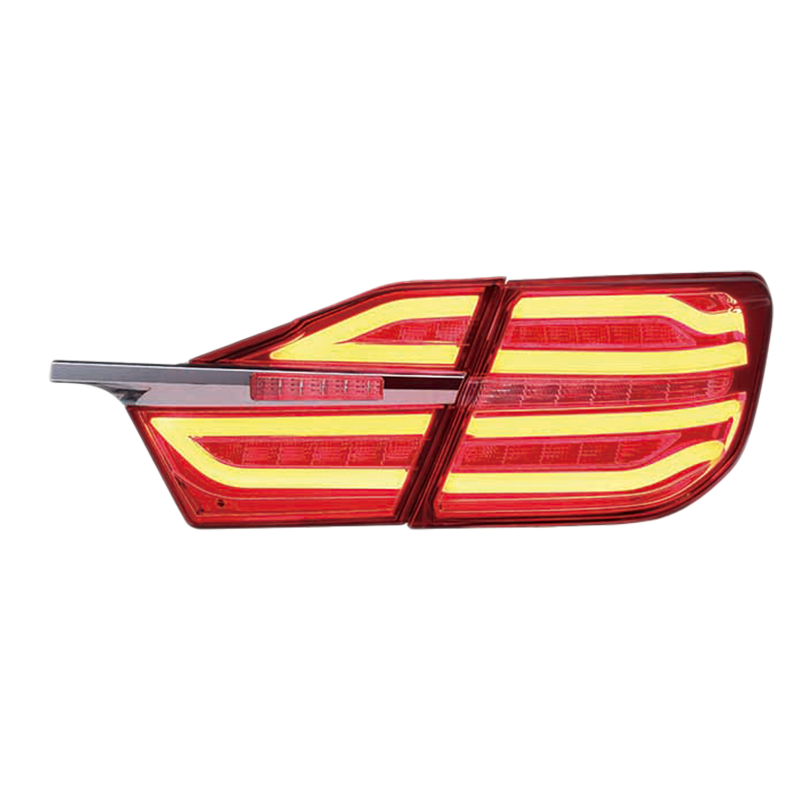
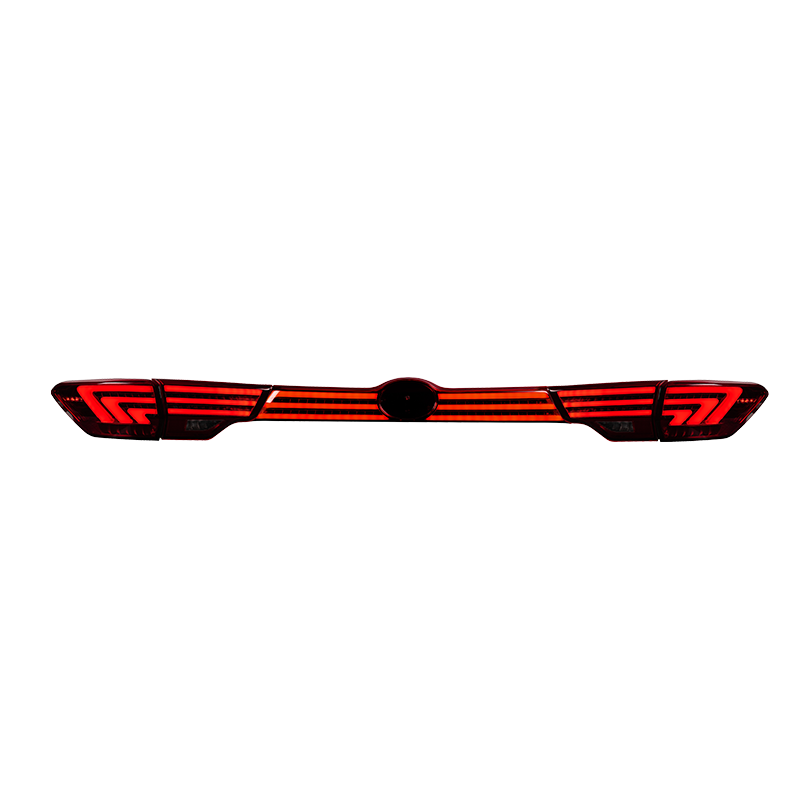
This is why light distribution has become a genuinely important consideration when developing Custom Car LED Tail Lights. A custom design may lean on different shapes, internal layouts, lenses, or visual treatments, but all those choices still need to function together as one working lighting system, not a pile of separate parts.
A tail light that looks striking switched off may create a completely different impression once it actually lights up. The illumination may bunch up in one area, spread across a wider surface, or form a pattern that changes the whole character of the rear of the car.
For drivers, this relationship ties appearance directly to practical visibility on the road. For a Tail Light Manufacturer, it also means styling decisions need to account for how illumination behaves across the finished housing, rather than focusing only on the exterior shape sitting on a shelf.
Light distribution describes how illumination gets arranged across the visible area of a tail light once it's powered on. It affects whether the light reads as balanced, concentrated, soft, or broken into visible segments.
In custom designs, this becomes particularly noticeable, since the lighting itself is often part of the vehicle's styling rather than an afterthought bolted to the back. A narrow lighting element can create a focused visual line, while a broader illuminated area can make the rear lighting feel more connected to the body panels around it.
| Lighting Approach | Visual Effect |
|---|---|
| Focused light area | Creates a defined lighting shape |
| Broad light area | Gives the lamp a wider visual presence |
| Divided light sections | Creates a layered appearance |
| Continuous light form | Produces a connected visual line |
| Patterned illumination | Adds a distinctive design element |
The purpose isn't simply lighting up as much of the housing as possible. The distribution needs to match the intended design while still doing its actual job as a functional signal. This becomes especially relevant when several lighting functions share the same rear lamp structure on one car. A thoughtful arrangement can help each function stay visually recognizable, rather than blurring into one undifferentiated glowing panel.
LED lighting gives designers a fair amount of freedom in how illuminated areas get arranged inside a housing. Instead of relying on one broad light source, a custom lamp can use multiple lighting sections to build a specific visual identity for that particular car.
The resulting appearance can shift quite a bit depending on where the illuminated elements actually sit. A horizontal arrangement, for instance, may emphasize the width of a vehicle's rear end, while a vertical arrangement can pull attention out toward the edges of the body instead.
Curved lighting elements can follow the contour of the housing itself and create a more integrated appearance overall. The relationship between the illuminated sections and the surrounding lens matters here too.
When light spreads evenly across the intended area, the design tends to read as cohesive from across a parking lot. When illumination concentrates unexpectedly in one spot, the visual effect can feel disconnected from the shape of the lamp housing it. This is why Custom Car LED Tail Lights need to get considered as both lighting products and visible design elements at the same time. The appearance changes noticeably depending on whether the lamps are lit or viewed in daylight on the way to work. A successful design therefore needs to hold up in both situations, not just one.
Tail lights carry a genuinely important communication role every time a car pulls onto the road. Other drivers need to recognize that a vehicle is present ahead and understand changes such as braking or turning before it's too late to react.
The visible distribution of light can shape how clearly these functions actually get perceived from behind. A lighting area that's clearly defined can help one function stand apart from another at a glance in traffic.
The shape of the illuminated section may also make the vehicle easier to recognize from different positions on the road, whether merging or following at a distance.
| Vehicle Lighting Function | Distribution Consideration |
|---|---|
| Rear lighting | Should remain visually clear |
| Braking signal | Needs a noticeable change in appearance |
| Direction signal | Should remain distinguishable |
| Rear warning function | Requires clear visual communication |
Visibility depends on more than brightness alone, though brightness certainly plays a part. The position of the lamp, the surrounding bodywork, lens design, lighting shape, and viewing angle all contribute to what another driver actually sees through their windshield. This makes light distribution part of a larger visual communication system built into the car, not a cosmetic afterthought. Custom styling should therefore avoid treating appearance as separate from practical road visibility. The design needs to hold a clear relationship between visual character and the vehicle's actual lighting functions on the street.
Darkened lighting surfaces have become a recognizable styling choice among people modifying their vehicles in the garage. Smoked Out Headlights and Taillights can give a vehicle a darker, more understated look when the lights sit unlit during the day.
The challenge is that the visual character of a darkened surface can shift once light actually passes through it at night. A smoked lens may make the lamp blend more naturally with a darker vehicle exterior in daylight parked at the curb.
Once illuminated, the internal lighting pattern becomes a lot more visible and can create real contrast against the surrounding dark surface. This sets up an interesting relationship between the lens treatment and the light distribution behind it.
| Lamp Condition | Visual Impression |
|---|---|
| Light off | Darker exterior appearance |
| Light on | Internal lighting pattern becomes visible |
| Different viewing angle | Lens and lighting elements may appear different |
| Daytime viewing | Surface styling becomes more prominent |
The smoked appearance should therefore get considered alongside the internal lighting layout, not chosen in isolation. Simply darkening a surface doesn't determine how the lamp will actually look once it's switched on at dusk. The relationship between the outer finish and the light sitting behind it becomes part of the overall design puzzle. This matters quite a bit for custom projects, where appearance is often the main reason someone changed the original lighting style in the first place.
Tail lights get exposed to shifting outdoor conditions every time a car leaves the garage. Moisture, rain, road spray, dust, and temperature swings can all affect the environment surrounding the lamp during an ordinary commute.
Waterproof LED Tail Lights are built with protection against moisture as part of their basic construction, not as an add-on feature. That said, waterproofing shouldn't get considered separately from light distribution when evaluating a product.
The housing, lens, internal structure, and sealing approach all shape how the finished lamp performs as one complete unit on the road. A well-protected housing can help preserve the intended internal arrangement through everyday driving, rain or shine.
This matters because moisture trapped inside a lamp can change its appearance and interfere with the visual consistency of the illuminated area over time. For custom designs, keeping that relationship between protection and lighting appearance intact is therefore genuinely important. The lamp should hold a clear visual structure under ordinary outdoor conditions, rather than relying on looks alone to carry the design. This is another reason Waterproof LED Tail Lights need evaluation as complete products, rather than judged purely by their exterior styling in a catalog photo.
The outside shape of a tail light doesn't tell the whole story about how it'll actually look lit up. What happens inside the housing can determine how the illuminated area appears once viewed from the outside on the road.
Lighting elements may run along a line, wrap around a curve, sit within separate sections, or spread across a broader surface depending on the design. Each arrangement creates a genuinely different visual rhythm once it's powered on.
A simple internal layout can produce a clean, straightforward appearance, while several separated sections can build a more layered effect instead. The position of reflective surfaces and internal barriers can also shape how illumination actually reaches the visible lens from inside the housing.
This means two tail lights with similar outer shapes can end up producing genuinely different lighting appearances once switched on.
| Internal Arrangement | Possible Visual Character |
|---|---|
| Linear layout | Clean directional appearance |
| Curved layout | Follows the housing shape |
| Segmented layout | Creates separate visual zones |
| Layered layout | Adds depth to the illuminated area |
| Broad layout | Creates a wider lighting presence |
Designers can lean on these differences to build custom visual identities without changing the basic role the tail light has to play on the road. The important point is that the internal layout should support the intended external design, rather than fight against it. When these two elements work together, the illuminated pattern can feel like part of the vehicle itself, rather than an unrelated accessory bolted on afterward.
A tail light rarely gets viewed from one fixed position out on the road. Other drivers may see it straight on from behind, at an angle while overtaking, or from farther back on a curved stretch of highway.
This makes viewing angle genuinely relevant when thinking through light distribution during the design process. A design that looks balanced from directly behind may read quite differently once viewed from the side while merging.
The housing shape and lens surface can influence how much of the illuminated area stays visible as the viewing position shifts around the car. For Custom Car LED Tail Lights, this can affect both styling impact and practical recognition on the street.
A distinctive pattern should remain understandable without depending entirely on one specific viewing position to work. This doesn't mean every part of the lamp needs to look identical from every angle, since that's not realistic anyway. Instead, the overall lighting arrangement should stay coherent as the viewing angle changes throughout a normal drive.
| Viewing Position | Design Consideration |
|---|---|
| Direct rear view | Main lighting pattern |
| Slight rear angle | Continuity of visible light |
| Side approach | Recognition of the lamp area |
| Greater distance | Overall lighting shape |
This perspective proves useful when comparing custom designs side by side. A lamp can look striking in a close-up product photograph while producing a genuinely different visual impression once it's actually bolted onto the vehicle. Looking at the complete rear lighting arrangement in context gives a more realistic sense of how the design actually performs.
For a Tail Light Manufacturer, light distribution involves several connected design decisions rather than one isolated choice. The outer housing establishes the available space to work with, while the internal lighting arrangement determines how that space actually gets used visually once wired up.
The lens treatment then shapes how the lighting elements appear from outside the vehicle in different conditions. Vehicle installation adds another layer of complexity, since the lamp needs to work with the shape and position of the rear body panels around it.
Manufacturers may therefore review the design from several angles worth walking through in turn.
This approach helps keep styling decisions from getting made in isolation from the rest of the product. For example, a dark lens may look appropriate while the vehicle sits parked at the curb, but the internal lighting pattern still needs to stay clear once the lamp actually switches on. Likewise, a complex lighting shape may look distinctive in a product photo but need careful placement to stay visually coherent once it's actually installed on a real car.
The role of a Tail Light Manufacturer therefore extends well beyond producing a housing with LEDs stuffed inside. It involves understanding how the visible surface, internal arrangement, vehicle position, and lighting functions all interact once the part leaves the workbench. Light distribution also gives custom lighting designers another way to build variation without relying only on exterior decoration for visual interest. A change in the shape or placement of an illuminated section can shift the whole character of the vehicle while keeping the basic purpose of the rear lamp fully intact. This makes light distribution a genuinely practical design consideration for custom lighting projects, especially when appearance, visibility, smoked styling, and everyday driving conditions all need to coexist within the same product.
We are a modern headlight manufacturer that integrates R&D, design, production and sales. We mainly produce headlamps, taillights, daytime running lights and other automotive lighting products.
Add: No.3 Shiyang Road, Ningxi Town, Huangyan District, Taizhou City, Zhejiang Province, China
Tel: +86-13105675552 / +86-15606586299
Fax: +86-576-89161556
E-mail: [email protected]
Copyright © Taizhou Baozhiwei Vehicle Industry Co.,Ltd. All Rights Reserved.

 English
 русский
 Español