Call us

A smoked vehicle light can look genuinely different from a clear lamp even when the light source and housing remain unchanged underneath. The difference comes partly from the material placed over the lamp and how much light that material actually lets pass through it. Tint transparency therefore affects a lot more than just the surface appearance of a vehicle light sitting on a bumper.
When a lens or covering becomes darker, the amount of visible light reaching an observer can shift noticeably. The color of the light can also appear quite different once it's viewed through the tinted material. These changes make transparency an important consideration when developing or modifying Tinting Tail Lights and Headlights for a customer's vehicle.
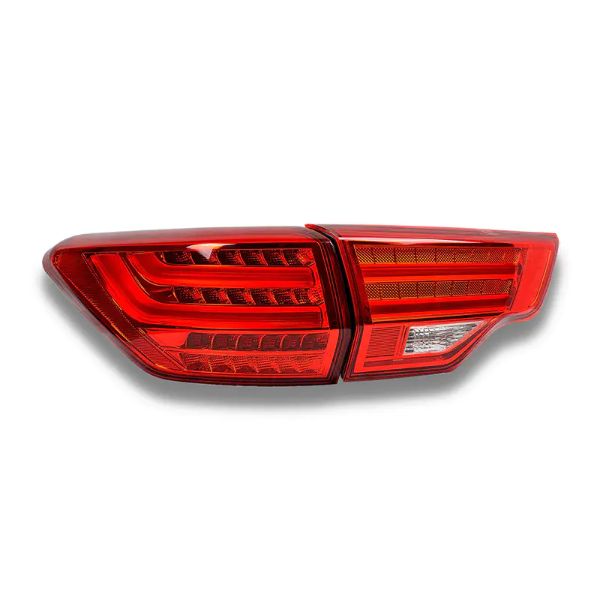
The idea isn't simply about making a light look darker for style's sake. Tinting creates a genuine layer between the light source and the observer, and that layer changes the visual characteristics of the lamp in ways worth understanding. Grasping this relationship helps explain why different levels of blackening can produce noticeably different results on the road.
Tint transparency describes how much visible light can pass through a tinted surface once it's applied. A clearer material allows more of the light from the lamp to remain visible, while a darker material blocks more of that light before it ever reaches the outside world.
This creates a genuine range rather than a simple clear-or-black choice a buyer has to make. A lightly tinted surface can retain much of the original light appearance, while a darker treatment can create a noticeably stronger smoked effect on the same housing.
| Tint Condition | General Visual Effect |
|---|---|
| Light tint | Original lamp remains relatively visible |
| Moderate tint | Lamp appears darker while light remains noticeable |
| Dark tint | Stronger smoked appearance with reduced visible light |
| Very dark tint | Internal light source becomes less visually apparent |
The actual result depends on the material, the original lamp, the tint application, and the surrounding light conditions at the time. Two products with a similar visual shade can still behave quite differently once illuminated at night.
This is exactly why transparency needs consideration separately from color alone. A black-looking surface isn't necessarily identical to another black-looking surface once light actually passes through both of them.
A vehicle light needs to remain visually recognizable as a genuine lighting signal to other drivers. The observer should be able to distinguish an illuminated lamp from its surrounding vehicle surface and understand the basic function that light represents on the road.
Tint changes this relationship in a real way. When a transparent surface becomes darker, the contrast between the illuminated area and the surrounding surface can shift considerably.
A light source that was easy to identify through a clear cover may appear a lot less distinct once a darker layer gets added on top. This can affect how quickly the illuminated area actually gets recognized by someone approaching from behind.
The relationship can get described simply: the light source produces its glow, the tinted layer alters it, and the observer sees whatever makes it through. The light source itself may remain unchanged mechanically, but the tinted layer alters what actually reaches the observer's eye.
This is exactly why tint transparency should get evaluated as part of the complete lighting system, rather than treated as some isolated surface treatment applied after the fact. For Tinting Tail Lights and Headlights, the goal should therefore be understanding how the tint changes the visible signal, not simply how dark the lamp looks sitting unlit in a driveway.
Tinting doesn't create one fixed visual effect that applies universally. The level of transparency changes how much of the original lamp remains visible through the covering placed over it.
A lighter tint tends to preserve more of the underlying lamp's character. A darker treatment creates a genuinely stronger visual filter and can make the lamp appear more integrated with the surrounding vehicle surface as a whole.
The difference becomes a lot easier to understand once the lamp gets viewed in two separate conditions. When switched off, the tint may dominate the appearance entirely, but once switched on, the light source becomes visible through the tinted layer, creating a genuinely different visual balance.
| Viewing Condition | Light Tint | Darker Tint |
|---|---|---|
| Lamp switched off | Internal structure remains easier to see | Internal structure appears more concealed |
| Lamp illuminated | Light remains visually clear | Light appears more filtered |
| Contrast with housing | Smaller visual change | Stronger visual change |
| Recognition of lamp area | More direct | More dependent on remaining transparency |
These differences explain why tint selection shouldn't get based only on the appearance of the unlit vehicle sitting in a garage. The illuminated state provides another genuinely important part of the evaluation worth checking before committing to a treatment.
Tinted material can change how a light color actually gets perceived by someone standing outside the vehicle. The effect depends on the color of the tint, the original light source, and the amount of light that manages to pass through the material.
A red lamp viewed through a dark surface may not appear identical to that same lamp viewed through a clear surface sitting on an untouched car nearby. The tinted layer can reduce the visual strength of the original color and change the balance between the light and the surrounding surface.
This becomes particularly noticeable once the tint is dark enough to become a genuinely strong visual filter. Designers and installers can therefore consider two separate questions worth asking side by side: does the light remain recognizable at all, and does the original lighting color remain visually clear through the treatment.
These questions are related to each other but not identical in what they actually reveal. A lamp can retain a visible glow while appearing quite different in color or intensity from its untreated condition sitting on the shelf.
The observer's perception ends up shaped by the combined effect of the light source and the tinted covering working together.
Tinting and blackening sometimes get used as if they describe the exact same treatment, but they can actually refer to quite different visual results on a finished lamp. Tinting generally suggests that a transparent or semi-transparent layer has been applied to change the appearance of the original surface underneath.
Blackening places more emphasis on creating a dark visual effect overall, which may involve a stronger reduction in transparency than a simple tint would. The distinction matters because the visual result depends heavily on how much of the original lamp remains visible once the treatment is applied.
Blacked-out Headlights and Tail Lights can therefore describe a darker treatment without automatically explaining its actual transparency level. Two lamps may both get described as blacked out while allowing noticeably different amounts of light to remain visible once illuminated.
This makes transparency a genuinely useful way to discuss the actual optical effect, rather than relying only on the name of the treatment printed on a product label.
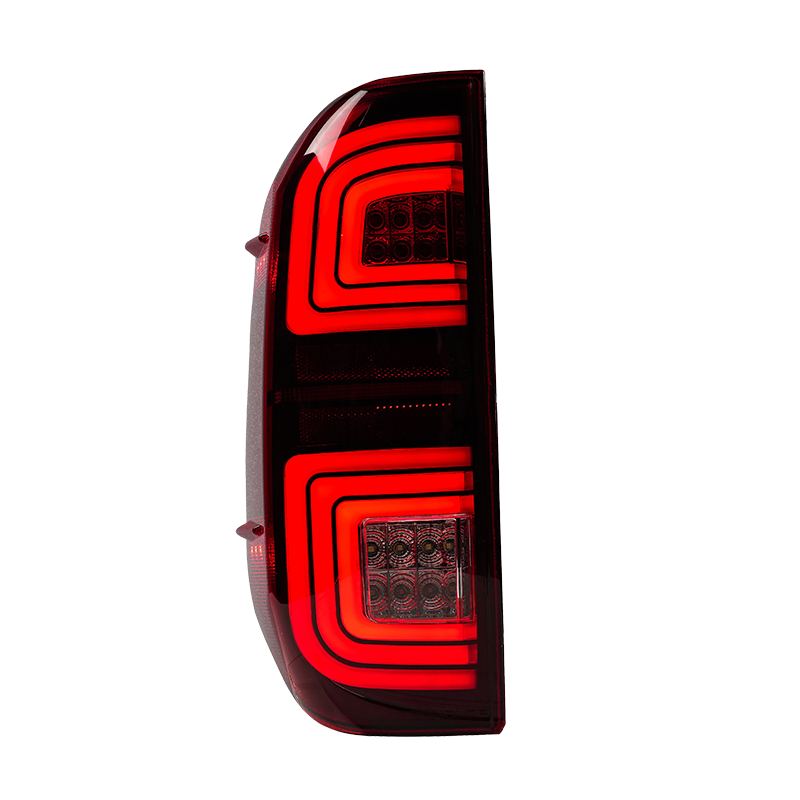
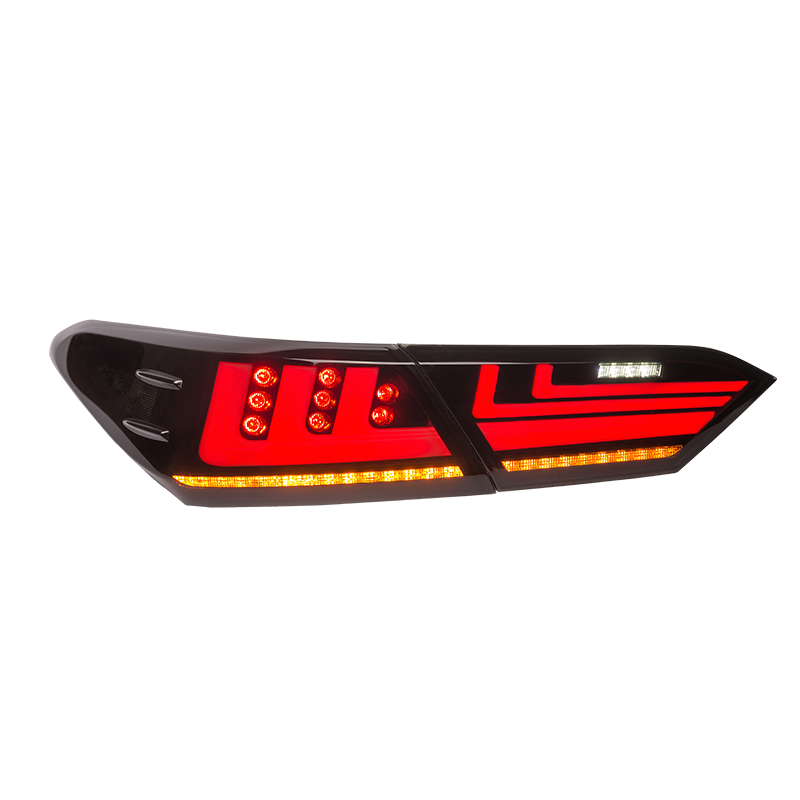
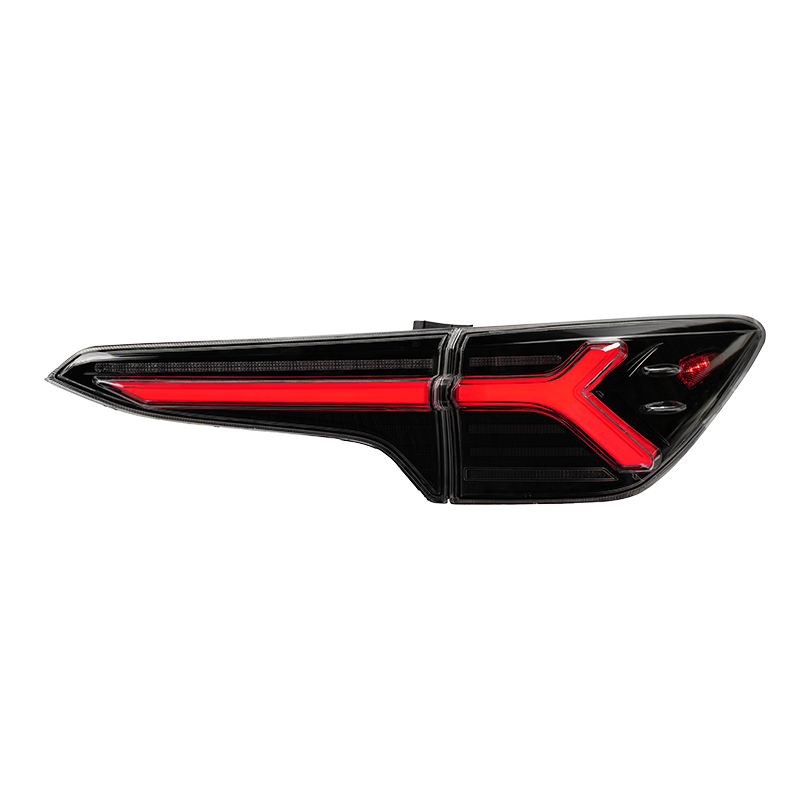
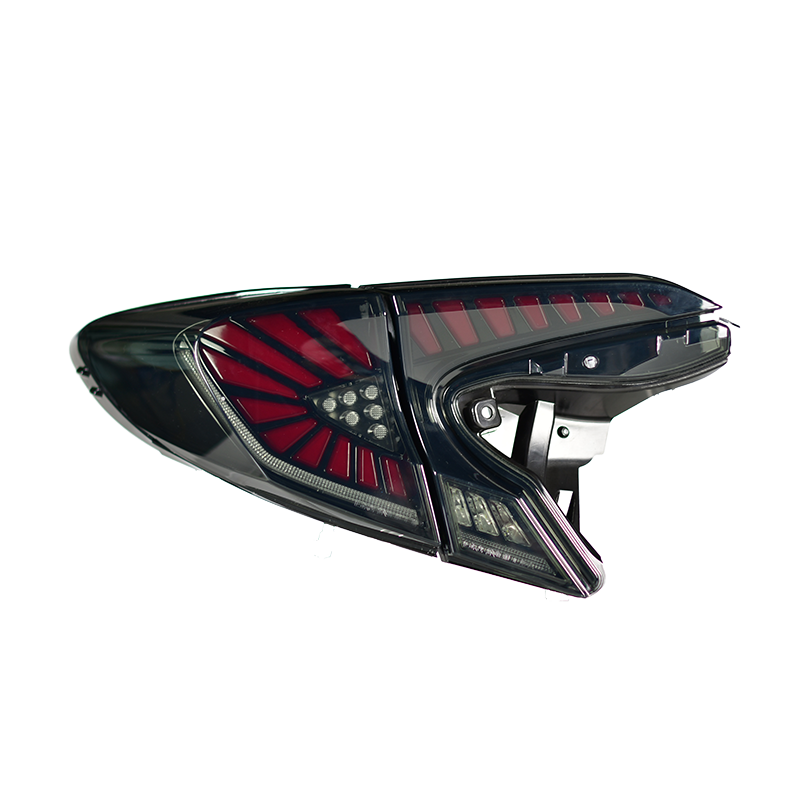
Smoked Headlights and Taillights usually refer to a tinted visual treatment that gives the lamp a darker appearance while still retaining some degree of transparency underneath. The smoked effect can range from relatively subtle to visually quite strong depending on the product chosen.
The important difference here is that the underlying lamp remains part of the visual result no matter how dark the treatment gets. A fully dark-looking surface can hide much of the internal structure once the lamp is switched off for the night.
Once illuminated, though, the amount of light that becomes visible depends entirely on the transparency of the material sitting over it. This creates several possible combinations worth understanding before choosing a product.
| Surface Appearance | Underlying Light Visibility |
|---|---|
| Light smoked surface | More of the original lamp remains visible |
| Medium smoked surface | Lamp structure becomes less apparent |
| Dark smoked surface | Greater visual filtering occurs |
| Strongly blackened surface | Original lamp may become heavily obscured when unlit |
The terms shouldn't therefore get treated as exact technical categories with fixed boundaries. Actual transparency depends heavily on the material and treatment method actually used on that particular lamp.
A change in tint level can alter the relationship between the lamp and its surroundings in ways that matter once the car's actually driving at night. A lighter treatment allows more of the original surface and lighting character to remain visible, while a darker treatment places more visual emphasis on the tinted layer itself.
This affects the way the lamp gets perceived both before and during operation on the road. A moderate tint may create a smoked appearance without completely hiding the internal light structure underneath.
A darker treatment, though, can make the lamp look substantially different once it's not illuminated at all. The difference becomes especially relevant when comparing several modified lamps side by side in a parking lot.
| Tint Level | Main Consideration |
|---|---|
| Light | Retaining more of the original visual character |
| Medium | Balancing tint effect and light recognition |
| Dark | Creating a stronger visual filter |
| Very dark | Maintaining sufficient visible separation between lamp and housing |
This table only offers a general way to describe the relationship at play here. Actual results depend heavily on the material and the original lamp design it's being applied to.
This is exactly why transparency should get evaluated through the finished assembly, rather than by judging the tint material alone sitting on a roll somewhere.
Contrast describes the difference between the illuminated lamp and nearby surfaces surrounding it on the vehicle body. Tint can change this relationship because it affects both the unlit appearance and the way the illuminated area gets perceived once switched on.
A dark tinted surface may create genuinely stronger visual contrast with the vehicle body while the lamp sits off. Once the lamp starts operating, though, that same surface can actually reduce the visual difference between the light source and the surrounding lens.
The result can vary quite a bit depending on the original lamp color and housing design underneath the treatment. A useful evaluation can therefore compare the lamp when switched off, the lamp when illuminated, the tinted area against the surrounding housing, the light color through the tinted layer, and the visibility of individual lighting sections within the same assembly.
These comparisons provide a lot more information than simply looking at the surface from one angle or in one lighting condition alone.
Many vehicle lights contain several internal sections working together within one housing. One area may contain a tail light function, while another area may serve a genuinely different lighting purpose entirely on the same unit.
A continuous tinted surface can cover all of these sections at once during application, but the visual effect may not turn out identical across each one. Differences in the original light source can change how each section actually appears through the exact same tint material.
A brighter section may remain easier to identify at a glance, while another section may appear more subdued through the same covering. This can make internal separation genuinely important when evaluating a tinted lamp before installation.
For Tinting Tail Lights and Headlights, the covering should therefore get considered in relation to the complete lamp, rather than only the outer surface someone sees walking past in a lot. The same material can create quite different visual effects depending on which light source sits underneath it.
Tint transparency gets affected by more than just the color of the material chosen for the job. The type of covering, its application quality, surface condition, and relationship with the original lens can all influence the final result once it's mounted.
A clean, evenly applied tint can produce a genuinely different visual effect from a covering with inconsistent areas scattered across it. Surface irregularities can change how light passes through particular sections in ways that aren't always predictable beforehand.
The original lens matters quite a bit here too. A clear lens, a textured lens, and an internally patterned lens may each interact quite differently with the same tinted layer placed over them.
| Factor | Possible Influence |
|---|---|
| Tint material | Controls the filtering effect |
| Application quality | Affects visual consistency |
| Lens condition | Changes the surface seen through the tint |
| Original lens structure | Influences the appearance of transmitted light |
| Tint coverage | Determines which areas are visually filtered |
These factors show clearly why a tint can't get evaluated only by its color sitting on a swatch. Transparency ends up being a result of the complete combination working together, not any single ingredient alone.
The phrase Blacked-out Headlights and Tail Lights often creates an expectation of a strongly darkened surface among buyers browsing online. Yet the actual optical result can vary quite a bit depending on the transparency of the treatment actually chosen for the job.
A darker surface doesn't automatically mean the lamp has the same visual behavior as another dark surface sitting on a different vehicle nearby. One treatment may allow the original light color to remain relatively clear once illuminated.
Another may filter a lot more of the visible light and make the illuminated area appear noticeably less distinct at night. This distinction matters quite a bit when comparing products or treatments side by side before making a purchase.
The blackened appearance describes what the observer sees when the lamp isn't necessarily operating at that moment. Transparency helps explain what actually happens once light passes through that same surface during normal use.
Considering both conditions together creates a genuinely more complete picture of the treatment before anyone commits to installing it.
A manufacturer can examine transparency by evaluating the tinted material together with the actual lamp assembly it's meant for. Testing the covering separately on its own may not reveal how it'll actually look once positioned over the real light source it's paired with.
Several visual checks can provide genuinely useful information during development. Unlit inspection examines how much of the internal lamp structure remains visible without power running through it.
Illuminated inspection observes how the original light actually appears through the tinted surface once switched on. Color inspection checks whether the expected light color remains visually recognizable to someone standing behind the vehicle.
Contrast inspection compares the illuminated area with the surrounding housing under normal conditions. Section inspection examines whether different lighting areas remain visually distinguishable from each other within the same unit.
These checks help connect the material's transparency with the finished product sitting on a test bench. For a manufacturer developing Smoked Headlights and Taillights, this approach can also help distinguish between a tint that mainly changes the surface appearance and one that significantly alters the way the lamp gets perceived once it's actually operating on the road.
A dark vehicle light can look genuinely attractive sitting unlit in a showroom, but that observation alone doesn't describe the complete optical behavior of the product once it's actually driven. Transparency provides another genuine way to examine what happens once light passes through the tinted surface at night.
This distinction proves useful because the same blackened appearance can get created with quite different levels of transparency underneath. A lighter smoked treatment may preserve more of the original lighting character than a buyer might expect.
A darker treatment may create a genuinely stronger filter and change how the illuminated section gets perceived from behind. For Tinting Tail Lights and Headlights, understanding this difference helps manufacturers, installers, and buyers discuss the product in a lot more precise terms than "looks black" or "looks smoked."
The focus shifts from simply asking whether a lamp looks black sitting in a driveway to asking how the tint actually interacts with the light source, lens, internal sections, and observer once the car's out on the road.
We are a modern headlight manufacturer that integrates R&D, design, production and sales. We mainly produce headlamps, taillights, daytime running lights and other automotive lighting products.
Add: No.3 Shiyang Road, Ningxi Town, Huangyan District, Taizhou City, Zhejiang Province, China
Tel: +86-13105675552 / +86-15606586299
Fax: +86-576-89161556
E-mail: [email protected]
Copyright © Taizhou Baozhiwei Vehicle Industry Co.,Ltd. All Rights Reserved.

 English
 русский
 Español