Call us

Vehicle lighting modifications can seem like a small change at first glance, but they may receive real attention during a vehicle inspection down the road. Headlights and tail lights count as part of the vehicle's required equipment, so changes made to their original condition can affect how an inspector evaluates the vehicle sitting in front of them.
This matters particularly when owners use Tinting Tail Lights and Headlights as part of a vehicle modification project. The inspection process may not focus on whether the modification looks attractive parked in a driveway. Inspectors instead tend to concern themselves with whether the lighting equipment remains in an acceptable condition and whether the modification interferes with required functions drivers depend on.
The exact inspection requirements vary quite a bit between jurisdictions, sometimes even between neighboring counties. Rules can also differ according to vehicle type and the type of lighting equipment involved in a particular case. Owners therefore need to understand the local requirements rather than assuming a modification accepted in one location will receive the same treatment somewhere else entirely.
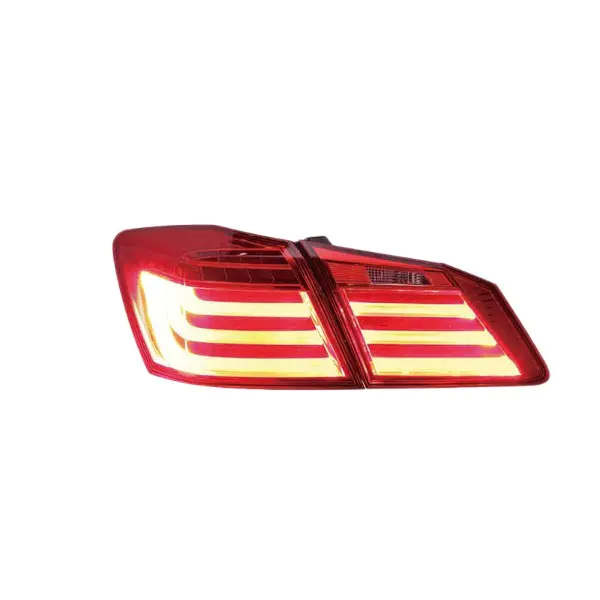
Vehicle inspections generally examine whether required equipment remains suitable for road use, much like a periodic checkup for a car's essential systems. Lighting components can form part of that assessment because they're connected with basic vehicle operation and signaling to other drivers.
Adding a tint, film, coating, or other modification changes the original condition of a lamp in a way an inspector can notice right away. An inspector may therefore look more closely at the modified component than at an unchanged factory-installed light sitting untouched.
The inspection question usually isn't simply whether the lamp has been modified at all. Other aspects may also come under review during a thorough check.
| Inspection Area | What May Be Checked |
|---|---|
| Lamp condition | Whether the unit remains intact |
| Mounting | Whether the lamp is securely fitted |
| Operation | Whether the required lighting function works |
| Modification | Whether an added treatment affects compliance |
| Equipment condition | Whether the lamp remains suitable for road use |
These areas show clearly why a tint shouldn't get evaluated only as a cosmetic accessory picked for looks. Once it's applied to a required vehicle component, the modification can become genuinely part of the inspection process itself.
An inspection normally involves more than simply glancing at whether a lamp turns on when the key gets turned. The inspector may examine the complete lighting unit and its condition while checking the required functions run correctly.
The exact procedure depends heavily on local rules, but modified lamps may receive attention across several areas at once. The inspector may look for damage, insecure installation, altered components, or other conditions that affect whether the equipment meets applicable requirements.
This can create a genuinely practical issue for vehicle owners who thought they'd done everything right. A modification may have been installed carefully by a skilled hand but still require removal or adjustment if it doesn't comply with local inspection rules on the books.
The quality of the installation doesn't automatically determine whether the modification is acceptable to an inspector. For Smoked Headlights and Taillights, owners should therefore consider the inspection requirements before applying a treatment, rather than waiting until the vehicle reaches an inspection station to find out.
The term Blacked-out Headlights and Tail Lights can describe a genuinely wide range of modifications sold under similar marketing language. The name itself doesn't determine whether a particular treatment will pass or fail an inspection once it's actually checked.
What matters is how the modified equipment compares with the requirements that apply in the relevant jurisdiction, not what the product is called on a box. An inspection authority may have rules concerning approved lighting equipment, modifications, required functions, or the condition of lamps sitting on a vehicle.
If a modification conflicts with those rules, the vehicle may require correction before approval gets granted. This is exactly why owners should avoid relying on statements like "this type of modification always passes inspection," since regulations differ between locations and inspection procedures can shift over time too.
A safer way to approach the issue involves asking whether modification of the original lamp is permitted, whether the modified lamp still meets the applicable equipment requirements, whether additional documents or approval are needed, whether the modification could need removal before inspection, and whether the local inspection authority provides specific guidance on the subject.
These questions prove a lot more useful than judging the modification by its appearance alone in a parking lot.
Headlights count as an important part of a vehicle's required lighting equipment, no different from brakes or seatbelts in terms of regulatory attention. During an inspection, their condition can get considered alongside their operation and installation together.
Inspectors may check whether the lamp is damaged, loose, improperly installed, or altered in a way that conflicts with applicable requirements on the books. A modification can therefore attract attention even when the original headlight continues operating just fine mechanically.
The condition of the surrounding assembly can matter just as much as the lamp itself. An owner may apply a treatment directly over an existing headlight rather than replacing the entire unit outright, which from the owner's perspective may seem like a simple, low-stakes modification.
From an inspection perspective, though, the treatment has genuinely become part of the condition of the lighting equipment being reviewed. This is exactly why Tinting Tail Lights and Headlights should get considered as a vehicle equipment modification rather than only an exterior accessory picked up at a shop.
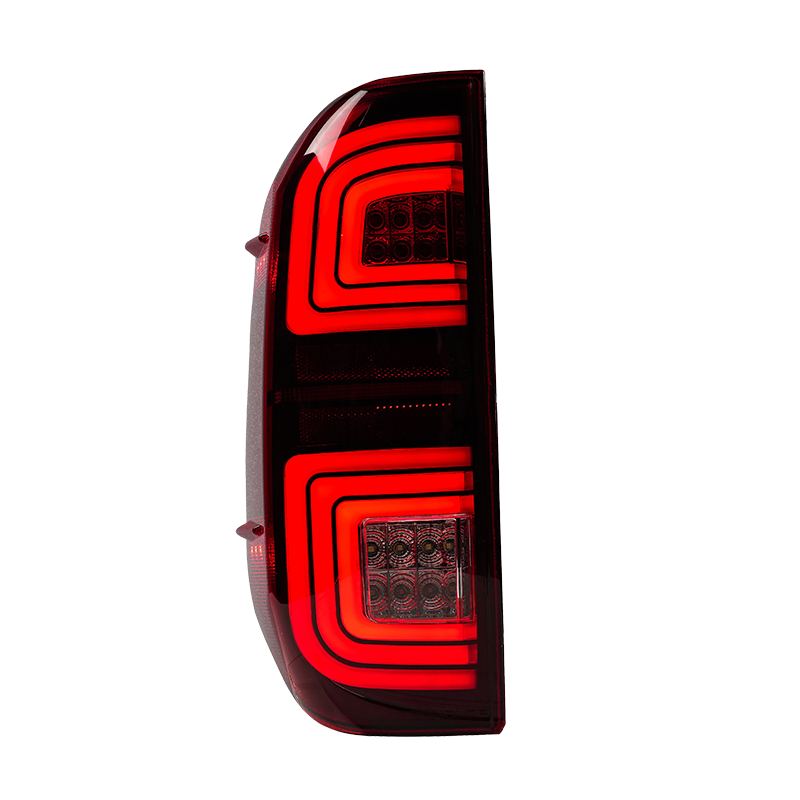
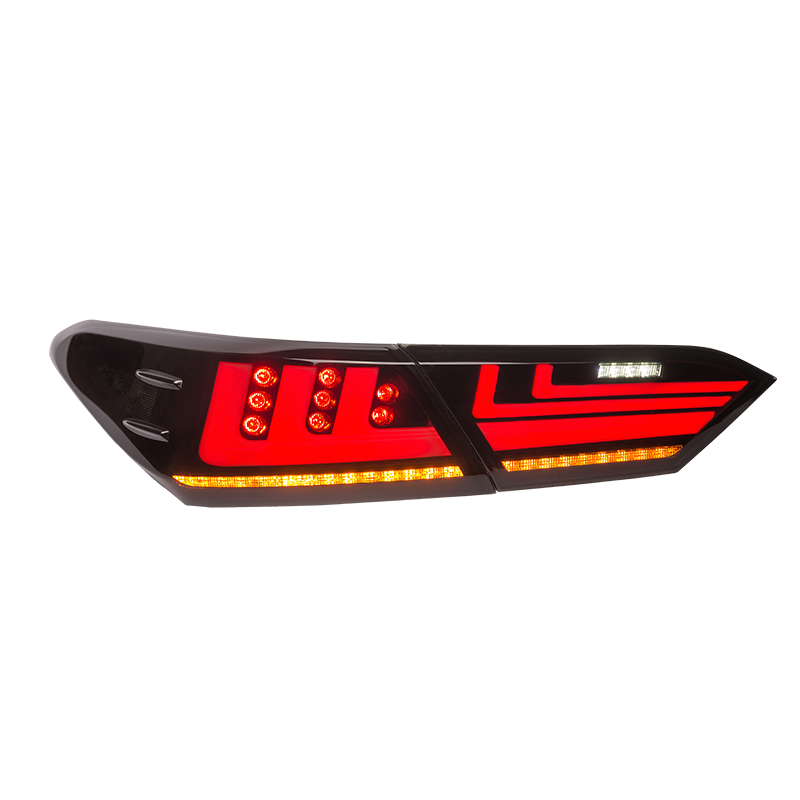
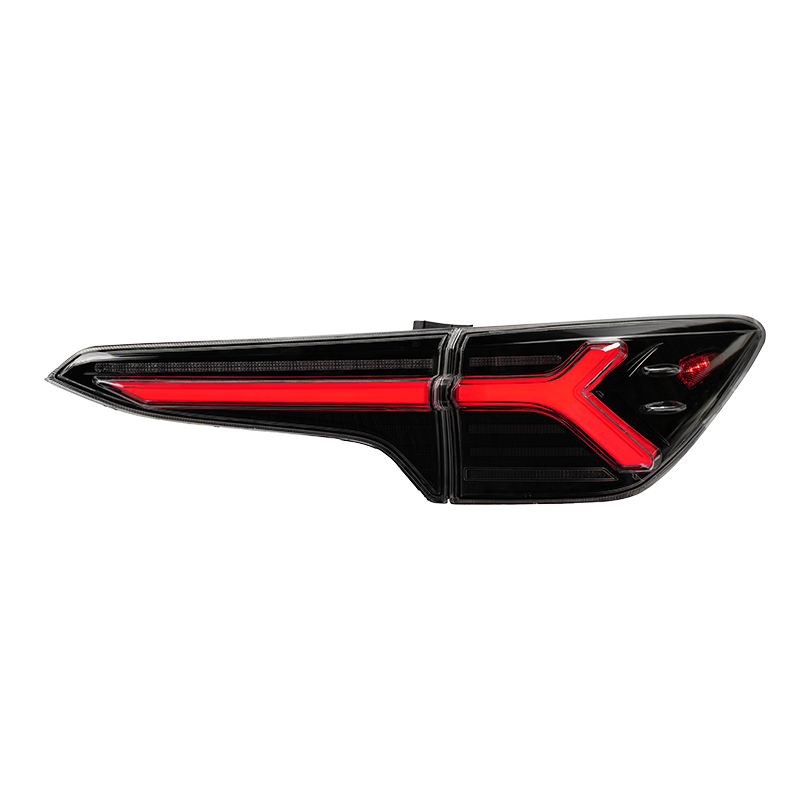
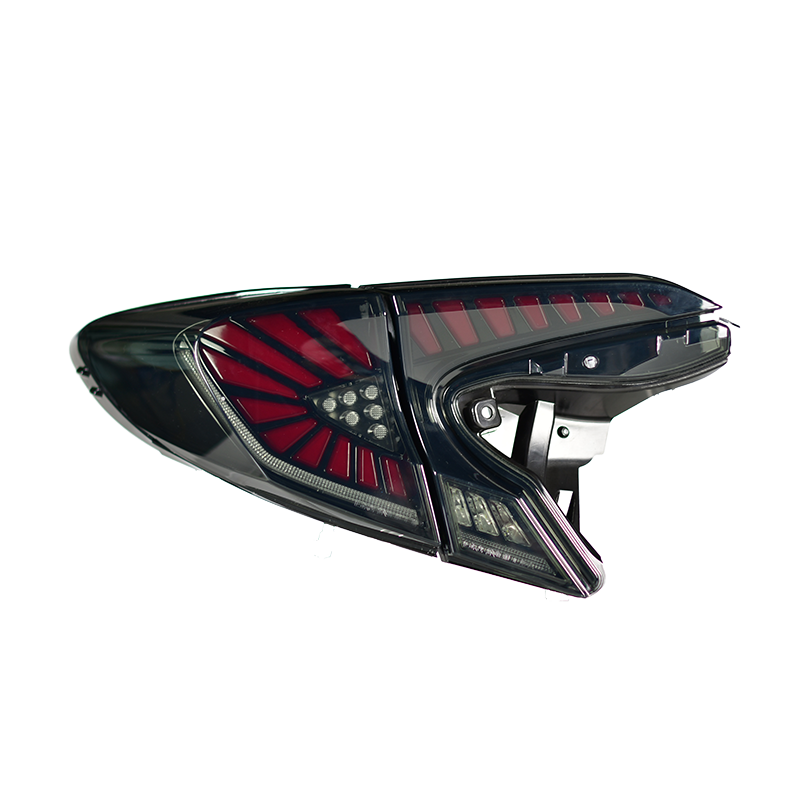
Tail lights are also part of the vehicle's required lighting equipment, carrying just as much regulatory weight as headlights in most systems. They can include several functions within the same housing depending on how the vehicle was originally designed.
When a tint or other treatment gets applied, the inspector may consider the condition of the complete lamp rather than judging the treatment by itself in isolation. The relevant questions can include whether the required functions operate correctly and whether the modified equipment remains within applicable inspection requirements.
| Tail Light Area | Possible Inspection Concern |
|---|---|
| Main lamp housing | Physical condition |
| Mounting points | Secure installation |
| Electrical connection | Required operation |
| Modified outer section | Compliance with applicable rules |
| Integrated functions | Correct operation of each required function |
The specific requirements depend heavily on the local inspection system in place. Owners should therefore check the applicable rules for their own vehicle, rather than applying assumptions carried over from another market they read about online.
Different modification methods can produce genuinely different physical changes to a lamp depending on how they're applied. Some owners use removable films that peel off cleanly, while others may use coatings or replacement components that alter the lamp more permanently.
From an inspection perspective, the method can matter quite a bit because the modification may affect how the lamp gets classified or assessed by whoever's checking it. A removable film may get treated differently from a permanent coating under some local rules on the books.
A replacement lamp may also be subject to requirements that differ from those applied to an original component with an added covering. This doesn't mean one method automatically gets accepted or rejected across every jurisdiction.
The relevant point is that owners should identify exactly what's been changed on their vehicle. Knowing whether the original lamp remains intact, whether a separate covering has been added, or whether the entire component has been replaced can make it a lot easier to understand the applicable inspection requirements.
A vehicle owner can reduce a lot of uncertainty by checking the applicable rules before modifying the lighting equipment on their car. This proves particularly useful when the vehicle will need to pass a formal inspection after the modification gets applied.
A practical check can start by identifying the relevant inspection authority, since requirements are normally established by whoever's responsible for vehicle inspection or roadworthiness in that specific location. From there, checking lighting modification rules matters too, looking specifically for requirements covering headlights, tail lights, lamp modifications, and replacement lighting equipment.
Checking whether approval is required comes next, since some modifications may need documentation, certification, or another form of approval before installation. Keeping product information on hand also helps, as installation instructions and component information may prove useful if questions arise during inspection.
Confirming the condition before inspection rounds out the process, inspecting the modified lamp for damage, loose parts, or installation problems before showing up at the station. These steps don't guarantee inspection approval outright, since the final decision depends on the applicable rules and inspection process in that jurisdiction.
They can, however, help owners identify potential issues before presenting the vehicle for review.
Documentation becomes a lot more relevant once a vehicle has been substantially modified beyond simple cosmetic changes. Depending on the local system, an owner may need to show information about replacement parts or approved modifications when asked.
Smoked Headlights and Taillights may get treated differently depending on whether the modification involves an accessory, a replacement lamp, or another type of component entirely. Keeping records can make the whole situation a lot easier to explain if questions come up later.
Useful information may include product identification, installation instructions, manufacturer information, approval documents where applicable, records relating to replacement components, and information about the original lighting equipment before modification. Not every inspection system requires these documents outright, and their usefulness depends heavily on local requirements in place.
The important point is that owners shouldn't assume documentation is unnecessary simply because the modification appears small or purely cosmetic on the surface.
Replacing an original lamp and modifying the original lamp aren't always the same situation from an inspection perspective, even though they might look similar to a casual observer. A replacement light may be designed and approved for a particular vehicle or application from the manufacturer's end.
A modified original lamp may involve an alteration to equipment that was already installed on the vehicle from the factory floor. The legal and inspection treatment can therefore differ quite a bit between the two scenarios.
| Modification Type | Possible Inspection Question |
|---|---|
| Original lamp unchanged | Does the existing equipment meet requirements? |
| Added removable treatment | Is the added modification permitted? |
| Permanent coating | Does the alteration comply with local rules? |
| Replacement lamp | Is the replacement component approved or acceptable? |
| Modified housing | Does the altered assembly meet applicable requirements? |
These are general inspection questions worth asking rather than universal legal rules that apply everywhere identically. The actual requirements should always get checked with the relevant authority handling that specific jurisdiction.
This distinction can help explain why simply replacing a component with a different product isn't necessarily equivalent to applying a tint over the original lamp already installed.
If an inspector identifies a problem with a modified lamp during a check, the owner may need to correct the issue before the vehicle can receive approval to continue on the road. The correction depends heavily on the reason behind the inspection issue flagged.
In some situations, the owner may need to remove the modification entirely and restore the original condition. In others, a replacement component or additional documentation may get involved instead, depending on what the rules actually call for.
The process shouldn't get assumed to be identical everywhere across different regions. A vehicle owner may therefore benefit from understanding the possible correction process before making a permanent change to their lighting setup.
A modification that's easy to remove can present a genuinely different practical situation from one that requires replacement of a component outright. This is one reason inspection requirements are worth checking carefully before installation ever begins.
Blacked-out Headlights and Tail Lights sit within a wider category of vehicle modifications that show up commonly on the road. The fact that similar modifications are common among vehicle owners doesn't necessarily mean they're accepted under every inspection system in place.
Popularity and legality genuinely stay separate questions worth untangling from each other. A modification can be widely used while still being subject to restrictions in a particular location that a buyer might not expect.
Conversely, a treatment that's accepted in one jurisdiction may get treated quite differently elsewhere depending on local rules. Vehicle owners should therefore separate three distinct questions worth asking on their own: is the modification physically possible to install, is the modification permitted under local rules governing that area, and will the modified vehicle actually meet the applicable inspection requirements once checked.
The third question matters particularly, since passing an inspection may involve conditions beyond simply the presence of a lighting component sitting on the vehicle.
Vehicle regulations aren't universal across different areas, which trips up a lot of owners who assume otherwise. Requirements can differ between countries, regions, vehicle categories, and inspection systems in ways that surprise people.
This makes general online advice genuinely difficult to apply to every vehicle sitting in a driveway somewhere. A statement claiming a particular tint is legal may be correct in one location and incorrect in another entirely, even within the same country sometimes.
The same logic applies to claims about films, coatings, replacement lamps, and modified lighting assemblies floating around online. For Tinting Tail Lights and Headlights, checking the relevant authority before installation provides a genuinely clearer basis for making a modification decision that holds up later.
Owners can also ask the inspection authority directly about the specific vehicle and proposed modification in question. This proves a lot more reliable than relying on informal claims from sellers, forums, or other vehicle owners who may not share the same jurisdiction.
Installers also carry a real role in helping customers understand inspection-related issues before work begins. They can provide clear information about what's actually being changed and whether the original lighting equipment remains intact underneath.
An installer should avoid making broad claims about inspection approval without knowing the applicable jurisdiction their customer lives in. A modification that's passed an inspection elsewhere doesn't establish that the same result will occur for another vehicle or location down the line.
Clear communication can cover what component is being modified, what type of treatment is being applied, whether the treatment is removable if needed, whether the original component is being replaced entirely, what documentation gets supplied alongside the work, and whether the customer has checked local requirements themselves.
This keeps the discussion focused on factual product information, rather than promises about inspection results that nobody can genuinely guarantee.
Preparation should begin with checking the actual condition of the vehicle rather than relying on assumptions about the modification carried in from somewhere else. Owners can inspect the lighting units for secure mounting, visible damage, loose components, and correct operation before heading to a station.
They can also review any documentation that may apply to replacement or modified equipment sitting in a filing cabinet somewhere. If the local rules don't permit a particular modification, the owner may need to restore the original lighting equipment before inspection gets scheduled.
A removable treatment can make this process genuinely different from a permanent modification, although the applicable rules still determine what's actually required in the end. For Smoked Headlights and Taillights, preparation is therefore closely connected with the legal status of the modification, the condition of the equipment installed, and the inspection requirements that apply to that particular vehicle.
We are a modern headlight manufacturer that integrates R&D, design, production and sales. We mainly produce headlamps, taillights, daytime running lights and other automotive lighting products.
Add: No.3 Shiyang Road, Ningxi Town, Huangyan District, Taizhou City, Zhejiang Province, China
Tel: +86-13105675552 / +86-15606586299
Fax: +86-576-89161556
E-mail: [email protected]
Copyright © Taizhou Baozhiwei Vehicle Industry Co.,Ltd. All Rights Reserved.

 English
 русский
 Español